REVIEW · KATHMANDU
Trek to Everest Base Camp
Book on Viator →Operated by Happyland Treks · Bookable on Viator
Everest starts with a shaky Lukla flight. This 14-day Everest Base Camp trek takes you from Kathmandu into the Khumbu region, up to Everest Base Camp (5,364m) and Kalapathar (5,545m), with an English-speaking guide and porter support to keep the day-to-day easier.
What I like most is that the big admin headaches get handled: trekking permits and national-park entry fees are covered, and you’ll have someone there to register them at the park check area. I also like the way the trek builds in altitude breathing room, especially with a Namche rest day (plus the option to hike to a viewpoint) and a Dingboche acclimatization plan that can help you adjust. In the people behind the operation, names like Bimal Dahal and guides such as Ngawang and Pramish show up repeatedly in trip feedback.
One drawback to plan for: the package covers lodging and some included meals, but food and drinks in the mountains aren’t included, and emergency medical evacuation is not covered—so you’ll want solid travel insurance before you go.
In This Review
- Key things to know before you go
- Everest Base Camp: Why This Trek Still Hooks People
- From Kathmandu to Lukla: Getting Oriented Fast
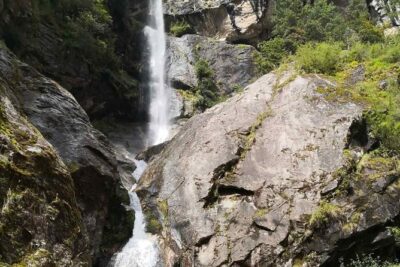
- Phakding to Namche Bazaar: Bridges, Pine Forests, and First Big Views
- Namche Rest Day: Use It for Breathing, Not Just Sightseeing
- Tengboche and Pangboche: Monastery Stop + Glacier-Mountain Drama
- Dingboche: The Acclimatization Day That Can Make or Break Your Comfort
- Toward the Glacier and the High Camp Zone
- Kalapathar Morning: The View Shift You’ll Feel in Your Bones
- The Return Days: Namche to Lukla and the Celebration That Closes the Loop
- Tea Houses, Meals, and How the Included Package Really Works
- Price and Value: What $1,597 Buys (and What It Doesn’t)
- Who This Trek Fits Best (and Who Should Think Twice)
- Should You Book Happyland Treks for Everest Base Camp?
- FAQ
- How long is the Everest Base Camp trek?
- What is the price per person?
- What’s included in the price?
- What isn’t included?
- Do you get airport pickup and drop?
- Is this a private tour?
- How high do you get on the trek?
- Is there any minimum fitness requirement?
- Can I cancel and get a full refund?
Key things to know before you go
- Lukla flight is short but intense: about 35 minutes each way, with mountain views overhead
- Permits are handled: includes trekking permits and park/entry fees (registered on-route)
- Acclimatization is built in: rest day in Namche and an optional acclimatization hike at Dingboche
- Kalapathar is the payoff morning: early climb for a wide view of Everest, Nuptse, Changtse, and Lhotse
- Support is structured: English-speaking guide plus 1 porter for 2 clients
Everest Base Camp: Why This Trek Still Hooks People
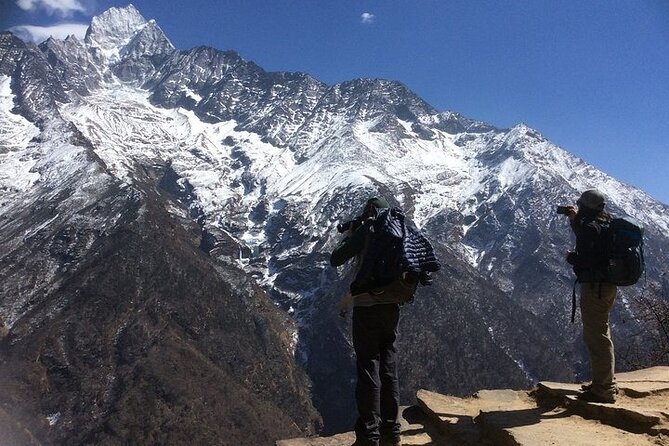
This trek is famous for a reason. You’re not just walking in the mountains—you’re moving through a living route where the air thins fast, the scenery gets huge quickly, and the end goal sits at 5,364m. Everest Base Camp isn’t a summit, but it feels like one because the effort stacks up day after day.
The other reason people keep returning: the route gives you payoff in layers. You start with river valleys and stone villages, then you rise into Sherpa country and monastery stops, then you hit glacier terrain and finally the big “wow” zones—Gorakshep, Base Camp, and Kalapathar.
The best part, for practical travelers: this is a trek with support. Your guide handles the route flow, and the porter setup (1 porter per 2 clients) means you can carry less and keep your energy where it matters.
You can also read our reviews of more tours and experiences in Kathmandu.
From Kathmandu to Lukla: Getting Oriented Fast
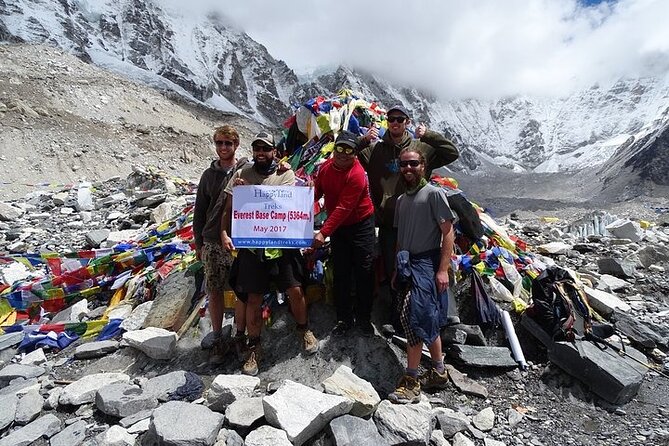
You begin in Kathmandu with 2 nights at a hotel (breakfast included), plus pickup and drop by private transport. On arrival, you’re transferred to the hotel, then you get a briefing in the evening. That matters more than it sounds. Everest trekkers waste energy when they arrive unprepared—gear confusion, uncertainty about timing, or unclear expectations.
Day 2 is flight day. You’ll fly from Kathmandu to Lukla (about 35 minutes). This is a small plane day, and it can feel intense if you’re nervous about flying. But it’s also one of the most scenic transitions in the region—mountains rise around you as you land.
After Lukla, you start walking along the Dudh Koshi River, passing stone villages and climbing out of the Lukla area toward Phakding for your first tea-house overnight. The walking distance listed is about 8km (3–4 hours), which is perfect for easing into the rhythm before altitude starts making its own rules.
Phakding to Namche Bazaar: Bridges, Pine Forests, and First Big Views
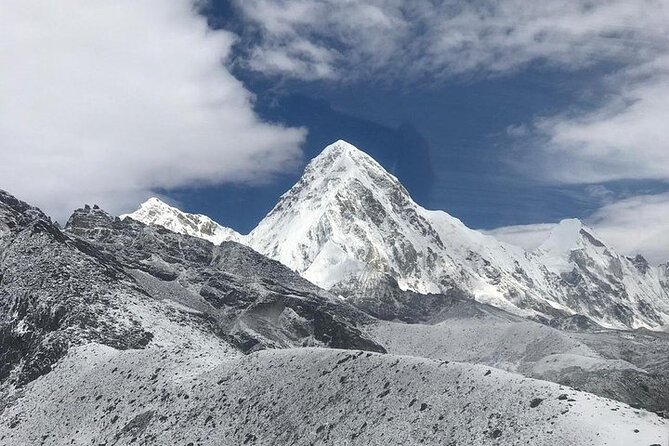
The route day that leads you toward Namche feels like your “alignment day.” You’re crossing from quieter river trail into Sherpa infrastructure.
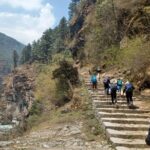
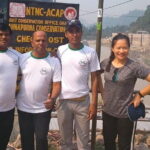
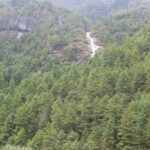
You’ll walk through pine forests and cross the Dudh Koshi on a long suspension bridge. Then you continue toward Monjo Village and the Sagarmatha National Park entrance, where your trekking permits get registered. I like this detail because it keeps everything official and organized—no last-minute scrambling for paper.
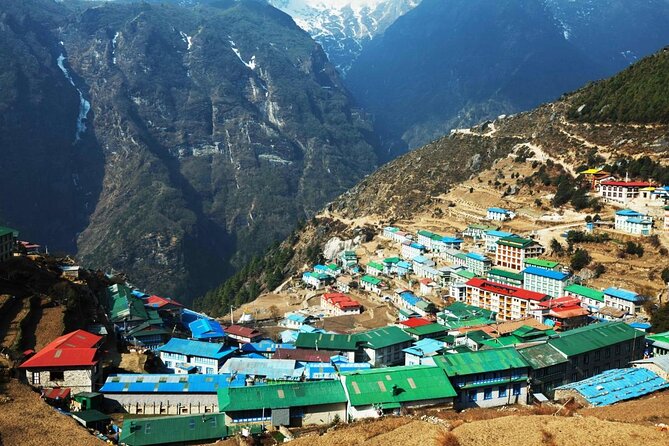
From there, it’s a steep ascent to Namche Bazaar (overnight). Namche is your first major altitude checkpoint, and also your first place where you’ll feel how busy the Khumbu trek circuit really is. You get that classic early reward too: the trek description includes your first glimpse of Everest in the distance.
Namche Rest Day: Use It for Breathing, Not Just Sightseeing
You don’t just stop in Namche; you recover there. This is a key part of the itinerary: Day 4 is a rest day at about 3,440m.
You can explore Namche Bazaar itself—this is the place where mountaineering stories live, not just brochures. There’s also an optional 3–4 hour hike to the Everest viewpoint hotel. The point of that side trip isn’t exercise bragging rights. It’s altitude acclimatization with a reward: the views described include major peaks like Ama Dablam, Nuptse, Lhotse, and Everest.
Here’s the practical advice I’d give you for that day: treat it like a pacing lesson. Go steady. Don’t sprint to the viewpoint because the finish line feels close. At altitude, your “slow” might still feel hard, and that’s exactly how you want it.
Tengboche and Pangboche: Monastery Stop + Glacier-Mountain Drama
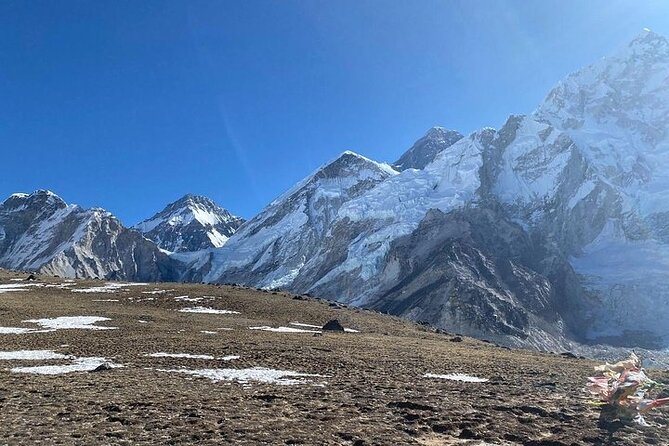
After Namche, the trek leans into classic Khumbu scenery—big mountains, prayer flags, and the kind of peaceful that only happens after hours on foot.
Day 5 pushes you up toward Tengboche at about 3,800m over roughly 9.2km (5–6 hours). The highlight here is Tengboche Monastery, described as the largest and most legendary Buddhist monastery in the Khumbu region. Even if you’re not a religious traveler, monastery stops give you a useful break from the constant climb. They also offer a different rhythm: fewer “tourist stops,” more cultural place to slow your breathing and watch the village life.
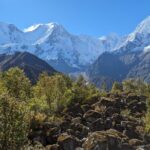
Day 6 shifts through rhododendron forest down and then up again. You’ll reach Debuche, then continue toward Pangboche after crossing the Imja Khola River. The view payoff includes Ama Dablam and surrounding peaks. Walking here often feels like you’re being framed—mountains keep showing up in new angles as you crest and descend.
And yes, it’s still trekking. The day is listed as about 9km (5–6 hours) and climbs to around 4,200m. But the scenery and the monastery cadence make it feel less monotonous than a straight uphill slog.
Dingboche: The Acclimatization Day That Can Make or Break Your Comfort
By the time you reach Dingboche, you’ve already done several strenuous days. Day 7 is set up as a free day to rest and relax, again around high altitude.
You can stay with an easier day, or you can do an optional acclimatization hike to Nangkhartshang Peak (5,083m), listed as a 3–4 hour outing. That’s a smart option if you’re feeling steady, because it helps your body adjust before you move into the higher glacier terrain.
What matters most on a day like this: you don’t want to “win” the day. You want to leave feeling better than you arrived. If you’re pushing hard, you might pay later. The trek’s structure gives you the choice, which is exactly what you want on Everest routes.
Toward the Glacier and the High Camp Zone
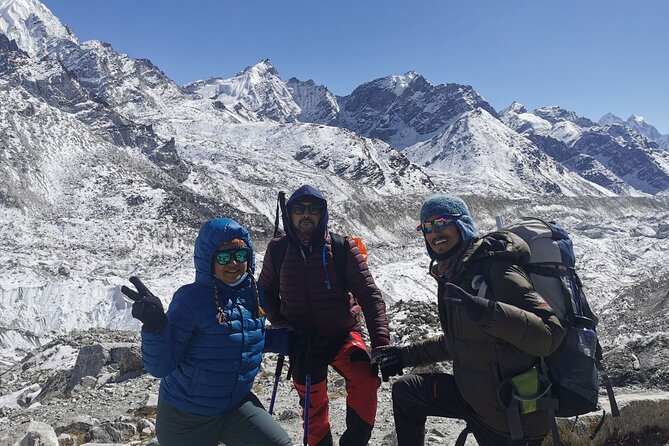
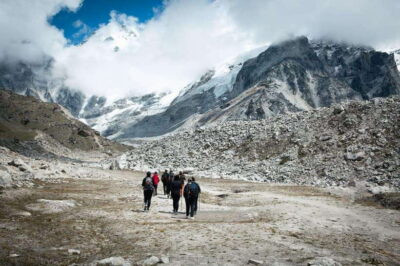
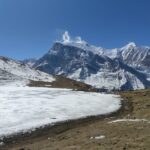
Day 8 moves you higher—listed around 4,900m, with walking 11–12km (6–7 hours). The key terrain detail is that you ascend steeply on the moraine of the Khumbu Glacier, noted as the highest glacier in the world.
This part of the trek is where your footing attention goes up. Moraine terrain can feel uneven and tiring. Even when the “distance” is manageable on paper, your legs feel it more. Expect the walk to feel more work than earlier forest or village days.
Day 9 is the long one, the one most people remember forever. You’re starting around Gorakshep (5,180m) and pushing to Everest Base Camp (5,364m). The walking time is listed as 6–8 hours for about 15km, and it notes the trail is comparatively challenging due to rocky terrain and icefalls. Translation: you’ll be moving carefully. This isn’t a casual stroll.
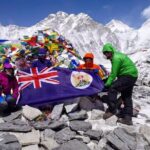
When you reach Base Camp, the reward is more than a photo moment. You’ve made it to the base of the mountain routes that dominate global mountaineering. Take your pictures, yes. But also sit down. Let your body absorb the fact that you’re here.
Kalapathar Morning: The View Shift You’ll Feel in Your Bones
Day 10 is a classic Everest timing day. You start early and climb Kalapathar, meaning “black rock” in Nepali. The hike is listed as 2–3 hours uphill. Altitude at Kalapathar is 5,545m, which puts it above Base Camp.
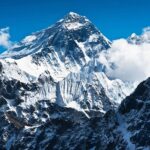
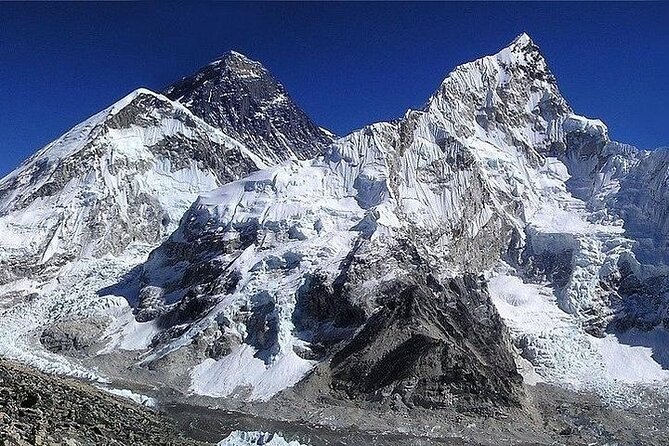
This is where the trek pivots from “I’m here” to “I understand the scale.” The views are described as a full panorama: the Khumbu glacier below, and peaks above including Everest, Nuptse, Changtse, and Lhotse.
After Kalapathar, you retrace steps down to Gorakshep, then continue descending to Pangboche. Descents can sound easy, but at altitude your knees still complain. Build in frequent short stops, and don’t let your ego take over on steep sections.
The Return Days: Namche to Lukla and the Celebration That Closes the Loop
Your return is not a simple “walk down and done” story. Day 11 is described as about 13–15km (7–8 hours) from Pangboche to Namche at around 3,440m. The trail is full of ups and downs, with a lunch stop via Tengboche again. You also pass rhododendron and juniper areas, with animals and birds mentioned along the route. That’s one of the nice things about the return: you start noticing details you missed on the way up.
Day 12 continues the descent: Namche to Lukla at about 2,800m, roughly 16km (6–7 hours). You’ll follow the Dudh Koshi River and cross suspension bridges through the valley.
And then the best morale moment: a celebration with your trekking crew in the evening to mark success. After days of focus, it feels good to let the body relax.
Day 13 is flight day back to Kathmandu, again about 35 minutes, plus transfer to your hotel. You can explore the city or just rest. Day 14 ends with time in Kathmandu and then drive to Tribhuvan International Airport.
Tea Houses, Meals, and How the Included Package Really Works
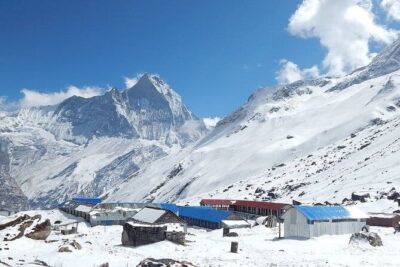
This trek includes 11 nights in tea houses on the trail. In Kathmandu, you have 2 nights in a hotel with breakfast included.
What’s included on the mountain? The data says dinner is included, but it also states that food and drinks in the mountains aren’t included. That means you should assume you’ll be paying for much of your day-to-day intake along the trail—especially lunch and snacks, plus warm drinks.
That’s not a deal-breaker, but it’s a budget point you don’t want to miss. Water and hot drinks are your altitude helpers. Also, services can cost extra later in the trail like battery charging, hot water, and similar small items.
Practical note: the cold at higher camps makes simple choices matter more. Plan on spending time and money on staying warm and hydrated.
Price and Value: What $1,597 Buys (and What It Doesn’t)
At $1,597 per person, this is not cheap. The good news is you’re not only paying for a map and a password. You’re getting a bundle of things that normally cost time and planning:
- Airport pickup and drop in Kathmandu by private transport
- Kathmandu stay (2 nights) with breakfast
- Tea house lodging (11 nights)
- English-speaking guide
- 1 porter for 2 clients
- Trekking permits and entry fees covered, plus government and local taxes
- Welcome drinks and farewell dinner
- Trip certificate for reaching Everest Base Camp
What you should budget separately:
- Travel medical insurance and emergency evacuation cost
- Nepal entry visa fee and international airfare
- Personal equipment
- Tips for guide and porter (tipping is expected)
- Mountain food and drinks, plus extra costs like alcohol, hot shower, water bottle, cold drinks, hot water, and battery charging
The value equation for me is simple: you’re paying to reduce planning stress and offload logistics. If you’re the kind of traveler who hates admin, this kind of package can be worth it.
If you’re hoping for a fully “all costs included” trek, this one isn’t that. You’ll still manage expenses day by day in the mountains.
Who This Trek Fits Best (and Who Should Think Twice)
This trip lists moderate physical fitness as the requirement. That’s helpful because Everest Base Camp is still a demanding route even if the schedule includes rest and acclimatization days.
You’ll likely enjoy this trek if you:
- Want a structured plan with an English-speaking guide
- Appreciate tea house lodging (not camping)
- Like high-altitude trekking but want better support for pace and loads
- Value permits and taxes handled for you
You might want to think twice if:
- You’re uncomfortable with the reality of high altitude and uncertain body days
- You don’t have travel insurance that covers trekking and potential evacuation
- You’re expecting meals to be fully included all along the route
Also, note that this is a private tour/activity, so only your group participates. That tends to make logistics smoother, but it can also mean less “wiggle room” if your group needs adjustments.
Should You Book Happyland Treks for Everest Base Camp?
I’d book this trek if you want the essentials covered—guide, porter support, permits, taxes, and lodging—and you’re ready to handle the mountain-side costs yourself. The itinerary’s built-in acclimatization days give you a smarter chance to feel steady as you climb toward the high glacier zones.
I wouldn’t book it if the idea of extra mountain spending, early starts, and the altitude risk doesn’t fit your comfort level. Also, don’t treat this as a budget medical plan: emergency evacuation is not included, so insurance matters.
If you’re honest about your fitness, budget a bit for food and mountain add-ons, and come prepared for altitude, this is a solid way to reach Everest Base Camp with less confusion.
FAQ
How long is the Everest Base Camp trek?
The trek is listed as 14 days (approx.).
What is the price per person?
The price is $1,597.00 per person.
What’s included in the price?
Included items are listed as dinner, airport pickup and drop by private transport, Kathmandu stay for 2 nights with breakfast, 11 nights in tea houses, trekking permits and entry fees, government and local taxes, an English-speaking guide, a porter (1 porter for 2 clients), welcome drinks and a farewell dinner, and a trip certificate for Everest Base Camp achievement.
What isn’t included?
Not included are travel medical insurance and emergency evacuation cost, food and drinks in the mountains, Nepal entry visa fee and international airfare, personal equipment, tips for guide and porter, and personal expenses like alcohol, hot shower, water bottle, cold drinks, hot water, battery charge, and donations, plus other costs not listed as included.
Do you get airport pickup and drop?
Yes. The tour includes airport pickup and drop by private transport.
Is this a private tour?
Yes. It’s listed as a private tour/activity, so only your group will participate.
How high do you get on the trek?
The itinerary includes Everest Base Camp at 5,364m, Kalapathar at 5,545m, and Gorakshep at 5,180m.
Is there any minimum fitness requirement?
The additional info says travelers should have moderate physical fitness.
Can I cancel and get a full refund?
Yes. Cancellation is listed as free, and you can cancel up to 24 hours in advance for a full refund. If you cancel less than 24 hours before the start time, the amount is not refunded.