REVIEW · KATHMANDU
Annapurna Circuit Trek
Book on Viator →Operated by Nepal Trail Finder Treks & Expedition · Bookable on Viator
Two weeks in the Himalaya, with big altitude swings. I love how this trek moves from Tibetan Buddhist villages and river valleys into high-pass terrain around Thorong La Pass, and I also love the payoff moments like Muktinath and the Poon Hill mountain-view morning. The route also feels well-supported, with a government-registered guide and porter helping you keep your focus where it belongs: your next step.
My one caution is that this plan includes a very early start time and real altitude (the pass hits 5,416m), so you’ll want a calm pace, good hydration, and a serious attitude toward acclimatization.
In This Review
- Key things that make this trek special
- Annapurna Circuit Trek: why the route feels like a whole country
- Kathmandu setup: permits, prep, and a very early start
- From Kathmandu toward Jagat: the slow build that helps your legs
- Pisang to Manang villages: where acclimatization becomes the real itinerary
- Thorong La Pass day at 5,416m: tough, long, and worth planning for
- Tilicho Lake, Tatopani hot springs, and Marpha: variety on the way down
- Poon Hill and Ghorepani: the mountain-view morning that makes early mornings worth it
- Meals, hotels, and permits: where the $1,175 value really shows up
- Pacing, fitness, and the altitude reality (5,416m is not a joke)
- Who this trek suits best, and who should rethink it
- Should you book Annapurna Circuit with this operator?
- FAQ
- What is the duration of the Annapurna Circuit trek?
- Where does the trek start and operate from?
- What permits are included?
- Are meals included during the trek?
- What about accommodation in Kathmandu and Pokhara?
- Is a guide and porter included?
- What is the highest altitude on the route?
- Is tipping included in the price?
- Is there a cancellation option if weather is bad?
Key things that make this trek special
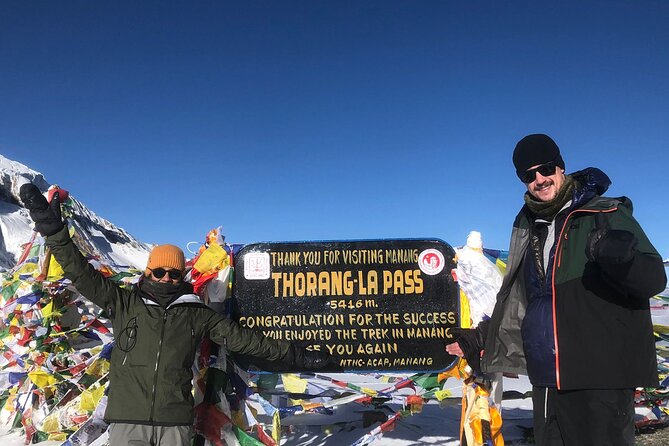
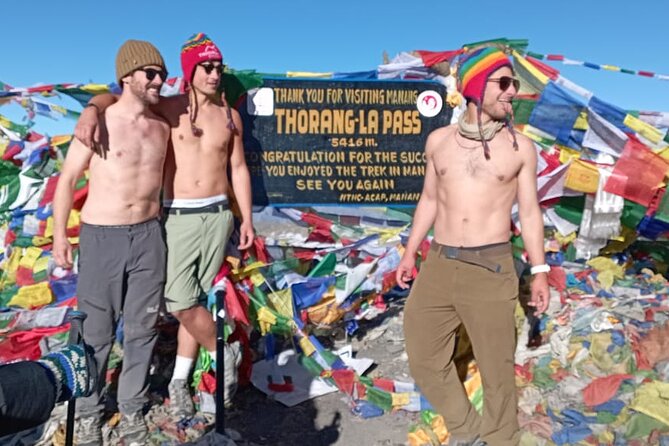
- Thorong La Pass at 5,416m: the headline moment, plus an all-important descent day
- Tilicho Lake stop: a memorable detour that adds variety beyond just pass-and-descent trekking
- Muktinath Temple: a spiritual stop after crossing into a different feeling of the region
- Tatopani hot springs: one of the best ways to reset tired legs
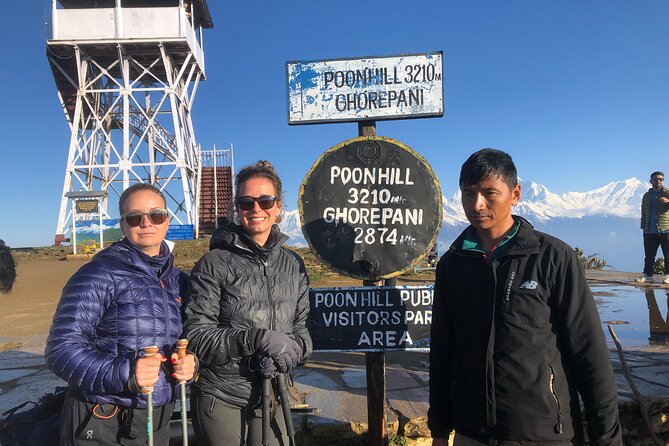
- Poon Hill and Ghorepani area views: sunrise-style mountain spotting across Annapurna and Dhaulagiri
- Guide and porter support with permits included: TIMS and ACAP paperwork handled, plus tea/coffee and meal choices on the trek
Annapurna Circuit Trek: why the route feels like a whole country
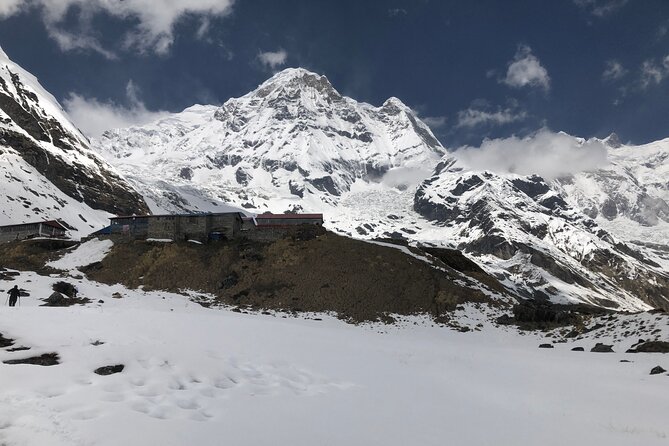
The Annapurna Circuit has a reputation for a reason. You’re not just hiking from point A to point B. You’re moving through climates and cultures that feel like different worlds, all tied together by one trail system and one changing set of views. In practical terms, that means every few days you’ll feel a different rhythm: vegetation shifts, settlement styles change, and the air gets thinner the higher you go.
Two moments anchor the experience for most people: the pass day and the view days. Thorong La Pass is the obvious peak on the calendar, but the trek also builds in chances to look at the big names—Annapurna massif country, Dhaulagiri territory, and surrounding ranges—without requiring you to stare at your phone or a map for hours.
You can also read our reviews of more tours and experiences in Kathmandu.



Kathmandu setup: permits, prep, and a very early start
Your trip begins in Kathmandu (around 1,350m) with arrival and then sightseeing plus trek preparation. This matters more than it sounds. Annapurna Circuit success often comes down to the boring stuff: getting your permits sorted, confirming your gear plan, and letting your body adjust to being awake and moving around a city before you head to the trail.
This operator includes TIMS cards and the ACAP permit in the cost, plus a government-registered guide and porter support. You’ll also have air-conditioned vehicle support included for the parts of the journey that are not trekking. If you’ve ever tried to piece together permits and transportation on your own, you’ll appreciate not having to solve that while you’re also thinking about high-altitude walking.
One more detail to plan around: the listed start time is 12:15 am. That usually translates into an early-day departure mindset. Even if your schedule shifts slightly in real life, assume you’ll start very early at least once, so set up your body clock and pack sleep-friendly.
From Kathmandu toward Jagat: the slow build that helps your legs
After the Kathmandu prep days, you travel to Jagat by local transport (about 9 hours) and then start hiking toward Danakyu/Dharapani at roughly 2,300m. This early section is where you feel the “trek legs” start to form. The point isn’t speed; it’s consistency. You want steady breathing and a pace that lets you keep water intake realistic.
From there, the walk climbs toward Chame (around 2,670m). Chame is a common step in the circuit rhythm because it’s high enough to matter but still reachable enough to keep you building endurance without burning out. Expect small village life, tea-house style stops, and that familiar Himalayan pattern of walking uphill, pausing often, and checking in with how your body feels.
The next jump is up toward Pisang (around 3,300m). When you feel the air change, it’s not subtle. You’ll likely notice your breathing working harder sooner than you expect, even if the hiking grade feels reasonable. This is the part where the guide’s job becomes more than route-finding: it’s keeping you from walking too fast because the view is pretty.
Pisang to Manang villages: where acclimatization becomes the real itinerary
You’ll go from Pisang up toward the upper Pisang area, and then continue toward Ghyaru and on to Manang village (around 3,540m). Manang is a big deal on this trek for one reason: it gives you time to adapt before you try the higher days.
Day 8 is a rest day in Manang, and that’s not “free time” in the usual sense. It’s built to help your body handle higher elevations later. On a circuit like this, acclimatization is not a suggestion. It’s the difference between enjoying the high country and spending the night regretting every fast step.
After Manang, you climb toward Ledar (around 4,200m) and then move on toward Thorong Phedi (around 4,450m). These are key “set up” altitudes. They help you feel the thinner air before the big push. You’ll still be walking with a purpose, but you’ll be doing it with more awareness: fewer long fast stretches, more frequent pauses, and a stronger focus on hydration and steady rhythm.
Thorong La Pass day at 5,416m: tough, long, and worth planning for
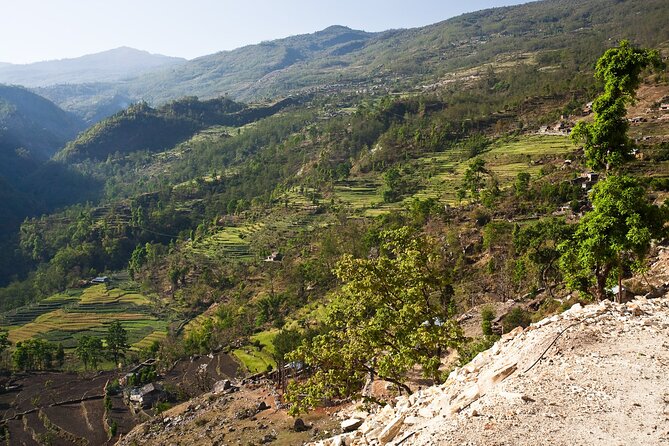
This is the day everyone talks about because it is the big one. The pass is listed at 5,416m, and the day length is long (about 8 hours). Then you descend toward Muktinath. That descending piece matters. Even if the climb is the headline, your knees and legs will feel the descent just as much.
What should you do to make it go better? Walk like you’re late for nothing. That means short steps, slow breathing, and no hero moves when you see people flying past you. You’ll also benefit from keeping your head on straight during the transition from higher thin air back into warmer valleys. Your body might feel different within a single day, and it’s easy to misjudge effort.
Muktinath is the spiritual counterbalance to a hard physical day. The trek notes Muktinath Temple as a key stop, and it’s a meaningful place to arrive after all that altitude work. Even if you’re not big on temples, it’s a good moment to regain calm, slow down, and take in the fact that you just crossed one of the Himalayan bottlenecks.




Tilicho Lake, Tatopani hot springs, and Marpha: variety on the way down
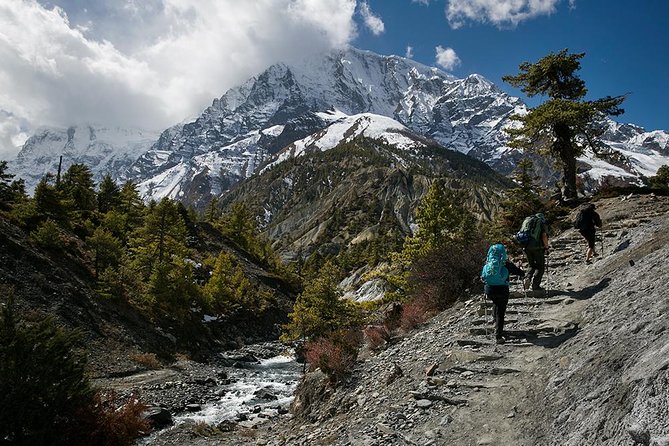
The circuit is often described as a scenic swing from lush lower country to colder high terrain, and you feel it in how the days change. In this version, there’s also a highlight stop: Tilichol (Tilicho) Lake. The included mention of Tilicho Lake signals that the trek includes a side highlight rather than staying strictly on the main pass corridor. For you, that means more visual variety and a different kind of reward—less about the pass ceiling, more about ice-and-high-water scenery.
After the pass and temple area, the trek continues down the Kali Gandaki Valley. This is where the vibe shifts from high-altitude fatigue to something more human-scale again: villages, small businesses, and long valley views. You’ll pass Marpha, described as a fascinating village with a religious community, slender cobbled roads, and apple plantations. That apple detail is one of those small things that can make the area feel real. It also signals a different climate than the higher zones.
Then comes Tatopani Hot Spring, a true recovery stop. Hot springs are one of the most practical “included” perks on trekking routes. After a hard day, soaking helps your legs feel less like they’re full of sand. It’s not magic, but it’s a smart move when you have more walking coming.
Poon Hill and Ghorepani: the mountain-view morning that makes early mornings worth it
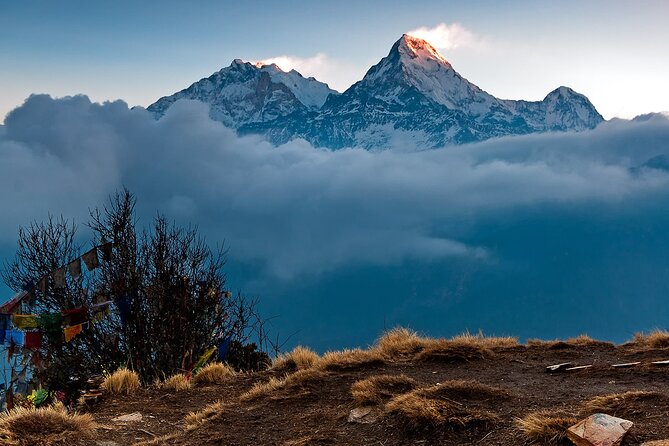
On this trek, Poon Hill is part of the payoff sequence, alongside Ghorepani and Gurunghe Hill. The overview notes that from Poon Hill you can see more than 20 mountains across the Annapurna and Dhaulagiri ranges. That’s exactly the kind of view you want after the hard work of getting high earlier in the trip.
Here’s how to think about it: Thorong La Pass is the physical challenge; Poon Hill is the visual celebration. If you’re the type who enjoys photography, this is the day you’ll likely over-plan your positioning and then forget you’re doing it because the view is so good. If you’re not into photos, you’ll still appreciate the way the sightlines open up and how the mountain names start to make sense.
Also, these view days are good for your mental state. After dealing with fatigue and altitude, it’s easier to keep going when you have something beautiful to look at soon.
Meals, hotels, and permits: where the $1,175 value really shows up
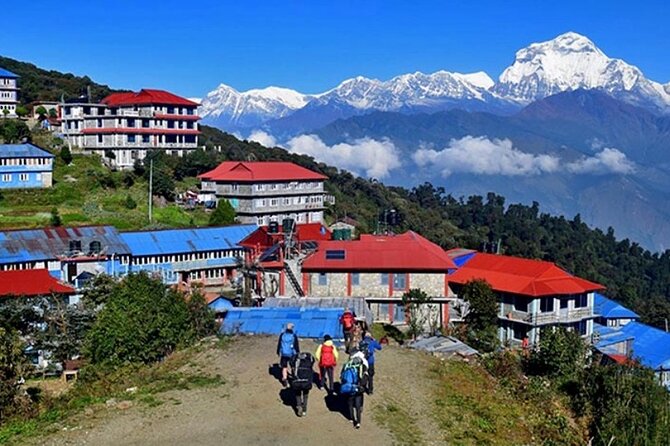
Price check: $1,175 per person for a trek that runs about 14 days. That number can feel high at first glance, especially if you’re comparing it to DIY trekking costs. But this package includes several items that usually add up fast.
What you get that reduces your headache:
- Coffee and/or tea with each meal, plus breakfast, lunch, and dinner during the trek (with choices from a menu at each place)
- Accommodation in Kathmandu and Pokhara on a B/B basis
- Accommodation in the mountains, with options for private/share and single/double rooms
- Air-conditioned vehicle for included transfers, plus tourist bus later from Pokhara to Kathmandu
- Guide and porter, including their salaries, equipment, food, lodging, and insurance
- First aid box and a farewell dinner
- All fees and taxes, and the paperwork (TIMS and ACAP)
The value is not just comfort. Meals and lodging planning matter a lot on a long trek because you’re not just paying money; you’re paying for less uncertainty. When food and beds are handled, you can focus on pacing, acclimatization, and enjoying the stops like Tatopani hot springs and the Muktinath temple area.
What’s not included is also important:
- No international airfare and no Nepal visa fee
- No travel insurance
- Meals in Kathmandu and Pokhara are not included
- Tipping and donations are not included
- Alcoholic drinks, soda/pop, and snacks are also not included
Pacing, fitness, and the altitude reality (5,416m is not a joke)
This trek is described as suitable for people with moderate physical fitness. That’s encouraging, but it still comes with altitude math. Thorong La Pass at 5,416m is high enough that even fit people need good acclimatization habits.
My practical advice: train for walking and stairs, but also practice slower pacing than you think you need. The mountains don’t care about your gym routine when the air thins. You’ll also want to treat rest and recovery as part of your schedule, not something optional.
The trip also runs in conditions where weather matters. The experience notes a weather requirement, and if it’s canceled due to poor weather, you’re offered a different date or a full refund. That’s a helpful safety net, but it also means you should be flexible on timing if your dates are fixed for other reasons.
Who this trek suits best, and who should rethink it
This is a strong fit if you want:
- A well-organized guided trek with permits handled
- Real high-altitude walking with a planned acclimatization structure
- A route that mixes spiritual stops (Muktinath), recovery (Tatopani hot springs), and big view days (Poon Hill)
It may be less ideal if:
- You dislike early starts (the schedule includes a 12:15 am meeting time)
- You’re not comfortable with significant altitude, especially on the pass day
- You want fully independent trekking with no guide/porter support (this is a guided setup)
One perk you might like: it’s listed as a private tour/activity, so it’s only your group. For some people, that’s worth paying for because it keeps pace and decisions smoother.
Should you book Annapurna Circuit with this operator?
If you’re aiming for a classic Annapurna Circuit experience with the major anchors—Thorong La Pass, Tilicho Lake, Muktinath, Tatopani, and Poon Hill views—this package looks like good value. The strongest reasons to book are the included permits, the guide/porter support with their logistics taken care of, and the built-in recovery and view moments that keep morale up.
I’d book it if you can handle a long day on the pass and you’ll take acclimatization seriously. I’d pause if you’re worried about very early starts or you have health limits that make high altitude tricky.
FAQ
What is the duration of the Annapurna Circuit trek?
The trek is listed as 14 days (approx.).
Where does the trek start and operate from?
The trip is based in Kathmandu, Nepal, with transfers into the trekking route and a later return toward Kathmandu.
What permits are included?
The package includes the TIMS card and the ACAP permit.
Are meals included during the trek?
Yes. The tour includes tea and/or coffee with each meal, plus breakfast, lunch, and dinner during the trek (with menu choices at each stop).
What about accommodation in Kathmandu and Pokhara?
You get hotel accommodation in Kathmandu and Pokhara on a B/B basis. Meals in Kathmandu and Pokhara are listed as not included.
Is a guide and porter included?
Yes. The tour includes a highly experienced government-registered guide and porter to carry luggage.
What is the highest altitude on the route?
The plan lists Thorong La Pass at 5,416m.
Is tipping included in the price?
No. Tipping and donations are not included.
Is there a cancellation option if weather is bad?
Yes. The experience notes that it requires good weather, and if it’s canceled due to poor weather, you’ll be offered a different date or a full refund. Free cancellation is available up to 24 hours in advance for a full refund.