REVIEW · KATHMANDU
Everest Base Camp Trek
Book on Viator →Operated by Nepal Hiking Team · Bookable on Viator
Everest feels huge, even before you start walking. This private guided Everest Base Camp trek is interesting because a real guide helps you move safely and at your own rhythm, and the logistics (permits, meals, flights, hotels, transport) are handled so you can focus on the trail. The only real drawback to plan for is that this trek is challenging, and the Lukla flight portion depends on weather.
I like that you’re not stuck matching someone else’s pace. You’ll do planned acclimatization days, and the itinerary builds around altitude (with higher days, then breathing room), not just nonstop hiking. One more practical point: the day starts very early (meeting at 2:15am), so you should be ready for an early wake-up without drama.
Another thing I’d weigh: the “hot shower” details look a little mixed. The included info says you get private bathrooms with hot shower at Phakding, Namche, and Lukla, but the exclusions also list hot shower as not included. Before you go, I’d confirm what’s guaranteed for your dates.
In This Review
- Key things to know before you go
- Kathmandu to Everest: what this private trek really feels like
- The 2:15am start and the Lukla flight via Ramechap
- Phakding to Namche Bazaar: settle in at 11,283 ft
- Day 04 acclimatization: Everest View Hotel at 12,995 ft
- Tengboche to Dingboche: keeping the climb organized
- Day 07 acclimatization: Nagarjun hill at the right time
- Lobuche to Gorakshep to Everest Base Camp (Day 08 and Day 09)
- Kala Patthar and the long descent legs (Day 10)
- Returning to Namche and back toward Lukla (Day 11 and Day 12)
- Day 13 flight back to Kathmandu and Day 14 departure
- Price and logistics: where the value really comes from
- Guides, pace control, and why private support matters
- Packing smarter: duffel, porter rules, and cold-weather basics
- Who should book this Everest Base Camp trek
- Should you book this Everest Base Camp trek?
- FAQ
- What time do we start on the first travel day?
- What is included in the trekking cost?
- Do I need travel insurance?
- What visa do I need for Nepal?
- Is a vegetarian diet available?
- What happens if weather ruins the plan?
- Can I rely on a porter for my gear?
Key things to know before you go
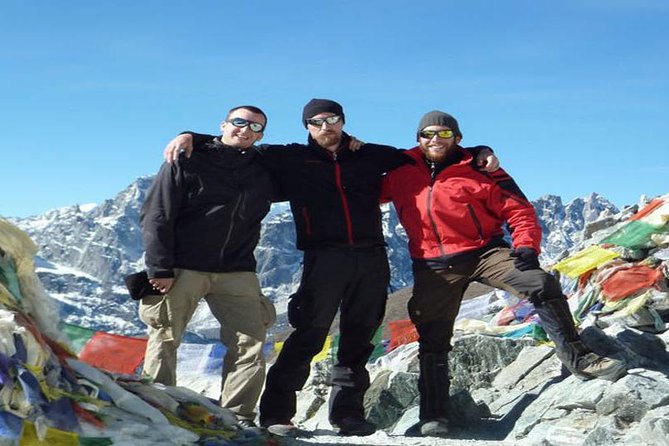
- Private guide support with English-speaking, certified leadership plus a porter ratio of 1 porter for every 2 trekkers (up to 25 kg).
- Flights to Lukla via Ramechap are part of the package, not something you have to scramble to arrange.
- Acclimatization is built in, including hikes on Day 04 and Day 07 before pushing higher.
- Lodge-to-lodge comfort with meals included, plus private bathroom access with hot showers at select stops.
- Strong trip support signals, with guide names like Ram and Shyam showing up repeatedly for attentive, organized care.
Kathmandu to Everest: what this private trek really feels like
If you picture Everest Base Camp as one long climb, this trek gently corrects that. Yes, you’ll gain a lot of altitude, but you’ll also get real breathing time—on purpose. That’s what makes it doable for active travelers who don’t want to gamble with pacing.
Day 01 is arrival in Kathmandu, followed by two nights in a 3-star hotel. This matters more than people think. You land, you sleep, you get your gear sorted, and you’re not trying to hike the next day with jet lag. You also get airport pickup and drop-off by car, so you’re not navigating traffic or trying to find the right address with a backpack full of plans.
If you’re traveling as a solo trekker, the operator style matters too. The planning communication around guides and arrangements has been described as responsive, which helps if you have questions about timing, packing, or how the trek works day to day. I’d still recommend you email ahead and confirm your guide details, especially for any special needs like vegetarian meals.
You can also read our reviews of more tours and experiences in Kathmandu.
The 2:15am start and the Lukla flight via Ramechap
This trek begins with an early alarm for a reason. On Day 02, you drive to Ramechap, then fly to Lukla, then hike to Phakding. The meeting point time is 2:15am, and that sets the tone: you’re trekking in a system that runs on mountain schedules, not relaxed city schedules.
The Lukla portion is included as a round-trip flight via Ramechap with transfers. That’s a big value point because these flights are not easy to coordinate last minute. The tradeoff is that the trek is weather-dependent, so if conditions are poor, your dates could shift.
Once you land in Lukla, you start moving right away: the first hike is about 8 km and roughly 3 hours to Phakding (at 8,699 ft). This is a “warm-up hike,” but warm-up is relative at altitude. I treat it like a forced gentle start: slow steps, short breath, steady hydration.
Phakding to Namche Bazaar: settle in at 11,283 ft
Day 03 climbs to Namche Bazaar (11,283 ft) over about 10 to 12 km in roughly 6 hours. This is one of those stages where pacing becomes your secret weapon. If you go too fast, altitude punishes you. If you go steady, you’ll feel more in control.
Namche is also where you start meeting the rhythm of the Everest corridor: lots of hikers moving through mountain towns, lodge rooms that feel plain but functional, and a routine of eating and sleeping with the next day in mind. Since meals are included (breakfast, lunch, dinner) with tea/coffee during the trek, you’re not constantly managing food logistics. That makes it easier to stay on schedule.
One practical note: you’ll get seasonal fruits during the trek. I always treat fruit as a morale boost and a real nutrition win when you’re eating high-energy food all day.
Day 04 acclimatization: Everest View Hotel at 12,995 ft
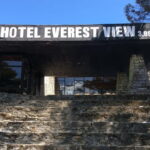
On Day 04 you slow down on purpose. It’s an acclimatization day with a hike to Everest View Hotel (12,995 ft), about 3 to 4 km total walking distance and 3 to 4 hours.
This is the first big reason I’d pick this specific style of trek: it’s not just “walk until you can’t.” You’re given a structured acclimatization stop before pushing higher. It’s also a reminder that the best goal isn’t just reaching high points; it’s learning how your body reacts and adjusting without panic.
If you’re nervous about altitude, do what the trek design suggests: keep your effort consistent. You’re not trying to win a race up a mountain. You’re training your breathing and teaching your body that rest is part of progress.
Tengboche to Dingboche: keeping the climb organized
Day 05 takes you to Tengboche (12,660 ft), about 10 to 11 km in roughly 5 hours. Then Day 06 goes to Dingboche (14,464 ft), about 11 to 12 km in roughly 5 hours.
These days reward controlled hiking. The distance looks “normal” on paper, but the altitude makes every step a little heavier. I’d plan to keep your pace calm even if you feel okay early. The trek has a way of saving payback for later if you start too eager.
Lodging is lodge-to-lodge with “best available” twin sharing, and the trek offers private bathrooms with hot shower at Phakding, Namche, and Lukla. At other stops, expect more basic lodge bathroom setups (the exact arrangement isn’t specified beyond those hot-shower points). Either way, you’ll want to keep your routine simple: dry socks, warm layers, sleep as soon as you can.
Day 07 acclimatization: Nagarjun hill at the right time
Day 07 is another acclimatization day. You hike Nagarjun hill and return, about 5 to 6 km in 4 to 5 hours.
This is where the itinerary makes a difference for fit travelers. If your body is going to protest, it usually protests during the push between these mid-altitude towns and the higher approach toward Base Camp. The schedule gives you a chance to settle in and recover before the higher days.
It also helps your hiking quality. When you arrive at Lobuche (Day 08) already adapted, you hike with better form and fewer surprises.
Lobuche to Gorakshep to Everest Base Camp (Day 08 and Day 09)
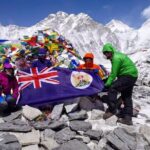
Day 08 goes to Lobuche (16,105 ft), about 11 to 12 km in roughly 5 hours. Day 09 is the heart of the trek: you go from Gorakshep to Everest Base Camp and back to Gorakshep, roughly 14 to 15 km and around 8 hours total, with Base Camp at 5,364 m / 17,594 ft.
This is the day I’d call “earn your memories.” You’ll feel the altitude more than on earlier days, and the walking time is long. I’d plan for slower steps, more frequent pauses, and a strong focus on nutrition before you start.
What I like about this included structure is that you’re not making decisions about logistics mid-hike. You’ll have accommodation and meals handled, permits handled, and you’re traveling with a guide so you’re not navigating route choices when conditions change.
When you finally reach Base Camp, the feeling is about more than photos. It’s relief, satisfaction, and a strange calm that comes from finishing a very long build-up.
Kala Patthar and the long descent legs (Day 10)
Day 10 is a two-part mountain day. You trek to Kala Patthar (the altitude listed is 11,283 ft) and then continue walking back to Pheriche (4,210 m / 13,810 ft). Total walking is about 13 to 14 km in roughly 7 hours.
This is not just a scenic detour. It’s a physically demanding day because you’re still in the high-altitude zone and now you’re mixing a higher-view push with a long walk downward.
I’d watch your energy here. People often feel motivated at the “top” moment, then run out of fuel on the way down. Keep your pace controlled, and don’t rely on motivation to power the last third of your legs.
Returning to Namche and back toward Lukla (Day 11 and Day 12)
Day 11 heads back to Namche (11,283 ft), with about 14 to 15 km and roughly 7 hours. Day 12 takes you to Lukla, about 18 to 19 km in about 7 hours.
These “reverse route” days can feel longer because you’re not just hiking forward—you’re hiking through earlier mental fatigue. But there’s also a bonus: you know the rhythm now. You’re less likely to go out too fast because you’ve already learned what your body can handle.
Also, because you’re on a private trek, your guide can better adjust pacing to your needs. I like that this isn’t positioned as a forced march.
Day 13 flight back to Kathmandu and Day 14 departure
On Day 13, you fly from Lukla to Ramechap, then drive back to Kathmandu. Day 14 is your departure.
This part matters for recovery. You’re not just finishing the toughest hiking part and immediately going into an unmanaged travel day. The trek design gives you a clear “finish line,” then transport home.
Price and logistics: where the value really comes from
At $1,790 per person for a 14-day private guided trek, the headline question is: what does that money buy besides the view?
Here’s the practical answer: it buys a lot of the expensive hassle and the time-consuming coordination. Included items cover airport pickup/drop-off, full board meals during the trek, lodge accommodations (with the hot-shower guarantee at specific stops), seasonal fruits, guides and porters, trekking permits, government taxes, and the Lukla round-trip flights via Ramechap with transfers. It also includes two nights in Kathmandu at a 3-star hotel and even a trekking map and trip achievement certificate.
What’s not included includes international airfare to Nepal, travel insurance, Nepal entry visa (USD 40 for 30 days on arrival), drinks and personal expenses, and personal trekking equipment. Tips for trekking staff and drivers aren’t included either.
If you’re comparing options, I’d think in terms of “how much planning burden do I want to carry?” If you want a smoother, guided experience with fewer moving parts, this package format is where the money starts to make sense.
Guides, pace control, and why private support matters
This style of trek is private, and that changes the feel of the trail. A group trek can mean waiting, matching someone else’s pace, and dealing with mixed fitness levels. A private guided trek can mean you set your tempo.
Guides and assistants are also part of safety. Your guide helps you avoid getting lost, and they can pace the climbs while watching altitude effort. The guide quality shows up in the way the team is described: attentive, organized, polite, and willing to help. Names that have appeared in past experiences include Ram, Shyam, Vishma, Ram Saran, and Ramkrishna.
If you care about communication before you go, the operator side has also been described as responsive, including support for solo female trekkers with fast email clarifications. That kind of reassurance can matter when you’re planning an unfamiliar trip in a remote region.
Packing smarter: duffel, porter rules, and cold-weather basics
The trek comes with guidance on gear, and I appreciate that it pushes you toward a lighter load. You’re told a porter is available for two people who carry up to 25 kg at maximum. That’s a huge comfort factor because the climb punishes heavy backpacks.
You’ll also be given a complimentary water and a windproof duffel/kit bag, plus instructions to keep an extra big duffel bag for non-trek items left at your Kathmandu hotel. Your daypack is roughly 20 to 22 liters, and the gear checklist includes essentials for cold and wind, like a sleeping bag rated to zero degrees F, a headlamp with spare batteries, gloves, sunglasses with UV protection, and layers for negative temperatures.
If you’re thinking you can’t source good gear at home, the guidance is reassuring: you can buy trekking equipment in Kathmandu, and quality is described as solid even if some items are locally made or imported.
Who should book this Everest Base Camp trek
This trek is best for active travelers who can handle a challenging itinerary and have a strong physical fitness level. You should also be comfortable with early starts and altitude-based fatigue.
If you want a structured plan with acclimatization days, meals included, and logistics handled, this package fits that mindset. The private nature is ideal if you dislike group pacing games.
If you’re easily discouraged by physical strain, or you want a low-effort vacation style, you might find this too demanding. The distances and hiking times are real, and the altitude makes everything feel harder.
Should you book this Everest Base Camp trek?
Book it if you want a guided, organized Everest Base Camp trek where key moving parts are handled for you. The value comes from flights to Lukla via Ramechap, permits, meals, lodge accommodation, and private pacing support, all while keeping acclimatization in the plan.
Think twice (and confirm a few details) if hot showers are a must-have for you, because the information is slightly inconsistent between included and not-included lists. Also be ready for weather uncertainty around Lukla flights.
If you’re physically prepared, this is a smart way to walk to Everest Base Camp without turning your trip into a logistics project.
FAQ
What time do we start on the first travel day?
You meet at 2:15am. The schedule then includes a drive to Ramechap and a flight onward to Lukla on Day 02.
What is included in the trekking cost?
The package includes airport pickup and drop-off by car, full board meals (breakfast, lunch, dinner) with tea/coffee during the trek, lodge accommodations, a guide and porter setup, round-trip Lukla flights via Ramechap with transfers, trekking permits and taxes, two nights in a 3-star Kathmandu hotel, plus a trekking map and a trip achievement certificate.
Do I need travel insurance?
Travel insurance is not included in the price.
What visa do I need for Nepal?
A Nepal entry visa can be obtained at the airport upon arrival for USD 40 for 30 days.
Is a vegetarian diet available?
Yes. A vegetarian option is available, and you should advise the provider at the time of booking.
What happens if weather ruins the plan?
This experience requires good weather. If it’s canceled due to poor weather, you’ll be offered a different date or a full refund. It can also be canceled if the minimum number of travelers isn’t met.
Can I rely on a porter for my gear?
You can. The porter arrangement is included, with a porter carrying up to 25 kg at maximum (noted as being for two trekkers).