REVIEW · KATHMANDU
Langtang Valley Trek from Kathmandu
Book on Viator →Operated by Namaste Nepal Trekking & Research Hub Pvt. Ltd. · Bookable on Viator
Langtang feels calmer than Nepal’s headline treks. This trek gives you Tamang heritage villages, quiet trails, and a big spiritual stop at Kyanjin Gompa, with mountain views that stretch toward Langtang Lirung, Ganesh Himal, and even Shishapangma in Tibet. It’s also built around a place still rebuilding after the 2015 earthquake, so the scenery comes with real people and real reasons to hope.
My favorite parts are the careful, human pace of the days and how much support you get from the English-speaking guide and the guesthouse network along the route. The one drawback to plan for is meal budgeting (not every meal is listed as included) and the fact that you’ll need moderate physical fitness to keep up with the daily walking and altitude changes.
In This Review
- Key things to know before you go
- Why Langtang Valley feels different from the Everest crowd
- Kathmandu pickup and the road to Syabrubesi (your first Himalayan day)
- The Lama Hotel walk: rhododendron forests, river noise, and bridges
- Entering Langtang Village: views of Langtang Lirung and rebuilding life
- Kyanjin Gompa: monastery atmosphere and the cheese factory stop
- Cherco Ri viewpoint day: early start, packed snacks, big climbing energy
- Back downhill to Lama Hotel: easier walking, narrower valley feeling
- Retracing to Syabrubesi, with the Sherpagaun option
- Return to Kathmandu: time to reset after the mountains
- Price and logistics: is $1,110 good value here?
- A solo-woman-friendly feel, plus guide and porter care
- How fit you need to be (and how to plan your gear)
- Should you book the Langtang Valley trek?
- FAQ
- How long is the Langtang Valley Trek from Kathmandu?
- What is the starting point and how do I get there?
- How much does the trip cost?
- What permits are included?
- What meals are included and what should I budget for?
- Will there be an English-speaking guide?
- Where do I sleep during the trek?
- Is this tour private?
- What is the cancellation policy?
Key things to know before you go

- Kyanjin Gompa is a core stop, not a quick photo break
- Langtang Village shows post-2015 recovery in plain sight
- Permits and TIMS card are handled, so you travel less “paperwork-first”
- Two major viewpoints are part of the plan: Kyanjin Ri or Tserko Ri, with Cherco Ri day built in
- Guesthouse stays keep you close to locals, not in isolated camps
- You’ll get an easy return day feeling the relief of descending and changing valleys
Why Langtang Valley feels different from the Everest crowd
If you’re tired of bottlenecks and crowded busier-trail vibes, Langtang has a different energy. You trade the loud, global trekking circuit for a valley that still feels like it belongs to the people who live there. The culture here is strongly tied to Tamang heritage, with Tibetan-influenced monasteries and traditions you’ll actually see in daily life, not just as a backdrop.
Another big reason I’d choose Langtang is the combination of mountain drama and a grounded story. The route passes through areas that are still rebuilding after the 2015 earthquake. That matters because it turns your photos into something more meaningful: you’re walking through livelihoods that people are working hard to restore.
And yes, the views are excellent. You’re in the orbit of Langtang Lirung and you can also catch wide panoramas toward Ganesh Himal and Shishapangma (in Tibet). If you like the classic “Himalaya payoff” feeling, you’ll find it here on the ridge and viewpoint days.
One more practical note: this is scheduled as an 8-day trekking trip with a mix of riding and walking. That makes it a good fit if you want a true trekking experience without needing to build a complicated logistics plan yourself.
You can also read our reviews of more tours and experiences in Kathmandu.



Kathmandu pickup and the road to Syabrubesi (your first Himalayan day)

You start from Kathmandu, with hotel pickup and drop-off included, plus round-trip transfer by sharing bus. The first real day is mostly travel—about 6 to 7 hours toward Syapru Besi / Syabrubesi—with breaks along the way.
Why does day one matter? Because it sets your body and your expectations. Nepal road travel takes a little mental adjusting, and those short stops help you avoid the classic mistake: arriving tired, then feeling clobbered by day two’s walking. Your route crosses the Tirshuli area, and it’s exactly the kind of journey that gives you early context for what comes later: green hills, river valleys, and the gradual feel of moving closer to the mountains.
If you’re the kind of traveler who likes to get oriented early, this “ride first” approach helps. You arrive at the trailhead side of things with less stress.
The Lama Hotel walk: rhododendron forests, river noise, and bridges

Day two brings you into the forest-and-river rhythm. You walk through subtropical woodland with rhododendron, oak, and bamboo, and the Langtang River keeps showing up as gushing sound and changing views.
You’ll likely notice three things on this stretch:
- Dense greenery that makes the air feel cooler under the trees
- Suspension bridges that break up the trail with short moments of focus
- A steady sense of forward movement without constant steep climbing
The walking time is around 6 hours, so it’s a “settle in” day rather than a suffering day. If you’re coming from Kathmandu and want your legs to warm up gently, this is a good plan.
Also, this is one of the better days for wildlife-spotting vibes. The route is described as having a chance to see langur, though you should treat that as a possibility, not a guarantee.
Practical advice: start slow. Forest trekking can trick you into walking faster than you intend because the grade feels less aggressive.
Entering Langtang Village: views of Langtang Lirung and rebuilding life

This is where the trek stops feeling like a nice trail and starts feeling like a journey through a specific place. Day three is where you begin the climb into the Langtang Valley Trek proper, with changing scenery along the way: stone houses, yak pastures, and the kind of Himalayan wide-open feeling that makes you pause even if you’re not taking photos.
You arrive at Langtang Village, described as a settlement recovering from the 2015 earthquake. That recovery theme is not a separate museum stop. It’s part of what you pass by each time you move through the village lanes and tea-house areas.
What you should take from this: this isn’t just a scenery itinerary. It’s a route that puts you near the community story—people rebuilding homes, businesses, and trails. If you care about travel that feels connected rather than extractive, Langtang is a strong choice.
Time-wise, day three is about 6 hours. It’s long enough to feel like a proper trek day, but not so intense that it overwhelms you before the bigger monastery and viewpoint days.
Kyanjin Gompa: monastery atmosphere and the cheese factory stop

Day four shifts to a more spiritual and cultural pace. You go from your lodge/hotel area to Kyanjin Gumba / Kyanjin Gompa, with a highlight list that includes panoramic mountain views and ancient monasteries.
The day is also described as having the famous Kyanjin Cheese Factory as part of the experience. That detail is useful because it hints at how local life works here: the mountains aren’t only for views. They shape food systems, trade, and daily routines.
This is also a “not too big of a day” on paper—about 5 hours walking—so you get time to adjust and actually soak in the monastery atmosphere. Monastery stops can be quick in some trekking programs. Here, it’s a main event.
If you want a practical tip for viewpoint days later: don’t cram Kyanjin Gompa with nonstop exploring. Take a moment to rest your legs, fill your water, and let the altitude and weather shift settle. You’ll appreciate the slow-down later.




Cherco Ri viewpoint day: early start, packed snacks, big climbing energy

Day five is your most clearly framed “effort for the view” day. You’ll start early, with packed snacks, and you head toward Cherco Ri.
The description includes a key moment early on: crossing a small wooden bridge over the Langtang River before the climb. That’s a good signpost for pacing—bridges often mark the start of a more focused uphill.
You’re looking for sweeping Himalaya views from a ridge position, and the route language emphasizes climbing after the bridge. Even without turning this into a technical climb, ridge terrain can feel more demanding because your breathing rhythm changes.
Expect around 6 hours for the day. That’s long enough to matter, so plan to keep your energy steady:
- Keep your pace controlled on the uphill
- Take short stops instead of long stops
- Treat the early start as a gift, not a punishment—clearer views often come with earlier hours
After a day like this, the next step being an easier downhill/down-valley walk is exactly what you want.
Back downhill to Lama Hotel: easier walking, narrower valley feeling

Day six is described as a more relaxing day. You trek back toward Lama Hotel, and the experience is framed as an easy downhill walk because the altitude is lowering.
This part is important for two reasons:
- It lets your body recover without fully stopping your momentum
- The valley gets narrower, so your sense of “place” can get stronger even while the effort eases
You’ll walk about 6 hours. Don’t confuse easier with effortless. Downhill days still burn your knees and ankles if you push too fast, so keep your steps short and controlled.
If you want a small strategy: use trekking poles if you have them. Even if you’re not a pole person at home, they can make downhill feel much safer and less tiring.
Retracing to Syabrubesi, with the Sherpagaun option

On day seven, you basically retrace your steps back to Syabrubesi. The trek is said to be easier because it’s mostly descending, which is exactly the kind of end-of-trek relief you want after the viewpoint day effort.
What makes this day a little more interesting is the optional route: you can trek via Sherpagaun for a more scenic variation. That’s a useful option if you like variety and you’re feeling good enough to take the extra interest route.
Time on this day is about 7 hours. Even when it’s easier, plan for a steady finish—your legs will still be doing work, just without the same upward strain.
Return to Kathmandu: time to reset after the mountains
Day eight brings you back to Kathmandu. You start in the morning and travel about 6 hours, crossing green hills, forests, riverside views, and countryside.
Once you arrive, the plan includes a transfer to your selected hotel. This is the moment to stop thinking like a trekker and start thinking like a traveler. Eat something comforting, drink water slowly, and give your feet time to calm down.
If you’re booking this as a standalone trek, day eight is the buffer that keeps the experience from feeling like a nonstop 8-day endurance event.
Price and logistics: is $1,110 good value here?
At $1,110 per person for an 8-day trek, the real question is what you’re buying besides the walking.
Here’s what’s clearly included:
- Hotel pickup and drop-off
- Round-trip transfer by sharing bus
- Trekking permit and TIMS card
- English-speaking experienced trekking guide
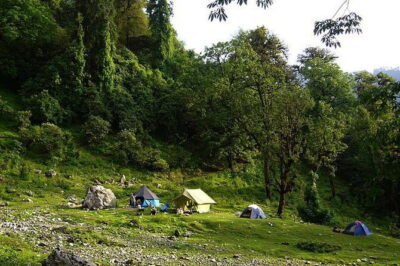
- Guesthouse accommodation during the trek
- First aid box (with the guide)
- Meals listed as included: breakfast (7), lunch (8), dinner (8)
- A guide-led structure that keeps the trip organized
What’s not included:
- All other meals (the note says approx. $25 per day)
- Gratitude for the team (optional)
So, is it a fair deal? For many travelers, yes—mainly because permits, guide support, and guesthouse stays are already built in. You’re not trying to sort these yourself in Nepal while also managing altitude, weather, and daily timing.
The main cost consideration isn’t the trek fee. It’s meal budgeting for days where meals aren’t fully covered (especially around travel moments) and optional tips. If you’re traveling with a tight budget, set aside the meal allowance and keep some cash for flexibility.
Also note: confirmation is received at the time of booking, and you have free cancellation. Those two things reduce stress when your schedule is still a little fluid.
A solo-woman-friendly feel, plus guide and porter care
One of the most repeated strengths in the trip feedback is safety and calm support, especially for women traveling alone. The experience description emphasizes that people feel safe and relaxed with the team, and that guides and porters take good care of you.
Even if you don’t travel solo, this matters. A capable guide changes the whole trekking experience: you get clear pacing, practical help, and less guessing about trail decisions, timing, and what to expect next.
The trip is also described as having a reliable, experienced guide and a porter who’s treated as part of the caring support system. That usually means you spend more mental energy enjoying the mountains and less worrying about small logistics.
And because this is described as private (only your group participates), you’re not mixed into random strangers for the sake of filling seats. That can make the day-to-day vibe feel more relaxed and consistent.
How fit you need to be (and how to plan your gear)
The trip is listed as requiring moderate physical fitness. That’s the right wording for Langtang. You’re doing multiple days of walking with hours in the 5–7 range, plus some uphill sections on key days like Kyanjin Ri/Tserko Ri style viewpoints and Cherco Ri.
What “moderate” should mean to you in practice:
- You can hike for 4–6 hours without needing to stop every few minutes
- You’re comfortable with gradual uphill climbs and some steep moments
- You’re okay with tired legs on downhill days
Gear-wise, the data doesn’t list specifics, but the route itself gives you clues. You’ll be outdoors for long stretches, crossing rivers, and moving between different elevations and weather conditions. Plan for layers, good footwear, and sun protection. Also plan for small comfort items for guesthouse nights—after a viewpoint day, you’ll care about the little things.
Hydration and snacks are also practical on viewpoint mornings. The Cherco Ri day specifically mentions packed snacks, which is a good sign the schedule respects the fact that you’ll need energy before climbing.
If you’re prone to altitude issues, talk with your doctor before you go. The route description notes that the return down feels easier partly because of altitude lowering, but that doesn’t eliminate the need for personal caution.
Should you book the Langtang Valley trek?
Book this trek if:
- You want Tamang culture and monastery life with real community context
- You like calmer trails compared to the more crowded Everest/Annapurna circuits
- You want strong guided support, including permits, an English-speaking guide, and guesthouses
- You’re excited about viewpoint days like Cherco Ri, plus optional ridge hikes such as Kyanjin Ri or Tserko Ri
Skip it or switch to a gentler plan if:
- You know you struggle with multi-day hiking and don’t have a base level of walking fitness
- You’re working with a very tight food budget once you add the meals not listed as included
- You want a trip that is mostly flat walking (this route includes climbs and ridges)
If you like travel that combines mountain views with cultural stops and a human recovery story, Langtang has a lot going for it. And if you value feeling supported—especially if you’re traveling alone—you’ll likely appreciate how this trip is set up.
FAQ
How long is the Langtang Valley Trek from Kathmandu?
The trek runs about 8 days.
What is the starting point and how do I get there?
You begin from Kathmandu with hotel pickup. Then you transfer by sharing bus toward Syapru Besi / Syabrubesi.
How much does the trip cost?
The price is $1,110.00 per person.
What permits are included?
The tour includes a trekking permit and a TIMS card.
What meals are included and what should I budget for?
Lunch (8), dinner (8), and breakfast (7) are listed as included. The note also says to budget for additional meals (about $25 per day), plus optional gratitude.
Will there be an English-speaking guide?
Yes. The trip includes an English-speaking experienced trekking guide and a first aid box with the guide.
Where do I sleep during the trek?
Accommodation is provided in guest houses during the trek.
Is this tour private?
Yes. It’s described as private, with only your group participating.
What is the cancellation policy?
You can cancel for free up to 24 hours in advance for a full refund. If you cancel less than 24 hours before the start time, it may not be refunded.