REVIEW · RISHIKESH
Kuari Pass Trek- 8 Days
Book on Viator →Operated by Red Chilli Adventure · Bookable on Viator
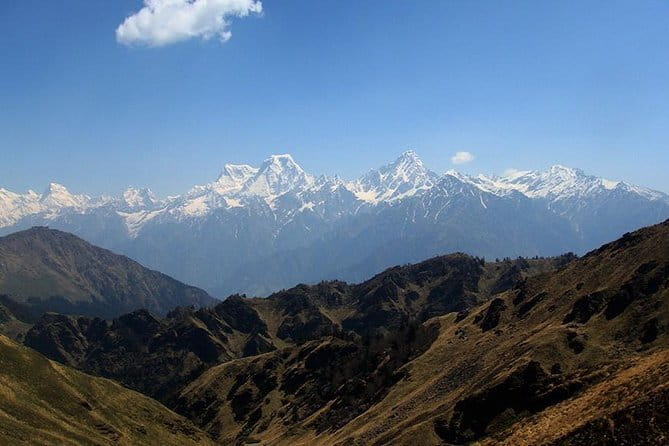
Kauri Pass is the kind of trek you remember forever. It strings together Himalayan views and everyday village trail time, then pushes up to Kauri Khal (about 3,800m) for a cold, clear-morning panorama. On a good day, you can spot big names like Nanda Devi, Dunagiri, and Kamet in the wider range.
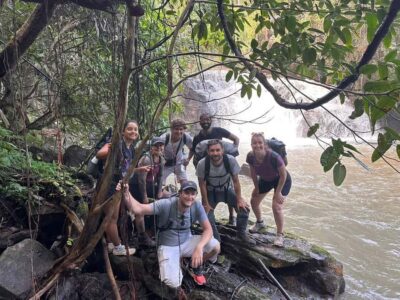
I especially like the way this trek balances scenery with real life on the trail. You get Himalayan + village life in the same journey, not just a walk past rocks. And the trip support seems genuinely organized: guides such as Tenzin and Kiran come up in people’s experiences, plus a chef-led camp setup that keeps energy steady when days run long.
One drawback to plan around: the route and the payoff depend on conditions. This experience needs good weather, and if clouds roll in, the pass views can turn ordinary and the operator may adjust dates.
In This Review
- Key things that make the Kuari Pass Trek special
- The view-first reason people keep returning to Kuari Pass
- Day 1: Rishikesh to Ghat, then up to Chefna for an easy landing
- Day 2: Chefna to Ghuni—shorter trekking time, still lots of payoff
- Days 3–4: Semkherk Meadow and Kaliaghat—where the trail feels more open
- Day 5: Dhakauni via Sartoli—expect the longest day rhythm
- Day 6: Crossing Kauri Pass at Kauri Khal (~3,800m) to Tali
- Day 7: Dakbend or Auli (around 2,500m) and the drive to Joshimath
- Day 8: Joshimath back to Rishikesh—rest without rushing
- Price and value: what about $2,000 per person actually covers
- The reality check: fitness, altitude, and cold mornings
- How the Red Chilli Adventure team changes the feel of the trek
- Who should book this trek, and who might pass
- Booking smart: a few details to lock in before you go
- Should you book the Kuari Pass Trek with Red Chilli Adventure?
- FAQ
- What is the duration of the Kuari Pass Trek?
- Where does the trek start and what time does it begin?
- What is the highest point on the route?
- How physically demanding is the trek?
- Is the trek private or shared?
- What happens if the weather is bad?
- Is there a cancellation deadline?
- Is there a minimum number of travelers?
Key things that make the Kuari Pass Trek special
- Kauri Khal altitude (~3,800m): a high point that’s famous for big sightlines
- 360°-style mountain views on clear days: including Nanda Devi, Dunagiri, Kamet, and more
- Village + wilderness balance: you’re not stuck in one kind of scenery
- Long but manageable days: mixed trekking hours, from 3–4 hours up to 8–9 hours
- Strong team support: guides like Tenzin and Kiran show up repeatedly in feedback, with attention to food and safety
The view-first reason people keep returning to Kuari Pass
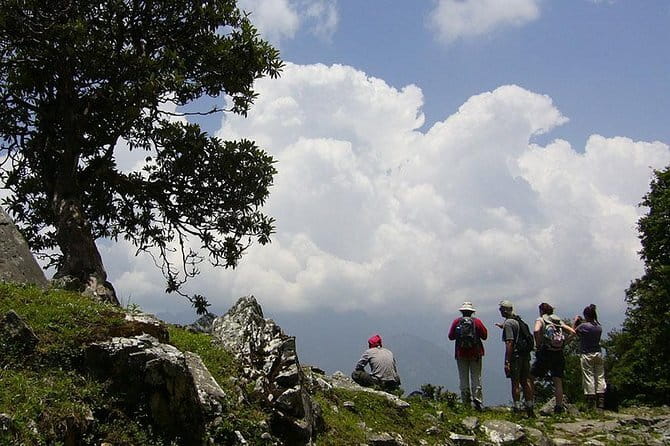
Kuari Pass sits in Uttarakhand’s classic trekking zone for a reason: the scenery hits hard when the sky cooperates. The pass region is known for a major viewpoint feel, the kind where the morning chill and still air make distant peaks look sharp and close. If you’ve ever wondered what “Himalaya scale” looks like in real life, this is one of the clearer ways to get it.
What makes this trek more than just a summit-style mission is the variety. You’re moving through pristine wilderness and also seeing Himalayan life and village life along the way. That mix matters. It keeps the trek from becoming repetitive, and it gives you context for what you’re walking through, not just where you ended up.
And on clear days, the range view gets specific—people mention seeing Nanda Devi (around 7,816m), plus Dunagiri (around 7,066m) and Kamet (around 7,756m). That’s rare: many treks in the region are stunning, but not always easy to name what you’re actually looking at. Here, the big peaks are part of the expectation.
You can also read our reviews of more tours and experiences in Rishikesh.
Day 1: Rishikesh to Ghat, then up to Chefna for an easy landing
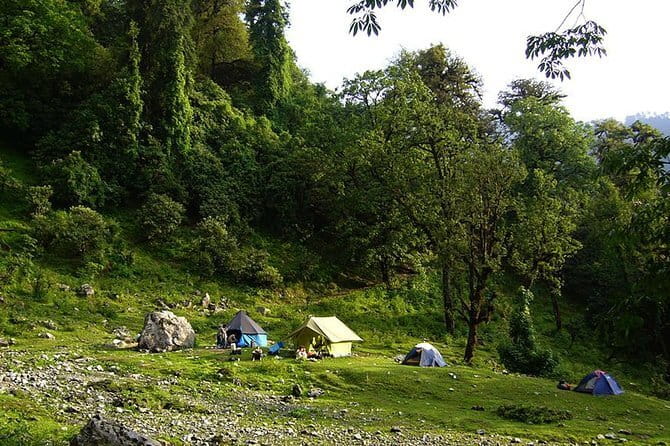
You start in Rishikesh with an 8:00am meeting time at Red Chilli Adventure on Laxman Jhula Rd, Tapovan. From there, expect a long drive day. The plan is an early push to Ghat (around 2,000m), then onward to Chefna, where the trek proper begins.
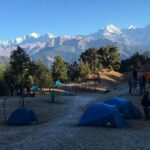
I like this kind of start because it lowers the stress level. You’re not jumping into steep climbing the minute you arrive. You get a proper camp dinner and then you sleep in tents. That’s useful on day one because the next days are where your pace and breathing habits settle in.
The main consideration here is time on the road. The trek structure includes driving, and day one can be a 9–10 hour travel day. If you dislike long transfers, pack snacks and keep your hydration simple and steady so you’re ready when you start walking.
Day 2: Chefna to Ghuni—shorter trekking time, still lots of payoff
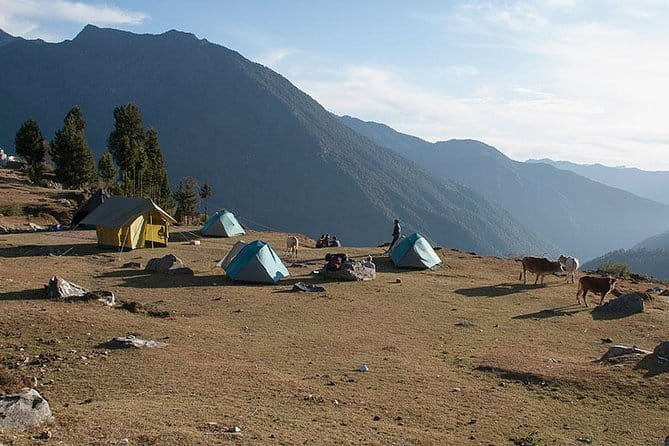
Day two takes you from Chefna to Ghuni (about 2,550m). The walking day is listed at roughly 3–4 hours, which is a friendly rhythm after the drive. This is a good day to learn the loop of the trek: slow uphill effort, short breaks, and staying warm even when you’re not climbing hard.
I think the value of a shorter day is psychological. You get enough movement to feel like you’re trekking without draining yourself before the longer days arrive. You also get a chance to notice how conditions change as you gain altitude.
One practical tip: treat this day like a warm-up, not a sightseeing walk. You’ll enjoy the next stages more if you keep your effort controlled early.
Days 3–4: Semkherk Meadow and Kaliaghat—where the trail feels more open
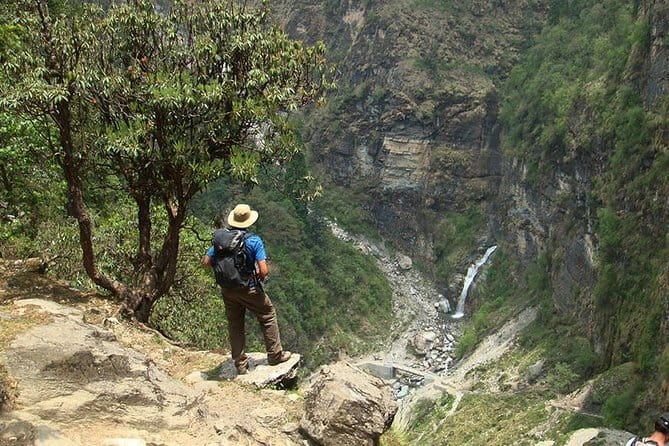
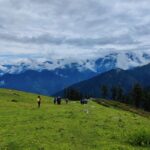
Day three is the move to Semkherk Meadow (about 2,600m), with around 5–6 hours of trekking. Meadows like this often feel like a breather zone—more open views, less wall-like terrain, and usually a different kind of wind exposure. It’s a day where you’ll likely feel the altitude a bit more, even if the effort is moderate.
Then day four continues to Kaliaghat (around 2,700m) in about 6 hours. This stretch keeps building. You go from meadow-like expanses back into a trail feeling where the path and the surrounding terrain guide your attention.
What I like about this middle section is how it balances exertion with interest. You’re not locked into one “type” of landscape. The trek keeps switching between village-life edges and more remote scenery.
If you run cold easily, this is a good phase to be proactive. Don’t wait until you’re shivering to fix it—eat, hydrate, and adjust layers before you feel miserable.
Day 5: Dhakauni via Sartoli—expect the longest day rhythm
Day five is a big one: to Dhakauni (about 3,400m) via Sartoli (around 3,000m), listed around 8–9 hours. This is where your pacing skills matter. Even if the route is described as “moderate,” a long day changes the whole game. At higher altitude, every extra hour takes more from you, even on steady terrain.
I like that this trek doesn’t pretend to be easy. It builds gradually, then gives you a clearly stated heavy day. If you’re the kind of walker who powers through, remember: the goal is to arrive feeling strong on day six, not just arrive at Dhakauni.
Practical mindset: keep your breathing calm, take small breaks, and avoid the urge to race. Your legs will get tired either way. Your lungs and your energy will decide whether day six feels exciting or stressful.
Day 6: Crossing Kauri Pass at Kauri Khal (~3,800m) to Tali
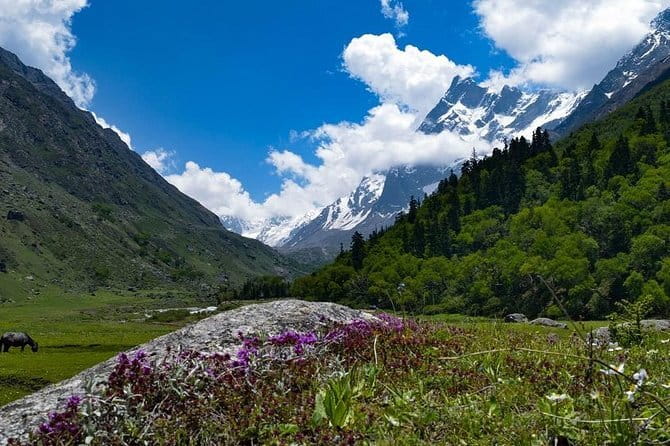
Day six is the moment people talk about. The trek crosses Kauri Pass (Kauri Khal around 3,800m) and then heads to Tali, with about 5–6 hours total.
This is where you feel why the pass is famous. You’re at a point where visibility can be spectacular, and multiple peaks are often in the frame when conditions are right. One review describes the 360° view during the Kuari Pass trek, with Nanda Devi and many more peaks visible. The sense you’re getting isn’t just “a mountain view.” It’s a full-circle mountain presence.
There’s also a comfort-with-cold factor. Higher altitudes mean colder air, and the top can feel sharp and unforgiving, especially early. Dress accordingly, and don’t treat it like a mild hike.
Also, a balancing note: one review talks about the possibility of reaching a summit above 4,800m. Your provided route details focus on Kauri Pass at 3,800m, so think of any higher options as itinerary-dependent. Either way, you’ll be walking in high-country conditions, and that’s the main point.
Day 7: Dakbend or Auli (around 2,500m) and the drive to Joshimath
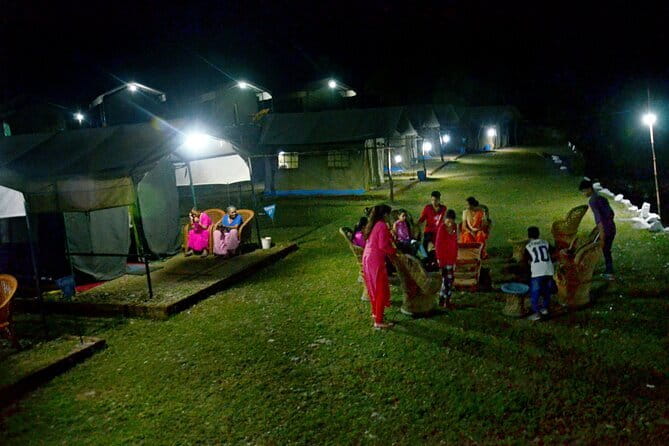
On day seven, the plan is to trek to Dakbend or Auli (about 2,500m), around 2500m, then drive to Joshimath. The day is listed as a drive day after trekking.
I like this setup because it gives you a rhythm shift. You come down from the highest pass area, and then you switch from trail time to vehicle time. After a high point day, that change can feel like a gift.
From a logistics standpoint, Joshimath is a useful checkpoint. It helps break up the long return travel, and it sets you up for the final day back to Rishikesh.
Day 8: Joshimath back to Rishikesh—rest without rushing
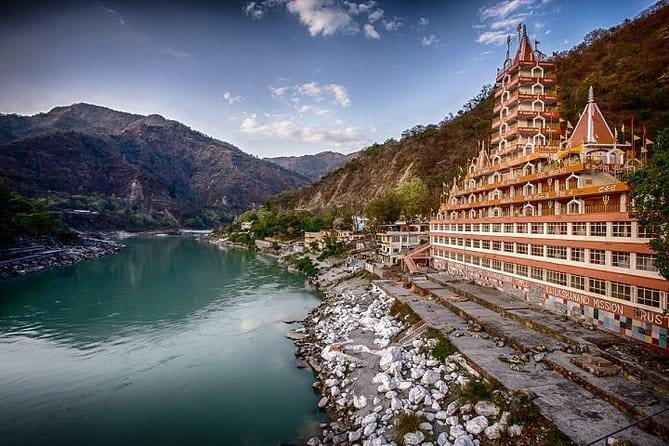
Day eight is the 9–10 hour drive back to Rishikesh after breakfast. Lunch is on the way, and the trip ends upon arrival back at the meeting point.
This is your buffer day. You won’t have to “win the trail” now; you’ll be recovering and regrouping. If you want a simple way to close the loop, I’d plan a slow evening once you’re back—food, warm shower, and a long look at photos while your legs decide whether they’re still yours.
Price and value: what about $2,000 per person actually covers
At about $2,000 per person, this trek isn’t a budget stroll. But it fits the category of a guided, multi-day Himalayan experience with real support.
Here’s what the value seems to come from based on the trip profile:
- A staffed guiding setup: people cite guides like Tenzin and Kiran as knowledgeable and helpful.
- Camp food attention: feedback highlights that meals are a real part of the experience, not an afterthought.
- Safety + planning: several experiences describe the trek as professionally run, with strong communication and equipment support.
- Group discounts and a mobile ticket: small perks, but they reduce friction.
Private tour style matters too: it’s listed as a private tour/activity where only your group participates. That can mean a calmer pacing and less crowd pressure than you might find with large join-in trekking groups.
The consideration is simple: this is not just “walk for a week.” It’s a supported trek with time, logistics, and team labor built in. If you’re looking to self-navigate and DIY everything, this price won’t make sense. If you want structure and real human help, it becomes easier to justify.
The reality check: fitness, altitude, and cold mornings
The trek is described as moderate, with a note that you should have moderate physical fitness. That’s honest, but it still means you should train a bit before you go. The longest listed walking day is 8–9 hours, and you also have several 5–6 hour days.
Altitude-wise, you climb up to Kauri Khal around 3,800m, plus you’re spending time at higher points like Dhakauni (about 3,400m). Even if the route is well paced, you should expect thinner air and occasional breath-catching.
Cold is part of the deal. One classic description of the pass mentions reaching the top by 7:00am on a clear, cold morning. You don’t need to be obsessed with mountaineering to handle it, but you should plan for early starts and chilly air.
My best advice: don’t try to “tough it out.” Eat regularly, keep warm between walking sections, and let the guide set the pacing.
How the Red Chilli Adventure team changes the feel of the trek
One of the strongest signals from feedback is that the organization behind the trek is taken seriously. Names like Vipin (linked with the owner/lead) show up alongside specific praise for guides, planning, food, and communication.
The practical takeaway: when trekking gets harder (which it will), you want a team that handles details before they become problems. That’s where good communication and a prepared camp setup matter. People also highlight supportive guiding that helps keep you comfortable from early on.
If you’re nervous about a first Himalayan trek, this matters more than you might think. You’ll still work, but you’re less likely to feel lost about what’s coming next.
Who should book this trek, and who might pass
This trek fits best if you:
- Want big mountain views tied to a famous pass
- Like the blend of village life and wilderness rather than only scenic ridgelines
- Can handle 8 days of travel + trekking, including one long day around 8–9 hours
- Prefer a structured group trek with private-group participation
You might rethink it if:
- You hate cold mornings and early starts
- You’re not comfortable with altitude and longer walking days
- You’re hoping for zero-weather sensitivity. This experience explicitly requires good weather.
Booking smart: a few details to lock in before you go
A couple of practical items to note:
- Meeting point and start time are set at Red Chilli Adventure, Laxman Jhula Rd (Tapovan), 8:00am.
- Confirmation happens at booking time.
- The meeting point is listed as near public transportation, which can make the first day easier.
- You’ll be issued a mobile ticket, so keep your phone charged and protected.
If you’re deciding between dates, choose with flexibility. Weather can affect whether you get the best visibility at the pass.
Should you book the Kuari Pass Trek with Red Chilli Adventure?
If you want a Himalayan trek that mixes real trail life with a pass viewpoint that can be truly dramatic, I’d say this is a strong option. The itinerary gives you a clear build-up: short days to settle in, a longer effort day to test you, then the pass day that turns the trip into something memorable.
Just be honest about two things: your fitness and the weather window. When those line up, the trek delivers a classic Uttarakhand experience with high payoff.
FAQ
What is the duration of the Kuari Pass Trek?
The trek runs for about 8 days (approx.).
Where does the trek start and what time does it begin?
The start meeting point is Red Chilli Adventure, Laxman Jhula Rd, Tapovan, Rishikesh, and the start time is 8:00am.
What is the highest point on the route?
The itinerary includes crossing Kauri Pass at Kauri Khal (about 3,800m).
How physically demanding is the trek?
You should have moderate physical fitness. Some trekking days are shorter (around 3–4 hours), while others run 8–9 hours.
Is the trek private or shared?
It is listed as a private tour/activity, with only your group participating.
What happens if the weather is bad?
This experience requires good weather. If it’s canceled due to poor weather, you’ll be offered a different date or a full refund.
Is there a cancellation deadline?
Yes. You can cancel up to 24 hours in advance of the experience for a full refund. Canceling less than 24 hours before means no refund.
Is there a minimum number of travelers?
Yes. If the minimum number of travelers isn’t met, the experience may be canceled, and you’ll be offered a different date/experience or a full refund.