REVIEW · RISHIKESH
Kedarkantha Trek (Dehradun to Dehradun)
Book on Viator →Operated by Kaushik's Cafe & Trek · Bookable on Viator
Snowy mornings feel close enough to touch. This Kedarkantha trek runs from Dehradun to Sankri and back, with a guide, meals in the package, and that early-morning summit push for views you remember. I also love the mix of camping and real downtime, since you get two tent nights plus two homestay nights instead of living in a sleeping bag the whole time.
One thing to plan for: some key trek gear may cost extra if the group is smaller than 6 people. It’s fixable, but it’s the kind of detail that can surprise you if you expected everything to be fully included.
In This Review
- 6 reasons Kedarkantha feels worth the effort
- Dehradun to Sankri: the long drive that sets your rhythm
- Day 2 in Govind Pashu Vihar National Park: start easy, get moving
- Day 3 to Talkahata Base Camp: the calm before summit day
- Kedarkantha sunrise summit: why the timing is the whole point
- Sankri homestay nights and the return to Dehradun
- Food and first-aid support: the practical stuff that keeps you comfortable
- Price and value: where the money really goes
- Gear and fitness: what to check before you commit
- Is this your first snowy-style trek? It can be, if you like support
- Who should book this Kedarkantha version of the trek
- Should you book the Kedarkantha Trek (Dehradun to Dehradun)?
- FAQ
- How long is the Kedarkantha trek?
- Where does the trek start and end?
- Are transfers from Dehradun included?
- Do I get a guide?
- What kind of lodging is included?
- Are meals included?
- Do I need to bring trekking gear?
- What fitness level is required?
- What time does the trek start each day?
- What happens if weather is poor?
- If the minimum number of travelers isn’t met, will I still get a refund?
6 reasons Kedarkantha feels worth the effort

- Guided support from people who know the route: You’ll hike with a team that’s patient on the steps, including guides like Munraj bhaiya and Surendra bhaiya.
- Sunrise summit timing: The trek starts early so you can reach the top for sunrise and a focused photo window.
- Tent nights plus homestay nights: You get the mountain feel in tents, then recover in a homestay so you’re not wrecked for the return.
- Meals are actually included: Breakfasts, lunches, dinners, plus snacks are covered.
- National-park and base-camp segments: Day 2 takes you through Govind Pashu Vihar National Park & Sanctuary areas.
- Small-group cap (25 max): You’re not lost in a crowd; it’s easier to move and ask questions.
Dehradun to Sankri: the long drive that sets your rhythm

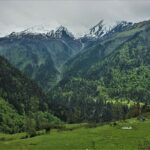
You meet at Prince Chowk in Dehradun, and the morning start window runs from 6:00 AM to 8:30 AM. Day 1 is mostly about getting you to Sankri—about 200 kilometers—through hilly country with mountain and river views, plus plenty of pine forest along the way. It’s also where you build your group vibe fast, because you’ll spend a chunk of the day together.
You’ll have scheduled halt points for food breaks, including local options like chicken bhaat and fish bhaat. That matters because the next days are more work than many people expect, even if you’re an active hiker. You’ll want your energy topped up before the first proper trekking stretch.
Also, this includes round-trip transfers from Dehradun, so you don’t have to coordinate separate transport. Do keep in mind: private transportation isn’t included, so this plan works best if you’re happy with the shared pickup/drop.
You can also read our reviews of more tours and experiences in Rishikesh.
Day 2 in Govind Pashu Vihar National Park: start easy, get moving
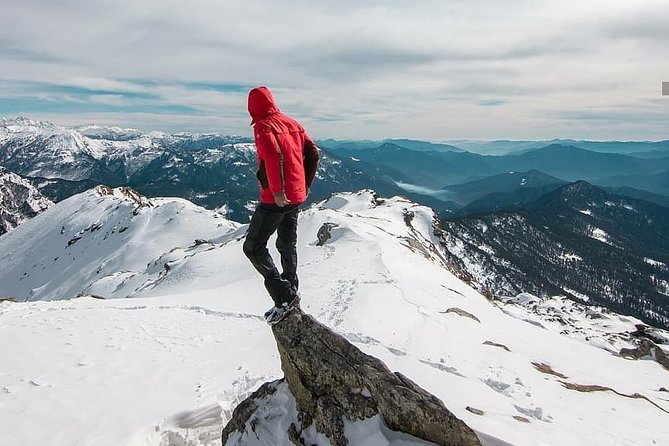
Day 2 is your first real hiking day. You trek about 4 kilometers to the first base camp area at Juda ka Talab (JKT), with an estimated 3 to 4 hours on the trail. The pace is intentionally approachable so you can settle into altitude and cold conditions without sprinting out of the gate.
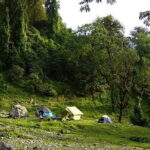
When you arrive, you retire to your tents and get your bags sorted. One practical note: don’t treat arrival like a nap stage. The plan specifically advises you not to sleep immediately on arrival, which tells you they want you to adjust before you call it a day.
You’ll also be trekking within Govind Pashu Vihar National Park & Sanctuary, which gives the experience a more protected, nature-forward feel than a purely open hillside walk. Even on a shorter segment, it’s the kind of day where you notice birds, pine-scented air, and the way the light changes as clouds move.
Day 3 to Talkahata Base Camp: the calm before summit day
Day 3 is about getting to Kedarkantha Base Camp at Talkahata. The trek is shorter than day 2—around 3 kilometers—with an estimated 2 to 3 hours. That makes it a good day for controlled effort: you’re moving, but you’re not grinding all day.
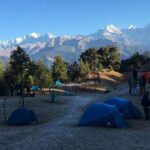
Once you reach base camp, you store your bags and settle into camp life again. This is one of the most important psychological days of the trek. You’re not yet doing the summit, but you’re close enough to start feeling the weight of tomorrow, especially if it’s your first snow-style trek.
Because the plan includes meals and snacks across the days, your job is mostly to keep yourself fueled and warm. Small things matter here: water, layers, and pacing your breathing on the steeper sections. You’re training for the early start the next day.
Kedarkantha sunrise summit: why the timing is the whole point
Day 4 is the day everyone waits for. The trek starts early to reach Kedarkantha for sunrise, and you’ll stay at the top for 30 minutes to 1 hour depending on weather. The goal is clear: get to the summit, witness the sunrise, then head back down while conditions are stable.
This is also a day where you’ll feel the difference between effort and planning. Early starts can be brutal if you’re not used to waking before your body agrees. Still, it’s hard to beat a summit plan that is structured around a real event instead of just reaching a peak and hoping for good light.
After the summit, you return toward Kedarkantha Base Camp for a hot lunch and time to relax before heading back down to Sankri. From base camp to recovery matters, because you still need the strength to keep walking without feeling done-in.
One more thing: the route may require traction tools in winter-style conditions, and that’s where the gear situation can affect you. If your group is smaller than 6, some gear like micro spikes may not be included and may be provided for a fee. If you’re planning to trek in colder months, it’s worth confirming what you personally have before you go.
Sankri homestay nights and the return to Dehradun
Once you finish the summit and base-camp time, you go back to Sankri. You get an overnight homestay, which is a big deal if you’ve been sleeping in tents. It’s the contrast that makes the whole trek feel balanced: you get outdoors adventure without turning your body into a permanent camp resident.
Day 5 is the move-back day. You’ll arrive in Dehradun between 2:00 PM and 6:00 PM, depending on departure timing from Sankri. It’s a wide window, but it’s common for mountain schedules where roads and weather influence timing.
What I like about this structure is that it gives you closure. You’re not rushing to cram extra sightseeing on summit day, and you’re not stretching the hardest segment into multiple days. You finish with a recovery night and then come home.
Food and first-aid support: the practical stuff that keeps you comfortable
One of the best value points here is food. The trek includes all meals, plus snacks. In total, you’ll get 4 breakfasts, 3 lunches, and 4 dinners, with snacks counted as well. That removes a lot of “what should we eat?” decision fatigue and helps you stay focused on the trail.
You also get a first-aid kit listed in the plan, including items such as dettol, cotton, band-aid, vicks, saridon, crocin, betadine, and volini. That’s exactly the kind of basic readiness that makes groups feel safer, especially for minor scrapes and cold-weather discomfort.
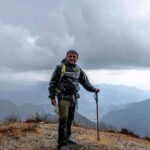
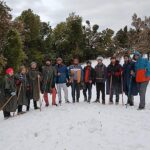
Now for the human part: the trekking team support style comes up clearly in the experience stories linked to this trek. Guides like Munraj bhaiya and Surendra bhaiya are described as helpful and patient, with steady motivation during each step. Another guide mentioned is Amit bhai, noted for good support and food. That mix of route help and calm encouragement is the difference between feeling stressed on a steep section and feeling guided through it.
Price and value: where the money really goes

At about $108.80 per person, this trek covers more than you might expect for a 5-day mountain plan. You’re getting a guide, round-trip transfers from Dehradun, and both lodging types: two nights in tents and two nights in a homestay. On top of that, meals are included across the days, which is where trekking packages often surprise people—in the bad way.
The price also factors in group operation. The group can have up to 25 travelers, and the plan mentions group discounts. You’ll also receive a mobile ticket, which can reduce paperwork headaches.
The main value trade-off is what is not included. Private transportation isn’t included (you’re using the shared transfer plan), and gear may not be included if the group is smaller than 6 people. If that happens, gear can be made available for an extra INR 700. So while the package price looks good on paper, budget a little buffer for gear confirmation, especially if you’re traveling outside peak dates.
Gear and fitness: what to check before you commit
The trek is listed for travelers with moderate physical fitness. That’s honest, and it’s also the right target. You don’t need to be an athlete, but you do need to be comfortable walking uphill for several hours and handling cold conditions.
The gear policy is specific: if there are fewer than 6 persons, some equipment is excluded, including:
- headlamp
- trekpole
- shoes
- micro spikes
- gaiters
- poncho/rainsuit
If you end up in that smaller-group situation, gear can be provided for INR 700. So before you book, I’d treat this as your checklist question: will I be in a group that qualifies for included gear, or should I plan to bring my own essentials?
Weather is also a factor. The experience requires good weather, and if it’s canceled due to poor conditions, you’ll be offered another date or a full refund. That’s important because a summit sunrise plan only works if the mountain cooperates.
Is this your first snowy-style trek? It can be, if you like support
The Kedarkantha trek is often a first for people because it’s structured. You don’t just show up and hope. The itinerary has base-camp days, food coverage, and early summit timing—plus a team that’s described as patient.
If you’ve never done a winter or cold-season trek before, the biggest thing is not bravery. It’s pacing and staying warm. This plan supports you with guidance and camp rhythm, so you can focus on learning how your body reacts on uphill steps and how you recover at base camp.
It also helps that the group size cap is 25. Bigger groups can feel chaotic. Here, you should still be able to ask questions without shouting over everyone else’s crampon debate.
Who should book this Kedarkantha version of the trek
This trek fits you if you want:
- a guided experience with meals included
- a realistic rhythm with base camp buildup days
- a sunrise summit plan with a short, clear time window
- a mix of tent camping and homestay recovery
It may be less ideal if you hate early mornings or you’re the type who wants total independence. This is a group trek, with scheduled segments and set lodging styles. If you want full freedom to wander off-plan, you’ll probably feel constrained.
Should you book the Kedarkantha Trek (Dehradun to Dehradun)?
I think this is a smart choice if you value structure and comfort basics. You’re paying for a full package: transfers, guide support, lodging variety, and meals that keep you fueled. The sunrise summit timing is the headline, but the real reason it feels worth it is that you’re not left scrambling for food, warmth, or logistics.
Book it if:
- you’re okay with a moderate fitness level target
- you want guided help, not solo decision-making
- you like camp-to-homestay variety
Hold off or confirm first if:
- you’re worried about gear costs under smaller group sizes
- you strongly prefer your own transport
- you’re not comfortable with a very early summit wake-up
FAQ
How long is the Kedarkantha trek?
The experience runs for about 5 days.
Where does the trek start and end?
It starts at Prince Chowk, Dehradun, Uttarakhand and ends back at the same meeting point in Dehradun.
Are transfers from Dehradun included?
Yes. Round-trip transfers from Dehradun are included.
Do I get a guide?
Yes, you take on the trek with a guide.
What kind of lodging is included?
You get two nights in a tent and two nights in a homestay.
Are meals included?
Yes. All meals are included, including breakfasts, lunches, dinners, and snacks.
Do I need to bring trekking gear?
Gear is excluded if the group has fewer than 6 people (headlamp, trekpole, shoes, micro spikes, gaiters, and poncho/rainsuit). Gear can be made available on payment of INR 700 in that case.
What fitness level is required?
The trek is for travelers with a moderate physical fitness level.
What time does the trek start each day?
You’ll depart from the meeting point during the opening hours of 6:00 AM to 8:30 AM.
What happens if weather is poor?
This experience requires good weather. If it’s canceled due to poor weather, you’ll be offered a different date or a full refund.
If the minimum number of travelers isn’t met, will I still get a refund?
Yes. If it’s canceled because the minimum isn’t met, you’ll be offered a different date/experience or a full refund.