REVIEW · RISHIKESH
Nag Tibba Snow Trek
Book on Viator →Operated by TrailHikers · Bookable on Viator
Snow and summit in just two days.
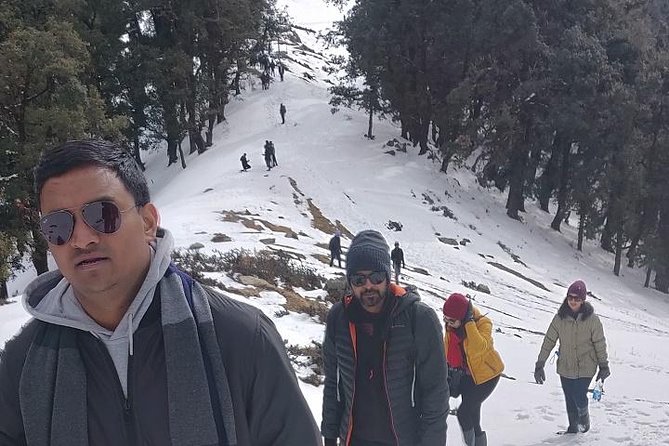
This Nag Tibba Snow Trek is a smart way to get Himalaya hiking without signing up for a week of logistics. I like the clear rhythm: trail up, camp by mid-afternoon, then a summit morning with a steady guide and warm camp setup. I also love the value: camping equipment and meals are included, so you can focus on the hike instead of running around buying gear. The one drawback to plan for is the early wake-up and the fact that you still need moderate fitness plus basic personal trekking gear (not included).
If you’re picturing a calm nature stroll, this is more of a real climb. Day 1 moves at an active pace, and Day 2 starts before sunrise for the best chance at summit conditions. Timings are always tentative in the mountains, so you’re trading strict schedules for mountain reality—and that’s the deal with any trek that includes snow and altitude.
In This Review
- Key takeaways before you go
- A Two-Day Himalayan Fix: Nag Tibba from Pantwari
- Getting There Without Drama: Dehradun or Mussoorie Transfers
- Day 1 on the Trail: Packed Lunch, Camp Arrival, and Bonfire Time
- Day 2 Summit Push at Dawn: 6:30 am Start and a Late-Morning Return
- Camping That Actually Helps: Tents, Sleeping Bags, and Included Meals
- Price and Value for a $54 Overnight Trek
- What to Pack (and What Costs Extra) for Nag Tibba Snow Trek
- Guide Team and Trail Safety: Why Two Days Works Better with Support
- Logistics That Matter: Mobile Ticket, Tent Life, and Mountain Timing
- Who Should Book This Snow Trek (and Who Might Find It Too Much)
- Should You Book the Nag Tibba Snow Trek?
- FAQ
- What is Nag Tibba Snow Trek and where does it start?
- How long is the trek?
- What is the daily schedule like?
- What time do you wake up on Day 2?
- What’s included in the price?
- What is not included?
- Is there a guide?
- How many people are in a group?
- Do I need to worry about weather?
- When can I cancel for a full refund?
Key takeaways before you go
- Guided summit hike with encouragement when the trail gets steep, including help from local guides like Ganesh bhaiya (names reported by past hikers).
- Camping comfort included: tents, sleeping bags, and mats are provided, plus a camp routine with tea/snacks and a bonfire.
- Meals handled for you: breakfast, dinner, and lunch are included, so you’re not guessing what to eat on-trail.
- Round-trip transfers from Dehradun or Mussoorie to Pantwari and back save you hassle on a short trip.
- Small group size (up to 25) helps you move as a unit without getting lost in a crowd.
A Two-Day Himalayan Fix: Nag Tibba from Pantwari
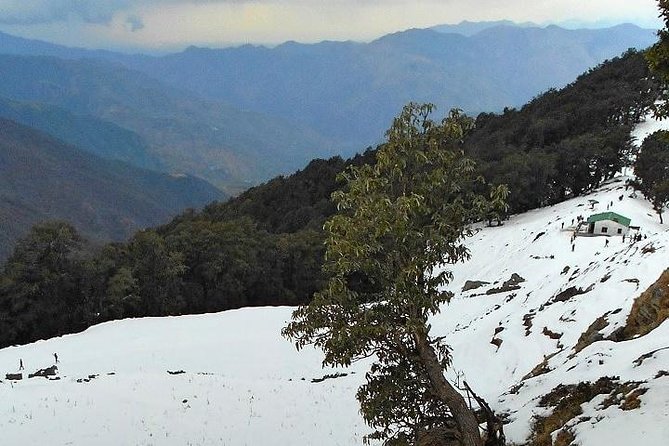
Nag Tibba is one of those treks where the payoff is fast. In about two days, you go from a starting village area up to a summit viewpoint and back down again—great if you want the mountain feeling without a long multi-day commitment.
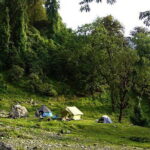
The route is designed for an overnight stay, so you don’t spend the whole time sleeping in transit. Instead, you get a true camp experience: arrival, setup, a cozy evening routine, then an early next-day push. That overnight structure is the magic for first-time trekkers. You get to recover at camp before the summit day, rather than trying to do everything in one exhausting go.
You can also read our reviews of more tours and experiences in Rishikesh.
Getting There Without Drama: Dehradun or Mussoorie Transfers
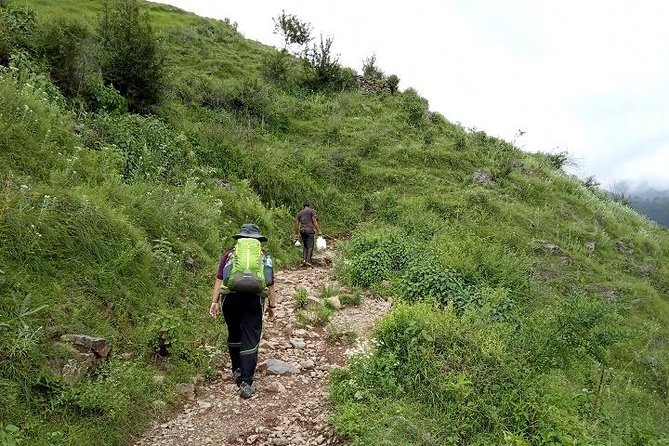
The trek is based out of Rishikesh’s wider region, with transfers included from Dehradun / Mussoorie to Pantwari and back. This matters because short treks sink or swim on transportation. When transfers are handled, you can show up, meet your group, and start hiking—no scrambling for local buses at an awkward hour.
Your day starts with reaching Pantwari by 10:30 am, with a start on the trail at 11:00 am. That’s a workable window for most people. It also means you’re not hiking all day in the heat or fighting a late start after you’ve already spent time traveling.
Day 1 on the Trail: Packed Lunch, Camp Arrival, and Bonfire Time
Day 1 is about getting your legs going and reaching camp with time to enjoy it. After you arrive at Pantwari by 10:30 am, you’ll have breakfast either en route or as preferred, then begin the hike at 11:00 am.
You’ll carry a packed lunch and eat around 12:00 to 12:30 pm on the trail. This isn’t a “no food, good luck” situation. You’ll actually pause, fuel up, and keep moving—important for snow trekking where cold can make your energy slip faster than you expect.
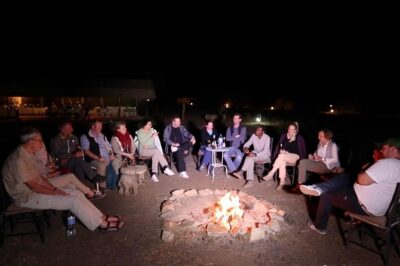
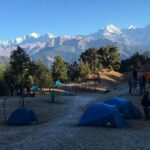
By 3:30 to 4:00 pm, you reach the first campsite, listed as Kathian or Nag Tibba base. That mid-afternoon arrival is key: you get daylight to settle in before evening hits. Then the camp routine kicks in with evening tea/snacks, a bonfire, and dinner at 8:00 pm.
What I like here is the pacing. You’re hiking, yes, but you’re not landing at camp at dusk like it’s a survival movie. The camp schedule gives you a chance to warm up, dry out what you can, and reset for the summit morning.
Day 2 Summit Push at Dawn: 6:30 am Start and a Late-Morning Return
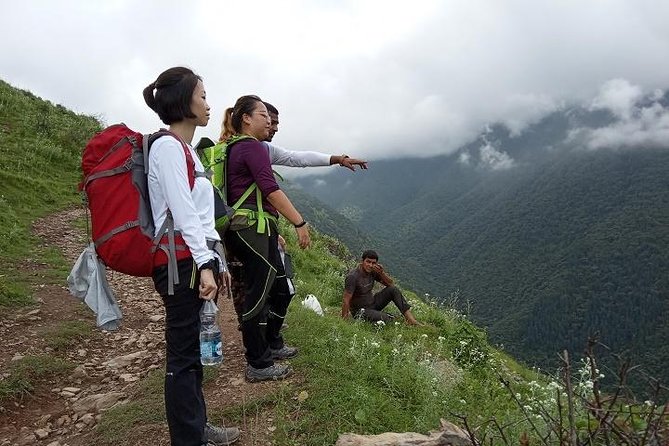
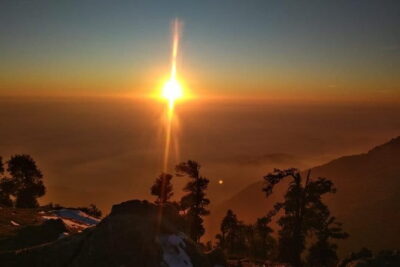
Day 2 is the “get it done early” day. You wake around 5:30 to 6:00 am, with morning tea/snacks/breakfast around 6:00 am. Then the summit hike starts at 6:30 am.
The target is to reach the Nag Tibba summit by 9:30 am, then return to the campsite around 12:30 pm for lunch. After lunch, you begin the trek back to Pantwari at 1:30 pm and are back by about 4:00 pm.
This is a great structure for a weekend trek, because you don’t spend the entire second day just fighting elevation. You’re climbing in the morning when conditions are often better, then you’re descending while the day is still usable.
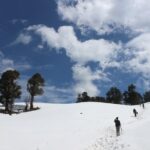
One thing to keep your expectations realistic: snow trekking can slow you down, and timings are always tentative depending on pace and stamina. Your goal should be steady effort, not a sprint.
Camping That Actually Helps: Tents, Sleeping Bags, and Included Meals
Camping sounds simple until you realize how cold mornings can get. Here, the big win is that camping equipment is included—tents, sleeping bags, and mats. That removes the common pain point of overnight treks: worrying whether you bought the right gear and whether it’ll be enough when the temperature drops.
Then there’s the food plan. You get breakfast and dinner, plus lunch on both days (lunch is listed as included twice). Past hikers also highlight that the cooking and overall taste can be genuinely good, which changes the vibe of the trek. When meals are handled well, your body recovers better, and your summit morning feels less like punishment.
The camp experience also includes tea/snacks and a bonfire. This is more than “cute tradition.” It’s the social anchor after a long first hike, and it helps you warm up and decompress before bed.
Price and Value for a $54 Overnight Trek
At around $54 for ~2 days, this is priced like a budget outdoor escape, not a luxury lodge stay. The best value comes from what you don’t have to pay separately: camping gear, meals, and permits, plus transport from Dehradun or Mussoorie to Pantwari and back.
If you tried to do this independently, you’d likely spend money just on getting the right local support and coordinating transport. Short treks also tend to eat your time. Here, the route timing and supplies are handled, so you buy back your energy for the hike.
A practical note: some added costs may still pop up. Backpack offloading charges are listed as Rs 250–300 per backpack per day, and personal trekking items (like shoes, jackets, poles) aren’t included. So, even on a cheap trek, you’ll want to budget for personal gear and any offloading needs.
What to Pack (and What Costs Extra) for Nag Tibba Snow Trek
To have a comfortable time, pack for cold and effort, not just sightseeing. The tour provides camping equipment, but you still need your own personal trekking comfort items.
Not included (so you should bring them):
- Hiking shoes or suitable footwear
- Jackets and other warm layers
- Trekking poles (if you use them)
- Any personal medicines or snacks you want on top of the provided meals
Also watch for this line item:
- Backpack offloading may apply (Rs 250–300 per backpack per day)
One more practical tip: use the trek to test your comfort choices. If you hate your shoes on Day 1, you’ll pay for it on Day 2. Start with what already works for you, even if it’s not fancy.
Guide Team and Trail Safety: Why Two Days Works Better with Support
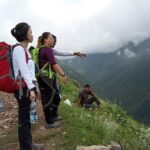
A big part of why this trek is enjoyable is the human support. The tour includes a guided hike to Nag Tibba, plus on-the-ground care at the camp. Names that have come up in past accounts include Raman Sharma checking on wellbeing, Suman Singh at the location taking care of needs, and Ganesh bhaiya as a local guide who helps with the steep parts.
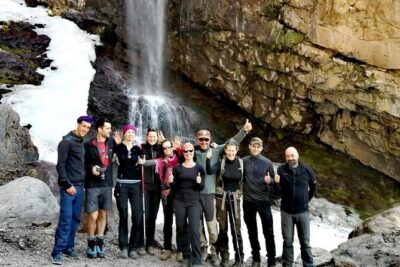
That type of support matters on a snow trek. You need more than a route map. You need encouragement, pacing help, and someone watching the group. With a maximum of 25 travelers, you’re not stuck in a chaotic line. You can keep a workable pace and still get help when you need it.
Also, the tour setup includes the forest trekking and camping permits. That’s one of those behind-the-scenes things you really don’t want to handle last minute.
Logistics That Matter: Mobile Ticket, Tent Life, and Mountain Timing
This trek uses a mobile ticket, which is a small convenience but useful when you’re juggling travel days. It also runs daily (Monday through Sunday), and the activity window lists opening hours around 6:30 am to 7:00 am.
Most important: mountain timing is tentative. Your day schedule is a framework, not a promise. That’s not a gimmick; it’s snow reality. If weather shifts or your pace changes, the group may adjust how things flow.
You’ll feel the mountain effect most clearly on Day 2, when you’re climbing early and descending before late afternoon transfers begin.
Who Should Book This Snow Trek (and Who Might Find It Too Much)
This works best if you:
- Want a true overnight Himalayan trek without committing to a longer itinerary
- Can handle moderate hiking and an early start
- Prefer a guided experience where camping gear and meals are covered
- Like the idea of a bonfire evening and a summit morning with a planned return
It might not be your best fit if:
- You expect a casual stroll or long sit-down breaks (this is hiking with specific meal pauses)
- You don’t have the basic cold-weather trekking gear and comfort plan
- You struggle with early mornings and steep climbs, even if the duration is short
If it’s your first trek, this is a strong starter format. You’ll learn how your body reacts to altitude and cold, and you’ll still be back down the same day you reach the summit.
Should You Book the Nag Tibba Snow Trek?
If you want the Himalaya experience in a weekend-style format, I think this trek is a smart buy. You’re getting guided summit hiking, camping gear, meals, permits, and round-trip transfers for a price that’s hard to beat for a guided overnight mountain trip.
Book it if you’re realistic about the effort and you’ll bring the personal gear that matters for cold comfort. Skip it if you’re looking for an easy walk, or if you know you can’t handle an early wake-up and a steep morning climb.
If you’re on the fence, here’s the simplest test: Do you want a real trek day with a camp at the end of it? If yes, this one hits a sweet spot.
FAQ
What is Nag Tibba Snow Trek and where does it start?
It’s an overnight trek to Nag Tibba in the Rishikesh region. The trekking starts from Pantwari, with transfers included from Dehradun or Mussoorie.
How long is the trek?
The experience is about 2 days.
What is the daily schedule like?
Day 1 includes arriving at Pantwari by 10:30 am, starting the trail at 11:00 am, and reaching the campsite around 3:30 to 4 pm. Day 2 includes waking around 5:30 to 6 am, starting the summit hike at 6:30 am, reaching the summit by about 9:30 am, and returning to Pantwari by around 4 pm.
What time do you wake up on Day 2?
You typically wake around 5:30 to 6 am for morning tea/snacks and breakfast around 6:00 am.
What’s included in the price?
Dinner, breakfasts, lunch (2 times), camping equipment (tents, sleeping bags, mats), forest trekking/camping permits, and transport from Dehradun/Mussoorie to Pantwari and back.
What is not included?
Personal expenses for food or medicines, costs if you drop out, any hotel or lodge stay, backpack offloading charges (Rs 250–300 per backpack per day), and personal trekking gear like jackets, poles, and hiking shoes.
Is there a guide?
Yes. You hike up to Nag Tibba with a guide.
How many people are in a group?
The trek has a maximum of 25 travelers.
Do I need to worry about weather?
Yes. The experience requires good weather. If it’s canceled due to poor weather, you’ll be offered a different date or a full refund.
When can I cancel for a full refund?
You can cancel up to 24 hours in advance for a full refund. Within 24 hours, the amount paid is not refunded.