REVIEW · SIRKKA
Levi: Aurora Riding Trek with Icelandic Horses
Book on GetYourGuide →Operated by Lapin Saaga · Bookable on GetYourGuide
A dark-sky ride on horseback. In Levi, Lapland, this late-evening trek lets you see the fells and snowy woods after night falls, guided end-to-end with Icelandic horses under a sky full of stars. I like that it feels like real Arctic time, not a rushed stop-and-go photo moment.
What I love most is the chance for Northern Lights, which can light up the snow while you’re riding through changing terrain. The pace is beginner-friendly in a small group, but here’s the one downside to plan for: the Northern Lights are a natural phenomenon, so you should treat it as a bonus, not a promise.
In This Review
- Key Things to Know Before You Go
- Lapland After Dark on Icelandic Horses: The Core Experience
- Where You’ll Start: Lapland Saga Yard vs Design Hotel Levi
- The 10-Minute Safety Briefing: Quick, Practical, and Worth It
- The Trek on Horseback: Forests, Fields, and Fell Shadows
- Photo Stops and the 10-Minute Warm-Up Break
- Northern Lights Odds: How to Think About the Aurora Chance
- What Warmth Actually Looks Like: Gear, Shoes, and Real Temps
- Pick-Up, Timing, and Group Size: Why It Feels Smooth
- Price and Value: Is $147 Worth It?
- Who This Tour Suits Best (And Who Should Skip It)
- Should You Book Levi Aurora Riding Trek?
- FAQ
- What is the duration of the Aurora Riding Trek?
- Do I need previous horseback riding experience?
- Where does the tour start and end?
- Is Northern Lights guaranteed during the trek?
- What should I bring for the winter ride?
- What is the maximum rider weight and the minimum child age?
- Is pick-up available?
Key Things to Know Before You Go
- Beginner-friendly riding with initial training, so you don’t need prior horseback experience.
- Up to 6 people means you’re not fighting for space when it’s cold and dark.
- Late evening timing puts you out when the sky is most likely to show stars and aurora.
- Gear and helmet riding gear are included, so you can travel lighter.
- Northern Lights are never guaranteed, but you’ll still get moon-and-starlight scenery.
Lapland After Dark on Icelandic Horses: The Core Experience
This is the kind of winter outing that makes Lapland feel huge. You start on a winter evening, then work your way through forests or open areas as the light fades—exactly when the sky can switch from moon-glow to star density that feels unreal.
The horses matter here. You’re riding Icelandic horses, which are known for being steady and well-suited to tourists. The bigger point for you is comfort and confidence: the trek is designed for first-timers, so the “how do I even sit on this?” stress stays low.
The trek runs about 1.5 hours, and that time is used well. You’re not only on the horse—you also get a short moment for photos and a bit of time afterward to warm up and look around.
You can also read our reviews of more tours and experiences in Sirkka.
Where You’ll Start: Lapland Saga Yard vs Design Hotel Levi
Your departure is tied to where you book from. Some options start at Lapland Saga, and others add a pick-up from Design Hotel Levi. Either way, your ride begins and ends at the Lapin Saaga stable yard, so you’re not lost in the Finnish winter trying to find a hidden trailhead.
If you take the pick-up, plan to be ready early. You’re asked to be at the pick-up point about 20 minutes before departure, and if you’re late, the guide waits only briefly. The cold is part of the reality here—being early saves you time standing around in winter gear.
For timing, the most practical move is this: when you check your start time, build in extra buffer for getting dressed and getting to the pickup or stable yard. This experience runs on tight winter logistics because the dark arrives fast.
The 10-Minute Safety Briefing: Quick, Practical, and Worth It
Before any saddle time, there’s a safety briefing. Expect it to be direct and focused on what you need for a winter horseback trek—things like how to move with the horse, how to hold steady on the trail, and what the guide expects during stops.
You also get initial training for riding. That’s a key part of the value, because it means you’re not just handed a horse and told to figure it out. The trek is rated easy, and you’re told there’s no previous riding experience required, which you’ll feel when the pace stays controlled and the route adapts to the group.
Also pay attention during the briefing because the terrain changes. Even within a single winter ride, you might move through snowy woods and open areas, and your job as a rider is mostly to stay relaxed, balanced, and listening.
The Trek on Horseback: Forests, Fields, and Fell Shadows
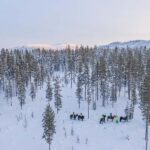
Once you’re rolling, the trek is built around variety. You ride through different landscapes—forests and sometimes fields—while the shadows of the surrounding fells stretch and grow longer in the night.
The route and speed depend on two things:
- Your group’s experience level
- The weather conditions
That matters more than it sounds. In winter, “same trail” can feel completely different depending on snow, wind, and light. By keeping the route flexible, the guide can prioritize safety and keep the experience smooth for beginners.
You’ll spend about 70 minutes riding, which is long enough to feel like a real excursion, but not so long that your legs go numb. In the cold, comfort is everything—this timing is the sweet spot.
And yes, sometimes you’ll be riding under a sky that’s clear enough to show the aurora. In at least one recent trip, the group rode around Northern Lights while the sky was active—exactly the kind of moment this tour is aiming for.
Photo Stops and the 10-Minute Warm-Up Break
There’s a short photo stop of about 5 minutes during the ride. In theory, it’s simple. In reality, it’s dark, you’re on a moving animal, and your hands are trapped in winter gloves. If you care about getting shots, you’ll want to be ready fast and keep your expectations realistic.
One practical tip: bring a plan for photos. Headphones or fiddling apps aren’t the priority. Instead, set your camera settings ahead of time if you use a camera, and keep your phone accessible. The dark will make everything slower, and even small delays feel big when the guide is keeping time.
After the ride, there’s a bit of free time and shopping for around 10 minutes. It’s not a long stall, but it can help you warm up and grab something to take the edge off the cold before heading back.
Northern Lights Odds: How to Think About the Aurora Chance
The Northern Lights are the headline, but the honest way to plan is: the aurora might show, and it might not. This trek tells you straight that Northern lights cannot be guaranteed. That’s not a weak point—it’s good planning.
What you can do as a rider is aim for conditions that often help: a clear sky and good visibility. If the weather is favorable, you may ride beneath a sparkling night sky. If it isn’t, you can still enjoy moonlight, thousands of stars, and the feeling of being out in the Arctic without city noise.
I also like how this tour frames the experience. Even without aurora, the ride still delivers the Arctic atmosphere—dark woods, open snowy sections, and a sky that changes by the minute.
In one trip close to full moon, riders reported not needing the head torches that are provided with helmets. That’s a useful clue: if the moon is bright, you might rely less on extra light. Still, don’t count on it. Winter darkness can swing quickly.
What Warmth Actually Looks Like: Gear, Shoes, and Real Temps
Warm clothing and warm shoes are required. That’s not optional here, because you’re sitting on a horse in Arctic air, not walking through a museum.
Riding gear is included—so you won’t be left hunting for a full winter outfit—but your base layers are still on you. If you run cold easily, treat this like a serious cold-weather event, not a casual evening stroll.
One real-world note from a recent ride: temperatures got close to -28°C. That’s extreme, but it’s the right kind of reminder. Even with gear, you’ll feel the cold more if you’re underdressed or if your boots don’t insulate well.
Also remember gloves. You’ll need dexterity for your phone or camera at least a little, but you also need warmth first. The ideal winter setup is warm and flexible: thick enough to protect, thin enough to control.
Pick-Up, Timing, and Group Size: Why It Feels Smooth
This tour keeps groups small—min 2, max 6. That’s more than a comfort perk. In winter riding, smaller groups mean better pacing, less crowding around horses, and fewer delays when conditions shift.
You’ll also see how the guide handles transitions. Your route and speed adjust based on experience levels, so the trek doesn’t become a test of endurance. For beginners, that reduces panic. For more confident riders, it keeps the pace from turning boring.
Timing is also clear: arrive about 15 minutes before if you’re meeting at the stable yard, and about 20 minutes before if you’re using the pick-up service. The guide isn’t stalling everyone for long—cold weather rewards punctuality.
The activity runs about 1.5 hours, which is perfect if you want aurora energy but you don’t want to waste half a night. It’s a controlled adventure.
Price and Value: Is $147 Worth It?
At $147 per person for about 1.5 hours, this isn’t a cheap add-on. But it is built to be a well-managed experience, and the value comes from what’s included:
- Initial training
- Riding gear
- Guided horse riding
- Small group size
- Optional pick-up service
- Guides in English and Finnish
When you factor in the cost of trained staff plus real winter gear handling, you’re not just paying for a horse. You’re paying for safety, time, and the guide’s ability to keep everyone comfortable while riding in the dark.
Is it worth it for you? If you want a unique Lapland view that isn’t just standing in a field with a tour bus nearby, yes. If your only goal is aurora above all else, you might still enjoy it, but you should keep your expectations flexible.
My rule: pay for experiences where you’re not spending extra effort to “make it work.” Here, the setup and training do that job.
Who This Tour Suits Best (And Who Should Skip It)
This works especially well for:
- You want to see Lapland after dark in a way that feels active, not passive
- You’re a beginner and want a structured introduction to horseback riding
- You want a small group experience with a steady pace
- You’re interested in a realistic shot at seeing aurora, while accepting that it’s not guaranteed
You should skip or reconsider if:
- You’re under 12 years old (or don’t have previous riding trek experience for younger kids)
- You’re above 95 kg (the weight limit is 95 kg / about 209 lbs)
- You’re uncomfortable with cold outdoor time even with winter riding gear
Also, if you’re chasing the perfect photo, be aware that shooting while riding is tricky. People can get great shots, but the dark plus movement makes it harder than you might expect.
Should You Book Levi Aurora Riding Trek?
Book it if you want a winter evening that feels real. The combination of Icelandic horses, an easy introduction, and the possibility of seeing the Northern Lights makes it a memorable Lapland experience without needing serious riding skills.
I’d pass if you’re the type who needs guarantees. The aurora is unpredictable, and the guide can’t promise it. But if you’re willing to trade certainty for atmosphere, this ride is exactly the kind of thing you’ll remember when the snow turns quiet and the sky does something extraordinary.
If you do book, come prepared for serious cold, arrive on time, and plan for stars even if the aurora doesn’t show.
FAQ
What is the duration of the Aurora Riding Trek?
The ride lasts about 1.5 hours total.
Do I need previous horseback riding experience?
No. The trek is designed so that previous riding experience is not required, and there is an initial training and safety briefing.
Where does the tour start and end?
The program starts and ends at the Lapin Saaga stable yard (Lapland Saga). Your meeting point can vary depending on the option you choose.
Is Northern Lights guaranteed during the trek?
No. The Northern Lights are a natural phenomenon and cannot be guaranteed.
What should I bring for the winter ride?
Bring warm clothing and warm shoes.
What is the maximum rider weight and the minimum child age?
The maximum rider weight is 95 kg. Children must be at least 12 years old unless they have previous riding trek experience.
Is pick-up available?
Yes. Pick-up service is available if you choose that option, and you should be ready about 20 minutes before the start time.