REVIEW · KATHMANDU
Everest Base Camp Trek with Helicopter Return – 10 Days
Book on Viator →Operated by Breakfree Adventures Pvt. Ltd. · Bookable on Viator
Helicopter flight beats the hike home. That’s the core hook of this 10-day Everest Base Camp trek, built around reaching the base camp area fast and then flying back by helicopter instead of doing the long return slog. I like that it’s a small-group setup (up to 15 people), which helps the logistics feel calmer when the trail gets crowded. You also get a pre-arranged plan with tea house stays, meals, and transport handled end-to-end.
Two things I really like: first, the helicopter return from the Everest side back to Kathmandu cuts out the backtrack. Second, the package bundles a lot of real costs—Lukla flights, permits, guide and porters, lodging, and trekking meals—so you can budget without playing a guessing game.
The one possible drawback to consider is weather. Helicopters and flights run on mountain time and good conditions, so you’ll want flexibility in your schedule and patience if Mother Nature has other plans.
In This Review
- Key Things to Know Before You Go
- Helicopter-First Thinking: Why This Trek Feels Different
- Price and Logistics: What $3,400 Buys You (and Why It’s Not Just “Mountain Costs”)
- Kathmandu Day 1: Easy Start, Real Time to Adjust
- Lukla to Phakding (Day 2): Green Trails and a Big Starting Point
- Namche Bazaar Days (Day 3 and the Everest View Hotel on Day 4)
- Tengboche to Dingboche: Monastery Stop and the Climb Gets Real (Days 5 and 6)
- Chola Lake and Dughla (Day 7): The High-Energy Day Before Base Camp
- Everest Base Camp (Day 8): Glacier Views and the Icefall Picture
- Kala Patthar to Kathmandu by Helicopter (Day 9): The 360 View with a Hard Cut
- Tea Houses, Meals, and What “Included” Means at Altitude
- Guides, Porters, and the Human Side of a Hard Trek
- Gear, Fitness, and How to Plan for Cold and Climbing
- Who This Tour Fits Best (and Who Should Rethink It)
- Should You Book? My Practical Verdict
- FAQ
- How long is the Everest Base Camp trek with helicopter return?
- Where does the trip start, and what time do we meet?
- Is the helicopter ride included, and when do you fly back to Kathmandu?
- Are tea houses or lodges included during the trek?
- What meals are included in the price?
- Are flights to and from Lukla included?
- Does the package include permits and cards for the trek?
- What gear is included for the trek?
- What do I need for the Nepal entry visa?
- Is there a refund if weather cancels the trip?
Key Things to Know Before You Go
- Helicopter return from the Everest side: you skip a big chunk of the return hike.
- Small group size (max 15 travelers): easier pacing and smoother coordination.
- All tea house lodging plus trekking meals: you’re not constantly hunting food on the trail.
- Guide + porter support: included staffing with a 1 porter for 2 trekkers ratio.
- Gear is partly supplied: duffle bag, down jacket, sleeping bag, and walking pole are included.
- Permits and TIMS are included: Everest Trek permit and TIMS card handled for you.
Helicopter-First Thinking: Why This Trek Feels Different
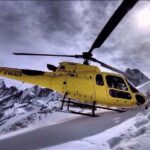
Everest Base Camp treks are usually famous for their “go up, then go back down the same way” routine. This one flips the script. After you reach Everest Base Camp and do the classic viewpoint run to Kala Patthar, the end game is not hiking back through the same villages. Instead, you fly back to Kathmandu by group-sharing helicopter.
That changes how you experience the trek day-to-day. You still climb and acclimatize like any Everest trip, but mentally you’re not spending your energy rehearsing the return route. The reward is huge on Day 9: the panoramic views at Kala Patthar are timed as the final mountain moment, and then you transition straight into flight mode.
Another smart element is the pace design. The route is built around a 10-day total trip length, with an acclimatization day in Namche and a second acclimatization-style stop around Dingboche. That gives you a better chance to handle altitude without turning the climb into a sprint.
You can also read our reviews of more tours and experiences in Kathmandu.
Price and Logistics: What $3,400 Buys You (and Why It’s Not Just “Mountain Costs”)
At $3,400 per person for 10 days, this is not a budget Everest trek. But when you look at what’s actually included, the price starts to make more sense.
Included items that usually cost real money on their own:
- Flights from Kathmandu to Lukla
- Helicopter return from the Everest side to Kathmandu (group sharing)
- Tea house/lodge accommodation during the trek
- Guide and porters (plus their food, accommodation, salary, insurance, and transport)
- Meals (breakfast, lunch, dinner during the trek)
- Everest Trek permit and TIMS card
- Airport transfers and landing/facility fees
- Trekking gear essentials like a down jacket, sleeping bag, duffle bag, and walking pole
What you pay separately:
- Lunch and dinner in Kathmandu
- Nepal entry visa fee
- Drinks and personal expenses
- Tips for guide/porters (expected but not mandatory)
So for me, the value question is simple: do you want someone else to handle the hard-to-price items? If you do, this package leans in that direction hard. If you’re the kind of traveler who likes to self-book flights, hunt for lodge availability, and manage permits yourself, then you’ll probably feel less satisfied. But if you want a supported route where you can focus on walking and enjoying the mountain rhythm, this is built for that.
Kathmandu Day 1: Easy Start, Real Time to Adjust
You’ll arrive in Kathmandu and meet at the airport, then transfer to your hotel. After that, the rest of Day 1 is free to explore or rest.
That blank time matters. Kathmandu is busy and chaotic in the best way, but altitude changes on Everest are serious enough that you’ll appreciate having a day where you can get your bearings. You can also use this time to sort practical items like cash for the visa fee, since the visa cost isn’t included and you’ll need accurate USD cash plus two passport photographs.
Lukla to Phakding (Day 2): Green Trails and a Big Starting Point
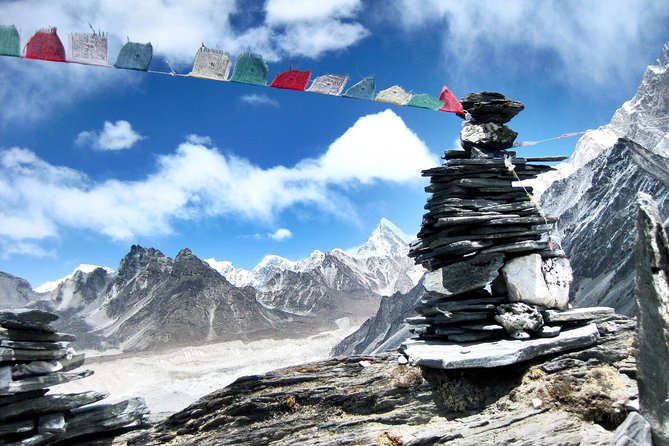
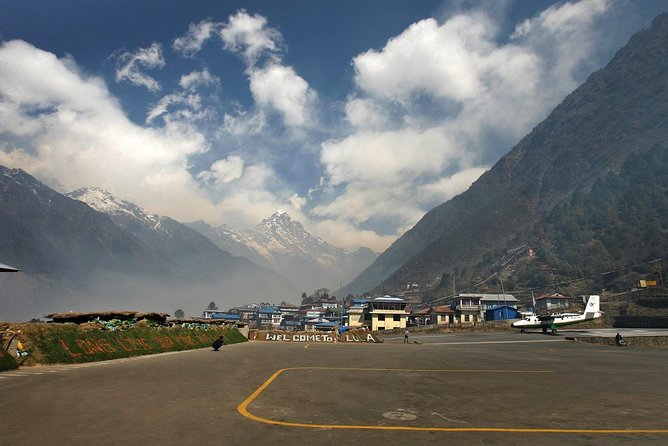
The adventure kicks off with a drive to the domestic airport and a flight to Lukla. Lukla is the starting point for the trek into the Everest region, and the flight is included in the cost.
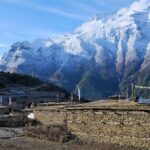
From Lukla, you trek to Phakding through green scenery with views of Kusum Kangaru. The route follows the Dudh Koshi River and includes crossings like the Hillary suspension bridge. These bridges are not just scenery. They’re also a practical altitude lesson: you learn how your breathing feels when the path gets uneven.
One note: Day 2 has a long day-length slot in the schedule. Even if you take breaks, plan to go slower than you think you should. This is where good acclimatization habits start.
Namche Bazaar Days (Day 3 and the Everest View Hotel on Day 4)
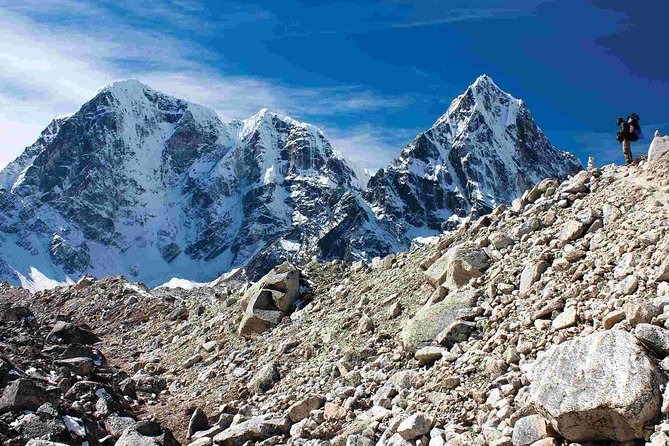
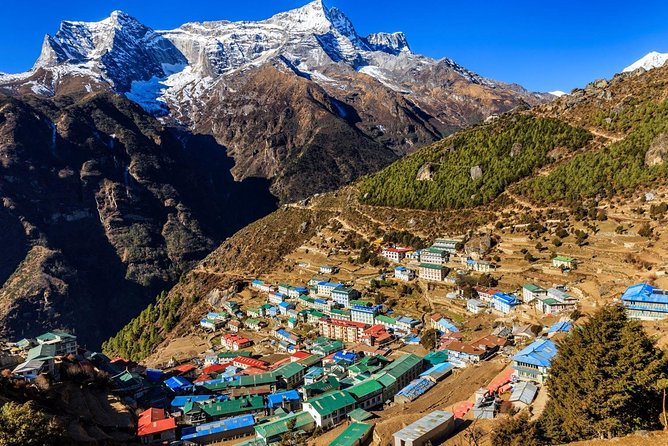
Namche Bazaar is the Sherpa capital and the gateway into the Everest region. It’s also where you start seeing the mix of trekking and local life in full swing.
On Day 3, you’ll pass through the check-post area associated with Sagarmatha National Park, then make your way into Namche. There’s time to see the Sherpa Museum (optional and not included), and the schedule also builds in rest because Namche is an acclimatization hub, not just a scenic stop.
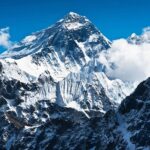
Day 4 is set for acclimatizing at Namche, hiking up to the Everest View Hotel for strong Mt. Everest views. If you’ve ever wondered what “acclimatize” actually looks like in real life, this is it: you get movement, but not the kind of all-day push that steals your sleep later. The point is to help your body adjust before you go higher.
Tengboche to Dingboche: Monastery Stop and the Climb Gets Real (Days 5 and 6)
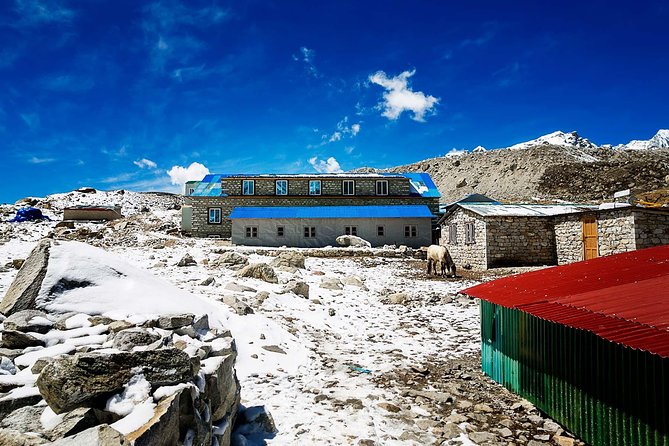
By Day 5, the trek starts feeling more textured. You’ll pass through places like Kayangjuma and Sanasa, cross the Dudh Koshi bridge, then deal with a rougher climb to reach Tengboche.
Tengboche is en-route Everest Base Camp and home to the largest monastery in the Khumbu region. That’s one of the reasons many people love this stretch: the trail keeps pushing higher, but you get a cultural and spiritual break in the middle of altitude work. It also gives your group a natural pause point to reset.
Day 6 carries you onward through the upper trail with chortens, mani walls, and small villages. You’ll cross the Imja Khola and reach Pangboche (listed at about 3,900m), then continue through the Imja Valley before descending to Dingboche. Dingboche is another acclimatization stop, which helps set up the jump toward the higher lakes and ridges later.
Chola Lake and Dughla (Day 7): The High-Energy Day Before Base Camp
Day 7 is where the itinerary starts shifting from steady “get up there” hiking into more ups and downs. You’ll climb toward Duglha through Khumbu Khola Valley, passing areas listed such as Dusa and Phulung Karpo, then reach Chola Lake.
Chola Lake is one of those names you’ll hear again and again in Everest conversations. It’s not just a dot on a map; it signals you’re in the higher, more exposed part of the trek where weather can change your comfort fast. The route continues with a small bridge crossing and then ascends to Duglha.
This is also the day that ends with you positioned well for the Everest Base Camp push and the Gorakshep base area. The schedule hints at that with the mention of Lobuche being close to Khumbu Glacier.
Everest Base Camp (Day 8): Glacier Views and the Icefall Picture
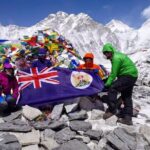
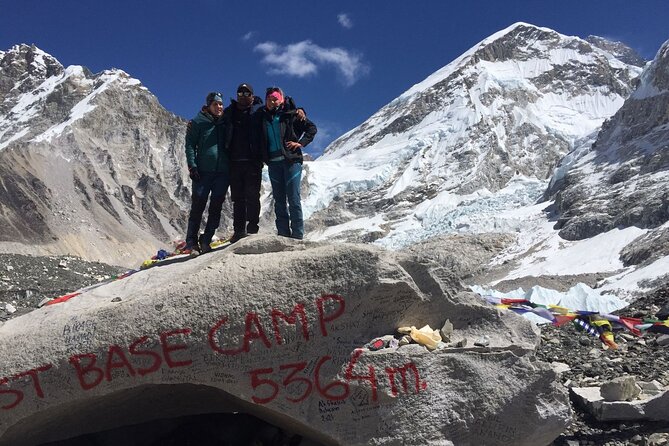
Day 8 is the big “we made it” moment. The trek goes up and down at high altitude, and after about three hours of steady hiking you reach Everest Base Camp.
From there, you can witness the Khumbu Glacier and the icefall area. Seeing it in real conditions hits differently than photos. It’s not just the scale—it’s the sense of harshness and motion in the terrain.
Then you return to Gorakshep, which is listed as the last stop for the trek to Everest Base Camp. Think of Gorakshep as your staging point for the Kala Patthar sunrise-style push that follows on Day 9.
Kala Patthar to Kathmandu by Helicopter (Day 9): The 360 View with a Hard Cut
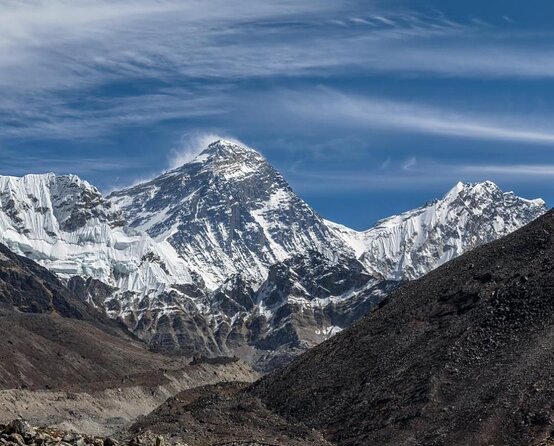
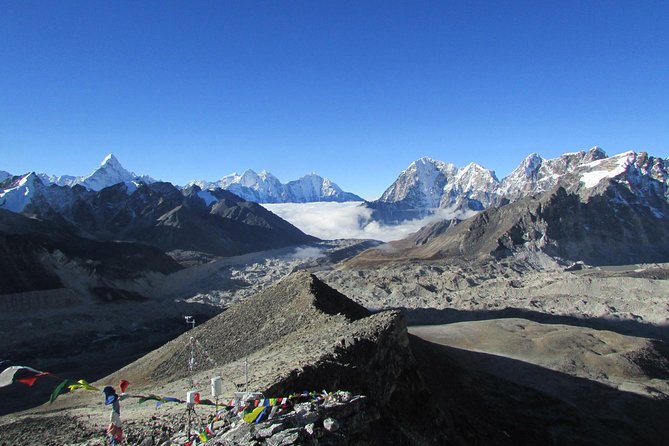
Day 9 starts with Kala Patthar, which is famous for 360-degree panoramic views of the Khumbu mountains, including Everest. The schedule treats Kala Patthar as the viewpoint highlight and includes it in the itinerary.
This is the moment where you get one final payoff before the logistics reset to travel-mode. And instead of hiking back down to retrace your steps, you fly back to Kathmandu by group-sharing helicopter after Kala Patthar. That “hard cut” from steep altitude to flight is exactly why this route stands out.
You also finish Day 9 with a travel transition to Kathmandu that keeps the total trip at around 10 days without forcing an extra day of hiking.
Tea Houses, Meals, and What “Included” Means at Altitude
The trek uses guest houses or lodges, with tea house accommodation included throughout. Breakfast, lunch, and dinner during the trek are also included.
In practice, that matters because food at altitude can become a daily decision fatigue problem. When meals are already part of the plan, you spend your attention on walking, water habits, and rest—rather than finding what’s open or what you can tolerate.
One tradeoff: drinks are not included. That means tea/coffee, hot chocolate, boiled water, bottle water, and anything alcoholic (like beer) will cost extra. So I recommend you carry spending cash for drinks and any personal comforts.
Guides, Porters, and the Human Side of a Hard Trek
This trek runs with an experienced English-speaking trekking guide and necessary porters. The ratio is included as 1 porter for 2 trekkers, which can make a big difference if you want to keep your energy for altitude rather than hauling everything yourself.
The reviews also point to the same theme: the guide being helpful, safe-focused, and responsive. You may work with guides such as Dipak, Ram, or Ramesh Sapkota, and you might also hear about an assistant like Rabi. One traveler also noted communication support from someone named Binayak, plus porter support from people named Dipak and Santos in separate parts of the trek.
I take that as a signal that this operator leans on strong local coordination. When you’re dealing with Lukla flight schedules, permits, and altitude pacing, having people who communicate clearly and keep the plan moving is not a luxury. It’s the difference between a smooth trip and a stressful one.
Gear, Fitness, and How to Plan for Cold and Climbing
You’re told to have moderate physical fitness. That’s the right kind of expectation for a 10-day Everest Base Camp plan: not an entry-level stroll, but not a mountaineering expedition either.
Good news on equipment: you get a duffle bag, down jacket, sleeping bag, and walking pole included. That cuts down on what you need to pack and buy.
Still, I’d treat this as a trip where you should listen to the itinerary’s pacing cues: acclimatize on purpose, don’t rush breaks, and let the guide set the turn-by-turn rhythm. The schedule is built around acclimatization stops like Namche and Dingboche. Those aren’t filler days. They’re survival tools.
Who This Tour Fits Best (and Who Should Rethink It)
This is a strong match if:
- You want Everest Base Camp without spending extra days backtracking on foot
- You like structure, clear logistics, and a guided small-group format
- You value included permits, flights, and trekking meals so you can budget confidently
- You’re okay paying a premium for time saved by helicopter
You might rethink it if:
- You’re traveling with very tight weather constraints and little schedule flexibility
- You strongly prefer independent planning and DIY permits/arrangements
- You’re not comfortable with high-altitude trekking pacing even with acclimatization days
Should You Book? My Practical Verdict
If you want the Everest Base Camp experience with the headline bonus of a helicopter return, this is an easy yes to consider. The main value is the time and strain you save by skipping the long hike back, while still keeping the trek realistic with acclimatization stops in the right places.
The other reason I’d lean toward booking is that the package bundles the expensive, hard-to-coordinate pieces: Lukla flights, helicopter return, permits, guide and porters, tea house lodging, and trek meals. At $3,400, that isn’t cheap, but it’s not random pricing either.
Just go in with two expectations: weather can affect mountain operations, and drinks/personal costs are on you. If you can handle that, this looks like a smart way to experience Everest without wasting days replaying the same trail.
FAQ
How long is the Everest Base Camp trek with helicopter return?
It’s listed as 10 days (approx.), from Kathmandu through the trek and back to Kathmandu by helicopter, then a final transfer to the international airport.
Where does the trip start, and what time do we meet?
You meet at the start time of 6:15 am. You’ll also have an airport pick up and drop off by private vehicle as per the itinerary.
Is the helicopter ride included, and when do you fly back to Kathmandu?
Yes. The trek includes a group-sharing helicopter flight from Gorekshep to Kathmandu, timed after the Kala Patthar portion on the final trekking day.
Are tea houses or lodges included during the trek?
Yes. Accommodation during the trek is provided in guest houses or lodges.
What meals are included in the price?
During the trek, breakfast, lunch, and dinner are included. In Kathmandu, only breakfast is included; lunch and dinner in Kathmandu are not included.
Are flights to and from Lukla included?
Yes. Flight fare from Kathmandu to Lukla is included, along with the helicopter return from the Everest side to Kathmandu.
Does the package include permits and cards for the trek?
Yes. The itinerary includes the Everest Trek permit and a TIMS card.
What gear is included for the trek?
Included gear is listed as a duffle bag, down jacket, sleeping bag, and walking pole.
What do I need for the Nepal entry visa?
The Nepal entry visa fee is not included. You’re instructed to bring accurate USD cash and two passport photographs for faster service.
Is there a refund if weather cancels the trip?
The experience requires good weather. If it’s canceled due to poor weather, you’ll be offered a different date or a full refund.