REVIEW · KATHMANDU
Everest Base Camp Trek -14 Days
Book on Viator →Operated by Alpine Ramble Treks · Bookable on Viator
Everest Base Camp is one of those treks that rewires your brain. This 14-day guided plan takes you from Kathmandu to Lukla, then up to 5,364 meters at base camp, with a small group and a licensed guide to handle the paperwork. I like that the trek is built around acclimatization stops (not just pushing higher every day), so you get a real rhythm instead of a brute-force climb.
What I also like is the practical structure: full-board meals in trekking lodges, trekking permits handled for you, and luggage carried by Sherpa crew so you can focus on your feet and breath. One possible drawback to weigh is simple: you still pay extra for water, hot and cold drinks, Wi‑Fi, and tipping, plus you’ll want to plan for the altitude demands that come with reaching Everest’s backyard.
In This Review
- Key points to keep in mind
- Everest Base Camp near 5,364m: what this trek is really about
- Kathmandu start and finish: Thamel pickup and your comfort nights
- Lukla flight and the Sherpa luggage crew: your first altitude step
- Pine forests, Dudkosi crossings, and the Tengboche monastery morning
- Dingboche rest day and Chukpo Lari memorials: acclimatization with meaning
- Lobuche glacier zone and the Kalapathar sunrise push
- The return down: Sherpa villages, Dudkosi river, and suspension bridges
- Full-board lodge meals: good fuel, simple choices, real budgeting
- Guides, permits, and the safety net Alpine Ramble handles
- Price and value: what $1,420 includes and what you still pay
- Who should book this Everest Base Camp trek
- Should you book this Everest Base Camp trek with Alpine Ramble?
- FAQ
- What’s the starting point and where does the trek end?
- How do I get to Everest from Kathmandu?
- Is this trek a small group?
- What’s included in the trekking meals?
- What are some key things not included in the tour price?
- Is Wi-Fi available?
Key points to keep in mind
- Licensed guide + paperwork handled: national park and TIMS card support included.
- Small group (max 12): easier conversations with fellow trekkers than big-bus tours.
- Kalapathar sunrise: a long-awaited early push for 360-degree Himalayan views.
- Full-board lodge meals: breakfast, lunch, and dinner during the trek are included.
- Water and extras cost extra: you’ll budget for drinks, Wi‑Fi, and optional porter.
Everest Base Camp near 5,364m: what this trek is really about
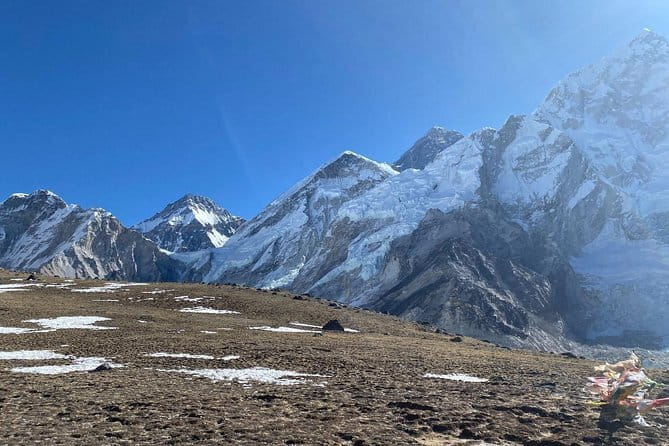
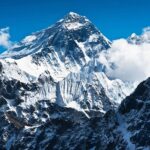
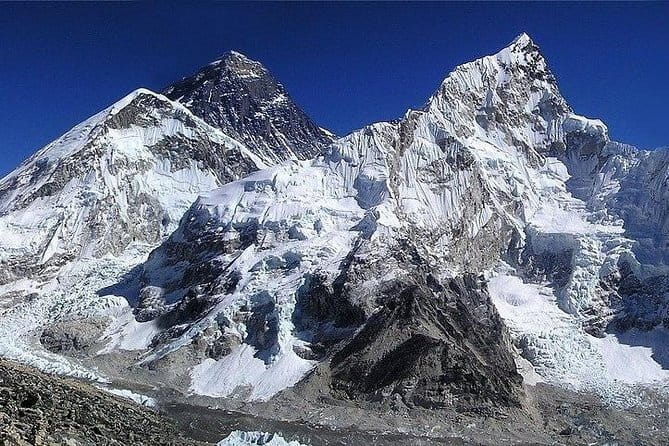
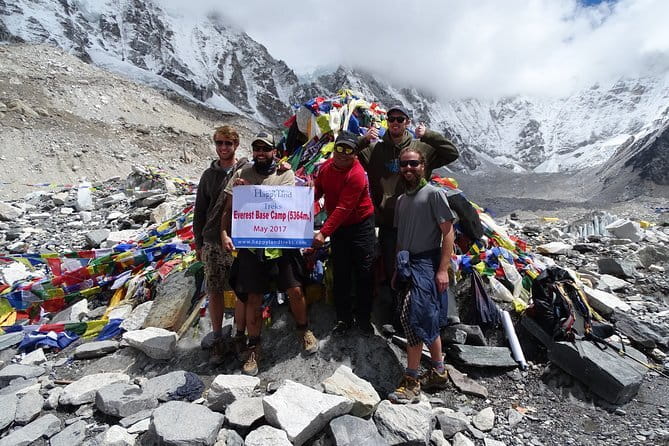
This trek is built for the classic Everest Base Camp goal, where your “big moment” isn’t just one photo spot. You work through the Khumbu region day by day, then earn your views. The route reaches Everest Base Camp at 5,364 meters, with acclimatization built into the schedule so you’re not totally guessing as you go.
There’s also a timing angle. The itinerary notes that Everest Base Camp’s location is set to move, which is part of why this kind of structured package matters now. If you’ve been waiting for the right window, this tour’s straightforward, preplanned format is the point.
And yes, you’ll be close to the famous scenery that people dream about for years. Just remember: high altitude doesn’t care about optimism. What you get here is a plan that supports pacing, with rest days and early mornings where they actually matter.
You can also read our reviews of more tours and experiences in Kathmandu.
Kathmandu start and finish: Thamel pickup and your comfort nights
Your experience begins in Kathmandu at Thamel (the meeting point), and you’ll be transferred from Tribhuvan International Airport to your hotel for the first night. In the reviews, I saw a consistent theme of arrival-day care, including one account mentioning airport pickup with garlands of marigolds. It’s a small thing, but it helps you get your bearings fast in a new country.
The package also includes a “celebration” piece: a night at a top Kathmandu hotel and dinner after you finish. That’s a smart move for a trek this demanding. You’re not just dropped back into chaos; you get a real place to recover before you fly onward.
If you’re the type who likes everything lined up before you arrive, this fits. And if you like to wander on your own, Kathmandu still gives you that space on the final leisure day.
Lukla flight and the Sherpa luggage crew: your first altitude step
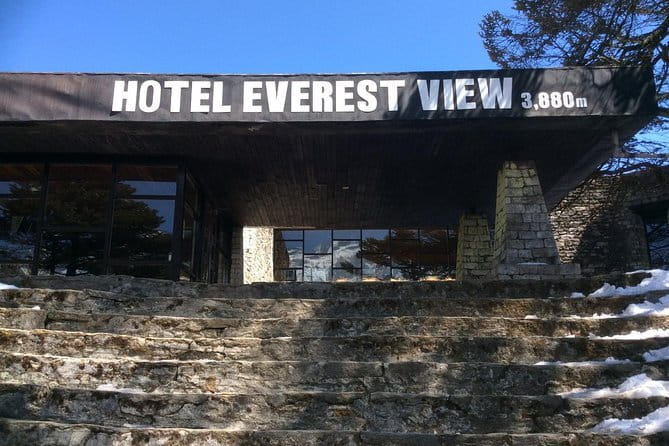
Day 2 is the big handoff day: an early scenic flight to Lukla (about 35 minutes), then the trek starts from there. It’s also when you meet and get introduced to the crew who carry your luggage for the trek. That detail matters more than it sounds. When you’re hiking at altitude, keeping your pack light can mean the difference between steady walking and constantly fighting fatigue.
The plan also includes a short acclimatization start soon after you begin. You’re still working up physically, but the tour is trying to take the edge off the shock of getting into the Everest region quickly.
One practical note: this tour is built around the Lukla flight connection, so your overall timing depends on that schedule. It’s part of the magic and part of the gamble.
Pine forests, Dudkosi crossings, and the Tengboche monastery morning
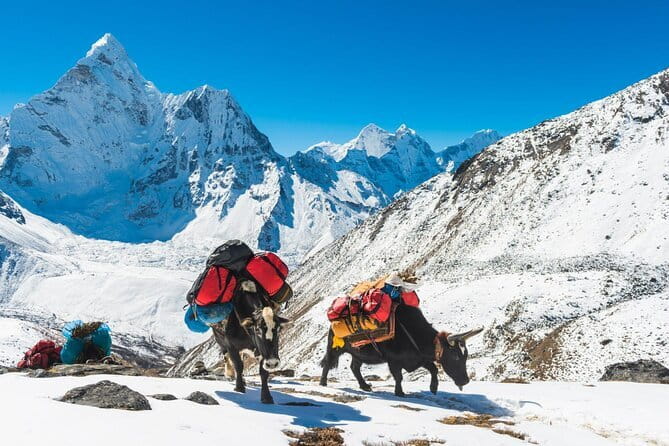
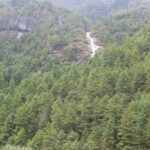
The early days mix classic Khumbu scenery with gradual elevation and a steady drip of Everest views. On Day 3, you’ll trek through lush pine forest and cross the Dudkosi River, with your first major sightlines to Everest. That’s a good day for settling into how the terrain feels underfoot, before the trek gets more intense.
Day 4 builds the view payoff. You rest and acclimatize, then ascend to a viewpoint where you can take in Everest plus neighboring peaks like Lhotse, Cholatse, Thamserku, Kwangde, Khandala, and Ama Dablam. This is the kind of day that helps you connect names on maps to faces in real life.
Day 5 follows with a more dynamic hiking feel: a section described as the high way of Everest, including a famous descent to the Dudh-Koshi River and an ascent along rhododendron. Day 6 is one of the emotional highlights in the plan: early morning at the monastery in Tengboche with mountains looking pristine, followed by a forested trail stretch often referenced as Merlin’s Forest.
Why these days work: they’re not just “walking.” They’re structured to give you big views, cultural moments, and varied trail textures while the body adjusts.
Dingboche rest day and Chukpo Lari memorials: acclimatization with meaning
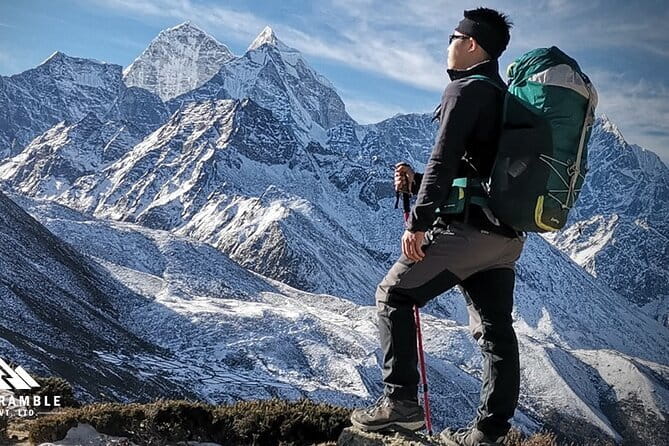
At Dingboche (Day 7), the plan calls for a rest day. That’s not filler. Dingboche is a key stopping point for trekkers and climbers in the Everest orbit, and the village is described as beautiful, with fields enclosed by stone walls used to protect barley. You get a break from constant ascent while still staying in the flow of the trek.
Then Day 8 has a two-step feel: a gradual climb to Duglha, followed by a steep push up to a ridge area at the top of Chukpo Lari. The route includes a poignant line of memorials in tribute to climbers who have died on Mt. Everest. For a lot of people, this is where the Everest trek stops being a bucket list and starts feeling real.
The practical benefit of this stretch is timing. You’re getting the height adaptation you need, but you’re also moving toward higher passes and the glacier zone with a better sense of what your body can handle.
Lobuche glacier zone and the Kalapathar sunrise push
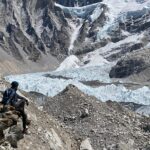
This is the section you’ve been building toward. Day 9 is described as the most exciting and long-awaited day: leaving Lobuche, you walk across a flat meadow before the trail heads north along the Khumbu Glacier. Then there’s short climbing onto the lateral moraine. It’s a different feel from forest and villages. The ground and the horizon change, and your attention shifts.
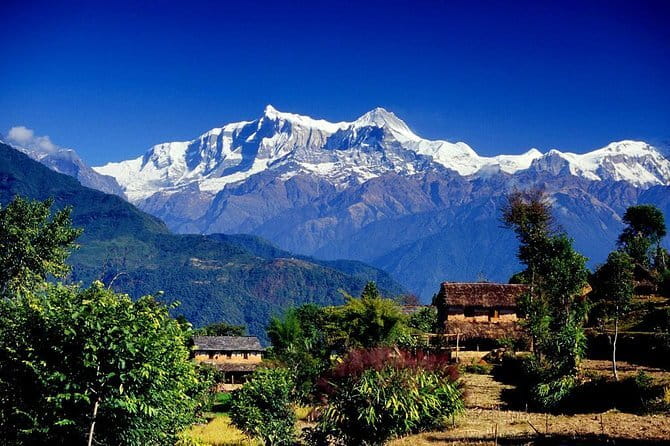
Day 10 is the classic sunrise mission. You wake early, climb for about two hours up to Kalapathar, described as at the bottom of Mt. Pumori. From Kalapathar, you’re set up for sunrise with 360-degree Himalayan views that include Everest, plus neighboring peaks like Nuptse and more of the surrounding range.
This is one of the best examples of how the itinerary is designed to “spend” your energy where it counts. The early wake-ups are not random. They’re tied to the highest reward moment on the trek.
The return down: Sherpa villages, Dudkosi river, and suspension bridges
Coming back is where you’ll feel both relief and a little challenge. Day 11 moves through Sherpa villages, drops toward and along the Dudkosi River area, then crosses into forest via Dingboche before climbing again toward Tengboche. It’s a reminder that the return is not a straight slide downhill; it’s still active hiking in altitude.
Day 12 is the long return day. The trail descends the steep section back along the same route, passing places like Jorsalle, Manjo, Benkar, Phakding, and other villages. You also get repeated suspension bridge crossings over Dudh Koshi, which adds a steady rhythm as you move toward the lower valleys.
By this point, your legs will know the trail, and that familiarity is a comfort. Still, expect tiredness. The upside is you’re walking with the knowledge that base camp days are behind you and Kathmandu is ahead.
Full-board lodge meals: good fuel, simple choices, real budgeting
This is one of the most practical inclusions in the package: full-board meals during the trek (breakfast, lunch, dinner). That means you’re not constantly hunting for food options at each stop, which keeps the day smoother and less stressful.
In the reviews, I saw a note that menus can be quite similar across several lodge days. Some accommodations (like one mentioned in Lukla) may not match the standard you imagine, and the dining experience can be simple. That doesn’t ruin the trek, but it does set expectations: you’re paying for the big vertical journey, not a culinary tour.
Plan for the extras too. The tour data is clear that you pay for water and drinks, plus Wi‑Fi if you want it. Hot showers are listed as a personal expense too, so don’t assume comfort is included at every stop.
Guides, permits, and the safety net Alpine Ramble handles
This trek is tied to a professional, licensed guide, and you get more than just someone to lead you on the trail. The package includes trekking documents such as Everest National Park requirements and a TIMS card, plus official taxes and expenses. That reduces the hassle of figuring out paperwork at the last minute.
You’ll also receive a first aid medical kit. The plan specifically mentions a basic first aid box including Diamox for high altitude sickness. It also lists emergency rescue operation support funded by travel insurance, which is an important part of what you’re buying: a plan that acknowledges risk and has a process.
The reviews add texture on the human side. People praised the owner Dil for quick communication and organization. Guides named in reviews include Sujal, Amer, Dhower, Laxman, Ram, Saugat, and Subash, with comments about being attentive, supportive, and especially helpful for younger trekkers. If you value a calm, capable presence, those names and themes matter.
And because the group max is 12 travelers, you’re more likely to get personal guidance rather than being one face in a line.
Price and value: what $1,420 includes and what you still pay
At $1,420 per person, the headline cost is only part of the story. The value is in what’s wrapped into that price: return flights between Kathmandu and Lukla, full-board meals during the trek, trekking lodges, a licensed guide, and the paperwork (including TIMS and national park documentation). You’re also getting a first aid kit and a structured emergency-rescue plan tied to travel insurance.
What isn’t included is where your personal budget shows up. The tour lists the Nepal entry visa fee, international flights, and personal expenses like hot shower costs, snacks, water, Wi‑Fi, and hot/cold drinks. If you want a porter, that’s optional and would cost extra too. Tipping/gratitude to guides and staff is also not included.
So how do you judge value? If you’d otherwise spend time and money arranging logistics on your own, this package is doing that work for you. If you’re a super budget traveler who can handle every step yourself, you might pay less independently, but you’ll also carry the extra planning stress.
Also note the booking timing clue: it’s often booked about 52 days in advance. If you’re traveling in a popular season, plan ahead so you’re not stuck with fewer options.
Who should book this Everest Base Camp trek
This is a good fit if you want a guided, small-group trek with clear pacing and real structure. The physical level is described as moderate fitness, and the itinerary has rest and acclimatization days, plus built-in transitions between villages, ridges, and glacier terrain.
You’ll likely enjoy it if you:
- want your permits and paperwork handled
- like staying in trekking lodges with full-board meals
- prefer meeting new people in a group capped at 12
- want the Kalapathar sunrise as part of the plan, not a last-minute gamble
You might want to think twice if you:
- strongly prefer total independence and don’t want a fixed itinerary
- dislike paying extra for drinks, Wi‑Fi, and tipping (the tour is transparent about these)
Should you book this Everest Base Camp trek with Alpine Ramble?
Yes, if you want a classic Everest Base Camp journey with support where it counts: luggage carried by Sherpa crew, licensed guidance, lodge meals, and the permits handled so you can focus on the walk. I especially like that the itinerary highlights acclimatization and that Kalapathar is clearly treated as a real payoff moment.
Book if you’re comfortable budgeting for water and drinks and understand that lodge quality can vary, especially early in the route. If you like everything run in an organized way, this one is built for you.
If you’re on the fence, the decision is simple: do you want to spend your energy on hiking and views, or on figuring out logistics? This tour pushes you toward hiking.
FAQ
What’s the starting point and where does the trek end?
The trek starts in Thamel, Kathmandu. The experience ends back at the meeting point in Thamel after your return from the trek.
How do I get to Everest from Kathmandu?
You fly round-trip between Kathmandu and Lukla. The itinerary includes a scenic flight to Lukla early on Day 2 and a return flight to Kathmandu on the final trekking day.
Is this trek a small group?
Yes. The group size is capped at a maximum of 12 travelers.
What’s included in the trekking meals?
Full-board meals are included during the trek, with breakfast, lunch, and dinner provided each day in trekking lodges.
What are some key things not included in the tour price?
Not included are Nepal entry visa fees, international flights, accommodations and food before and after the trek, local porter if you need one, and personal expenses like hot shower costs, hot and cold drinks, snacks, water, and Wi‑Fi. Tipping/gratitude to guides and staff is also not included.
Is Wi-Fi available?
Wi‑Fi is listed under personal expenses, which means it’s not included in the tour price.