Everest Base Camp is hard. This private trek makes it feel managed and human, with a clear 14-day plan, private pacing, and logistics handled from Kathmandu to Lukla. I especially like the airport/hotel pickup plus round-trip domestic flights, because it removes the usual Nepal-stress before you even start climbing. I also like that you get a guide plus a porter setup for heavy gear, so your energy goes into the steps, not hauling. A fair caution: this is altitude country, so the schedule still demands smart acclimatization and a solid, moderate fitness baseline.
You’ll spend time in key altitude towns (Namche Bazaar and Dingboche) to help your body adjust, then you push for Everest Base Camp and the big viewpoint day. It’s not just about reaching a photo spot. It’s about traveling through Sherpa culture, Buddhist monasteries, and high-altitude terrain while a team keeps the day-to-day moving.
In This Review
- Key highlights worth knowing
- Entering the Everest world with real logistics
- Kathmandu arrival: the welcome that sets the tone
- Lukla flights and day one trekking: the mountain switch flips fast
- Namche Bazaar: acclimatization with culture and practical breaks
- Tengboche: forests, elevation gain, and monastery vibes
- Dingboche twice: the smart pause before the higher push
- Lobuche to Base Camp: glacier-adjacent trekking and the EBC day
- Kala Patthar morning and the start of the descent
- Back to Lukla and down to Kathmandu
- What’s included (and why it’s usually the real value)
- The guide and porter setup: pace, safety, and your best energy use
- Altitude reality check: how to protect your trip
- Who this trek fits best
- Should you book this Everest Base Camp private trek?
Key highlights worth knowing
- Private, small-group feel: only your group participates, with a dedicated English-speaking guide
- Porter support for heavy gear: your heavier items are carried, reducing fatigue across long days
- Permits and entrance fees handled: the guide arranges what you need so you don’t hunt paperwork mid-trek
- Acclimatization built in: extra time in Namche Bazaar and Dingboche helps you adjust before higher push days
- Kathmandu comfort included: 2 nights in Kathmandu at a 3-star hotel with breakfast, not just a scramble to sleep somewhere
- Base Camp + major viewpoint day: the trek includes the EBC push and the Kala Patthar day
Entering the Everest world with real logistics
Everest Base Camp sounds dramatic, and it is. What surprised me is how much the trip’s success depends on the unglamorous parts: getting from Kathmandu to Lukla without chaos, carrying the right load, and knowing what days are for acclimatization instead of grinding. This private trek is built around exactly that.
You start with support on the ground—airport or hotel pickup in Kathmandu—and you’re guided through the program after arrival. On the trek, you get a professional English-speaking guide who handles accommodations and the necessary trekking permits/entrance fees. That matters because the higher you go, the less you want to be dealing with logistics and the more you want a steady routine.
The trek runs about 14 days total, and the itinerary is paced with a clear idea: reach altitude gradually, pause in the right places, then go for Everest Base Camp when your body is ready.
You can also read our reviews of more tours and experiences in Kathmandu.
Kathmandu arrival: the welcome that sets the tone
Day 1 is straightforward: you’re welcomed and transferred to your hotel in Kathmandu, and an airport representative explains the program on arrival. You also get 2 nights in Kathmandu in a 3-star hotel with breakfast, which is a genuine quality-of-life win before you head to the Khumbu.
This is one of those trips where sleep and meal rhythm matter. You’re not just spending a night in the city—you’re setting up your gear, getting your bearings, and adjusting to travel timing. Also, the tour is private, so the “what now?” moment is handled for you rather than left for you to figure out alone.
Lukla flights and day one trekking: the mountain switch flips fast
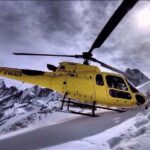
Day 2 begins with a scenic domestic flight from Kathmandu to Lukla, about 40 minutes, landing at Tenzing Hillary Airport. The first day of trekking then starts from Lukla, following the route into the Khumbu region.
Even if you’re eager to climb, think of this stage as your transition. You leave the city day behind, step into a trekking rhythm, and start moving through the valley system that defines the Everest experience. The walk is designed to get you moving while you still have energy, before the higher towns start stacking altitude challenges.
Namche Bazaar: acclimatization with culture and practical breaks
Day 3 brings you to Namche Bazaar after trekking along the northern bank of the Dudh Koshi River. You’ll cross multiple suspension bridges over the Dudh Koshi, including the Hillary Suspension Bridge. That’s the kind of scenery moment that makes the effort feel real, but it’s also a practical way to experience the route’s ups and downs early on.
Day 4 is where Namche becomes more than a waypoint. It’s an acclimatization day, and you’re encouraged to explore: WiFi-linked cafes, souvenir and gear shops, and local life. You also get an option to check out places like the Irish Pub listed in the route plan, which is a fun reminder that this trek isn’t stuck in survival mode 24/7. For me, this kind of town time matters because it lets you walk a little, breathe easier, and avoid rushing.
Day 4 is also a good reminder that private doesn’t mean reckless pace. Your guide’s job includes making sure you trek comfortably and safely, and acclimatization days are part of that plan—not wasted time.
Tengboche: forests, elevation gain, and monastery vibes
On Day 5, you head from Namche toward Tengboche. The route is full of ups and downs, with forests along the way, and it’s described as challenging while still rewarding. This is one of those days where your legs feel the transition between the river valleys and the higher spiritual and mountain-adjacent parts of Khumbu.
Tengboche is closely associated with Buddhist monastery culture in the region, and the overall trek themes include monasteries and Sherpa culture. Even if you just pause for views and listen to the rhythm of the village, it helps you understand why trekkers often remember this area as much for the people as for the peaks.
Dingboche twice: the smart pause before the higher push
Day 6 reaches Dingboche, with a trek that passes chortens, mani walls, and small villages like Pangboche. Pangboche is highlighted for stunning views of Mt. Ama Dablam, which is one of the moments that makes this region feel uniquely “Everest-adjacent” even when the giant peak names are still far away.
Day 7 is another acclimatization day in Dingboche. The plan is explicit: you’ve gained altitude, so your body needs time to adjust. At the same time, you’re not just sitting still; the route includes walking up on the ridge above Dingboche to stay active in a controlled way.
This is a big deal for your results. Everest Base Camp isn’t only about willpower. It’s about staying healthy enough to make the higher days. When a trek includes extra acclimatization time, you’re not guessing—you’re following a route designed to reduce the odds of running into trouble.
Lobuche to Base Camp: glacier-adjacent trekking and the EBC day
Day 8 takes you to Lobuche. The day begins with big Himalayan views, but the hike is described as difficult at first. As you approach Dusa, the valley narrows, and you follow the early sections of routes used by historic Everest exploration.
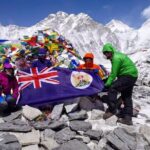
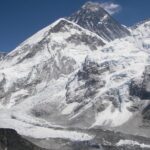
Day 9 is the Everest Base Camp day. The plan describes trekking through the lateral moraine of the Khumbu Glacier, reaching Gorak Shep village, and then summiting Base Camp. This is the heart of the experience—where the trekking becomes expedition-like, and where the terrain signals that you’re operating in a much harsher altitude zone.
This is also a day where your guide’s role matters. The route includes high-altitude terrain changes, and your comfort and safety depend on steady movement and good decision-making. Private means your pace should match your needs, not the average group.
Kala Patthar morning and the start of the descent
Day 10 is the Kala Patthar day. You’re up early, you have breakfast, and then you trek down toward Tengboche. The route passes through rhododendron forests, crosses the Imja Khola bridge, and continues through juniper forest.
Kala Patthar is one of those names you hear everywhere, and in a trek like this it acts as the “payoff” after Base Camp. But the real value is what comes with the morning push: confidence. After the EBC day, you’ve proven you can handle the altitude. Kala Patthar is the bonus view day, and it’s paired here with the start of descent, so you’re not stuck in the highest-zone slog for longer than needed.
Day 11 continues the descent toward Namche Bazaar. You’re moving through forests and bridges again, and the plan loops back into the lower town zone where you can breathe a little easier.
Back to Lukla and down to Kathmandu
Day 12 returns you to Lukla via Phakding, following the Dudh Koshi River and crossing suspension bridges along the way. The day is described as short in the context of the trek, which is exactly what you want late in the program. The goal here is to finish the trek with energy left, not to add a surprise endurance challenge.
Day 13 brings your flight back to Kathmandu, described as about 40 minutes, which turns the big achievement into something you can actually enjoy. Your last trek day isn’t about climbing—it’s about appreciation and recovery.
Day 14 is a farewell dinner in Kathmandu and you receive a trek certificate. It’s a small ending, but it matters because Everest trips can feel emotionally intense. A certificate and dinner give the story a proper close, and they also invite you to share what you loved and what you’d change.
What’s included (and why it’s usually the real value)
This trek is priced at $1,600, and the best way to judge value is to look at what’s handled for you. You get a lot of the “expensive headaches” included.
You’re covered for:
- Kathmandu to Lukla flights and airport tax (round-trip domestic air)
- Hotel in Kathmandu: 2 nights at a 3-star property with breakfast
- Lodges/tea houses on trek: accommodation through the trekking days
- All necessary permits and entrance fees
- Guide: professional English speaking
- Porter support: arranged to carry heavy gear (for two trekkers)
- Meals: breakfast 12 times, lunch 10 times, dinner 10 times
- Farewell dinner and trek certificate
- Airport/hotel pickup and drop by private vehicle
- Mobile ticket
When you add those pieces up, the price starts looking less like “just a guide” and more like a full operating system for your trip. It reduces your mental load, and that matters at 5,000m-ish and above.
One more practical note: the trek includes daily meals in a predictable way. If you’ve ever trekked where you have to negotiate food and timing day after day, you’ll appreciate how much smoother this becomes when meals are already part of the plan.
The guide and porter setup: pace, safety, and your best energy use
Private trekking isn’t only about exclusivity—it’s about control. With a dedicated guide and porter arrangement, you’re more likely to stick to an acclimatization-friendly pace. The trek also emphasizes that your guide will make sure you trek comfortably and safely and arrange everything along the route.
In the feedback connected with this company, certain names come up again and again as strong team members, including Kalyan Gurung, Parrkhidhan Tamang, Romeo, and Asman, along with porters like Ram and Minmar. You can’t assume you’ll get the exact same team, but it does tell you the service style: communication, politeness, and real support on the trail are clearly a priority.
Also, one of the most useful details for your expectations is this: the pace is adjusted to the group. If you’re slower on uphill sections, or you feel off, you don’t want a guide forcing a timetable. The trip is structured for comfort and safety first, then summit days second.
Altitude reality check: how to protect your trip
Everest Base Camp treks have one unavoidable theme: altitude changes can hit anyone. Even with good acclimatization, you need to respect how your body feels on each day.
This itinerary helps by including:
- Acclimatization in Namche Bazaar
- Acclimatization in Dingboche
- A structured push to Lobuche, then Base Camp
- A viewpoint day that’s paired with descent planning afterward
In other words, the route isn’t one long grind upward. It’s built to reduce the chance of rushing. Still, you should be prepared for the possibility of altitude sickness and be ready to speak up quickly if you don’t feel right. Your guide’s role includes handling medical issues and keeping you safe, which is crucial when conditions change fast.
Who this trek fits best
This private Everest Base Camp trek is a great match if:
- You want a private experience rather than sharing logistics with strangers
- You prefer a guided plan where permits, entrance fees, and accommodations are arranged
- You want a porter for heavy gear so you can focus on trekking
- You’re comfortable with a moderate fitness level and a high-altitude trekking profile
It’s also a strong choice if you value smooth coordination—airport/hotel transfers, domestic flights, and meal planning—because Everest treks punish disorganization.
If you’re the type who loves wandering completely on your own schedule, you might find a private guided structure less flexible than you want. But if your priority is a safer, cleaner path to EBC, the structure here is exactly what you’re paying for.
Should you book this Everest Base Camp private trek?
I’d book it if you want the Everest Base Camp experience with fewer operational headaches and more support. The included flights, Kathmandu hotel nights, permits, meals, porter arrangement, and guide-led acclimatization are the kind of value that pays off most when you’re tired, cold, and breathing thin air.
I would hesitate if you’re extremely budget-driven and want to DIY everything, or if you know you’re sensitive to altitude and you don’t want a paced plan that still requires altitude days. Also, since the trek “requires good weather” for operation, build in flexibility if conditions shift.
If you want Everest Base Camp the sensible way—with a real team running the show and you doing the trekking—that’s the sweet spot for this one.