REVIEW · KATHMANDU
Langtang Valley Trek
Book on Viator →Operated by Glorious Himalaya Trekking Pvt. Ltd. · Bookable on Viator
Glaciers loom close in Langtang. This trek runs close to Kathmandu yet feels remote, with rhododendron forests, glacier views, and Tibetan-style highland scenery that keeps changing mile to mile. My favorite parts are the sense of place around Kyanjin Gompa and the way this route puts serious mountains on your horizon fast.
I love the trek’s rhododendron-and-forest walking—you go from dense woodland to open views without needing fancy gear tricks. I also love the payoff at Tserko Ri (5000m) and the glacier viewpoints around Kyanjin Gompa, where the peaks feel close enough to study.
One consideration: altitude is real here. Even with generally manageable trekking days, the climb to higher viewpoints can feel tough if you’re not used to thinner air or if weather turns.
In This Review
- Key things I’d zero in on
- Why Langtang Valley feels different from typical trekking
- Price and logistics: what $850 buys you (and what it doesn’t)
- First day in Kathmandu: set your body up for the trek
- From Kathmandu to Syabrubesi: the long jeep ride that sets the tone
- Day 3 to Lama Hotel: forest walking and bridge crossings
- Day 4 to a Langtang village view: rhododendron, oak, pine, and pasture below
- The short push to Kyanjin Gompa: cheese, monasteries, and the last settlement feel
- Kyanjin Gompa days: monastery time and Tserko Ri (5000m)
- Coming back down: Lama Hotel and Syabrubesi feel easier, but don’t rush
- Back to Kathmandu and a final evening with choices
- Guides, safety, and real-world pacing
- Lodges, meals, and what to expect day to day
- What to pack for Langtang Valley trekking (practical and simple)
- Extra costs and the little stuff that affects comfort
- Who should choose this trek
- Should you book the Langtang Valley Trek for your next trip?
- FAQ
- How long is the Langtang Valley Trek?
- Where does the trek start and what’s the starting elevation?
- What is the highest viewpoint on this trek?
- What is Kyanjin Gompa and how high is it?
- Does the trip include meals?
- Are permits and entry fees included?
- Do I get airport transfers and Kathmandu hotel nights?
- Is a guide included?
- Are WiFi and hot showers included during the trek?
- What’s included versus not included in the price?
Key things I’d zero in on
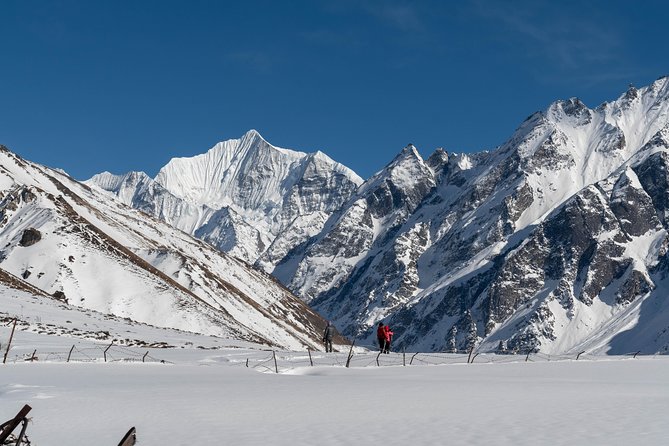
- Kyanjin Gompa at 3870m: the last human settlement feel, plus monasteries and nearby glacier views
- Rhododendron national flower vibes: forests that turn into big views, season to season
- Easy-to-moderate pacing with a high point: lots of walking comfort, then a tougher altitude day
- Human logistics done right: airport pickup, private vehicle shuttles, and a guide who knows the routes
- Culture on the edges: welcome dinner with cultural dance, Tamang settlements, and monastery visits
Why Langtang Valley feels different from typical trekking
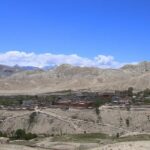
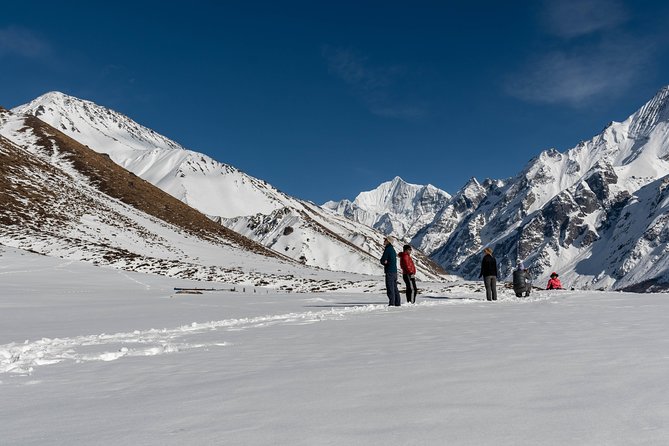
Langtang Valley sits close to Kathmandu, but it does not feel like a shortcut. You leave the Kathmandu valley region behind and start heading into a wilder rhythm of river trails, forests, and high pasture. People describe this area as similar to Tibetan highlands, and you can see why once you’re in the high valleys and looking at peaks ringed by glacier systems.
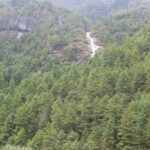
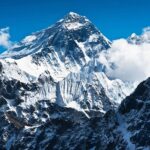
The scenery isn’t just about big tops in the distance. You’ll walk through dense bamboo forests, pass high waterfalls, and move through rhododendron country (Nepal’s national flower) while the Langtang peaks—like Langtang Lirung, Langtang Ri, Dorje Lakpa, Langshisa Ri, and Langtang Himal—hang overhead as your constant reference points.
If you like trekking that feels like a living landscape of people and animals, this route also delivers. Yaks, cows, sheep, goats, and horses show up during the grazing days, and you get proper village context rather than only passing through.
You can also read our reviews of more tours and experiences in Kathmandu.
Price and logistics: what $850 buys you (and what it doesn’t)
$850 per person is not cheap, but it’s also not just paying for a set of hikes. The package covers a lot of the “make-or-break” parts of trekking in Nepal: airport and hotel shuttles by private car/jeep, a welcome dinner with a cultural dance show, and two Kathmandu hotel nights with breakfast.
During the trek, your meals are handled each day—breakfast, lunch, and dinner—plus lodge accommodation at night. It also includes essential trekking and entry permit fees, an experienced Nepal government authorized trekking guide, and local jeep transport between Kathmandu and Syabrubesi.
What’s not included matters for budgeting:
- Nepal entry visa fees
- WiFi, hot shower, and charging during the trek
- International airfare
- Porter service (optional, extra cost)
- Tips for the trekking crew
If you want one simple value check: if you hate dealing with permits, transport timing, and meal/lodge planning, this kind of package can save you days of hassle. If you love organizing everything yourself, you might find a cheaper DIY path—but it takes more effort and risk on your side.
First day in Kathmandu: set your body up for the trek
You land at Tribhuvan International Airport and meet an airport representative outside the terminal. From there, it’s a private vehicle transfer into Kathmandu for your hotel stay.
This matters more than it sounds. The trek starts moving quickly toward higher country, so a smooth first day helps you settle your logistics—gear checks, cash needs, passport reminders, and getting used to Kathmandu’s pace and altitude.
Later, you’ll have a welcome dinner at a typical local restaurant with a cultural dance show. It’s a nice cultural reset before you spend the next stretch in quiet forest and mountain air.
From Kathmandu to Syabrubesi: the long jeep ride that sets the tone
On trek day, the drive from Kathmandu to Syabrubesi takes about 7 hours by local jeep. This route runs north out of the Kathmandu valley along foothills, including a section beside the Trisuli River.
Why I like this start: it gives you early glimpses that make the mountains feel like a real destination, not a distant photo. You may catch views of Ganesh Himal, Tibet peaks, terrace farming, and green hills while you’re still close enough to feel the Kathmandu region’s influence.
Syabrubesi is around 1500m, so you’re not starting at sea level. Still, it’s a good setup point for easing into the trekking rhythm.
Day 3 to Lama Hotel: forest walking and bridge crossings
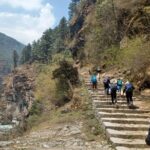
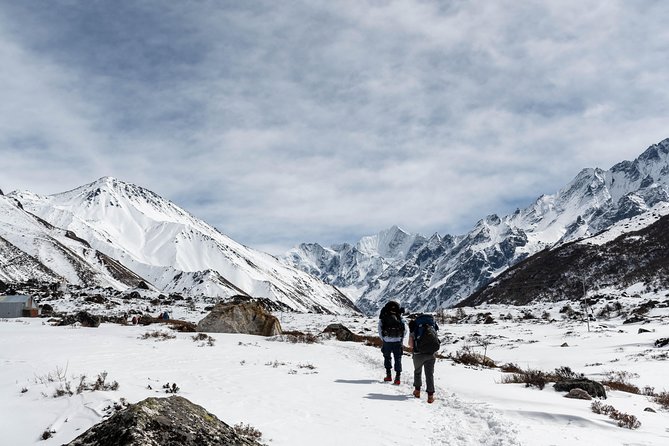
Your first trekking day takes you to Lama Hotel, around 7 hours walking time. The trail follows the Langtang River for stretches, then threads through dense forest.
Expect a mix of up-and-down walking rather than one constant grind. You’ll cross suspension bridges and follow the trail as it rolls through the valley’s natural shape.
What makes this day worth your attention: it’s the first time you properly feel the trekking ecosystem—sound of water, shade under tall trees, and the sense of moving through a corridor used by locals and traders long before today’s hikers.
Lama Hotel is your first lodge night, so you’ll likely appreciate that this day is about getting your legs going, not testing your endurance to the max.
Day 4 to a Langtang village view: rhododendron, oak, pine, and pasture below
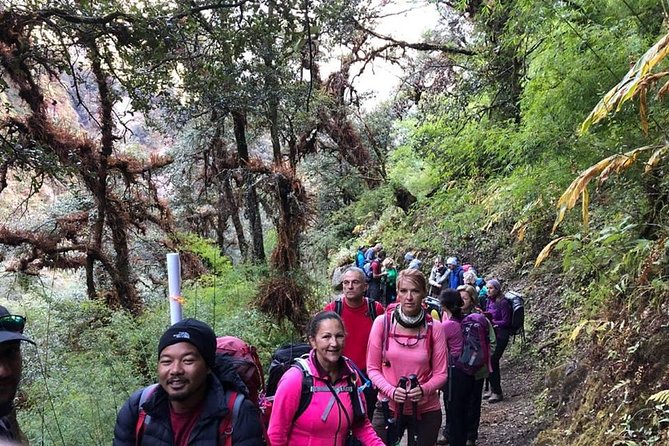
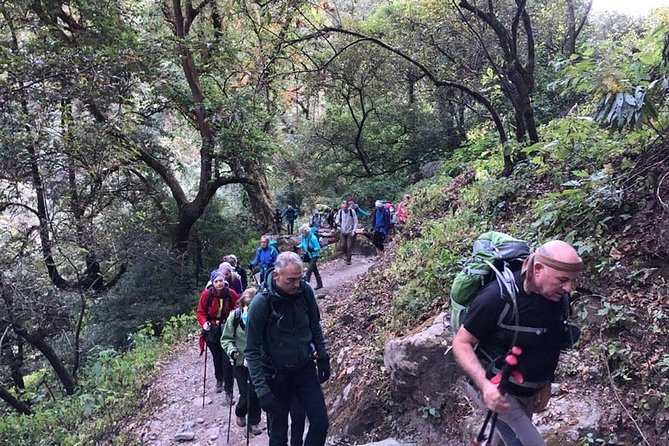
Today is around 6 hours and gets more scenic quickly. The route climbs through rhododendron, oak, and pine forests.
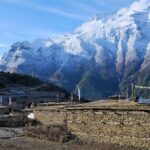
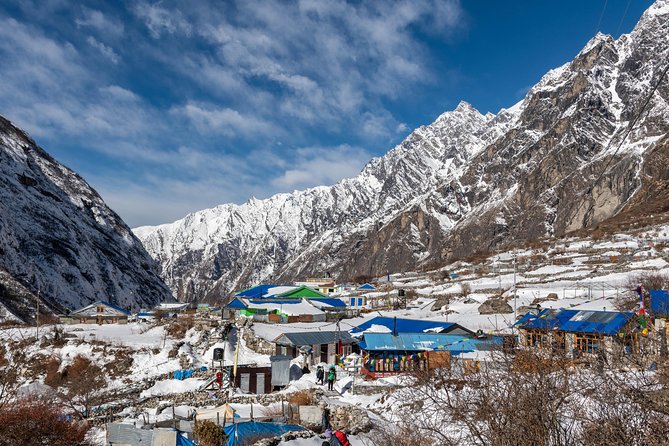
As you gain elevation, the forest becomes your runway into open viewpoints. You can see snow peaks of Langtang and a valley with grazing animals—yaks, cows, sheep, goats, and horses—plus the human life of the Tamang communities.
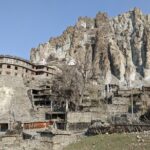
Langtang village is one of the oldest villages along this trek, and the views from here are described as very impressive. If you like “village plus mountains” travel, this is a satisfying stop before the journey pushes further toward Kyanjin Gompa.
The short push to Kyanjin Gompa: cheese, monasteries, and the last settlement feel
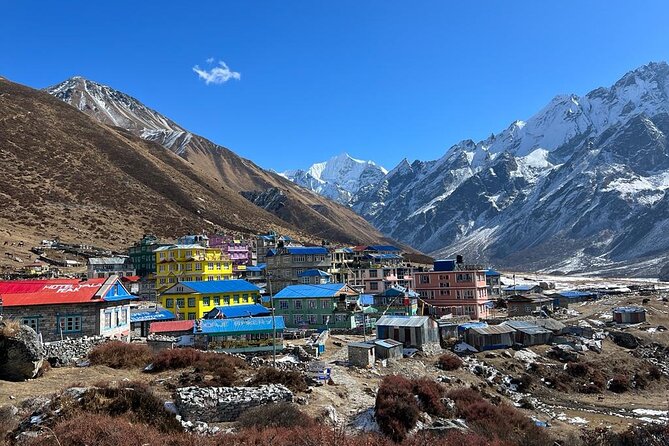
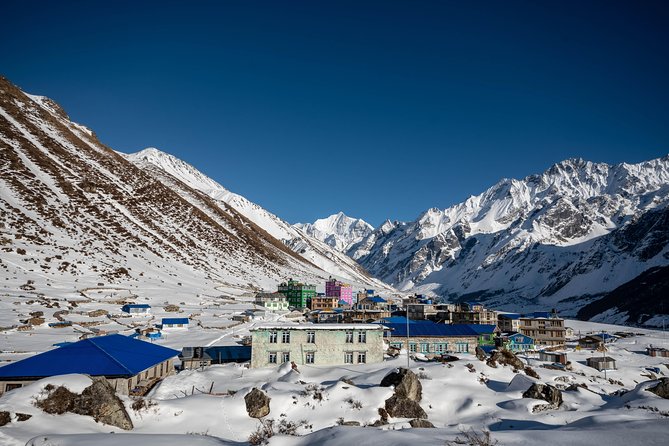
From the village area, you’ll do an easy and short trek to Kyanjin Gompa, about 3 hours. Kyanjin is described as the last human settlement of the Langtang valley, which changes the vibe immediately.
This is where the trip turns from trekking-in-a-valley to mountain-in-a-valley. You can visit the cheese factory and buy cheese produced locally, and there are monasteries with religious life that shapes daily routines up here.
If you’re the type who loves small details, this day is for you. It’s not just about altitude; it’s about seeing how people live at the edge of glacier territory.
Kyanjin Gompa days: monastery time and Tserko Ri (5000m)
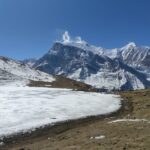
You’ll spend time sightseeing around Kyanjin Gompa. Plan for big views and older spiritual architecture. You’ll visit old Buddhist monasteries and take shorter walks focused on icy cones of Langtang peaks and glaciers that originated from the Himalayas.
Then comes the big day option: a walk to Tserko Ri (5000m). It’s listed as a viewpoint with panoramic views of Langtang glaciers, plus Langshisa Kharka, the yak pasture land.
Here’s the honest consideration: this is where effort becomes noticeable. Even if the route is manageable, you’re higher and moving at altitude. Pace matters. If you treat it like a slow, steady climb instead of a race, you’ll enjoy it more.
If you’ve booked with a flexible guide, you may also find time to adjust your walking to match your energy level. In past trips, guides like Buddhi have been noted for adapting the plan so people could reach major viewpoints such as Tserko Ri and additional nearby spots like Kyanjin Ti.
Coming back down: Lama Hotel and Syabrubesi feel easier, but don’t rush
After the Kyanjin Gompa day, you’ll trek downhill back to Lama Hotel, about 6 hours. This route goes through green forest and Tamang settlements.
Downhill is often “easier” in breath but not automatically easy on your body. Your knees will still get involved. Take your time with footing, especially on uneven lodge-trail ground.
The next day continues downhill to Syabrubesi (about 6 hours). The descriptions focus on lush green vegetation again, which makes the return feel like a slow transition out of high-country intensity.
Back to Kathmandu and a final evening with choices
After breakfast in Syabrubesi, you’ll take a local jeep or bus back to Kathmandu, around 7 hours. Once you arrive, you’ll be transferred to your Kathmandu hotel so you can freshen up.
If you want a simple plan for the evening, Thamel is where shopping and eating are easy. It’s also a good place to find last-minute supplies for the flight home.
Then on the final day, you’re dropped at the international airport for your onward journey.
Guides, safety, and real-world pacing
This trek lives or dies by a good guide and a realistic pace. The operator lists an experienced Nepal government authorized trekking guide, and your group experiences reflect that.
In reviews tied to this trek, guides such as Prakash, Bishal, Buddhi, Ram, Keshab, and Zagat come up as organized and careful. People also highlight that guides answered questions, communicated ahead of time, and kept the trip feeling safe and well-managed.
One theme I like: flexibility. When someone is willing to adjust the plan to your interests (within the constraints of time and weather), the trek becomes more than a checklist. You can often trade effort for the view you care about most—like prioritizing Tserko Ri if you’re feeling strong.
Lodges, meals, and what to expect day to day
During the trek, you get everyday 3 meals: breakfast, lunch, and dinner. That’s a big deal because it reduces decision fatigue. You won’t be hunting for food at altitude while trying to keep up your energy.
Lodges are included for night stays on the route. WiFi, hot showers, and charging are not included during the trek, so plan your expectations accordingly. If you need hot water for comfort, you might find it’s not consistent from place to place. Charge what you can before you get deep into the trail.
The company also says they can provide a duffel bag and sleeping bag if needed, which is helpful if you’re traveling light. (Still, you’ll want your own warm layers; altitude nights can be serious.)
What to pack for Langtang Valley trekking (practical and simple)
Based on what the trek includes and what it does not, here’s your smart starting list:
- Warm layers for cold mornings and altitude nights
- Sturdy hiking shoes or boots with good traction
- A daypack for water, snacks, and a warm layer
- Sun protection and sunglasses (higher altitude equals stronger UV)
- A basic first-aid approach for blisters and personal needs
- A headlamp, because lodge timing can vary
Also keep this in mind: you’ll have a first aid medical kit box included, but that does not replace your personal supplies.
Extra costs and the little stuff that affects comfort
A few things can catch people by surprise if they only look at the base price:
- Nepal entry visa fees
- Tips for your trekking crew (important in Nepal, and not included)
- Porter service is available at extra cost
- Hot shower, WiFi, and charging aren’t part of the trekking setup
If you carry a heavy backpack, consider a porter. If your budget is tight, you can still reduce load by packing light and using the provided duffel/sleeping bag support when offered.
Who should choose this trek
This trek fits best if you:
- Want a close-to-Kathmandu high-altitude experience without extreme technical trekking
- Like village culture alongside glacier country
- Can handle a moderate fitness level and some altitude days
- Appreciate organized logistics: shuttles, permits, meals, and guide support
It’s also a good match for a couple or a small group because it’s described as private, with only your group participating, and group discounts may apply.
If you’re a solo traveler, the structure can be comforting: you’re not guessing your transport or meals while at altitude. Just remember that solo doesn’t mean solo effort—you still need stamina and good pacing.
Should you book the Langtang Valley Trek for your next trip?
I’d book this trek if your goal is a classic Langtang experience: forest walking, monasteries, and glacier views, with the work handled for you. At $850, you’re paying for the guided structure—permits, guide, meals, lodge nights, and the Kathmandu/Syabrubesi transport that can turn messy if you DIY it.
Don’t book it if you hate altitude climbs or you can’t handle a day that includes reaching viewpoints around 5000m. Also, be honest about comfort expectations: hot showers and charging aren’t guaranteed, and weather matters because the trek requires good conditions.
If you want one decision rule: choose this trek when you’re ready to work a little for big mountain payoff—and when you want your time in Nepal to feel organized enough that you can focus on the trail.
FAQ
How long is the Langtang Valley Trek?
The duration is about 10 days.
Where does the trek start and what’s the starting elevation?
The trek starts in Syabrubesi, which is around 1500m.
What is the highest viewpoint on this trek?
You’ll have a chance to walk to Tserko Ri at 5000m.
What is Kyanjin Gompa and how high is it?
Kyanjin Gompa is a high-altitude village/settlement area associated with monasteries, and it is around 3870m.
Does the trip include meals?
Yes. During the trek, you get breakfast, lunch, and dinner every day.
Are permits and entry fees included?
Yes. Essential trekking and entry permit fees are included.
Do I get airport transfers and Kathmandu hotel nights?
Yes. Airport and hotel shuttle transfers are provided, and there are 2 nights in Kathmandu with breakfast.
Is a guide included?
Yes. You get an experienced Nepal government authorized trekking guide.
Are WiFi and hot showers included during the trek?
No. WiFi, hot shower, and charging are not included during the trek.
What’s included versus not included in the price?
Included: shuttles, welcome dinner with cultural dance show, Kathmandu hotels (2 nights), guide, lodges, permits, meals, and a first aid kit box. Not included: Nepal entry visa fees, WiFi/hot shower/charging, international airfare, porter (extra cost), and tips.