REVIEW · KATHMANDU
Makalu Base Camp Trek
Book on Viator →Operated by Bodhi Tree Tours Travel and Treks · Bookable on Viator
Makalu Base Camp doesn’t chase the crowds. I love the remote Makalu-Barun National Park route and the chance to see Mt. Makalu from unusual angles, with Everest, Lhotse, and Baruntse often in the same frame. I also like that the trek is packed with real trekking variety, from farm paths and dense forest to alpine passes, instead of repeating the same day over and over. One thing to consider: the itinerary includes a hard high-pass day and the whole trip is weather-dependent, so you should be ready to flex.
You’ll spend about 15 days moving through teahouses and a couple of basic-lodge or tented nights near the highest areas. This is an experience built around steady progress, acclimatization, and a slow return from altitude—not a rushed checklist.
In This Review
- Key highlights you’ll actually feel on the trail
- Why Makalu Base Camp feels different in eastern Nepal
- Price and what $1,750 buys you (and why it’s fair)
- Getting there right: Kathmandu to Tumlingtar to the park
- Day-by-day: the build-up from river valleys to higher trails
- Day 1: Enter Makalu-Barun National Park
- Day 2: Arun River descent and the climb to Seduwa
- Day 3: Farms and forests at a calmer pace
- Days 4–5: Uphill days and short hikes for acclimatization
- The big challenge: Shipton La and Keke La crossings
- Days 7–8: Rhododendron valleys and valley-view ascents
- Days 9–10: reaching Makalu Base Camp and a Barun Glacier option
- Day 9: The day you climb to base camp
- Day 10: Optional side hikes toward Barun Glacier
- Days 11–14: retracing steps down, with one more long descent
- Day 15: final trekking hour, then the drive and flight back
- Teahouses, water, and what to expect for meals
- Gear, safety, and how the team supports you
- Who should book this Makalu Base Camp trek (and who should think twice)
- Should you book with Bodhi Tree Tours and Treks?
- FAQ
- Where does the trek start and what time?
- How long is the Makalu Base Camp trek?
- What’s included in the trek package?
- Are flights included or do I need to arrange them?
- What about water, coffee, and tea?
- Are alcoholic drinks included?
- Will there be a chance for side hiking?
- What level of fitness is required?
- Is this a private group tour?
- What happens if the weather is poor?
Key highlights you’ll actually feel on the trail

- A less-traveled route through Makalu-Barun National Park, with long stretches of calm
- High passes on Day 6 (Shipton La 4,170m and Keke La 4,150m) for that big-Himalaya payoff
- Teahouse rhythm most nights, with basic lodge or tenting when the terrain gets serious
- Wildlife and botany possible, from red pandas to rhododendron forests and medicinal plants
- Support team built for trekking, with an English-speaking guide and porters insured for the job
- Views that stack peaks, including Mt. Makalu plus Everest, Lhotse, and Baruntse from distinct angles
Why Makalu Base Camp feels different in eastern Nepal
If you’ve done the big-name treks and felt like you were sharing your oxygen with too many people, this one hits a better balance. Makalu Base Camp takes you deep into a quieter pocket of the Himalayas where the trail feels more “in the wild” and less like a highway.
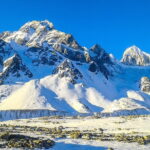
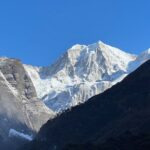
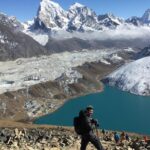
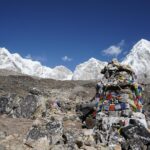
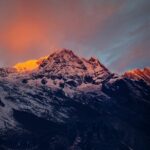
The star here is Mt. Makalu, the world’s fifth-highest mountain. You’re not just watching one peak from a single viewpoint. The trek’s design pulls you through different corridors where Mt. Makalu, along with Everest, Lhotse, and Baruntse, can show up from changing angles—often with a feeling of scale that photographs struggle to match.
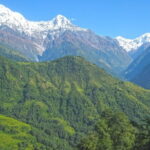
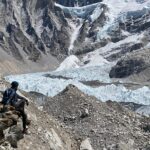
There’s also a nature-forward side that’s easy to overlook until you’re on the ground. This region sits in Makalu-Barun National Park, so the walk can bring you through rhododendron forests, waterfall country, and high alpine zones. If you’re the type who likes noticing birds, plants, and tracks rather than only summit drama, you’ll get extra satisfaction.
And you’ll likely feel that human side too. The journey passes through communities connected to Rai, Sherpa, and Bhotiya lifestyles, where hospitality tends to be simple and warm rather than staged. It adds depth without turning the trek into a cultural show.
You can also read our reviews of more tours and experiences in Kathmandu.
Price and what $1,750 buys you (and why it’s fair)

At $1,750 per person, this isn’t a bargain-basement hike. The value comes from what’s packaged in, not from what you still have to plan yourself.
You get core logistics handled: public flights between Kathmandu and Tumlingtar (two-way) are included, and you’re also covered with a trekking guide and porters, plus maps and first aid kits. The operator also lists sleeping bags, trekking poles, and crampons available on request, which can save money if you don’t already own proper gear.
Meals are structured too: breakfast, lunch, and dinner are included across the trek (the package lists multiple included meals—breakfast, lunch, and dinner—through the days on the trail). You’ll still be choosing from the tea house menus, but at least you’re not building your daily food budget from scratch.
The biggest “cost saver” is time and planning stress. Flights, team support, and day-by-day coordination reduce the chance of getting stuck on transportation decisions at the start or end of the trek.
That said, there are real add-ons you should budget for. Bottled water is not included, and coffee/tea are not included in the package. Visa fee and personal travel insurance also aren’t included. If you’re the kind of traveler who wants extra comfort (extra porter for personal gear), that’s available, but it adds cost.
Getting there right: Kathmandu to Tumlingtar to the park

Your trek begins with an early start in Kathmandu, with the meeting point at Tribhuvan Airport around 12:15 am. The operator also says pickup is offered, so if your hotel is nearby and they can arrange it, it can make that first push less painful.
From Kathmandu, you’ll take a short flight (about 45 minutes) toward Tumlingtar. Then there’s an off-road drive of about 4–5 hours before you settle for the first overnight at a teahouse near the start of the trail area. That mix matters because it signals what kind of trek this is: not just “walk all day,” but also built around Nepal’s real-world travel routes.
After you land and ride out into the region, the first day is about stepping into Makalu-Barun National Park. The timing isn’t the point—getting your body adjusted to the terrain and altitude feel is.
Day-by-day: the build-up from river valleys to higher trails

Day 1: Enter Makalu-Barun National Park
Day 1 is part travel, part transition. You’ll enter the national park area after the flight and off-road drive, then spend the night at a teahouse. It’s a good setup day because you’re not immediately thrown into a long grind.
If you’re carrying anything small but essential (headlamp, snacks you like, sunscreen), this is where you do the sanity check. When you start trekking for real, it’s not the day to discover you forgot something.
Day 2: Arun River descent and the climb to Seduwa
Day 2 takes you into steep trekking rhythm: a descent toward the Arun River, then a steep climb to Seduwa. This is exactly the kind of day that makes you feel your legs for the first time in Nepal.
Trek time is listed at about 5–6 hours, with an overnight at a teahouse. You’re building stamina while also learning how the trail feels—mud, slope, and the rhythm of step-by-step movement.
Day 3: Farms and forests at a calmer pace
Day 3 is a more gradual walk through farms and forests for about 4–5 hours. For many people, days like this are the secret to surviving higher elevations later.
Teahouse overnight continues, which keeps your nights comfortable enough to recover properly. You’ll still be tired, but you should feel like your body has time to adjust instead of taking a beating every day.
Days 4–5: Uphill days and short hikes for acclimatization
Day 4 shifts into a longer push: a long uphill through forest and meadows with about 6–7 hours trekking. Day 5 then adds acclimatization support with short hikes to nearby ridges.
Those “ridge hikes” aren’t just scenic add-ons. They’re a practical way to help your body adapt while keeping the effort manageable. This is especially valuable because the itinerary later includes pass crossings at higher elevations.
The big challenge: Shipton La and Keke La crossings

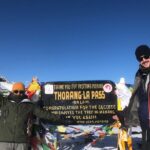
Day 6 is the standout test of the trek’s difficulty: you cross Shipton La (4,170m) and Keke La (4,150m). Trek time is listed at 6–7 hours, and it’s described as hard but beautiful.
This is the day you’ll want to respect. High passes reward steady pacing more than speed. If you try to “walk fast” as if you’re doing a fitness challenge, altitude will remind you.
It’s also the day where you’ll likely start to feel the payoff: big views, bigger air, and that sense of being above the noise. The teahouse overnight that follows helps you recover rather than immediately dropping into chaos.
If you’re carrying your own pacing plan, keep it simple: breathe steadily, take breaks before you’re exhausted, and drink water regularly (tea houses make hydration easier than carrying everything).
Days 7–8: Rhododendron valleys and valley-view ascents

Day 7 moves through rhododendron forests and river valleys for about 5–6 hours. This part of the trek often feels like the “fresh air” interlude between the hardest moments.
Day 8 is a gradual ascent with stunning valley views and about 5–6 hours of walking. These valley-view days matter because they build confidence: you can feel altitude progress while still enjoying the scenery and getting your body used to the rhythm.
Teahouse nights continue, so recovery and warm meals stay consistent. If you’re the type who worries about comfort, this is where the trek gives you breathing space.
Days 9–10: reaching Makalu Base Camp and a Barun Glacier option

Day 9: The day you climb to base camp
Day 9 is the big arrival: it climbs to Makalu Base Camp with incredible Himalayan views and about 6–7 hours trekking. Overnight is listed as a basic lodge or tented setup.
This is where the trek starts to feel more “expedition-like.” Even with guides and teahouses in the mix, base camp nights can be less plush. The reward is the wide-open sense of place—high altitude, dramatic weather shifts, and views you only get when you’ve put in the climb.
Day 10: Optional side hikes toward Barun Glacier
Day 10 keeps things flexible with an optional side hike toward the Barun Glacier. Overnight is again teahouse or tented camp depending on conditions.
This option is great if you want to add one more taste of high-mountain terrain without changing the whole itinerary. It also lets you choose based on how your body feels after base camp day. If you’re feeling strong, you’ll likely enjoy it; if not, you can conserve energy.
Days 11–14: retracing steps down, with one more long descent

Day 11 is a retrace step down with about 7 hours trekking. This kind of day can feel deceptively long because you’re still moving for hours, but your legs often feel different on the way down than on the climb.
Days 12 and 13 continue the descent rhythm with 6–7 hours and 5–6 hours respectively. Teahouses remain the norm here, so you’re still supported with meals and a real place to rest.
Day 14 brings a long descent for about 6–7 hours. This is a classic “don’t overdo it” moment. Going down can stress knees fast, especially on steep stone or uneven footing. Your best tool is patience: short steps, good posture, and plenty of breaks.
Day 15: final trekking hour, then the drive and flight back
Day 15 is a combo finish: about 4 hours of trekking, then a 4–5 hour drive. There’s also a flight option to return Tumlingtar to Kathmandu the same day if timing matches, or the next morning.
This matters because it changes how you plan your return day at home. If you want a clean travel schedule, consider building in buffer time after the trek. If timing lines up for same-day flights, it’s a nice bonus.
Teahouses, water, and what to expect for meals
You’ll spend most nights in teahouses, with base camp-related nights listed as basic lodge or tented. That means you should expect simple rooms, shared spaces sometimes, and practical warmth rather than hotel-style amenities.
The meal plan is included with menu items: breakfast, lunch, and dinner are specified as included for the relevant trekking days. You’ll still be ordering what the tea house offers that day, so the exact meal variety can change.
Water is one area you’ll manage. Bottled water is not included, but you can purchase it along the trail or refill at tea houses. I strongly suggest bringing a refillable water bottle so you’re not buying plastic every day.
Coffee and tea aren’t included in the package. You can buy them at tea houses if you want them, and many trekkers find hot drinks a morale booster when the air gets colder.
Gear, safety, and how the team supports you
This trek is run with an English-speaking guide plus porters. The package lists guide and porter daily allowances and insurance for guide and porter, along with first aid kits and maps. That’s the kind of safety-and-structure combo that makes a big difference when you’re far from city services.
Gear support is also part of the deal: sleeping bags, trekking poles, and crampons are provided on request. If you already own trekking poles, you can still use theirs if it’s easier to travel with less. If you don’t have winter-ready footwear or proper cold-weather layers, you’ll want to plan that carefully, because high elevation can be cold even if the daytime sun is bright.
From the team names shared by past trekkers, guides you might work with include Raj, Pujan, and David. The common thread is that they’re described as professional and helpful, which matches what you want on a trek that includes steep climbs, passes, and altitude recovery days.
Who should book this Makalu Base Camp trek (and who should think twice)
This is best for you if you:
- Want a quieter, less-crowded trekking route than Everest or Annapurna
- Like variety in scenery—forests, river valleys, meadows, and high passes
- Are comfortable with a structured acclimatization plan and a hard pass day
- Prefer teahouse support for most nights, with a couple of more basic nights near base camp
You might think twice if you:
- Don’t handle steep terrain well, especially when crossing at high elevations
- Are very weather-sensitive in your travel planning, because the experience requires good weather
The trek lists travelers should have moderate physical fitness. That’s a solid way to frame it: you don’t need to be a mountain athlete, but you do need consistent stamina and a willingness to work at altitude.
Should you book with Bodhi Tree Tours and Treks?
If your goal is Makalu in a remote, peace-first setting, this is a strong option. I like that the plan includes included flights, a supported team, maps, first aid kits, and even key trekking gear on request. For many travelers, that reduces the number of things that can go wrong in the weeks of planning.
I’d book this trek if you can handle a hard day at high passes and you’re okay with simple teahouses and less-comforty base camp nights. If that sounds like your kind of Himalaya adventure, the Makalu-Barun National Park route is exactly the kind of experience that leaves you thinking about the mountains in a more personal, quieter way.
FAQ
Where does the trek start and what time?
The start point is Tribhuvan Airport in Kathmandu, Nepal, with a start time listed as 12:15 am.
How long is the Makalu Base Camp trek?
The duration is listed as 15 days, approximately.
What’s included in the trek package?
Meals are included (breakfast, lunch, and dinner items from the menu), all fees and taxes, maps, an English-speaking guide, guide and porter insurance, first aid kits, and guide/porter daily allowances. Two-way flight tickets from Kathmandu to Tumlingtar are also included, along with sleeping bags, trekking poles, and crampons on request.
Are flights included or do I need to arrange them?
Public transportation includes two-way flight tickets from Kathmandu to Tumlingtar.
What about water, coffee, and tea?
Bottled water is not included. You can purchase bottled water along the trail or refill at tea houses, and a refillable bottle is recommended. Coffee and tea are not included in the package and can be purchased at tea houses.
Are alcoholic drinks included?
No. Alcoholic beverages are not included.
Will there be a chance for side hiking?
Yes. There’s an optional side hike towards the Barun Glacier on Day 10.
What level of fitness is required?
The information provided says travelers should have a moderate physical fitness level.
Is this a private group tour?
Yes. It’s described as a private tour/activity, with only your group participating.
What happens if the weather is poor?
The experience requires good weather. If it’s canceled due to poor weather, you’ll be offered a different date or a full refund. Cancellation is free up to 24 hours in advance for a full refund.