REVIEW · KARNATAKA
Gokarna Beach Trek
Book on Viator →Operated by Adventuresome · Bookable on Viator
Six beaches, one overnight, quiet coast.
On the Gokarna Beach Trek, you walk along Karnataka’s shoreline, pause for a swim in the Arabian Sea if you want, and end the day with sunset views before sleeping outside under the stars. I love how the route keeps you away from the loudest areas, and I also like that the day naturally builds into a real night-sky experience rather than a quick photo stop. The only real catch: some trails can be tough in places, with sand and uneven footing that rewards careful steps and proper shoes.
What makes it extra enjoyable is the private tour feel and the hands-on guiding. I like that it’s run so your group gets attention on the trail, and guide quality shows up in the details, with names like Prashant/Prashanth and Jahanooralam popping up in people’s experience. If you’re expecting an easy stroll the whole way, plan for a workout.
In This Review
- Key things that make this trek worth it
- Why This Overnight Beach Trek Feels Different in Gokarna
- Price and Value: What $149.74 Covers (and What It Doesn’t)
- Day 1: Western Ghats Views, Belkan Lunch, and the Paradise Beach Shift
- Paradise to OM and Kudle: How the Trek Connects Different “Moods”
- Sunset Camping and Sleeping Under Stars: The Part That Makes It an Overnight
- Day 2 Inland: Vibhuthi Falls, Yana Caves, and Mirjan Fort
- Meals, Water, and Pace: What You Can Count On While Walking
- Guides and Organization: What Personalized Attention Looks Like
- Comfort, Safety, and Packing for Scratches and Sand
- Who Should Book This and Who Should Rethink It
- Getting to Gokarna and Timing Your 2-Day Plan
- Should You Book the Gokarna Beach Trek?
- FAQ
- How long is the Gokarna Beach Trek?
- What meals are included in the price?
- Are entrance tickets included for Vibhuthi Falls, Yana Caves, and Mirjan Fort?
- Is this tour private?
- Where does the trek start and end?
- What if weather is bad?
Key things that make this trek worth it
- Six beaches in two days: you connect coves like Belkan/Belekkal, Paradise, OM, Kudle, and Half Moon (plus extra stretches between).
- Camping with sunset and stars: the best part isn’t a viewpoint bus stop. You actually end the day there.
- Meals handled for you: breakfast, lunch, and dinner are included, so you can focus on walking.
- A mix of coast + inland on Day 2: waterfalls, caves, and a 16th-century fort.
- Guides matter here: people highlight organized pacing and approachable hosting when sections get challenging.
Why This Overnight Beach Trek Feels Different in Gokarna
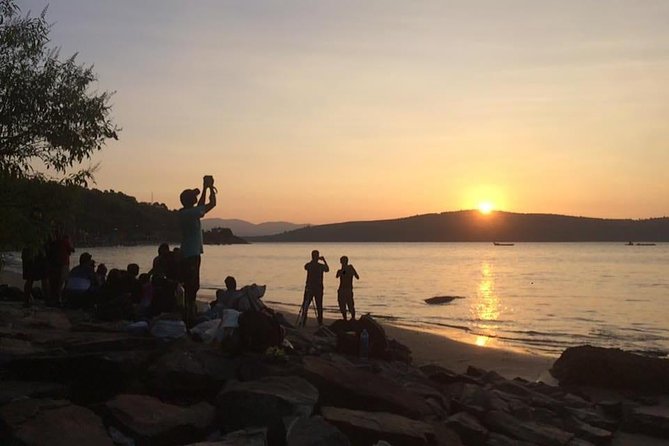
Gokarna is famous for beaches, but the big-name areas can get crowded fast. This trek is built for people who want motion and breathing room at the same time. Instead of jumping from one beach to the next by car, you move by foot along the coast, which changes how the place feels. You notice the small changes in light, wind, and shoreline shape as you go.
The overnight setup is the other big difference. You end the walking day close enough to the water that sunset feels personal, then you sleep under the stars. That’s not the kind of moment you get from a quick day trip. It’s also where the whole experience clicks for active travelers: you trade comfort-for-a-moment for scenery you don’t just look at—you live inside.
The main consideration is fitness and footwear. Even when a trail is short on the map, beach walking can be slower than expected. Expect some tougher sections and take your time, especially if conditions are slippery or uneven.
Price and Value: What $149.74 Covers (and What It Doesn’t)
At about $149.74 per person for roughly 2 days, the value comes from what’s bundled. You’re not only paying for the route—you’re paying for the whole “stay-and-eat” rhythm: breakfast, lunch, and dinner are included. That matters because trekking days add small costs fast (snacks, water, meals you’d otherwise hunt down).
On Day 2, the info is a bit different: anything beyond the included meals isn’t stated, and it explicitly notes that 2nd day lunch isn’t included. That means you should plan on budgeting for lunch on the second day after the cave and fort stops, unless the operator arranges something not listed.
Also note what’s missing. Private transportation isn’t included, so you’ll want to either arrange your own way to the meeting point in Gokarna or confirm how you’re expected to arrive.
Finally, this experience is weather-dependent. If it’s canceled due to poor weather, you’ll be offered a different date or a full refund. That’s important for planning because a coastal trek can turn unpleasant quickly in bad conditions.
Day 1: Western Ghats Views, Belkan Lunch, and the Paradise Beach Shift
Your day starts with bus-time scenery: as you ride, you get glimpses of the Western Ghats. It’s a nice warm-up because it reminds you the trek isn’t just beach sand. Even before you start walking, you’re seeing the inland terrain that shapes the region’s weather and coastal views.
Then you stop for breakfast at a restaurant to freshen up and eat. After that, you head toward Belkan Beach, arriving around noon. Lunch there is a smart pacing choice: it gives you energy before the main walking section starts. Beach treks can trick you into under-eating early, so building in a meal before the tougher part is a good move.
From Belkan, the walk continues toward Paradise Beach. Here’s where the trek earns its name. The route includes a small forest crossing with hilly terrain, and Paradise is described as raw and untouched—away from the rush. That means less of the usual commercial feel, and more of the coast in its more natural state. If you like the moment when a place goes quiet, this is the section.
Paradise to OM and Kudle: How the Trek Connects Different “Moods”
After Paradise, the next named stops help you understand the coastline variety you’ll be moving through. You’ll reach OM Beach, then continue onward toward Kudle Beach. The route between OM and Kudle is described as picturesque, which usually means you’ll get steady coastal views rather than a trail that feels like it’s stuck behind vegetation.
One practical thing to keep in mind: part of the route runs over sand, not just solid ground. That changes the effort level. Beach sand shifts under your feet, and it can lead to that “why is this taking so long” feeling if you’re used to rocky hiking trails.
This is also where “scratches and adventures” comes into the picture. People describe sections that are challenging in parts and emphasize being careful. So yes, it’s absolutely worth it for the scenery, but don’t treat it like a casual walk. Pack for blister prevention, and slow down when the trail narrows.
If you want a swim, this is the kind of trek where taking a dip can fit naturally into breaks between beaches. The experience is built for that Arabian Sea option, not just sightseeing from dry land.
Sunset Camping and Sleeping Under Stars: The Part That Makes It an Overnight
By late day, you set up camp and get to watch sunset before sleeping out under the stars. This is the moment you can’t replicate at a restaurant rooftop or a quick viewpoint stop. Even if you travel to collect photos, you’ll probably remember the temperatures and the sky more than any picture.
Camping also changes how you experience the coast. During the afternoon, beaches can still feel busy. Once the sun starts dropping and you’re on your own schedule, the soundscape shifts—waves, wind, and distance. It’s the kind of calm that makes a trek feel like more than exercise.
Two practical notes. First: bring layers for the evening. Coastal places can cool fast after sunset, and sleeping outdoors means you’ll want something more than what you wore during the day walk. Second: use whatever method you have for protecting your sleeping comfort; the trek’s main promise is the stars, but your job is to make that comfortable enough to actually enjoy.
Day 2 Inland: Vibhuthi Falls, Yana Caves, and Mirjan Fort
Day 2 starts with Vibhuthi Falls, a freshwater falls stop with free admission and about one hour there. It’s a good contrast to yesterday’s beach time. Waterfalls break up the “just coastline” vibe and reset your body after a walking day.
Next are Yana Caves, with admission included and roughly one hour on site. Caves change the pace again—less open space, more time paying attention to footing and the feel of the environment. If you’re the type who likes physical experiences, caves are often where a trek becomes a story, not just scenery.
Then you finish at Mirjan Fort, an old 16th-century fort known for its architectural elegance and for battles in the past, with admission included for about one hour. This stop gives you something meaningful beyond nature: architecture tied to a specific century, plus the historical context of conflict on the same ground.
After Mirjan Fort, the experience ends back at the starting point in Gokarna. So Day 2 is packed but varied—water, caves, then fort.
Meals, Water, and Pace: What You Can Count On While Walking
You’re covered on food for the trek portion: breakfast, lunch, and dinner are included. That matters because hunger during hiking can turn small aches into big complaints. It also keeps you from constantly searching for snacks during a time when you’re moving between beaches and trails.
The one item to plan around is 2nd day lunch being listed as not included. Since Day 2 has a waterfall, caves, and a fort, you may not have the time or options to eat leisurely between stops. So if you’re the type who likes to eat early, consider carrying a small amount of backup snack you can manage within the constraints of the day.
Also plan for water needs. The trek is coastal, and walking plus sun means you’ll be thirsty faster than you think. While the exact water logistics aren’t spelled out, the environment practically demands it—especially if you take a sea swim or spend time near the shoreline.
Guides and Organization: What Personalized Attention Looks Like
This is a private tour, meaning it’s only your group. People also highlight organization and support when the trail gets difficult in parts. Names like Prashant/Prashanth show up in experiences praising how the trek was set up, and Jahanooralam is mentioned for hosting that made people feel comfortable throughout.
So what does “personalized attention” mean on the ground? Usually it shows up as: timing that helps you reach beaches before crowds, guidance that keeps you on the right paths, and quick help when a trail section feels awkward. It also likely means you aren’t stuck with a huge crowd pace that doesn’t match yours.
If you’re going with kids or a mixed group, this kind of guided structure can be a safety net. One described group included adults and kids around age 12 and 6, and even then they said the trek was difficult in parts. That’s your clue: the guides can help, but you still should treat this as an active experience.
Comfort, Safety, and Packing for Scratches and Sand
The trek asks for sensible gear. The clearest advice from experiences is simple: wear appropriate footwear. The route can run over sand and across beach edges, so you want shoes that handle uneven ground and provide grip. If you go with flimsy footwear, your feet will pay the bill later—blisters and sore spots.
Also plan for trail-to-skin contact. The idea of scratches comes up, which usually means some sections aren’t smooth and friendly. Wear clothing you don’t mind getting scuffed a bit, and consider bringing basics that help with minor issues (a small blister kit, bandages, and any personal items you normally use).
For the outside-night part, pack for the temperature shift between day and night. Even if the day is warm, coastal evenings can feel cooler. Layers beat one heavy outfit because trekking days can be warm, then nights turn breezy.
And here’s the safety mindset that really helps: slow down in the tricky sections. A careful pace keeps you enjoying the beaches instead of watching your feet every second. You’ll still get the views.
Who Should Book This and Who Should Rethink It
This trek fits best if you’re an active traveler who likes walking more than riding. You’ll enjoy it if you want a non-commercialized feel to parts of the coast and you’re curious about how multiple beaches connect in one route. If you like overnight experiences—camping, sunset time, and sleeping outside—this is the sweet spot.
It might not fit as well if you want a fully easy stroll. The trail can be challenging in parts, and sand walking plus occasional uneven footing adds real effort. If your mobility is limited or you’re dealing with injuries, you might want to consider a simpler beach tour instead.
If you’re traveling solo, this can also work well because it’s guided and private for your group—though you’ll need to accept that you’re sharing the pace of an outdoor plan rather than lounging all day.
Getting to Gokarna and Timing Your 2-Day Plan
Your start is in Gokarna, Karnataka, India, and the tour ends back at the meeting point. The listed start time shows as 12:00 am, which is unusual enough that you should confirm your exact pickup timing after booking so you aren’t stuck guessing.
Because private transportation isn’t included, figure out your own way to Gokarna first. The good news is the experience is noted as near public transportation, so you’re not locked into a single private transfer option.
Plan your schedule around two days of walking and then a second day of sightseeing stops. Day 1 is where the physical demand sits, especially if you’re moving between beaches and hills. Day 2 is more structured by stops—waterfalls, caves, fort—so it still requires energy, just a different kind.
Also remember the experience depends on good weather. If forecasts look rough, keep flexibility in your dates.
Should You Book the Gokarna Beach Trek?
If you want your time in Gokarna to feel like you earned the views, book it. You get more than beaches—you get a coastal route, the chance for a sea swim, and a proper overnight moment with sunset and stars. The included meals also add real value for a trek, because you’re not juggling food on the move.
Before you say yes, be honest about your comfort with sand and uneven terrain. Bring the right footwear, take the trail sections slowly, and don’t treat it like a casual walk. If that fits you, the trek can be a standout two days on India’s west coast.
If you’re hoping for mostly indoor attractions or zero physical effort, choose something else. This one is for walkers, not for loungers.
FAQ
How long is the Gokarna Beach Trek?
It’s listed as about 2 days.
What meals are included in the price?
The experience includes breakfast, lunch, and dinner. 2nd day lunch is not included.
Are entrance tickets included for Vibhuthi Falls, Yana Caves, and Mirjan Fort?
Vibhuthi Falls has free admission. Yana Caves and Mirjan Fort include admission tickets.
Is this tour private?
Yes. It’s a private tour/activity, so only your group participates.
Where does the trek start and end?
It starts in Gokarna, Karnataka, India and ends back at the meeting point.
What if weather is bad?
This trek requires good weather. If it’s canceled due to poor weather, you’ll be offered a different date or a full refund.