REVIEW · KATHMANDU
Everest Base Camp Trek with Helicopter Return to Lukla – 10 Days
Book on Viator →Operated by Luxury Holidays Nepal Pvt. Ltd. · Bookable on Viator
One plane ride away from serious mountains. This Everest Base Camp trek adds a helicopter return from Gorakshep to Lukla, so you get the high-altitude drama with less slog on the back side. You’ll pass through famous stops like Namche Bazaar, Tengboche monasteries, and Dingboche acclimatization—then cap it off with Everest Base Camp and Kala Patthar.
What I like most is the way this trip cuts down logistics stress. You’re not figuring out permits, official paperwork, or the basics of lodging and timing on your own; plus the package includes a licensed English-speaking guide and a proper first-aid setup. And in the reviews, guide Ram keeps showing up as the kind of leader who helps the whole group feel taken care of, including older trekkers and mixed fitness levels.
The main consideration is altitude plus weather reality. Even with the helicopter, you’re still hiking at elevation, and the flights depend on conditions—so build in flexibility if the day’s plan gets adjusted.
In This Review
- Key highlights at a glance
- Everest Base Camp, With a Helicopter Out: Why This Format Works
- Kathmandu First: Settle In Before You Head for the Roof of the World
- Lukla and the Early Trek: Where the Adventure Starts Feeling Real
- Namche, Tengboche, and Dingboche: The Stops That Make Altitude Safer
- Everest Base Camp and Kala Patthar: The Two Big View Days
- Gorakshep to Lukla by Helicopter: Recovery With a Bird’s-Eye Bonus
- Kathmandu Farewell Dinner: Culture Without the Tourist Script
- Guide Support and Group Size: What Makes This Feel Like a Real Trip
- Price and Value: What You’re Paying for at $799
- Packing, Pace, and Fitness: How to Make the Trek Feel Better
- Should You Book This Everest Base Camp Trek With Helicopter Return?
- FAQ
- How long is the Everest Base Camp trek with helicopter return?
- Where does the tour start?
- What flights are included?
- What helicopter ride is included?
- What permits are covered?
- What lodging can I expect during the trek?
- What’s the guide setup like?
- Are meals included?
- Do I need travel insurance?
- Is a Nepal visa required, and how do I get it?
- What if the helicopter or flights can’t operate due to weather?
Key highlights at a glance
- Helicopter return from Gorakshep to Lukla saves you from a long down-hike
- Everest Base Camp + Kala Patthar for the big view moments, including sunrise timing
- Sherpa villages and major waypoints like Namche Bazaar, Tengboche, and Dingboche
- Licensed English-speaking guide with a track record of keeping groups calm (and moving)
- Included permits and logistics: Sagarmatha National Park, TIMS, and Pasang Lhamu Entry
- Small group size (max 15), which helps the guide manage pace and comfort
Everest Base Camp, With a Helicopter Out: Why This Format Works
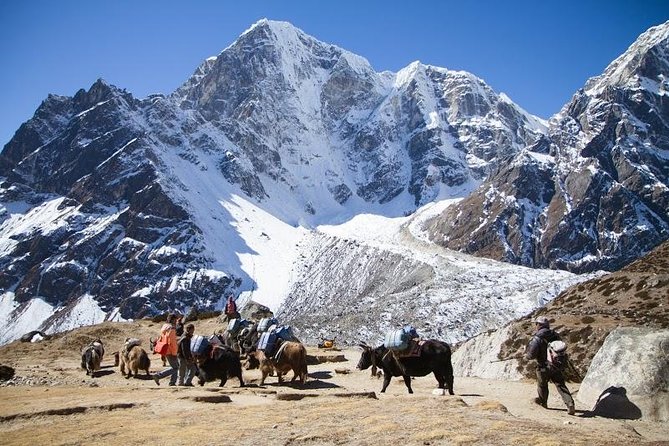
Traditional Everest Base Camp treks feel like two mountains in one: the climb up, then the long walk back down. This version adds a helicopter ride from Gorakshep to Lukla, which changes the endgame.
For you, that means more of your energy goes into the highlight days—Everest Base Camp and the hike to Kala Patthar—and less time is wasted on the grind of retracing steps. I also like the practical payoff: you get a different perspective from the air, seeing the route you already walked from a new angle.
Now the honest note. Helicopters are weather-dependent. The trip requires good conditions overall, so you should expect that flight timing could shift. The good news is the package includes both domestic flights (Kathmandu/Manthali to Lukla round-trip) and the helicopter return as defined parts of the plan, which reduces how much you’d otherwise be juggling on your own.
You can also read our reviews of more tours and experiences in Kathmandu.
Kathmandu First: Settle In Before You Head for the Roof of the World
Most people focus on Everest, but what makes a trek easier is what happens before the first steep day. In Kathmandu, you get a 3-star hotel with breakfast and private arrival/departure transfers. That matters because the day after you land—often jet-lagged, sometimes hungry, sometimes jet-sick—you don’t want to be hunting for logistics.
This also helps with rhythm. The trip starts at Tribhuvan Airport with a 9:00 am meeting time, and you’ll have the setup that keeps you moving instead of waiting around. You’ll also want that first cushion of civilization to prep your head for the next level: thin air, early mornings, simple guesthouses, and paying attention to how you feel.
If you’re the type who likes a clear plan and a calm start, this structure fits well. You’re basically buying yourself a smoother ramp into the Himalaya—without turning the whole thing into a “stand in a line and take a photo” experience.
Lukla and the Early Trek: Where the Adventure Starts Feeling Real
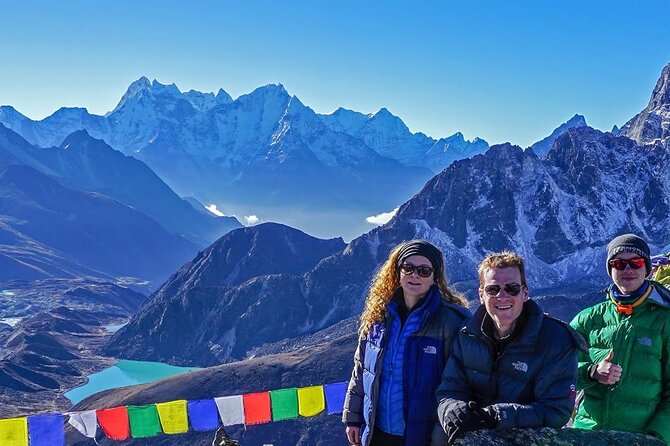
Your journey hinges on getting to Lukla, and the package handles the flights: Kathmandu/Manthali to Lukla round-trip. That’s a big deal for value because the effort (and hassle) of arranging flights at short notice can be exhausting—especially in a place where schedules can shift.
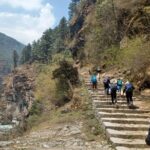
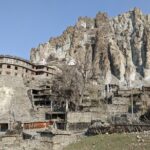
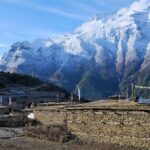
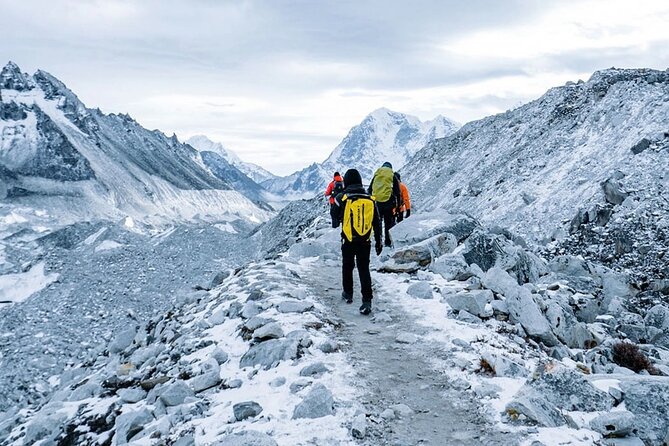
Once in Lukla, your trek follows the classic pathway through Sherpa country: you’ll pass through Sherpa villages, along the Dudh Koshi River, and climb gradually into higher terrain. I like this kind of start because it lets your body learn the pace. The early days are when you figure out your “new normal”: how often you drink, how slow you actually need to go, and how to keep your legs from burning too early.
Also, guesthouses along the route are included as standard guesthouses. That’s not luxury, but it’s exactly what you want here. You’re trading comfort for closeness to the experience—small rooms, simple meals (and yes, you’ll pay for some meals yourself), and a steady flow of other hikers to compare notes with.
One practical tip: with a trek this size, the small decisions early pay off. Eat smart at breakfast, pack layers you’ll actually use, and don’t treat the first days as “easy mode.” They’re your altitude tuition.
Namche, Tengboche, and Dingboche: The Stops That Make Altitude Safer
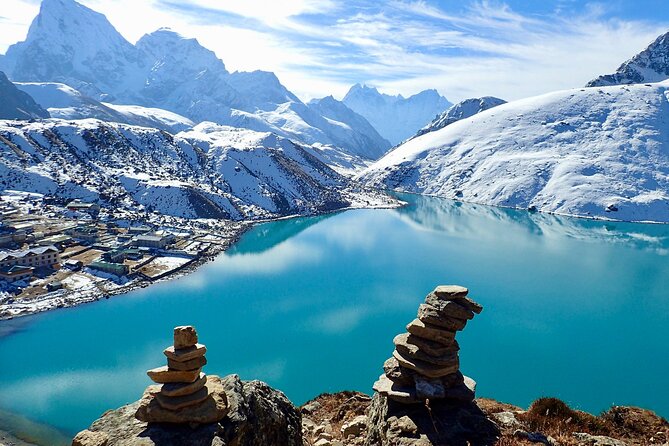
The Everest Base Camp route isn’t just about distance. It’s about timing—when you go higher, when you pause, and how you respond to your body.
You’ll spend time in Namche Bazaar, and you’re not just passing through. This is where the trek typically starts feeling like a real expedition: bigger village energy, more trail traffic, and plenty of chances to slow down and let your breathing settle. The value of including this stop is that it helps you acclimate while still giving you a memorable place to breathe, shop, and reset.
Then comes Tengboche, known for monasteries and the spiritual side of the region. Even if you don’t think of yourself as a “temple person,” the monastery stops tend to do something useful: they interrupt the monotony of hiking and remind you that people live here year-round, not just during trekking season.
After that, you’ll acclimate in Dingboche. This is one of the key phases for a safer high-altitude week. You’ll see why when you’re at elevation and you realize “fast and ambitious” is a bad strategy. Your guide’s job here is pacing and decision-making—helping you adjust to how you feel rather than forcing a strict ego timeline.
In the reviews, the theme is consistent: guides like Ram are praised for watching group conditions and keeping spirits up, including when the pace or altitude makes you second-guess yourself.
Everest Base Camp and Kala Patthar: The Two Big View Days
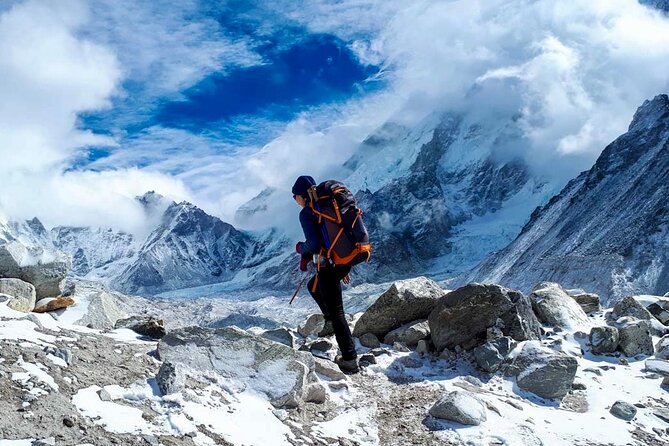
Here’s what you came for: the days when Everest stops being a concept and starts being a physical reality.
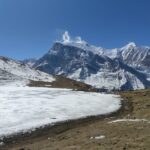
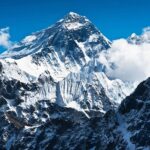
You’ll reach Everest Base Camp to witness the scale of Everest’s world-famous face. Base Camp isn’t the summit, but it carries its own weight—wind, altitude fatigue, and that mix of silence and excitement when everyone arrives at once and then slowly starts looking around like their brain needs a minute to catch up.
Then there’s Kala Patthar, the go-to for sunrise views. The trek includes this hike specifically for the morning light. If you want the emotional payoff, this is the day. Sunrise at altitude has a way of making everything feel bigger—mountains, clouds, even your own tiredness—so the effort feels more reasonable.
One thing I’d plan for: early starts are part of the deal. Even if the hike itself is achievable, your body might feel off if you don’t sleep well or if you’re still adjusting to altitude. That’s why the earlier acclimatization stops matter.
Also, remember that clouds can ruin a sunrise plan. This doesn’t mean your day is a waste—it just means you should keep expectations flexible and trust the process.
Gorakshep to Lukla by Helicopter: Recovery With a Bird’s-Eye Bonus
After Kala Patthar, you’ll be in the Gorakshep area, and that’s where the trip flips from hiking to recovery. The included helicopter ride from Gorakshep to Lukla is the centerpiece “less work on the return” feature.
For you, this changes how the last days feel. Instead of spending one more chunk of time walking, you get a fast exit and time to breathe normally again. It’s also a strong mental shift: you go from focused effort to relief, then into the simpler rhythm of Lukla.
And yes, the aerial angle is the fun part. You’ll see the broader route you already trekked, which makes the whole trip click into one connected story. It’s like getting a highlight reel of your own footsteps.
Again, weather can affect helicopter operations. But because this ride is included as a core part of the package, it’s built into the plan—not something you’re scrambling to organize at the end.
Kathmandu Farewell Dinner: Culture Without the Tourist Script
After the trek, you’re back in Kathmandu for a farewell dinner featuring Nepali cuisine and a cultural show with traditional dance. This is the right kind of ending: celebration without pretending Everest is the only story.
You’ll get a social finish line. People talk about what they saw, what surprised them, and which day felt hardest (usually not the one you expected). And the dance component adds a local rhythm that feels more like a community event than a performance for strangers.
This also fits the way the trek is structured. You’re in simple guesthouses and mountain air for days, then you land back in a real city environment. A cultural wrap-up helps you absorb the journey instead of rushing straight back into emails and normal life.
Guide Support and Group Size: What Makes This Feel Like a Real Trip
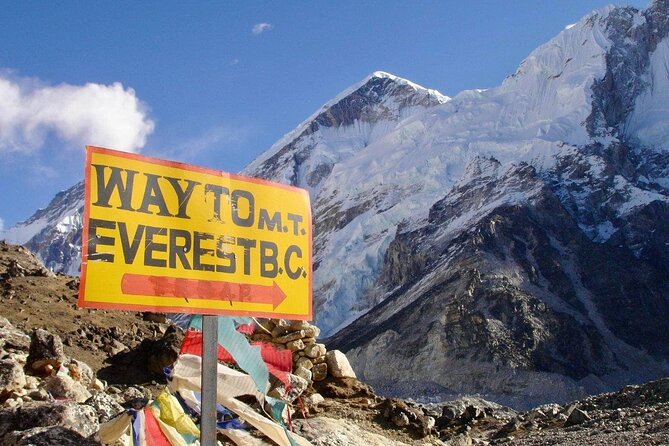
What makes Everest Base Camp manageable isn’t just fitness. It’s having someone who can read the situation and keep you steady when things get slow, cold, or confusing.
This trip includes a licensed English-speaking guide, plus a comprehensive medical kit. You also get a duffel bag, a sleeping bag, a T-shirt, and a map. That’s not only convenient—it reduces the chance you show up unprepared and then waste money or time fixing gear problems mid-journey.
In the reviews you provided, guide Ram repeatedly gets praise for making things easier. People mention he was flexible, patient, and attentive to conditions, and that he helped both energetic hikers and older trekkers keep moving with confidence. That kind of support is exactly what you want when altitude makes everything feel more personal.
The group size is capped at 15 travelers. That’s another practical win: smaller groups usually mean less crowding, more attention from the guide, and a better chance your pace gets respected.
If you’d like extra help, porter service is optional (and it’s recommended as one porter for two trekkers). Don’t treat it as weakness. It’s about protecting your energy for the days that count.
Price and Value: What You’re Paying for at $799
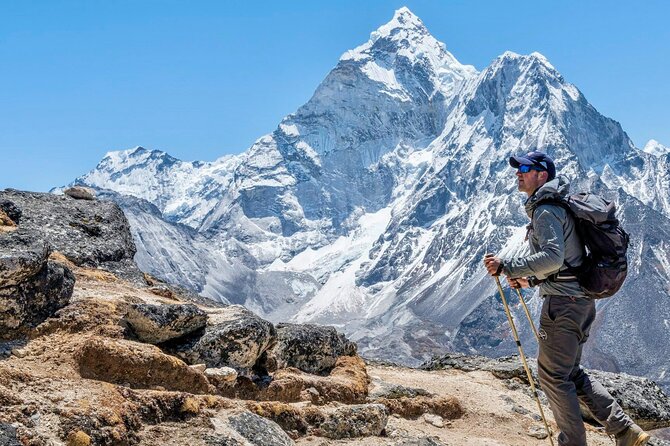
At $799 per person, this package is priced like a “logistics-first” Everest trip. That’s a useful distinction. You aren’t just paying for walking days. You’re paying for the machinery that keeps the trek running: flights, permits, guides, lodging arrangements, and critical pieces like the helicopter return.
Here’s what’s included that affects value:
- Private transfers in Kathmandu
- 3-star hotel with breakfast in Kathmandu
- Permits: Sagarmatha National Park, TIMS, and Pasang Lhamu Entry
- Domestic flights Kathmandu/Manthali ↔ Lukla
- Helicopter Gorakshep → Lukla
- Guesthouse lodging along the trek
- Licensed English-speaking guide plus medical kit
- Farewell dinner with Nepali cuisine and cultural show
- Taxes and official fees
Now the “budget yourself” items:
- Meals: lunch & dinner in Kathmandu are not included, and meals during the trek are not included
- Nepal visa is on arrival (and you’ll handle it yourself)
- Insurance is required, and it must cover medical & high-altitude evacuation
- Personal expenses: snacks, beverages, laundry, and tips
- Porters are optional
So, the value math depends on your spending habits. If you budget for your own meals and you already have the right insurance mindset, this can feel like a fair package for what’s included—especially the helicopter return, which is a costly element in most Everest plans.
Packing, Pace, and Fitness: How to Make the Trek Feel Better
This trek is listed for moderate physical fitness, and that’s realistic—but don’t confuse “moderate” with “easy.” The Himalaya doesn’t care what your treadmill routine is. Altitude changes your breathing and your stamina, and it makes walking feel heavier.
You’ll also want to take advantage of what’s included. The package provides a sleeping bag, plus a duffel bag and a few essentials like a map and a T-shirt. That helps you pack smarter and avoid buying gear in a rush.
The personal gear you’ll still want to bring (based on common sense, not guesswork) is mostly about layers and comfort. Cold nights and early starts are the norm, and guesthouse conditions aren’t like a standard hotel. Plan for temperature swings.
For pace, use this rule: if you feel like you’re pushing, you probably are. Go slower than you think you need to. Your guide should help you manage that, and the fact that multiple guides (including Ram) are praised for monitoring group conditions tells me the program expects this to be part of the job.
Finally, insurance. This is not a checkbox. High-altitude medical evacuation can be expensive, so plan accordingly before you pay for anything else.
Should You Book This Everest Base Camp Trek With Helicopter Return?
If you want Everest Base Camp but you also want a smarter end to the story, this is a strong option. The biggest reason to book is the included helicopter return from Gorakshep to Lukla. It turns the last hiking days into recovery time, not another multi-day slog.
I’d lean toward booking if:
- you like clear logistics and a licensed guide
- you want accommodation arranged with standard guesthouses
- you value the big view days: Everest Base Camp and Kala Patthar
- you’d rather spend energy where it counts and save your legs for the summit-style moments (even without a summit)
I’d pause if:
- you’re not comfortable with weather-driven flight changes
- you’re expecting every day to be easy cruising at altitude
- you don’t want to manage meals and snacks on your own budget during the trek
If that all sounds like your style, go for it. You’ll trade some self-planning for a smoother trip—and with guide support that shows up clearly in the reviews, it’s the kind of program that helps you focus on the views and the experience.
FAQ
How long is the Everest Base Camp trek with helicopter return?
It’s listed as 10 days approximately.
Where does the tour start?
The start meeting point is Tribhuvan Airport in Kathmandu, Nepal, with a start time of 9:00 am.
What flights are included?
Domestic flights are included: Kathmandu/Manthali to Lukla round-trip.
What helicopter ride is included?
The helicopter ride included is from Gorakshep to Lukla.
What permits are covered?
The package includes permits for Sagarmatha National Park, TIMS, and Pasang Lhamu Entry.
What lodging can I expect during the trek?
You’ll stay in standard guesthouses along the route.
What’s the guide setup like?
A licensed English-speaking guide is included, along with a comprehensive first-aid/medical kit.
Are meals included?
Lunch & dinner in Kathmandu are not included, and meals during the trek are not included.
Do I need travel insurance?
Yes. Your insurance must cover medical needs and high-altitude evacuation.
Is a Nepal visa required, and how do I get it?
A Nepal visa is required and it’s obtained on arrival.
What if the helicopter or flights can’t operate due to weather?
The experience requires good weather. If it’s canceled due to poor weather, you’ll be offered a different date or a full refund.