REVIEW · MARRAKECH
Mount Toubkal Trek: 2-Day Adventure
Book on Viator →Operated by Toubkal Hiking Team · Bookable on Viator
Sunrise on Toubkal hits different. This 2-day supported trek up Mount Toubkal (4167m) combines an English-speaking local guide, mules and cooks, and a night at the refuge so you can focus on the walk. I also like how easy it is to meet the group in Imlil and how the route is aimed at good walkers, not rock climbers. One thing to consider: from November to April, you may face snow and cold that can require crampons or an ice axe for security.
What makes it especially rewarding is the way the climb is paced for real people. You don’t need technical climbing skills. You do need steady legs, and you’ll want the right winter gear if conditions are snowy. If that sounds like you, you’ll get summit views that stretch across the Atlas and toward the start of the Sahara.
In This Review
- Key takeaways before you go
- From Marrakech to Imlil: the day starts at 8:30
- Day One to the Refuge: walking the Atlas with cooks and mule support
- Day Two sunrise: early breakfast and the top at first light
- How hard is it, really? Walking pace, altitude, and winter gear
- Guides and team energy: Hussein and Yassine set the tone
- Price and value: $232.29 for a supported summit attempt
- Timing, group size, and what to watch for on the ground
- What to bring: camera, towels, water, and possible winter gear
- Who this trek suits best
- Should you book this Mount Toubkal 2-Day Adventure?
- FAQ
- What time does the trek start?
- Do I get pickup and drop-off?
- Is this a technical climb?
- What meals are included?
- Where do you stay overnight?
- What should I bring for the summit views?
- What happens if weather is bad?
Key takeaways before you go
- Highest peak in North Africa in two days with a straightforward, guided ascent plan
- Meals and hot drinks are handled, including dinner and breakfast around the trekking rhythm
- Local English-speaking guidance (Imlil meetup is designed to be easy to find)
- Refuge night + Berber hospitality that makes the long day feel human
- Sunrise summit payoff with sweeping views in multiple directions
- Mules carry luggage, so you’re not hauling everything uphill
From Marrakech to Imlil: the day starts at 8:30
Most of the value here is that the logistics are taken care of for you. You get pickup and drop-off, so you’re not trying to stitch together transport after a very long day on your feet. The plan kicks off at 8:30am from the Imlil departure area, which matters because the summit day depends on an early start and timing.
Imlil is the base for a lot of Atlas treks, and that’s a plus: you can get oriented quickly, meet your guide at the departure point, and begin the walk without a lot of uncertainty. Since the group cap is listed at 50 travelers, you should expect it to be organized, even if you’re not guaranteed a tiny private group.
If you’re coming from Marrakech and want a trek that feels like it runs on schedule—rather than improvising—this structure helps. You also get a mobile ticket, which reduces the last-minute “Where do I print this?” stress.
You can also read our reviews of more tours and experiences in Marrakech.

Day One to the Refuge: walking the Atlas with cooks and mule support
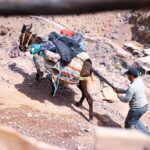
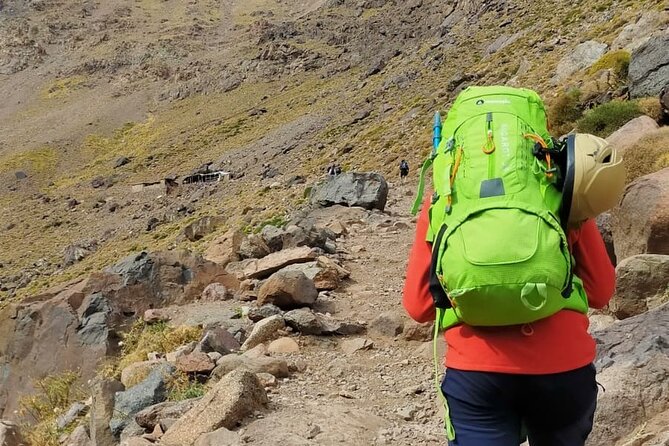
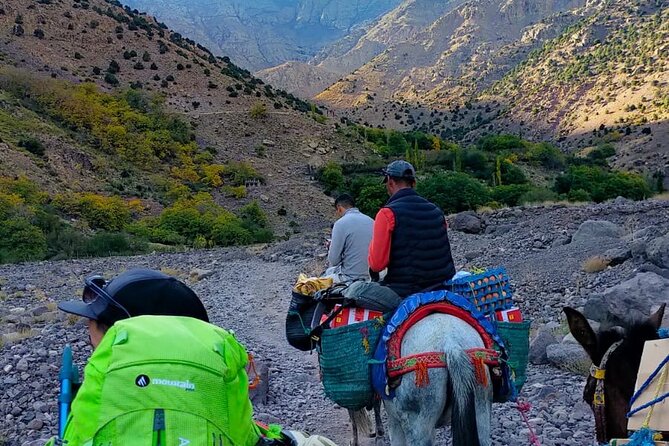
Day one is all about motion and adjustment. You trek with a local English-speaking guide, and the team includes a local cook plus pack mules for luggage. That matters more than people think. When you’re climbing for altitude and time, the load you carry affects how you feel on day two. With luggage handled, you can focus on your pace and not on managing a heavy pack on uneven mountain paths.
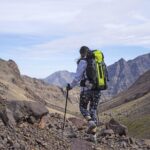
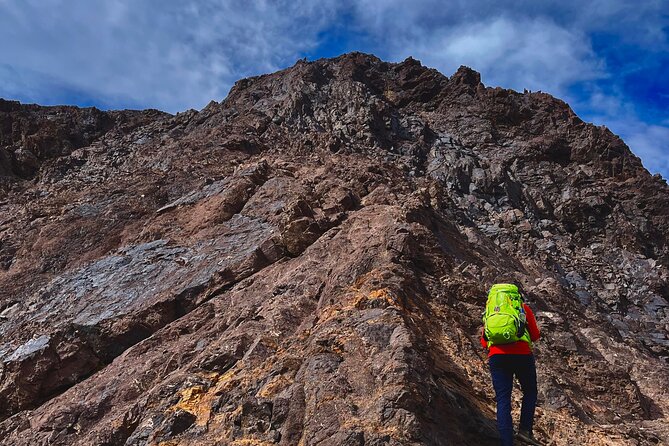
Along the way, your guide looks after routing and views. The trek is described as a challenging walk rather than a technical climb, but it’s not a stroll. Expect easy scrambling sections and, depending on season, snow slopes. The good news: the route is designed for keen walkers, not expert climbers.
Food is where the trek shifts from effort to comfort. Your guides and cook prepare meals and hot drinks, and the cook handles your meal setup at the end of the trekking day. The included meals are part of why this feels like a supported trek instead of a DIY hike. You’re not rationing energy bars and hoping for the best—you’re getting dinner and the rhythm of rest set up for you.
Then you arrive at the refuge for the night. This is also where the cultural side shows up in a practical way: you get Berber hospitality during your overnight stay. In real terms, that means the night isn’t just a bunk and a weather report. It’s part of the trek experience and it gives you a mental reset before summit morning.
Day Two sunrise: early breakfast and the top at first light
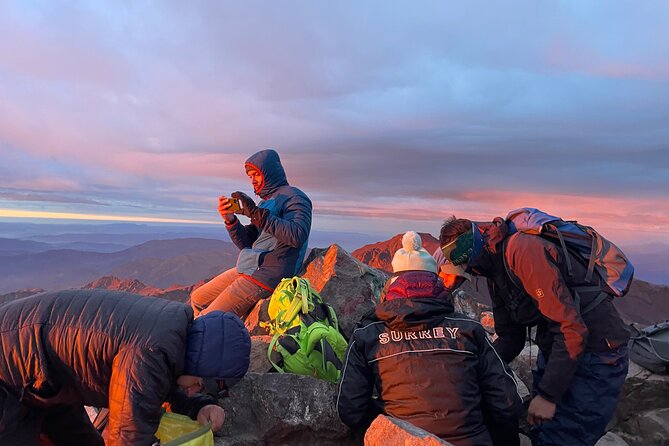
The second day is timed around one goal: reaching the summit as the sun rises. That detail isn’t just romantic. It also shapes how you manage effort. Starting early helps you avoid heat later in the day and gives you the best chance at clear views, especially in winter months when conditions can change fast.
You’ll have an early breakfast before heading up. The summit itself is Mount Toubkal at 4167m, the highest peak in North Africa, and the views are described as spectacular across the Atlas Mountains toward Marrakech to the north, and toward the start of the Sahara to the south. That north-south contrast is one of the reasons people remember this trek: you’re not just “on a mountain,” you’re looking across a whole region of Morocco.
As for the technical side: this is still framed as a non-technical trekking peak. But in cold months, you might use crampons or an ice axe for security. That’s the important consideration for planning—your experience can feel more like a winter trek than a summer hike even if the route is technically straightforward.
You’ll also get time with your guide during the ascent, both for pacing and for understanding what you’re seeing. One review specifically highlighted a guide who explained the mountains and culture along the way. Even if you’re not someone who asks lots of questions, it helps to have that context when you’re staring at ridgelines for hours.
After the summit, the trek continues back down as part of the same two-day structure, with the team supporting you along the way. The included meals and overall pacing are designed so you’re not scrambling to figure out what happens next.
How hard is it, really? Walking pace, altitude, and winter gear
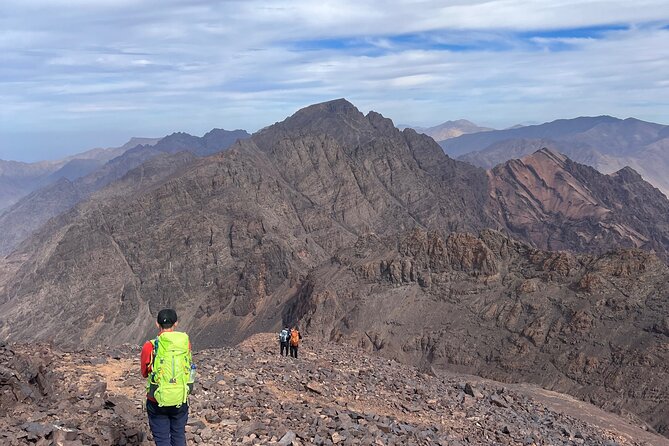
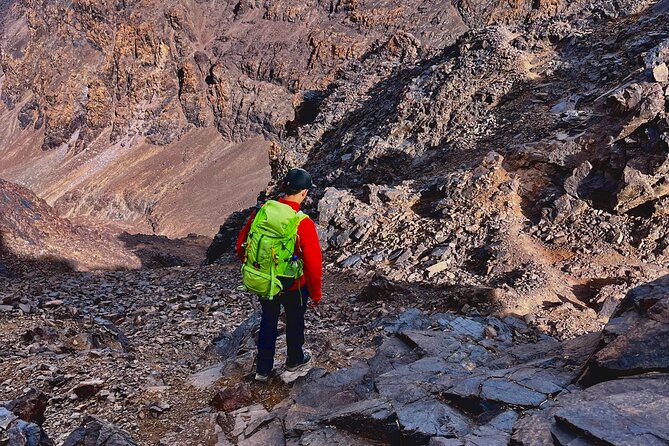
The trek is described as a challenge, but not a climb in the rock-face sense. If you’re in good physical condition, you can reach the top. That’s the key line: the route aims at trekkers, not mountaineers with rope-work skills.
Still, two days is tight for altitude and endurance. Even without technical climbing, you’ll be walking uphill for long stretches. The climb includes some easy scrambling, and in the colder months snow slopes can appear. So while it’s non-technical, it’s not “easy.”
Here’s what to think about before you sign up:
- Your endurance matters more than your climbing skill. This is a walking challenge.
- Season changes the experience. From November to April, snow can mean crampons and possibly an ice axe for safety.
- You’ll want the right equipment timing. If you don’t have gear, you can rent what you need in Imlil.
That last bit is huge for value. You’re not locked into arriving with everything already in your suitcase. If your plan includes a winter hike, still give yourself time to get the right equipment, because the cold and snow parts can affect how confident you feel on the ascent.
Guides and team energy: Hussein and Yassine set the tone
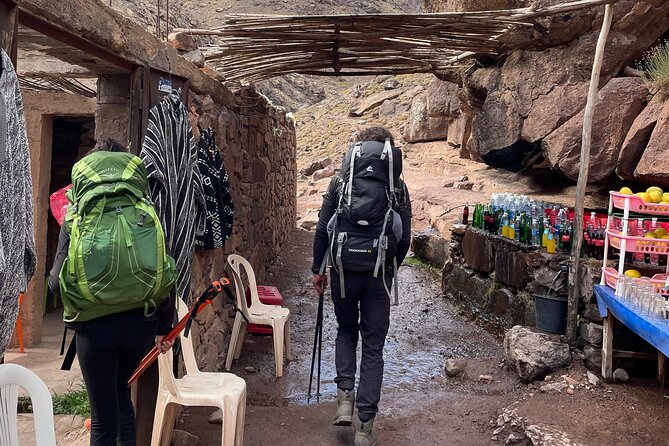
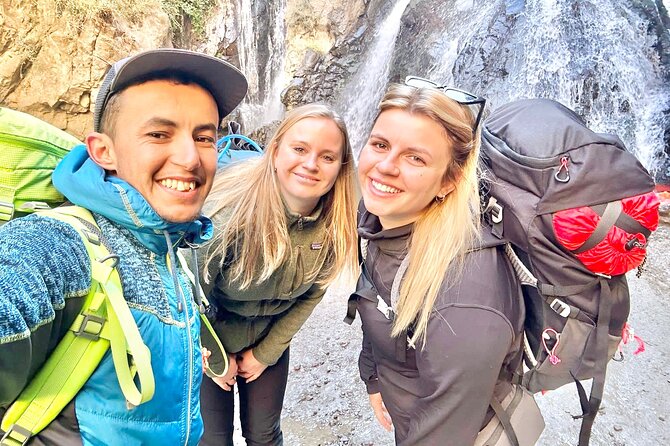
The human side is a standout here. Multiple reviews mention guides by name, and the pattern is consistent: friendly, professional, and attentive to the group’s needs.
Hussein is called out as a top guide in one review, with praise for being friendly and good company. Yassine shows up again and again as the name people associate with strong communication and good pacing, including help when equipment questions came up. Another review notes that on the day itself, the group climbed with another team member (Lahssn), which suggests you might be guided by different professionals within the same team structure.
One thing I like about having a local guide is how they manage the walk so it doesn’t turn into a battle. The summit is reachable when your effort is paced well. Several comments emphasize that the guide checks that everyone is okay, not just that the group moves forward.
Also, the best guides make the day feel lighter. One review mentions that a guide can sing very well—yes, really—and it’s a reminder that you’re not just doing a task. You’re sharing a long climb with people who know how to keep morale up when the air is thin and your legs are burning.
Price and value: $232.29 for a supported summit attempt
At $232.29 per person, this trek isn’t cheap in raw dollar terms. But when I look at what’s included, it reads more like paying for structure than paying for “just a hike.”
Included items:
- Accommodation for the night at the refuge
- Two lunches, dinner, and breakfast
- An air-conditioned vehicle, plus pickup and drop-off
- Local English-speaking guide
- Hot drinks and meals are handled as part of the supported trek setup
- Luggage support via mules (so you can hike lighter)
Not included:
- Tips
- Bottled water
- Towels
- Assurance travel
For many people, the “value” isn’t only the food and bed. It’s the fact that you’re buying a coordinated ascent plan, a team that handles meals and logistics, and a guide who knows how to get a group to sunrise summit timing.
If you compare that to DIY trekking—where you’d need local guiding, transport, refuge arrangements, and meal plans—the price starts to make sense. You’re also reducing the risk of getting off-route or underprepared in colder conditions.
The booking pattern (often around 22 days ahead) suggests people plan this trek intentionally. That’s a good sign: Toubkal is popular, and you don’t want to be scrambling for a last-minute guide.
Timing, group size, and what to watch for on the ground
This is a good-weather-dependent experience. The operator states that if it’s canceled due to poor weather, you’ll be offered a different date or a full refund. That’s important because snow, visibility, and trail conditions can change fast in the Atlas.
You should also think about group size in real life. The tour lists a maximum of 50 travelers. In a big group, you might not move exactly like you would on a solo hike. On the other hand, the route is guided and paced, so the group typically has an organized structure.
From reviews, there’s also evidence you may sometimes be in a smaller group, which can feel more authentic and less like a conveyor belt. Even if you end up in a larger group, you’ll still get the supported experience: mules, cooks, a guide, and a refuge night.
What to bring: camera, towels, water, and possible winter gear
The trek strongly encourages bringing a camera because the views are a major part of the reward. The summit perspective—Atlas ridges plus the direction toward Marrakech and the beginning of the Sahara—is exactly the kind of scene where you’ll want photos you don’t rush.
Beyond that, here are the practical “bring or arrange” points that are explicitly supported:
- Towels are not included, so plan to bring your own
- Bottled water is not included
- If it’s winter (November to April), be prepared for possible crampons or an ice axe for security
- If you don’t have equipment, you can rent what you need in Imlil
Also, bring your patience for cold and altitude. Even if the trek isn’t technical in the climbing sense, the early summit push and potential snow slopes can feel serious.
Who this trek suits best
This trek is aimed at people who want a high summit goal without technical climbing skills. It’s well matched for:
- You if you’re fit enough for a challenging two-day walk
- You if you want a guided experience with a refuge night and included meals
- You if you’d like your luggage handled by mules and your food handled by a cook
- You if you want sunrise views from the highest peak in North Africa
It’s less ideal if:
- You’re looking for an easy stroll
- You’re not comfortable with cold conditions in winter seasons
- You hate early mornings (summit day starts early by design)
Should you book this Mount Toubkal 2-Day Adventure?
I’d book it if you want a realistic shot at Toubkal’s sunrise summit with support that covers the stuff that usually derails hikers: transport, meals, refuge sleep, pacing, and route guidance. The included structure makes it easier to focus on walking well and staying safe if conditions turn wintry.
Skip it only if you’re unprepared for a challenging trek pace or if you’re unwilling to handle season-dependent gear needs. The climb is described as reachable for anyone in good physical condition, but good condition still means you’re not treating this like a casual outing.
If you’re ready for a guided, supported push to 4167m with Berber hospitality in the middle and mountain views all the way to Morocco’s broader horizon, this is one of the most straightforward ways to do it in two days.
FAQ
What time does the trek start?
The start time is listed as 8:30am.
Do I get pickup and drop-off?
Yes. Pickup and drop-off are included, and transport from Marrakech is part of the included setup.
Is this a technical climb?
It’s described as a challenging walk rather than a climb. It’s non-technical, but it can include easy scrambling and, in winter months, snow slopes where crampons or an ice axe may be needed for security.
What meals are included?
Dinner, breakfast, and two lunches are included, plus hot drinks as part of the supported trek setup.
Where do you stay overnight?
You stay at the refuge after the first day of trekking, and you can expect Berber hospitality.
What should I bring for the summit views?
Bring a camera since the summit views are a major highlight. Towels are not included, and bottled water is not included either.
What happens if weather is bad?
The experience requires good weather. If it’s canceled due to poor weather, you’ll be offered a different date or a full refund.