REVIEW · KALAW
Hello, who like to make fantastic trek with the most experienced guide in Kalaw.
Book on Viator →Operated by Excellent Trekking · Bookable on Viator
Early mornings in Kalaw pay off. This 2-day private trek between Kalaw and Inle is all about real countryside life—hill-tribe villages, small farms, and big mountain views—guided by someone who actually knows the area. I like the experienced leadership (including English-speaking guides such as Johnny/Jo) and the way the route keeps you moving through different scenes instead of the same dirt path all day. One thing to consider: the start is early at 6:00 am, and the walking can be steady with plenty of up-and-down.
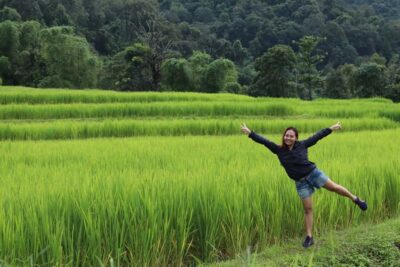
What I also liked is the variety of places you pass: vegetable gardens, flower plots, and rice plantations, plus pine forest and even rainforest stretches. You get the feel of how people live when farming and seasons run the schedule—not sightseeing.
The main drawback is physical. In dry season, you can be looking at about 20 km of walking per day and a medium difficulty level, so comfortable shoes matter more than good intentions.
In This Review
- Key highlights you’ll feel fast
- Why a 6:00 a.m. start changes everything in Kalaw
- What an experienced guide adds (Johnny and the communication advantage)
- Hill-tribe village life and farm work you can actually see
- Pine forest, rainforest, and rice-field crossings
- The trek rhythm: distance, uphill/downhill, and how to match your pace
- Getting to the start: pickup, private group, and mobile ticket
- Don’t rush Kalaw: the sunset viewpoint tip before your trek
- Price and value: what $15.39 really buys
- Who this trek fits best (and who might want a different plan)
- Should you book this Kalaw-to-Inle trek?
- FAQ
- What time does the trek start?
- Is this a private tour?
- Is pickup included?
- How long is the trek?
- What kind of difficulty should I expect?
- What are the cancellation rules?
Key highlights you’ll feel fast
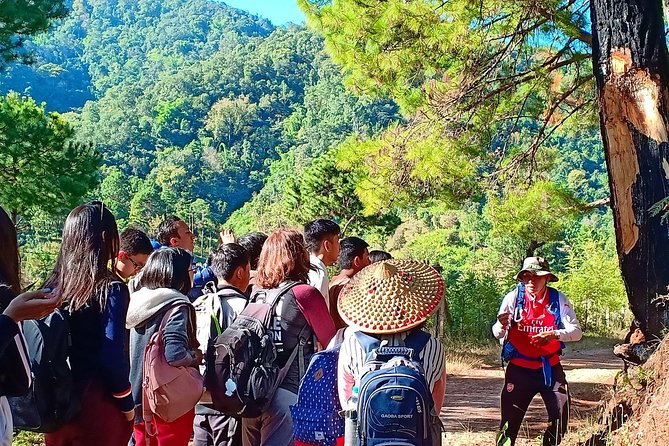
- Experienced guide energy, with stops that make culture and farming make sense
- Hill-tribe villages and everyday chores, from village life to craft-style moments
- Big scenery shifts: pine forest, rainforest sections, and rice-field crossings
- Steady pace with breaks that actually help, not just time-filling stops
- Private group feel, only your group participates
- 2 days that do not drag, because the route keeps changing
Why a 6:00 a.m. start changes everything in Kalaw
You meet early—6:00 am—and that’s not a small detail. Starting before the day heats up makes the trek feel lighter, especially when you’re walking through higher ground first. In cooler months, you may catch that cold-breeze feeling (people describe it as a winter start with chilly air), and early light can be the nicest time to move.
This schedule also helps you avoid the “rush-hour hiking” mood. When you’re not squeezing your pace into the hottest part of the day, you can actually enjoy the shifts in scenery—forest sections, then down toward open fields, then back into village areas.
If you tend to be stiff in the morning, I suggest you arrive with a little buffer and plan to warm up slowly. Hiking in the morning is easier when your legs are ready before the first real climb.
You can also read our reviews of more tours and experiences in Kalaw.

What an experienced guide adds (Johnny and the communication advantage)
This trek stands or falls on guidance, and the strongest praise here is about the guide’s knowledge and experience. Guides like Johnny/Jo are repeatedly described as having deep understanding of the region and its people, not just knowing the trail.
What you’ll notice in practice:
- Stops feel purposeful, not random
- You get context for what you’re seeing—especially around farming and village life
- Communication stays easy. In at least one account, Johnny speaks English very well, and the guide can act as a helpful interpreter
And yes, one reviewer specifically mentioned Jo also serving as a guide and cook, plus interpreter support. That matters on a trek: it usually means fewer awkward moments and smoother rhythm when it comes time to rest, eat, or ask questions.
Hill-tribe village life and farm work you can actually see
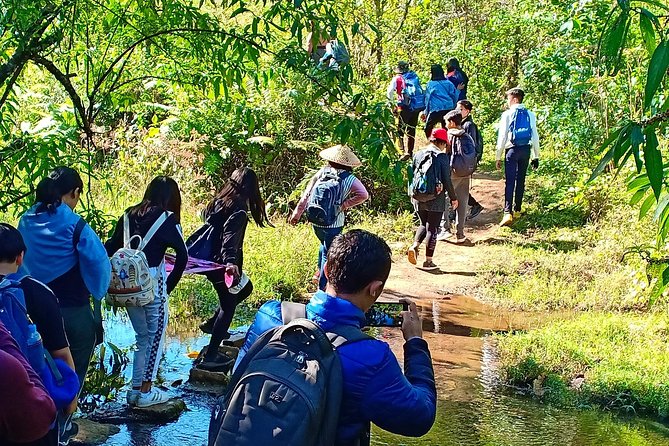
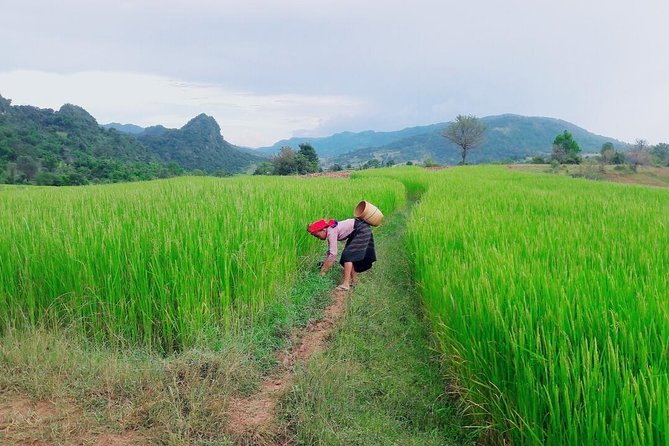
The core of this experience is the everyday side of rural life. You’ll spend time moving through villages and countryside where people grow things for their own needs and for local markets. Expect to see:
- Vegetable gardens
- Flower and rice plantations
- The rhythm of small-scale farming—seasonal work, simple tools, and practical routines
The best part is that you’re not just looking at homes from a distance. You’re walking through spaces where people are living and working, so the details start adding up. You might also stop for moments connected to village crafts, like basket-making (one account highlights watching production of baskets). That kind of stop turns the walk into something you can understand, not just something you can photograph.
A helpful mindset: keep your eyes open for what people are doing—planting, tending, drying, carrying. That’s where the story is.
Pine forest, rainforest, and rice-field crossings
One reason this trek doesn’t get monotonous is the changing scenery. Along the way you can expect:
- Pine forest stretches
- Rainforest sections
- Crossings and walks through rice fields
Those shifts matter more than you’d think. Pine forest sections often feel cooler and calmer, with a different walking texture underfoot. Rainforest stretches can feel wetter or more humid, and the path can feel more “alive” with vegetation. When you drop toward rice fields, the mood opens up—more visibility, more sky, and often that classic patchwork view of fields.
Also, crossing rice areas is part of the real trekking experience here. You’re not staying on a clean viewpoint-only trail. You’re moving through active farmland, which is exactly what makes the trek feel grounded.
And since the experience includes both forest and field walking, it’s a good test of whether you’re okay with mixed terrain. If you prefer only one kind of scenery, this might feel like too many changes. If you like variety, you’ll probably enjoy it.
The trek rhythm: distance, uphill/downhill, and how to match your pace
You’re walking from Kalaw toward Inle over about 2 days with a total duration around 2 days and 10 hours (approx.). That timing hints at a schedule with multiple walking blocks plus breaks.
The challenge level is described as average/medium difficulty, and one account mentions about 20 km per day in the dry season. That gives you a realistic anchor for planning your comfort.
How to prepare your body:
- Bring sturdy shoes with grip. Rice-field edges and forest paths can be slick in certain conditions.
- Don’t sprint at the start. A steady pace helps you enjoy the day rather than just surviving it.
- Use the guide’s stop breaks wisely. Since the guide knows the route and timing, stopping isn’t wasted time—you’ll often get a better view or explanation right then.
If you’re trekking with parents or a mixed group, this kind of guidance can make the difference. At least one review notes walking at a strong pace while the guide still took time to stop and check in. That’s the ideal balance.
Getting to the start: pickup, private group, and mobile ticket
If you don’t want to wrestle with local logistics, this one has support. Pickup is offered, and it’s described as close to public transportation. That’s good news if you’re staying somewhere central but don’t want to start the day with a taxi hunt.
This activity is also private, meaning only your group participates. That usually translates to a more flexible rhythm and better communication—especially if you want to ask questions as you go.
You’ll also receive a mobile ticket. For many travelers, that’s just one less piece of paper to keep track of when you’re moving around Myanmar.
Don’t rush Kalaw: the sunset viewpoint tip before your trek
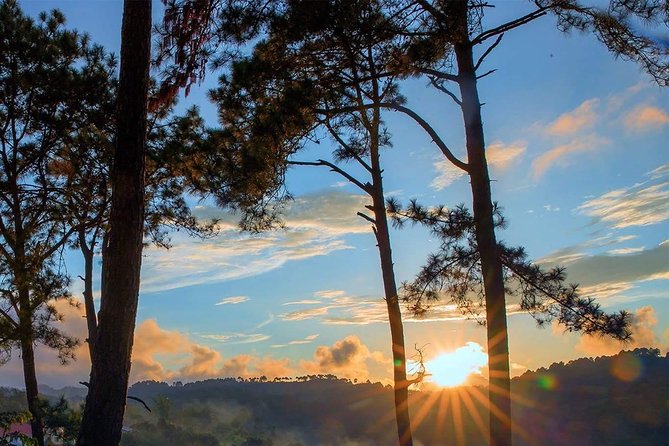
If your trip includes time in Kalaw before you move on, there’s a simple advice that keeps coming up: don’t leave Kalaw for the Inle trek until you’ve seen sunset at the viewpoint. The practical part is timing—plan about 30 minutes of driving up the mountain.
Even if your trek day starts early, catching that sunset can make the overall trip feel complete. You’ll have a calmer, scenic finish to your Kalaw stay before the walking begins.
If your schedule is tight, treat sunset viewpoint as the “one extra” you protect. It’s an easy upgrade to your overall Kalaw experience.
Price and value: what $15.39 really buys
At $15.39 per person, this trek sits in the budget end of paid trekking tours. The reason that matters is you’re paying for more than just a path. You’re paying for an experienced guide, local context, and a trek style that focuses on rural life rather than only scenic lookouts.
A few value signals from what’s described:
- Private group format (only your group participates) can raise value because it avoids the feel of getting shoved into someone else’s pace.
- Guides like Johnny/Jo are credited with strong knowledge and clear communication in English.
- The route combines different environments—forest, rainforest, and rice fields—so you’re not paying for one kind of view.
Now, a balanced note: the low price may also mean the experience is intentionally simple. You’re here for walking, village observation, and nature, not luxury comforts. If you want polished tour infrastructure, you may need to look for higher-priced options.
Who this trek fits best (and who might want a different plan)
This trek fits best if you want:
- Real rural scenery, not only landmark photo stops
- Village and farm context, with a guide who can explain what you’re seeing
- A 2-day duration that feels active but not week-long
You might especially like it if you enjoy:
- Hill-tribe lifestyles and countryside agriculture
- Walking through shifting terrain—forest to fields to villages
- Asking questions and learning as you go
You may want to think twice if:
- You hate early starts (6:00 am is firm)
- You’re not comfortable with a medium difficulty hike
- You want mostly flat walking and minimal up/down
Should you book this Kalaw-to-Inle trek?
If you’re choosing based on value and authenticity, I’d say yes—with the right expectations. This is a solid pick when you want an honest countryside walk led by an experienced guide, with enough variety (pine forest, rainforest stretches, rice fields, and village stops) to keep your day interesting.
Book it if you’re ready for early morning trekking and you can handle a steady hike that can reach around 20 km/day in dry season. Pass if you want a relaxed stroll with minimal effort.
FAQ
What time does the trek start?
The start time is 6:00 am.
Is this a private tour?
Yes. It’s listed as a private tour/activity, so only your group will participate.
Is pickup included?
Pickup is offered.
How long is the trek?
The duration is about 2 days and 10 hours (approx.).
What kind of difficulty should I expect?
It’s described as medium difficulty, and in dry season some accounts mention around 20 km of walking per day.
What are the cancellation rules?
The experience is non-refundable and cannot be changed for any reason. If it’s canceled because a minimum traveler number isn’t met, you’ll be offered a different date/experience or a full refund.