REVIEW · SAPA
Sapa hard trekking villages homestay 3days/ 2nights tour – amazing culture
Book on Viator →Operated by David Tran Travel - Day Tours · Bookable on Viator
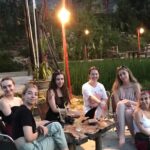
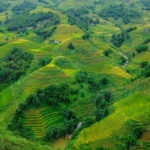
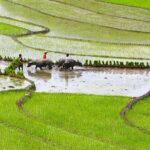
Terraced rice and family dinners in Sapa. This homestay trek blends real village life with serious walking, moving through Hmong and Giay areas like Y Linh Ho and Lao Chai before you sleep with the Giay in Ta Van. I love the way a small-group setup (max 15) keeps things personal, and I also love that your days are built around meals with locals, not snack-table tourism. The trade-off: the trekking is genuinely challenging at times, and the homestay stays are basic with sharing bathrooms.
You start mid-afternoon on Day 1, then you’re out on trails for rice terraces, bamboo, and waterfall scenery. If you like mountain views plus actual cultural contact, this is the kind of Sapa trip that changes how you see the area after the cable car crowd moves on.
In This Review
- Key things that make this Sapa homestay trek special
- Why this 3-day Sapa homestay style trek feels different
- Getting there: pickup timing and what to expect on Day 1
- Day 1: Y Linh Ho terraces to Lao Chai, then Ta Van Giay homestay
- Day 2: bamboo, silk waterfall, Giang Ta Chai, then Tay Ban Ho overnight
- Day 3: Nam Toong Red Dao walk, Lavie waterfall dip, and back toward Hanoi
- Price and logistics: is $110 good value for this trek?
- The guides: what you should look for on the trail
- Homestay reality check: what comfort level to expect
- Fitness level: how hard is this trek, really?
- Weather: fog can happen, but the plan accounts for it
- Who should book this trek?
- Final verdict: should you book?
- FAQ
- How long is the Sapa hard trekking villages homestay tour?
- Where does the tour start and when?
- What does the tour cost?
- What’s included in the tour price?
- Do I need to pay for tickets and trekking fees?
- What villages will I visit during the trek?
- What kind of accommodation is provided?
- Are drinks included with meals?
- Is there an extra charge during Lunar New Year?
Key things that make this Sapa homestay trek special
- Rice terraces that feel lived-in, with time to photograph and look closely around Y Linh Ho and Lao Chai
- Real village meals, including cooking and dinner with a local Giay family in Ta Van
- Guided trail time with clear pacing, so you can keep up without feeling shoved along
- A route that mixes cultures, hitting Hmong, Giay, Tay, and Red Dao communities across the 3 days
- Water scenery built into the hike, from silk waterfall time to a swim moment near Lavie waterfall
- All meals plus trekking fees included, so you’re not constantly calculating extra costs
Why this 3-day Sapa homestay style trek feels different
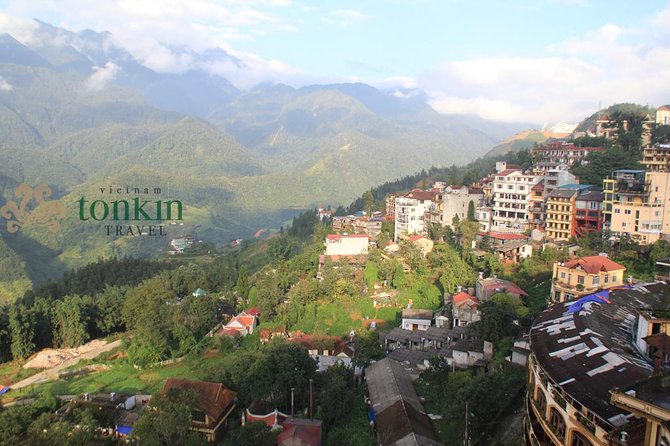
Sapa can be all photos and stairs, but this format is built around walking between small communities and sleeping with families. You’re not just looking at villages from a viewpoint. You’re eating with people, sharing time in the home, and getting explanations from an English-speaking guide.
The itinerary is also designed to move in a way that makes sense for a first long Sapa trek. You start gently on Day 1 with a downhill walk from Y Linh Ho toward Lao Chai and then into Ta Van. Then Day 2 leans harder with long trail sections through bamboo and toward Giang Ta Chai and Ban Ho. Finally, Day 3 slows slightly again with a river walk to Nam Toong and a short break with the Red Dao community before heading back to Sapa.
One thing I really like for practical travelers: the tour includes fees and sightseeing access, plus all meals. That reduces the usual Sapa headache of hunting for tickets, arguing about prices, or trying to figure out what’s covered each day.
You can also read our reviews of more tours and experiences in Sapa.
Getting there: pickup timing and what to expect on Day 1
Your day starts with pickup from your Sapa hotel or the bus station around noon time. Then you’ll go to the tour office area (Delta Sapa Hotel, Ngõ Cầu Mây) and have lunch there. The hike proper begins later, around 2:30 PM, when the group starts walking down toward Y Linh Ho.
This timing matters more than it sounds. Late-day light can make the terraces look dramatic even when the weather shifts. Several Sapa treks get derailed by timing mistakes, but here the afternoon start gives you time to settle in, eat, and then get moving without feeling rushed out the door.
Small-group logistics also help you keep track of what’s happening. With a maximum of 15 people, you’re less likely to get lost in a crowd dynamic. You’ll still be following a group, but it feels more like hiking with a friend-and-guide team than being herded.
Day 1: Y Linh Ho terraces to Lao Chai, then Ta Van Giay homestay
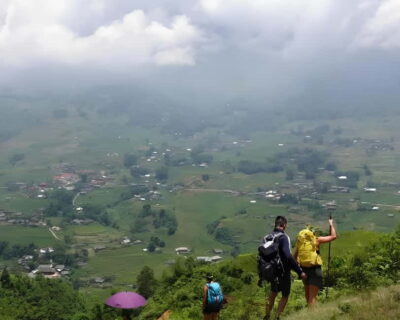
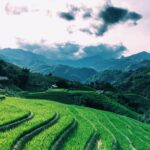
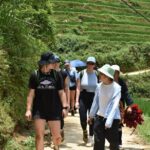
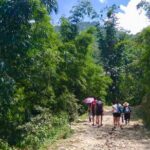
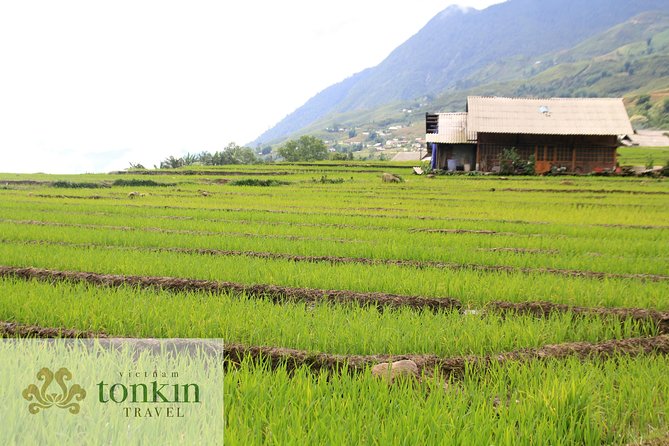
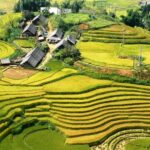
Day 1 is your culture-and-view foundation. After pickup and lunch, you head out around 2:30 PM for a walk down to Y Linh Ho, a village area inhabited by the Hmong minority. This stop is famous for the terraces—there are terraces estimated around 100 years old—and the trail route is designed so you can pause for photos rather than sprint past viewpoints.
From Y Linh Ho, you continue to Lao Chai. This is where the trip shifts from scenery to village rhythm. You’ll take a short break, enjoy drinks, and take in the views over the valley. It’s a simple moment, but it’s one of the best parts of Sapa trekking trips because it gives you time to look, not just walk.
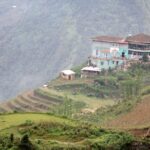
Then you keep going to Ta Van, an established Hmong and Giay village. You’ll be warmly welcomed by a Giay family and stay overnight in their home. Day 1 ends with dinner—plus cooking time with the family. That’s not a souvenir moment. It’s a chance to see how the day’s work turns into the evening meal.
Day 1 is listed at about 7 hours, so expect an active afternoon and early evening. If you’re coming from the city, it’s also long enough to wear your feet in—but not so long that you feel wrecked before meeting the family.
Practical tip: pack your camera strap, sunglasses, and water within reach during breaks. You won’t want to dig through bags each time the guide points out a terrace angle.
Day 2: bamboo, silk waterfall, Giang Ta Chai, then Tay Ban Ho overnight
Day 2 starts with the real mountain alarm system: you may wake to a rooster or pigs. Breakfast is simple and local, with things like pancakes, hot tea, or hot coffee served outdoors. You’ll also get that big Sapa moment early—views across rice terraces while the morning air is still cool.
After breakfast you leave the local home, and the trekking route turns scenic in a hurry. You’ll trek through a bamboo forest and toward the silk waterfall area (time is built in for you to experience the scenery, not just pass it). Then you continue on to Giang Ta Chai.
After a few hours, you’ll stop for a picnic lunch with scenic views. This is one of those parts of the day where you’ll feel the payoff for the earlier walking. Sitting down for a meal in the mountains is different when you’re not in a bus station cafe. You’re surrounded by the trail’s work and the villages’ daily geography.
From Giang Ta Chai, you keep going to Ban Ho village, home to the Tay minority. You’ll be welcomed there, then dinner with the local family follows, and you overnight in Ban Ho.
The day is listed at about 15 hours, which tells you to think in blocks: morning wake-up and breakfast, mid-morning trail, lunch break, then afternoon trekking. Even when the pace is manageable, the total time adds up. If you have a tight schedule in Sapa, this day is the reason the tour format makes sense. It’s the main day for both distance and culture stops.
Day 3: Nam Toong Red Dao walk, Lavie waterfall dip, and back toward Hanoi
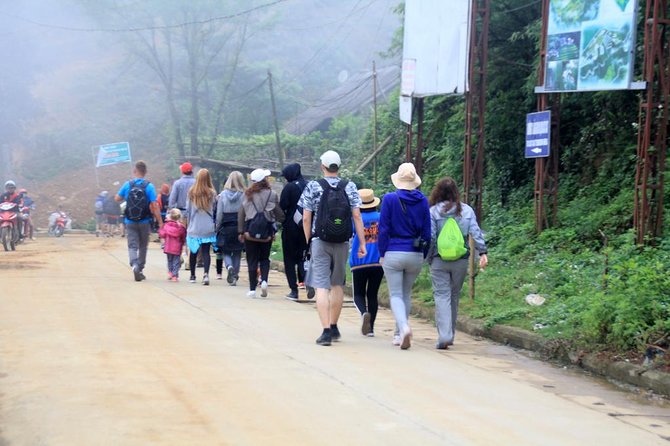
Day 3 is a mix of community time and one last nature moment before the travel day. You wake at your homestay and have breakfast there. Then you walk along the river toward Nam Toong village, a village of the Red Dao minority.
This stretch is more relaxed than the steep sections of earlier days, and it’s designed for watching. River walks give you a different pace from ridge trails. You can look at how people use the water area and how the village sits in the terrain.
After time at Nam Toong, you head back to Ban Ho. The itinerary includes a chance to dip in fresh water near Lavie waterfall. That’s a nice way to cool down without making the day feel like a random side trip.
Then you return to the homestay for lunch. Around 2:00 PM, you get in the car back to Sapa and you’ll have time for a shower. At 3:00 PM, there’s a shuttle to the bus office for your ride back to Hanoi, and you’ll also get sandwiches prepared to take away.
This day matters because it closes the loop: you get one more minority-community walk, you get one last nature break, and then you move out before the evening gets messy. You’re not stuck in limbo with a late bus and no plan.
Price and logistics: is $110 good value for this trek?
At $110 per person, the big value point is that it includes almost everything you’d normally pay separately in Sapa: a guide, entrance and trekking-related fees, two nights of accommodation in local houses/basic rooms with sharing bathrooms, and all meals across the three days.
Specifically, the tour includes:
- English-speaking guide
- Entrance and sightseeing fees and the trekking trip
- Air-conditioned vehicle
- 2 breakfasts, 3 lunches, 2 dinners
- Local accommodation for two nights
What’s not included is mainly beverages and drinks. That sounds minor, but drinks in mountain towns can add up if you don’t budget. Also, there’s a Lunar New Year surcharge of $50 per person on the listed holiday dates (Feb 14–23, 2026). If you’re traveling then, build that into your total cost early.
So is it worth it? If you’re the kind of traveler who hates chasing small ticket fees and prefers paying once for a planned route, this price is strong. You’re paying for structure: the guide, the village connection, the meals, and the homestay arrangement. If you’d rather design every trail stop yourself and you already know the local homestay contacts, then the value is harder to judge. But for most people, especially first-timers to Sapa trekking, this is the more comfortable, lower-stress choice.
The guides: what you should look for on the trail
The tour’s success often comes down to the guide. In this case, the guides are English-speaking, and you can tell they’re there to explain more than just directions.
Different guides are mentioned by name, and a pattern shows up: guides like Ha, Tran, Jack, Dem, Dinh, Hung, and Lu are described as friendly, funny, and strong at explaining history and culture. That matters because the trail passes through ethnic communities with distinct ways of life, and a good guide helps you notice what you would otherwise miss.
My advice: during breaks, ask the guide one or two specific questions. For example: what’s distinctive about the village you’re passing, or why certain terrace areas look the way they do. If the guide is strong (and this tour tends to attract strong guides), you’ll get answers that make the walk feel more connected instead of just scenic.
Homestay reality check: what comfort level to expect
This is a homestay trek, so you should calibrate expectations. Accommodation is described as basic rooms in local houses, with sharing bathrooms. That’s normal for this kind of experience and part of what makes it meaningful.
Still, it’s smart to plan for basic conditions. Pack like you’re staying somewhere functional, not fancy: a small towel, a layer for cool evenings, and a simple set of hygiene essentials you trust. If you’re sensitive to cleanliness standards, bring a personal liner or at least a fresh sleep kit (even just a clean sleeping sheet or liner). Some people have flagged issues with hotel cleanliness in past Sapa experiences, so don’t assume every night will feel the same.
The good news is that the homestay format is where the culture contact happens: you’ll eat with local families and, on Day 1, you’ll even cook and share dinner. That kind of shared time doesn’t happen in a typical hotel. It’s the payoff.
One more thing: bring a respectful attitude and keep interactions simple. Eye contact, a smile, and willingness to try local food goes a long way. The itinerary is already built around welcome and shared meals, so your best move is to match that energy.
Fitness level: how hard is this trek, really?
This isn’t a casual stroll. Expect real hiking with long days and multiple descents/ascents. Day 2 is the longest on paper, and people also describe the overall walking as quite challenging but worth it.
Here’s how I’d judge it for myself:
- If you can handle 2–4 hours of hiking in mountain terrain, you’ll likely enjoy the experience.
- If you’re used to city walking only, you’ll feel it, especially on Day 2.
- If you’re bringing kids or older folks, this may be tough unless they’re experienced hikers. The tour also says most travelers can participate, but that’s not the same as saying it’s easy.
The flip side: you don’t have to race. The tour emphasizes going at your own pace, and the small-group size helps the guide adjust. Your job is to show up with decent shoes and a calm mind. The scenery rewards steady effort.
Weather: fog can happen, but the plan accounts for it
The tour notes that good weather is required, and if it’s canceled due to poor weather, you’ll be offered another date or a full refund. Sapa weather can change quickly, including fog.
That’s why the best mindset is flexible. If the view is misty, it’s still beautiful, and terraces look different in fog. But if rain and safety risks show up, the operator needs room to adjust. Build the trek into your schedule with a little wiggle time in Sapa if you can.
Who should book this trek?
Book this Sapa homestay trek if you want:
- Village-to-village walking rather than point-to-point sightseeing
- A culture-focused trip with ethnic community stops like Ta Van, Ban Ho, Lao Chai, Giang Ta Chai, and Nam Toong
- Built-in meals and homestays so you don’t spend vacation time arranging logistics
- A guide who can explain what you’re seeing, not just where to go next
Skip it if:
- You want a fully comfortable, hotel-only experience
- You hate long walking days
- You’re not willing to handle basic homestay conditions with sharing bathrooms
Final verdict: should you book?
I’d book this tour if you’re coming to Sapa for more than the cable car photos. The combination of two homestay nights, all meals included, and a route through multiple ethnic communities is exactly what makes the experience feel authentic.
The biggest caution is fitness and comfort. You’ll be hiking a lot, and lodging is basic. If you’re okay with that trade, you’ll likely love the pace, the rice-terrace scenery, and the simple satisfaction of sharing food with families at the end of a long day.
FAQ
How long is the Sapa hard trekking villages homestay tour?
The tour is 3 days (about 2 nights), with a walking schedule across Day 1, Day 2, and a return travel day on Day 3.
Where does the tour start and when?
The meeting point is at Delta Sapa Hotel (031 Ng. Cầu Mây, Sa Pa) with a start time of 1:00 PM. Pickup from hotels in Sapa or the bus station is offered around noon before this start.
What does the tour cost?
The price is $110.00 per person.
What’s included in the tour price?
It includes an English-speaking guide, entrance and sightseeing fees, trekking trip, 2 nights accommodation in local houses/basic rooms with sharing bathroom, and meals: 2 breakfasts, 3 lunches, and 2 dinners, plus an air-conditioned vehicle.
Do I need to pay for tickets and trekking fees?
No. Entrance, sightseeing fees, and trekking trip fees are included, and the tour notes admission tickets are free or included on the days listed.
What villages will I visit during the trek?
The route includes Ta Van, Y Linh Ho, Lao Chai, Giang Ta Chai, Ban Ho, and Nam Toong.
What kind of accommodation is provided?
You’ll stay for two nights in local houses/basic rooms with sharing bathrooms.
Are drinks included with meals?
No. The tour states that beverages and drinks are not included.
Is there an extra charge during Lunar New Year?
Yes. There is a $50 USD per person surcharge on the listed Lunar New Year holiday dates in Feb 2026 (Feb 14–23, 2026).