REVIEW · SAPA
Trekking Through Rice Terraced Fields – 1Day
Book on Viator →Operated by Trekking Tour Sapa · Bookable on Viator
Rice terraces and village life, on one trek. This Sapa day hike takes you through Hmong, Giay, and Red Dao communities while showing the river valley views and the famous terraced paddies that make northern Vietnam so special.
I really like that the tour is run by a local ethnic guide who can explain everyday life, from Hmong work rhythms to house-building methods. I also love that the basics are handled for you: lunch is included, you get entry to the villages, and transport back to Sapa is part of the price.
One thing to plan for: the route can be longer and more tiring than you expect, with muddy, slippery sections. One unhappy review called it a long climb and not a good fit for adults who want something easier, so bring realistic expectations about effort and footing.
In This Review
- Key things that make this Sapa rice-terrace trek worth your time
- Getting from Sapa Town to the trail by 9:30
- Who this tour fits best
- Stop 1: Y Linh Ho village and the first taste of rice-field walking
- Stop 2: Lao Chai with Black Hmong culture and daily work
- Stop 3: Ta Van village and meeting the Giay community
- The walking reality: terraced steps, steep bits, and slippery mud
- Culture you can actually talk about (not just watch)
- Lunch, water, and what your $45 covers
- Village stops come with real-life shopping moments
- What I’d do to make this trek more comfortable
- Price and logistics: value, but watch the fitness mismatch
- Should you book Trekking Through Rice Terraced Fields in Sapa?
- FAQ
- FAQ
- How long is the Sapa rice terrace trek?
- What time does the tour start?
- Where do we meet the guide?
- How many people are in the group?
- What’s included in the $45 price?
- Which villages and ethnic groups are part of the trek?
- Is this trek suitable for everyone?
- What should I wear for the walk?
- Can I cancel and get a full refund?
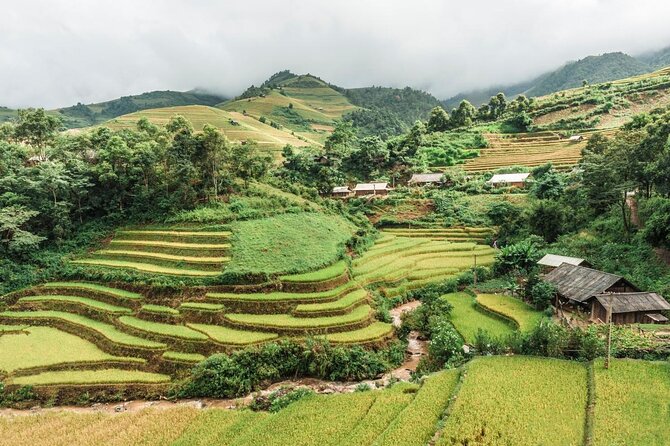
Key things that make this Sapa rice-terrace trek worth your time
- Small group feel (max 15), so you actually get answers while you walk
- Three village stops that cut across ethnic lines: Y Linh Ho, Lao Chai, and Ta Van
- Real village context, including Hmong marriage traditions and how rice work shapes the year
- Scenery + animals along the way, from ducks and chickens to oxen on village routes
- Included lunch and village fees, so the day stays simple and good value
Getting from Sapa Town to the trail by 9:30
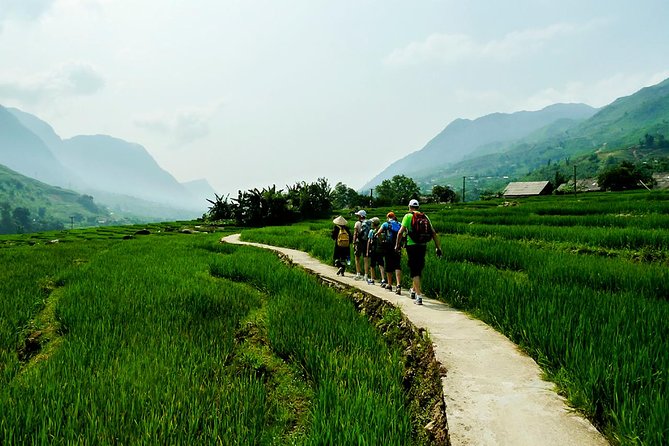
This is a one-day trek that starts late morning, around 9:30 am, with your guide meeting you at your hotel in Sapa Town or at the main church area. Pickup is offered, which matters here because Sapa roads can be confusing if you’re trying to coordinate transport on your own.
From the start, you’re not just walking through “pretty countryside.” The whole point is to move along village paths and rice-field edges while your guide puts names and meaning to what you’re seeing. You’ll likely walk for a couple hours in the morning, then continue through the next villages with breaks built in.
The tour runs about 5 to 6 hours, so it’s long enough to feel like a real experience, but not so long that it eats your entire day. It’s also a strong option if you want to see more than just Sapa’s town-center viewpoints.
You can also read our reviews of more tours and experiences in Sapa.
Who this tour fits best
You’ll enjoy this most if you:
- Want rice terraces plus culture, not just photos
- Are comfortable with a moderate walking level
- Prefer a small group over a big bus-and-follow crowd
If you’re dealing with mobility issues, plan carefully. The trek is described as moderate, and one review specifically said it’s not suitable for people with mobility limitations.
Stop 1: Y Linh Ho village and the first taste of rice-field walking
Your morning begins with a short orientation, then you head out along the first stretch (about 2 km down toward the Cat Cat road). That downhill start helps you warm up, then you gradually find your rhythm on the footpaths.
Y Linh Ho is your first village introduction. This is where your guide’s role becomes clear: they don’t just point at houses and fields. They explain what you’re looking at—why rice terraces are built the way they are, and how village life fits around farming work. Expect the conversation to be practical, like how people use the land and how work and family life overlap.
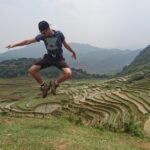
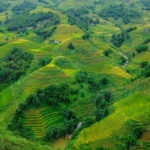
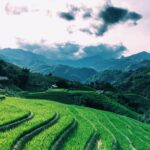
This is also where you’ll start seeing the visual “grammar” of Sapa: terraces cut into mountain sides, narrow routes between paddies, and views down toward the valley. If the sky is clear, the paddied slopes can look almost unreal—so I’d treat morning weather as part of your planning.
Stop 2: Lao Chai with Black Hmong culture and daily work
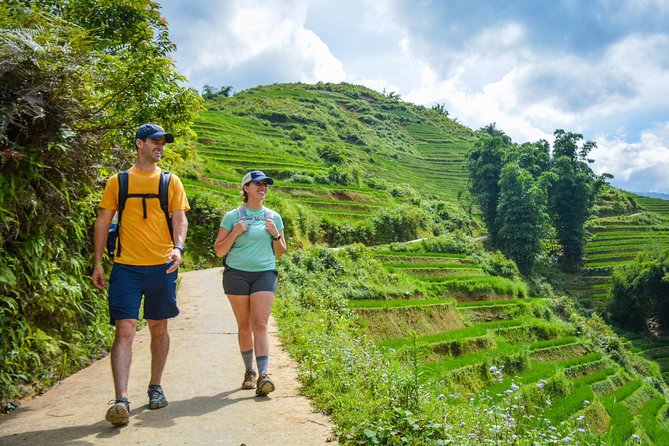
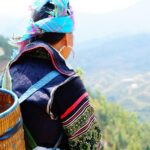
After the first break, you make your way to Lao Chai, a village associated with the Black Hmong. This stop is a core reason many people book the trek: it’s one of the places where cultural storytelling and the physical landscape tie together.
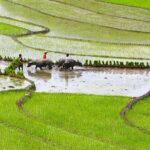
Your guide should connect what you see to how people live—especially around rice cultivation and the rhythms of work. The tour description also highlights Hmong marriage traditions, rice-field work, and house-building techniques. Even if you’re not a deep researcher, this makes the day feel grounded. You’re not just watching terraced hills. You’re learning how people organize their lives around farming.
This is also a good moment to ask questions. The better guides in this setup—like the ones named in past tours such as Chu, Sang, and Vang—tend to answer clearly and keep the pace comfortable. If you’re shy about asking, remember you’ll be in a small group, so it’s easier to get your question in without interrupting a lecture.
Stop 3: Ta Van village and meeting the Giay community
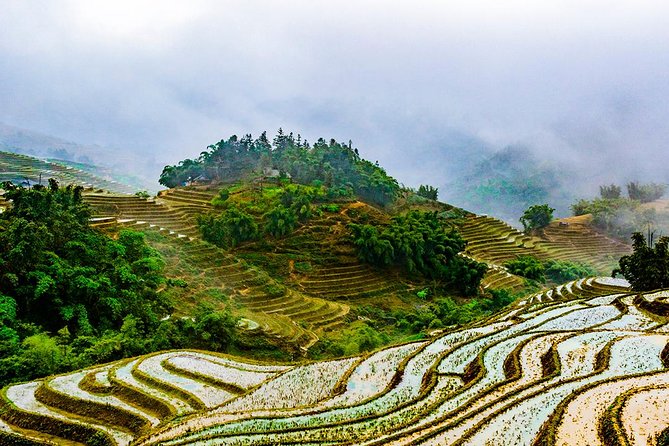
Next comes Ta Van village, where you meet the Giay minority group. This is where the trek shifts from “one community story” to “how communities differ.” The tour sets you up to notice these differences, not just in appearance, but in everyday practices and how people relate to the landscape.
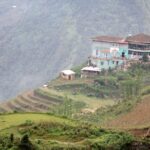
Ta Van is often described as a highlight because it feels like a living community you’re passing through, not a staged attraction. You’ll also understand why the guide keeps returning to rice terraces and valley features: those aren’t background details. They’re part of how settlement, travel routes, and work all connect.
After Ta Van, you’ll reach the car that brings you back. That matters because you don’t have to guess how you’ll get out after a long walking day. The tour handles the transport back to Sapa.
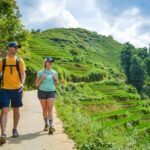
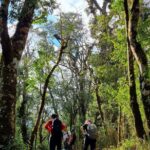

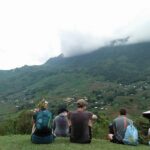
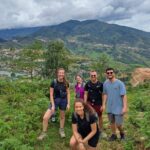
The walking reality: terraced steps, steep bits, and slippery mud
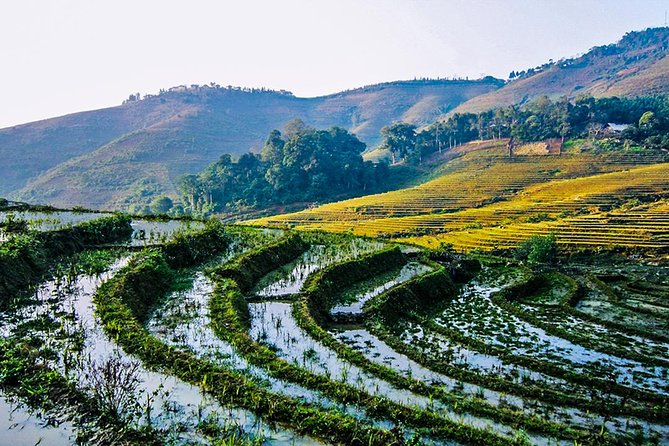
This trek is labeled moderate, but the details matter. Reviews mention walking distances around 11–12 km depending on the route and how things are handled at the end of the day. Some people manage it easily; others feel it the next day.
I’d treat it as a serious day hike, not a casual stroll. You climb up rice paddies, and you may find yourself on uneven ground where a slip would be annoying at best and risky at worst.
Mud and slipperiness show up in the guidance people share. One strong tip: wear grippy footwear and consider trek boots if the ground is wet. That advice lines up with the way terraces hold moisture—paths can be slippery even when the view looks calm.
If you’re going with kids, plan for slower moments and patience. One family made it through with children ranging from 6 to 12, but they noted the pace and the charm of seeing animals along the way. In other words: it works, but it’s not a forced march.
Culture you can actually talk about (not just watch)
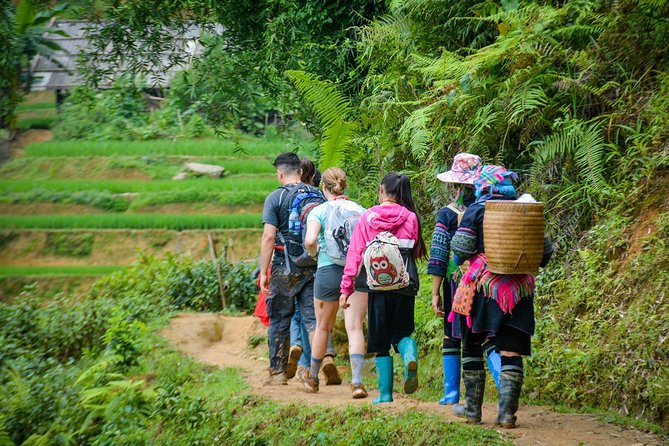
Here’s what makes this tour stand out: your guide isn’t just reciting facts. They’re explaining how people work, celebrate, build, and marry—using examples you can point to as you walk.
The tour description specifically calls out Hmong marriage traditions, rice fields, work routines, and house building techniques. That’s a lot, but the practical beauty is that you’re moving through the same terrain where those traditions and techniques make sense.
On the tour side, the guide names that show up most often in guide feedback—like Chu, Sang, Mai, Du, Me, Dom, Chinh, Lucy, and Mau—share a common pattern: good English and lots of answers. Some guides even help you feel the day is customized. One example shared with a named guide like Chu described an adjustment to skip the car when walking back would still be manageable, turning the day into a longer loop.
That said, one review complained that the guide didn’t offer much information unless asked, and another felt they didn’t benefit enough from having a guide. So here’s my practical take: go in with questions ready. Ask about what rice work looks like in different seasons, how house building adapts to the slope, or what daily tasks fill the busiest weeks.
Lunch, water, and what your $45 covers
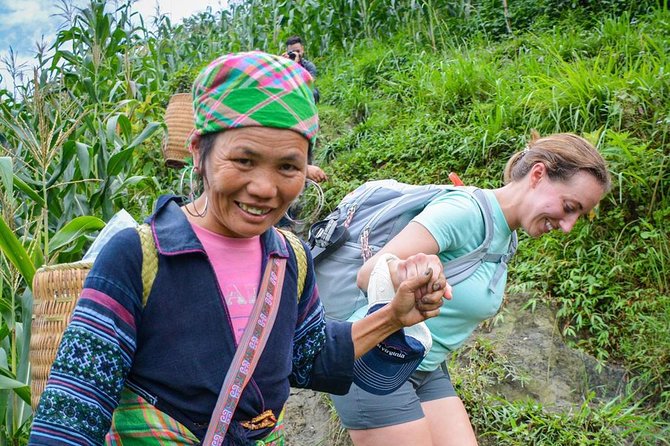
This is where the math can surprise you—in a good way. At $45 per person, you’re not only paying for walking time. You get:
- Local lunch with vegetables, meat, and a vegetarian option
- One small bottled water per person
- Village entry fees
- Transport back to Sapa
That bundled approach matters in Sapa, where paying separately for entrance and transit can add up fast. It also keeps you from spending your energy negotiating or hunting down food while you’re tired.
Still, keep expectations realistic. Lunch is included, but not everyone rated it as amazing. One review mentioned mediocre food. In plain terms: it’s a practical meal, not a top-tier restaurant experience.
Also note what’s not included: extra drinks like more water or beer at the restaurant are on you, and tips are not included.
Village stops come with real-life shopping moments
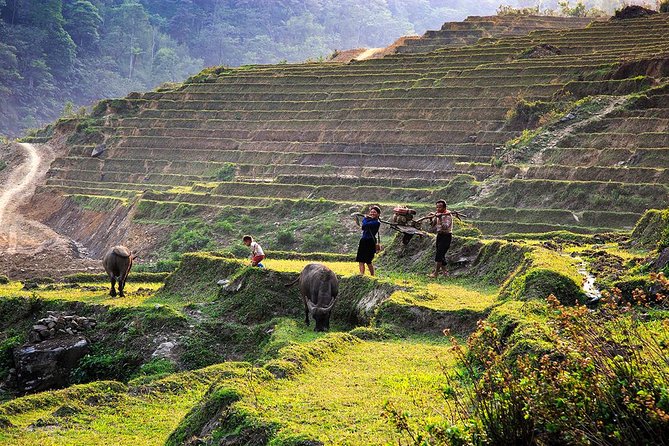
During the walk, you may run into kids or families offering small items like bags and key rings. One reviewer warned to be ready for kids trying to sell their goods, and it’s worth taking that seriously—not because it’s a problem, but because it affects your pace and mood.
If you want to support families, having a small amount of cash can be helpful. If you don’t want to buy anything, stay polite, keep walking, and let your guide handle the flow if needed. Either way, treat it like part of the village economy you’re passing through.
What I’d do to make this trek more comfortable
A good day on this route usually comes down to simple prep:
- Wear grippy shoes because the ground can get muddy
- Dress in layers. Mountain weather can change quickly, and you’ll walk hard enough to sweat
- Keep your expectations tied to walking and culture, not comfort-only sightseeing
- Bring a positive question mindset for your guide’s explanations
If you’re sensitive to steep sections, pace yourself on the climbs. Rice paddies mean uneven footing. Short breaks help more than you think.
Price and logistics: value, but watch the fitness mismatch
At $45, the value is strongest if you want the full package: guide, village access, lunch, and the ride back. The small-group cap of 15 travelers also helps justify the price. You’re paying for time with a person who knows the villages you’re walking through.
But the biggest potential mismatch is fitness level. Some people describe the hike as doable and well-paced. Others report a long, difficult route with a climb around 12 km and say it isn’t suitable for adults who want an easy day.
So I’d book only if you’re comfortable walking for hours over uneven and muddy ground. If you want a short, low-effort nature walk, this isn’t the right format.
Should you book Trekking Through Rice Terraced Fields in Sapa?
Book it if you:
- Want rice terrace trekking plus real village context
- Prefer small-group experiences
- Like asking questions and learning how daily life connects to the land
- Plan for a moderate hike with potentially slippery sections
Skip or choose a gentler option if:
- You expect a low-effort walk or have mobility limits
- You dislike steep, muddy paths
- You’re mainly after views and don’t want the cultural side of the trip
FAQ
FAQ
How long is the Sapa rice terrace trek?
It runs about 5 to 6 hours.
What time does the tour start?
The start time is listed as 9:30 am (the day’s schedule is tied to morning departure from Sapa Town).
Where do we meet the guide?
You meet at the Trekking Tour Sapa meeting point address in Sapa, or your guide may pick you up at your hotel in Sapa Town or in front of the main church.
How many people are in the group?
The group size has a maximum of 15 travelers.
What’s included in the $45 price?
It includes local lunch, bottled water (one small bottle per person), village entry fees, and transport back to Sapa.
Which villages and ethnic groups are part of the trek?
You visit Y Linh Ho, Lao Chai, and Ta Van village. The tour focuses on the Hmong, Giay, and Red Dao ethnic minorities.
Is this trek suitable for everyone?
It’s for travelers with moderate physical fitness. It’s not recommended for people with mobility issues.
What should I wear for the walk?
Use grippy footwear. The route can be muddy and slippery, so sturdy shoes help.
Can I cancel and get a full refund?
Yes. You can cancel up to 24 hours in advance for a full refund. If you cancel less than 24 hours before the start time, you won’t get your money back.