REVIEW · SAPA
Sapa – Lao Chai -Ta Van full day trekking
Book on Viator →Operated by LVP TRAVEL · Bookable on Viator
Tiny village paths in big scenery. I love the chance to see minority villages like Lao Chai and Ta Van Giay up close, and I like that the group stays small (max 10) for real conversation with your guide. One thing to plan for: the trek includes vehicle transfers, so the walking time may feel shorter than you expect.
On the way you get stops for a waterfall, rock carvings, and views over the Muong Hoa River. Lunch is included in a minority home or restaurant, so you’re not just grabbing food between viewpoints.
This is a roughly $96 full-day trek that runs about 5–6 hours, starting around 8:30 am. Expect a 3–5 km one-way walking segment, with some mini-coach backtracking depending on the route.
In This Review
- Key points before you go
- Where this trek actually takes you around Sapa
- The 8:30 am start and what the small group changes
- Stop 1: Sapa Charm Spa, market time, and Muong Hoa Valley drinks
- The main villages: Lao Chai, Ta Van Giay, and Giang Ta Chai
- Lao Chai (Black Hmong)
- Ta Van Giay (Giay settlement)
- Giang Ta Chai (Red Dao hamlet)
- Waterfall, rock carvings, and the Muong Hoa River: the stops that change the day
- Lunch in a minority home or restaurant (and what you should expect)
- Vehicle-supported trekking: why expectations matter
- Price and value: what $96.16 buys you in Sapa
- Who should book this trek, and who might skip it
- Should you book the Sapa–Lao Chai–Ta Van full-day trekking tour?
- FAQ
- What time does the tour start?
- How long is the trekking day?
- How many people are in the group?
- Which villages will I visit?
- Is lunch included?
- What walking distance should I expect?
- Is hotel pickup and drop-off included?
- What’s not included in the price?
- What happens if weather is poor?
Key points before you go
- Small group (max 10): easier guide attention and fewer bottlenecks on the trail
- Multiple villages in one day: Black Hmong, Giay, and Red Dao areas without spending all day driving
- Short-but-real walking: about 3–5 km one way, plus time for village life and photo stops
- Vehicle-supported routing: you still hike, but you’re not doing nonstop uphill transfers on foot
- Lunch included: usually in a minority home or local restaurant, with bottled water provided
Where this trek actually takes you around Sapa
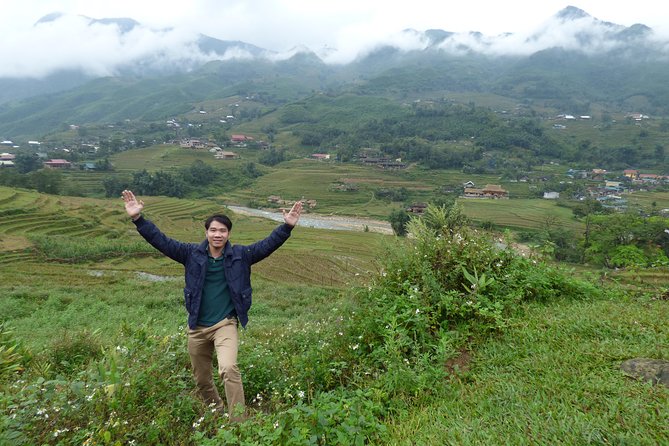
This full-day hike is built for people who want more than the usual Sapa viewpoint run. You’ll spend time in minority villages around town—Lao Chai (Black Hmong), Ta Van Giay (Giay settlement), and Giang Ta Chai (Red Dao hamlet)—plus a few nature and culture stops along the way.
What makes it practical is the mix: you get village walking and daily-life sights, but you’re also using round-trip mini-coach support to keep the day realistic. That matters in Sapa, where traffic can eat into your time and trails can be muddy when conditions change.
You’ll also see the Muong Hoa River area and pass by features like a waterfall and rock carvings. These details are the kind of things that turn a walk into a story you can tell later, not just a line on your photo roll.
You can also read our reviews of more tours and experiences in Sapa.
The 8:30 am start and what the small group changes
You start at 8:30 am. That early timing is usually a win in Sapa—you get more comfortable walking conditions and you’re less likely to feel rushed by afternoon crowds.
The group cap matters too. With a maximum of 10 travelers, your guide can actually manage the pace on foot. On smaller groups, you’re more likely to get answers during village stops instead of doing the classic shoulder-check shuffle.
Also, this is a vehicle-supported trek with guided stops, not a DIY hike. So you’re not stuck guessing where to turn or how to sequence the villages. You’ll also get bottled water, local taxes handled, and a driver/guide team responsible for keeping the day moving.
One more small detail that helps: the tour uses a mobile ticket, which cuts down on last-minute paperwork stress.
Stop 1: Sapa Charm Spa, market time, and Muong Hoa Valley drinks
The day begins at Sapa Charm Spa. There’s an included ticket here, and the stop is tied to a broader “Sapa town + valley” feeling rather than just a random entrance.
You’ll also get time connected to the town area—local market and shopping—plus drinks in the Muong Hoa Valley. That portion is a good warm-up for the day: you’re not only jumping straight into the hills.
Why this stop can be worth it:
- You get your bearings in town and along the valley before the trekking portion starts.
- You can handle quick needs early (snacks, cash, small shopping) so you’re not doing it with tired legs later.
- The “drinks in the valley” moment gives you an easy break before going village-to-village.
Possible drawback: if you’re the type who wants maximum hiking time and nothing else, this first stop can feel like setup. Think of it as a buffer that helps the rest of the day work.
The main villages: Lao Chai, Ta Van Giay, and Giang Ta Chai
The center of the tour is village time and short trekking—about 3–5 km one way—with a return by mini-coach. That design shapes the whole experience. You get walking, but you’re not doing a long, exhausting out-and-back day where you’re counting blisters more than views.
Here’s what each village area tends to offer in real terms:
Lao Chai (Black Hmong)
Lao Chai is known for the Black Hmong community. On your route, you’ll be able to see everyday village life and the patchwork of paths that connect homes to fields. If you like cultural details—clothing choices, home routines, how people move through the settlement—this is usually the portion that clicks.
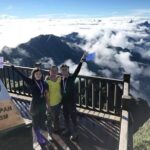

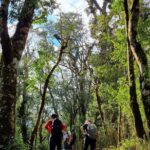

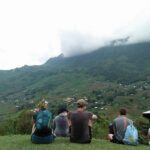
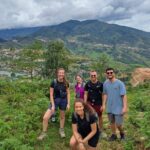
Ta Van Giay (Giay settlement)
Ta Van Giay adds a different community feel. Even when you’re not studying names and history, you’ll notice how daily rhythms shift from place to place—small differences in village layout and the flow of the walk. It’s also a good moment for photos that show more than just mountains.
Giang Ta Chai (Red Dao hamlet)
This is where the route often ties back to the overall “Giang Ta Chai” experience, including short treks, visits, and time to observe village activities. Expect a more hamlet-style feel—smaller pockets of homes connected by footpaths—rather than big roadside stops.
A practical note: the tour is designed for moderate physical fitness. You should be comfortable with uneven terrain and changing footing, but the day is structured so you’re not stuck walking for hours without relief.
Waterfall, rock carvings, and the Muong Hoa River: the stops that change the day
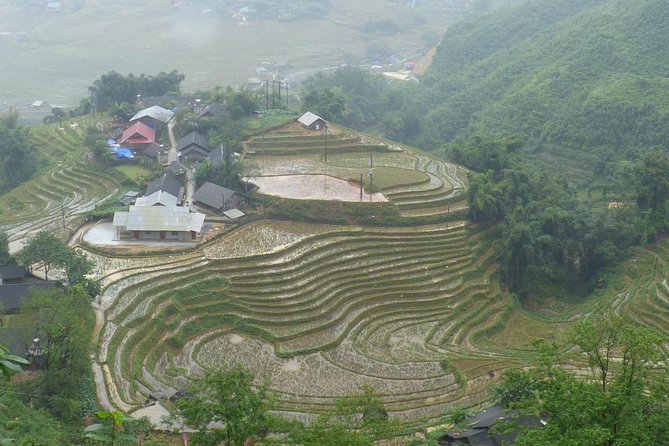
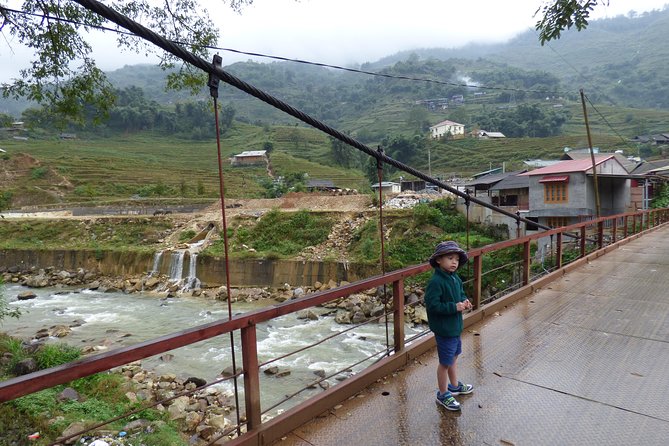
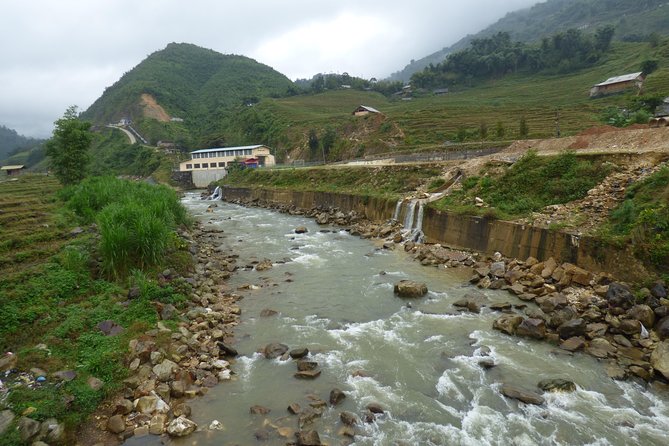
Between villages, you’ll make time for a few “stop and look” moments: a waterfall, rock carvings, and the Muong Hoa River area. These aren’t filler. They’re how the route breaks up the day so it doesn’t feel like nonstop walking between houses.
Why these stops work:
- The waterfall gives you a pause where you’re not only looking at people and homes—you’re looking at water and terrain.
- Rock carvings add a physical, tangible sense of place. Even if you don’t know the story behind them, you’re seeing marks made for a reason, in the landscape you’re traveling through.
- River views help you understand why these villages sit where they do. Water changes everything—agriculture, travel routes, and daily life.
If the weather is clear, these stops are the kind where you’ll wish you had one extra layer and a bit of patience for the light. If it’s cloudy or rainy, the focus shifts to texture and movement rather than “big photo skies.”
Lunch in a minority home or restaurant (and what you should expect)

Lunch is included, and it’s designed to feel local: a meal in a minority home or restaurant. That matters because it’s one of the easiest parts of the day to get “real” rather than tourist-menu real.
Practically, lunch also helps you keep energy steady. The walking segment is short enough that you can enjoy it, but long enough that skipping a solid meal would make the second half of the day feel harder than it should.
One thing to keep in mind: drinks aren’t included. The tour includes bottled water, but if you want more than water with lunch, you’ll need to pay for it separately.
If you’re sensitive to spice or unfamiliar ingredients, choose patiently. Even in local places, you can usually get something that works—just don’t assume every table is serving mild options.
Vehicle-supported trekking: why expectations matter
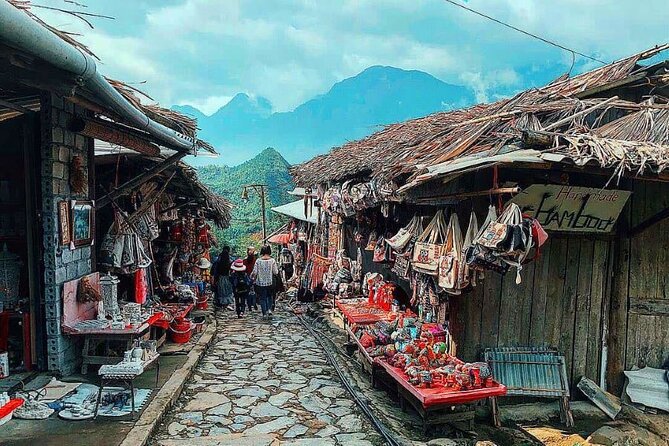
This is where you should be clear before you go. The tour uses round-trip vehicle transfers, and that means the walking portion is planned—but it’s not nonstop hiking.
You’ll walk the village paths (including that 3–5 km one way segment), then you return by mini-coach. That format is the whole point: more variety in fewer hours, without turning it into a full-day endurance test.
If you’re hoping for a “four hours of only walking” kind of trek, you may feel misaligned. The day is built to include village visits, culture stops, and a lunch break—plus some drive time in between.
The upside is you get:
- more villages in the same window,
- more variety (river, waterfall, carvings),
- less time spent stuck in transportation than if you arranged everything separately.
The downside is you’ll have less control over timing and route flow. When traffic happens in Sapa town, the day can shift. Still, the route is structured so you should finish with meaningful village time rather than just drive-and-look.
Price and value: what $96.16 buys you in Sapa
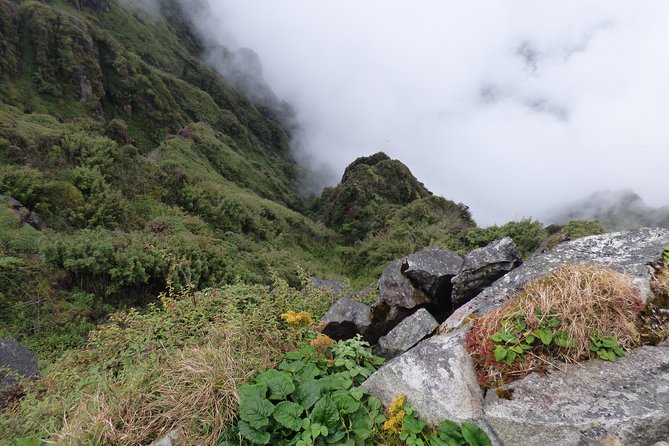
At about $96.16 per person, the price isn’t “cheap,” but it’s also not trying to pretend you’re on a barebones hike. Here’s what you’re paying for, based on what’s included:
Included:
- Lunch
- Bottled water
- Driver/guide
- Local taxes
- Admission ticket(s) at the day’s stops
- Hotel pickup/drop-off if you choose that option
- Small group size (max 10)
- Group discounts (when applicable)
- Mobile ticket
Not included:
- Drinks beyond what’s provided
- Souvenir photos (available to purchase)
So is it good value? For most people, yes, if you want:
- guided village access (instead of figuring out routes alone),
- a structured, time-efficient loop,
- and a day that mixes culture + nature without being a physical grind.
If you’re traveling as a hard-core trekker who wants long walking hours and minimal driving support, you might decide the format doesn’t match your goal. The best match is someone who wants “varied and guided” more than “pure endurance.”
Who should book this trek, and who might skip it
This is a strong fit if you:
- want to see Black Hmong, Giay, and Red Dao village areas in one go,
- like small groups and guided pacing,
- enjoy short treks with stops rather than a long self-directed hike,
- want lunch included so the day stays easy to manage.
You might skip it if you:
- are specifically looking for a long, continuous trekking-only experience,
- dislike the idea of mini-coach returns,
- need the day to be perfectly predictable hour by hour (Sapa traffic can vary).
Should you book the Sapa–Lao Chai–Ta Van full-day trekking tour?
I’d book it if your priority is variety with a guide and you’re happy with a moderate hiking day. The small group size, included lunch, and the mix of villages—plus waterfall, rock carvings, and Muong Hoa River views—make it more than a checkbox tour.
I’d think twice if you’re chasing maximum walking time or you’re expecting a fully on-foot route all day. The design here is village visits + short trekking + vehicle support.
If you want the “Sapa day that feels like it has chapters,” this one is built that way.
FAQ
What time does the tour start?
The tour starts at 8:30 am.
How long is the trekking day?
The full day runs about 5 to 6 hours.
How many people are in the group?
The group is limited to a maximum of 10 travelers.
Which villages will I visit?
You’ll visit Lao Chai, Ta Van Giay, and Giang Ta Chai.
Is lunch included?
Yes, lunch is included.
What walking distance should I expect?
You’ll do a short trek of about 3–5 km one way, and you return by mini-coach.
Is hotel pickup and drop-off included?
Hotel pickup and drop-off are included if you select that option.
What’s not included in the price?
Drinks and souvenir photos (available to purchase) are not included.
What happens if weather is poor?
If the tour is canceled due to poor weather, you’ll be offered a different date or a full refund. Cancellation is free up to 24 hours in advance for a full refund.
If you want, tell me your travel month and fitness level, and I’ll help you sanity-check whether the walking style and timing will feel like a good match.