REVIEW · KATHMANDU
Everest Base Camp Trek
Book on Viator →Operated by Dream Heaven Adventure Pvt. Ltd. · Bookable on Viator
That first glimpse of Everest-region air is a spark. This Everest Base Camp trek blends the big-ticket sights—Everest Base Camp and Kalapathar—with lived-in village days, monastery stops, and Sherpa culture. Two things I really like are the pre-trek setup with your guide plus the way the plan builds acclimatization through places like Namche, Dingboche, and the optional Chukhung morning trek. One thing to consider: it’s priced like an all-in, guided package, so you’ll want to be sure you’ll use the included flights, guide, and porter support instead of trimming it down yourself.
What makes this trip work for most people is the support layer. You’ll have airport pickup in Kathmandu, a professional guide, entrance/park fees included, and porter help (at a 2 trekkers : 1 porter ratio). If weather turns rough, the trek is subject to conditions, so plan to stay flexible with timing.
In This Review
- Key things that make this Everest Base Camp trek worth your attention
- Entering the Everest Base Camp story: more than a checklist
- The Kathmandu start: pickup, hotel rest, and a guide who can tailor your pace
- Getting to Lukla: the 40-minute flight you’ll remember forever
- Phakding to Namche Bazaar: Sherpa villages, Dudh Koshi, and your first real altitude lesson
- Tengboche and the monastery day: where views feel spiritual (not just scenic)
- Dingboche and the Rhododendron-to-Imja approach: acclimatization with scenery
- Lobuche: yak-farm energy and the glacier edge you can’t unsee
- Gorakshep and Everest Base Camp: the day your dream turns into a place
- Kalapathar (5,550 m): why this viewpoint day changes your whole perspective
- Pangboche, Tengboche, and the descent rhythm: tradition plus gravity
- Lukla to Kathmandu: your last sunset, then a real bed
- Price and Logistics: what you’re paying for in this $1,650 package
- Safety, guidance, and the human side of making it through
- Should you book this Everest Base Camp trek?
- FAQ
- How long is the Everest Base Camp trek?
- What does the $1,650 price include?
- Are airport transfers and Kathmandu hotel stays included?
- Can I eat vegetarian meals on this trek?
- What if the weather is poor?
- What is the cancellation refund timeline?
Key things that make this Everest Base Camp trek worth your attention
- Lukla flight included: a thrilling jump into the Khumbu that sets the whole tone.
- Monastery stops that actually add meaning: Tengboche views and Pangboche’s old monastery legend.
- Kalapathar (5,550 m) for the best Everest angle: a high viewpoint day after Base Camp.
- Real acclimatization rhythm: Namche and Dingboche slow things down so altitude isn’t your enemy.
- Guide + team track record in tough moments: multiple guests praised emergency competence and quick problem-solving.
- Private-group setup: you trek as just your group, not a mixed crowd.
Entering the Everest Base Camp story: more than a checklist
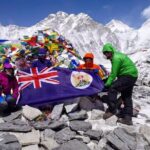
Everest Base Camp is where scale stops being an idea and turns into something you can feel. At the camp, you’re walking into a wide area that looks like a tent town—busy, temporary, and full of people chasing the same dream. Even without climbing equipment, the “how it feels” part is the whole point.
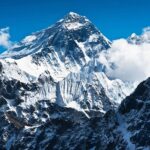
Then there’s Kalapathar, the viewpoint that gives you the most direct read on the Everest ridgeline and summit details. The plan is clear that this is after Base Camp, with a hike to reach the high viewing point and then a descent toward the next overnight spot. If you care about photos, you’ll appreciate that they’re tied to a specific day objective rather than lucking into a view.
You can also read our reviews of more tours and experiences in Kathmandu.
The Kathmandu start: pickup, hotel rest, and a guide who can tailor your pace
Day 1 is built to reduce stress. You meet at Tribhuvan International Airport, get taken to your Kathmandu hotel, and then your team sets up a pre-trip gathering. That’s when you meet your trekking guide and can talk through questions and pacing before you ever reach Lukla.
In the real world, this “no surprises” moment matters. The Everest region moves fast—altitude, weather, and logistics don’t wait for you. Having your guide (people have mentioned names like Suman from the company side, plus guides such as Shambhu, Raj, and Hupa Raj in past trips) lined up from day one helps when you need small adjustments.
Getting to Lukla: the 40-minute flight you’ll remember forever
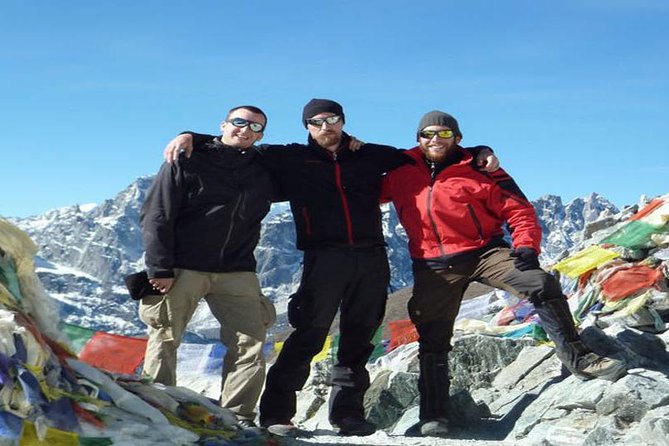
On Day 2 you fly about 40 minutes from Kathmandu to Lukla. This is described as one of the most thrilling flights you’ll ever take, with views of terraced valleys below. For many first-timers, that short flight is also the mental transition from city life to trekking life.
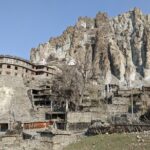
Once you land, you start moving on the Khumbu trails. The route continues from Lukla toward Phakding over roughly 3–4 hours, and you’ll pass mani stone walls—stone tablets stacked in long stretches, painted in bright colors. These aren’t just decorations; they’re part of a landscape of everyday spirituality that you’ll keep seeing as you go.
Practical tip: bring a small layer for the airport-to-trail shift. Even when skies look good in Kathmandu, Lukla day conditions can feel cooler and more exposed.
Phakding to Namche Bazaar: Sherpa villages, Dudh Koshi, and your first real altitude lesson
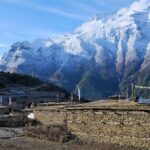
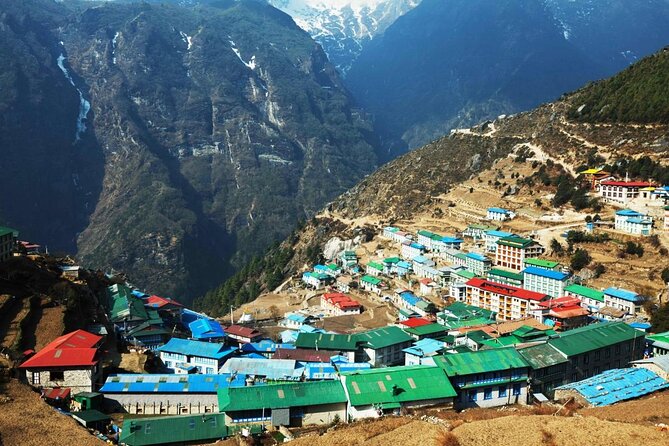
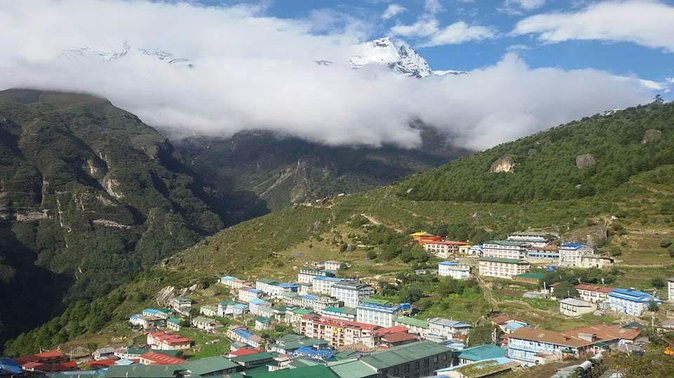
Day 3 centers on getting to Namche Bazaar. You trek along Sherpa villages through the Dudh Koshi valley, and you get your first meaningful big-mountain glimpses of peaks like Everest, Nuptse, and Kusum Kangaru (plus others in the same view cluster). Namche is also described as a place to understand how daily life works—markets, trading, and the rhythm of a key Sherpa hub.
This day is about two things: movement and adjustment. You’re climbing into a higher world, but the plan still keeps the pace realistic for most trekkers. Your goal is to keep breathing steady, not to race.
Day 4 is a lighter day in Namche. You’ll have time in the village and then take a short hike up to Khumjung. This is the kind of day that helps you absorb the views—Everest-area perspectives, plus Ama Dablam and a host of nearby peaks—without turning trekking into a full-body punishment.
Tengboche and the monastery day: where views feel spiritual (not just scenic)
The route then moves toward Tengboche Gompa. This is one of the big emotional stops on the trek because it combines a monastery visit with an exposed viewpoint. The description calls Tengboche a place where a bravura panorama greets you—especially with a view cluster that includes Everest-area giants and Ama Dablam.
Even if you’re not religious, you’ll likely feel the difference. Monasteries like Tengboche act like cultural anchors—quiet spots where you see how people mark mountain life with prayer, ritual, and community. It also breaks up the walking with a structured reason to pause.
If you’re traveling with seniors or want a calmer approach, this is the kind of day that works well. Past guests have described the operator as patient about customizing pacing, and monastery days are usually easier to shape into a comfortable rhythm.
Dingboche and the Rhododendron-to-Imja approach: acclimatization with scenery
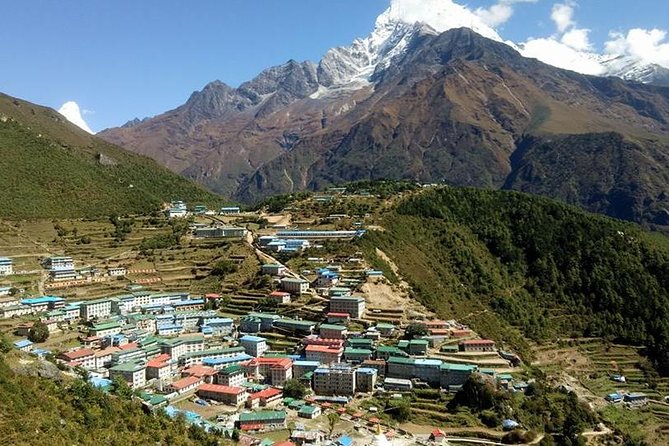
Day 6 shifts into trekking through rhododendron forests following the river up the Imja valley to Dingboche. The plan describes Dingboche as the “summer valley,” and it points out that gradients can be milder—though your pace still must respect altitude.
Dingboche is also a viewpoint town. You’ll see Ama Dablam and Lhotse from the approach, and the whole vibe is about settling in, taking a slow breath, and letting your body adapt.
Day 7 adds one more layer: a restful day with an option. The plan mentions relaxing in Dingboche, then a possible morning trek toward Chukhung cabins for better higher-arrival views. This is your “choose your challenge” moment—useful if you want more elevation exposure, but not necessary if you’re tired.
Lobuche: yak-farm energy and the glacier edge you can’t unsee
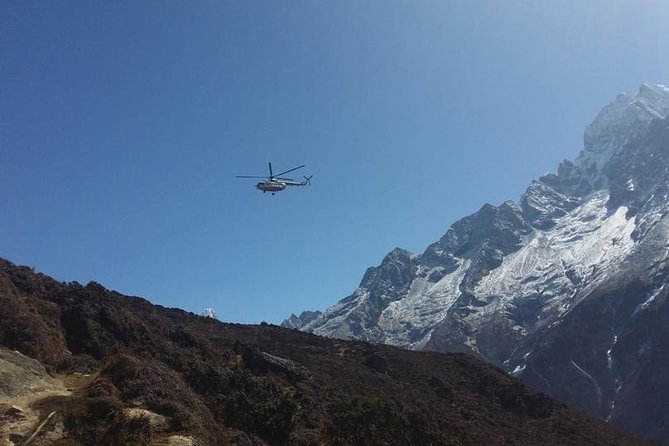
After Dingboche, you head to Lobuche on Day 8. The route includes a stepped hike, passing a yak farm, and then continuing toward the Khumbu Glacier by following the Duglha. You get ridge views of peaks like Tawache and Cholatse along the way, and the glacier approaches like a wall.
Lobuche is often where trekkers start feeling the “high Himalaya” reality in their legs. Distances may not be extreme, but the air is thinner and the effort becomes more noticeable. I like that this itinerary doesn’t pretend altitude is nothing; it gives you a day where your body learns the new normal.
Gorakshep and Everest Base Camp: the day your dream turns into a place
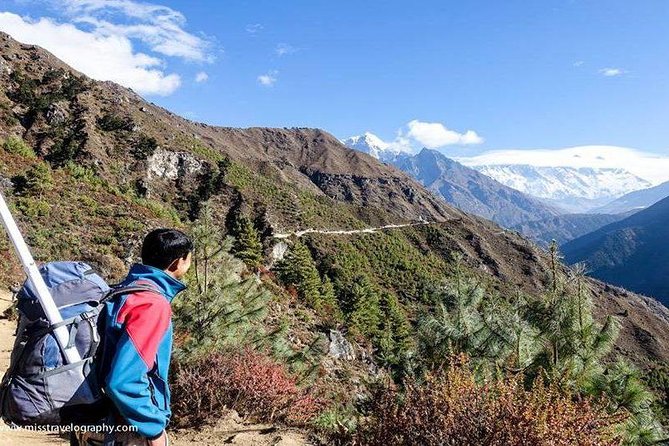
Day 9 starts with the trail to Gorakshep, with views of the Khumbu Glacier as you cross the north rim near Khumbutse and Pumori. From Gorakshep you continue onward toward Everest Base Camp with short ups and downs until you reach it.
At Base Camp, the camp is described as spread across a wide zone with a tented setup. You’ll see a community of expeditions and people from around the world setting up, moving, and waiting. What’s valuable here is that you don’t just walk up, take a picture, and leave. The trek is structured to give you enough time for the place to register.
If you’re someone who hates rushing, you’ll likely appreciate this day. The route is designed for arriving at the goal without turning it into a sprint.
Kalapathar (5,550 m): why this viewpoint day changes your whole perspective
Day 10 is your big viewpoint day. You’ll hike up toward Kalapathar (5,550 m)—described as a windy path up rocky slopes—and then you get the Everest close-up view. The plan also lists a long view lineup from Kalapathar: Khumbutse, Lhotse, Nuptse, Ama Dablam, Cholatse, Tawache, and Pumori.
This is one of the most important days psychologically. Base Camp can feel like a milestone, but Kalapathar is where the mountain’s shape and summit presence become clearer. When you descend, the itinerary continues down toward Pheriche, crossing Lobuche and Dhugla and passing chorten and stupas along the way.
You might also notice animal movement and trail-life: the plan mentions interactions with a line of zopkyos and yaks. That’s a small detail, but it’s also what makes this trek feel like work done in a living region, not in a theme park.
Pangboche, Tengboche, and the descent rhythm: tradition plus gravity
Day 11 shifts into the return leg, and it’s more interesting than most people expect. You trek down to Pangboche village, where the plan highlights an old monastery that’s said to contain what people believe are a Yeti’s scalp and bones. Then you head toward Tengboche through pine and juniper forest.
After Tengboche, you drop sharply toward the Dudh Koshi River, passing the village of Phunki and then crossing back toward Namche Bazaar. The “sharp down” segments are part of the deal on the way out, so protect your knees and keep your steps controlled. This is also where a good guide matters—someone who keeps you safe without turning the descent into panic.
Day 12 continues the downhill to Lukla. You follow the Dudh Kosi River route, and the itinerary notes that you’ll be back safe and well at the end of the trek. The point of this day isn’t sightseeing—it’s finishing strong.
Lukla to Kathmandu: your last sunset, then a real bed
On Day 13 you take the scenic flight back to Kathmandu by air. The plan lists about 35 minutes in the air, and once you land you’re transferred by private vehicle to your hotel. In the evening, you’ll enjoy a cultural dinner together, a nice final social reset after days of trail routine.
Then Day 14 is simple: departure to your destination, with your airport team dropping you at Tribhuvan International Airport. This wrap-up is practical. When the trek ends at Lukla, having Kathmandu support ready keeps the whole trip from feeling chaotic.
Price and Logistics: what you’re paying for in this $1,650 package
At $1,650 per person for roughly 14 days, you’re buying more than walking days. This itinerary includes round-trip flights to Lukla, airport transfer, entrance fees, national park fees, 14 nights of accommodation, and meals as per itinerary. You also get a professional guide, plus porter services with a 2 trekkers : 1 porter ratio.
That porter ratio is a big value point. It doesn’t remove all work, but it protects you from carrying everything while you’re already managing thin air. If you have your own gear, you might still appreciate having necessary equipment included—the less you have to source, the fewer chances for last-minute problems.
What’s not included is also clear. Drinks and all personal expenses (laundry, battery recharge, hot shower costs) are on you, and excess luggage fees can apply. The best way to think about value here: if you want one plan that handles flights, fees, guides, and core meals, this price starts making sense fast.
Safety, guidance, and the human side of making it through
Everest Base Camp treks have a reputation for being intense, but the real success factor is support. Multiple past guests praised the team’s ability to handle emergencies and keep things calm when something unexpected happens. That’s the part you can’t see in photos.
You’ll also be in a private tour setup with only your group. That helps with pacing and makes it easier for your guide to adjust to how your group handles altitude. Past guests specifically talked about the need for good guidance for seniors and families, including small changes to suit their days.
One more real-world note: this is listed as suitable for people with moderate physical fitness, and it includes an option for a vegetarian diet if you advise ahead of time. If you’re set on going, plan your training and bring a calm mindset about slow days.
Should you book this Everest Base Camp trek?
Book it if you want a structured, guided EBC experience that ties together big sights with monastery culture and strong logistical support. The included Lukla flights, park/entrance fees, guide help, and porter support are exactly where many self-planned trips accidentally become expensive or stressful.
Think twice if you’re looking for a do-it-yourself approach or you hate paying for a full package. Also, if you struggle with steep descents or you’re not comfortable with altitude-related slower pace, you may want to ask for pacing guidance in advance.
FAQ
How long is the Everest Base Camp trek?
The itinerary runs for 14 days (approximately), starting with a meeting at Tribhuwan International Airport in Kathmandu.
What does the $1,650 price include?
It includes 14 nights accommodation, local taxes, national park fees, meals as per itinerary, a professional guide, hotel pickup and drop-off in Kathmandu, private vehicle transport, porter services (2 trekkers:1 porter), and round-trip flights to Lukla. Entrance fees and necessary equipment are also listed as included.
Are airport transfers and Kathmandu hotel stays included?
Yes. You’re met at Tribhuvan International Airport, transferred to your Kathmandu hotel, and you also get drop-off to the airport at the end. Transport by private vehicle is included during Kathmandu days.
Can I eat vegetarian meals on this trek?
A vegetarian option is available, and you should advise the operator at the time of booking.
What if the weather is poor?
The trek is subject to favorable weather conditions. If it’s canceled due to poor weather, you’re offered an alternative date.
What is the cancellation refund timeline?
You can cancel up to 6 days in advance for a full refund, 2–6 days for a 50% refund, and less than 2 days before start time is not refunded.