REVIEW · CHIANG RAI
Akha & Lahu village trekking 1 day
Book on GetYourGuide →Operated by บริษัท ทัวริสต์ อินฟอร์เมชั่น เซ็นเตอร์ จำกัด · Bookable on GetYourGuide
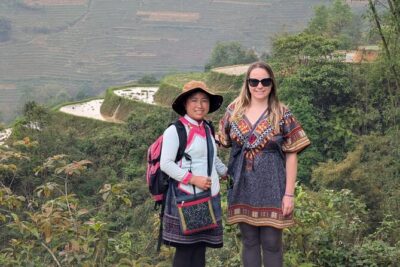
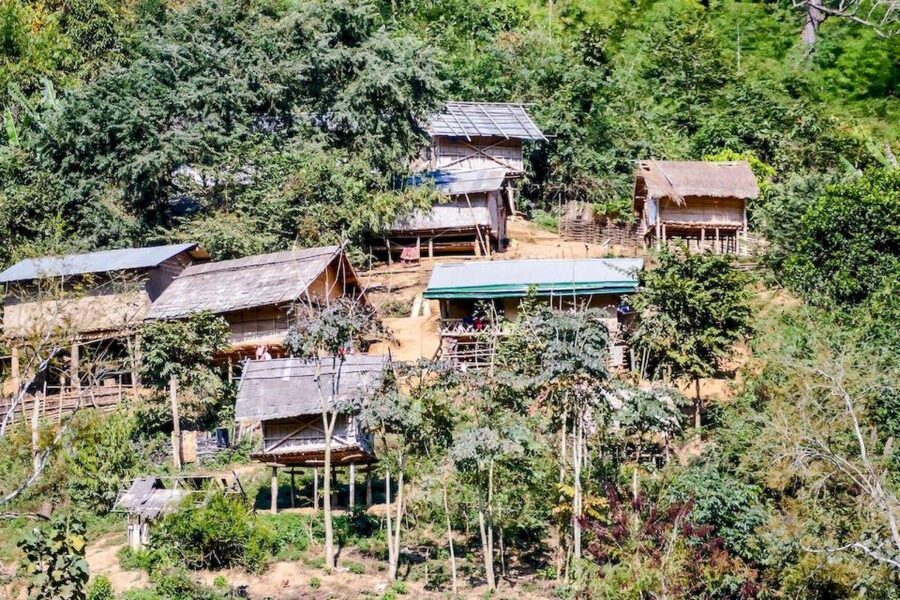
This one-day Chiang Rai trek starts with bamboo and ends with big respect for how people live. You’ll spend time in an Akha village way up in the hills, then hike through jungle scenery that still feels far from mass tourism. Expect warm smiles, clear explanations from your guide, and a route that’s as much about everyday life as it is about views.
I especially love the bamboo-cooked lunch and the way the morning turns practical fast—water, coffee/tea, and then you’re out on foot. Another highlight is how the trek ties together plants, food, and village culture, including time at a waterfall if conditions allow. One drawback to keep in mind: the walking includes challenging sections, and the viewpoint isn’t guaranteed to be an open valley panorama for every stretch.
In This Review
- Key things that make this trek worth it
- Why this Akha & Lahu 1-Day trek in Chiang Rai feels real
- The walking route: bamboo forest, rice fields, and pineapple plantations
- Bamboo-cooked lunch: the meal you’ll remember
- Waterfall time in the Mae Sai area (and what to bring)
- Lahu village stop: another community, on the same day
- Price and value: what $87 includes (and what it doesn’t)
- Practical tips that make a one-day trek easier
- A day-by-day feel: what your time actually looks like
- Who should book this Akha & Lahu experience?
- Should you book the Akha & Lahu village trek?
- FAQ
- How long is the Akha & Lahu village trekking experience?
- What’s included in the price?
- Is the temple entrance fee included?
- Is this tour private?
- What languages are available with the guide?
- Do I need good shoes?
- Can I swim at the waterfall?
- What are the cancellation rules and how does pay later work?
Key things that make this trek worth it
- Akha village time that feels preserved, not staged for crowds
- Akha and Lahu hill-tribe experience in one day
- Bamboo cooking lunch that’s genuinely part of the local routine
- Jungle trekking through bamboo forests, plus fields along the way
- Waterfall break (and yes, swim options if you want)
- Lahu village visit on the return route, with a chance to see another community up close
Why this Akha & Lahu 1-Day trek in Chiang Rai feels real
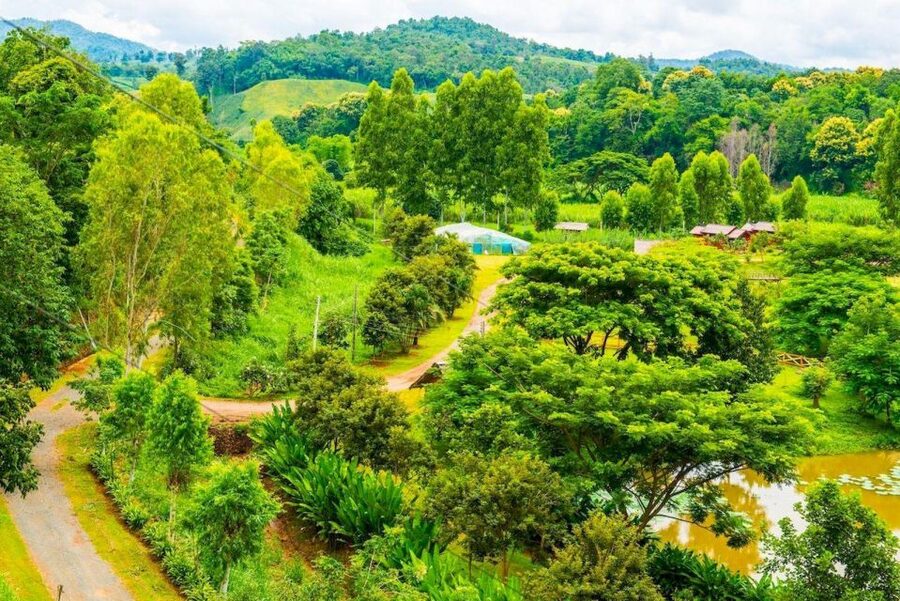
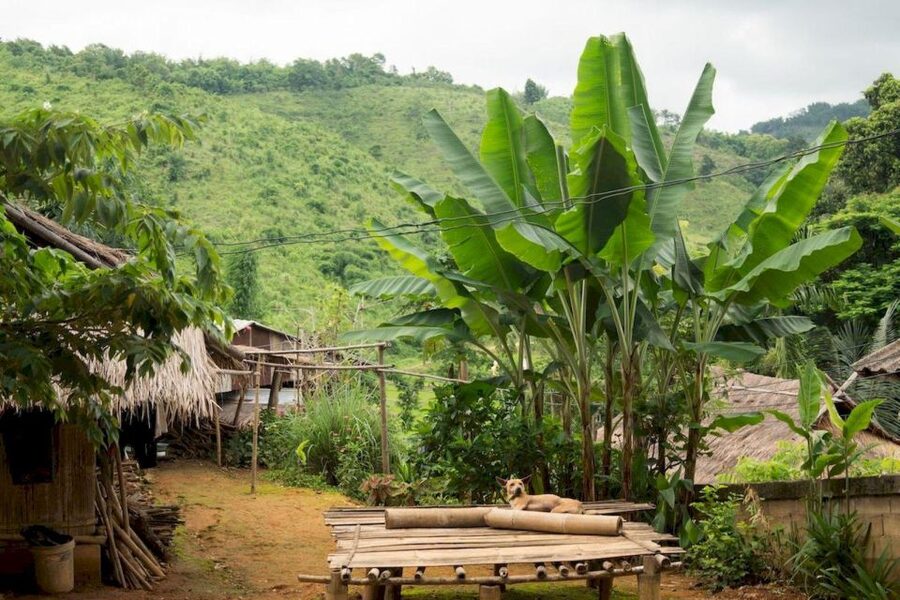
Chiang Rai hill-country tours can blur together. This one stays more grounded because you’re walking into a working jungle village setting, not just pulling up for photos and leaving. You’ll meet people living there, and the day is built around sharing time—walking, eating, and listening—rather than a strict checklist.
What I like most is the balance between nature and culture. You don’t just hear general ideas about tribe life; you move through the surroundings that support it. In the morning, you’re also set up with coffee and tea, plus water, which matters when you’re going from village pace to trail pace quickly.
The other reason it feels special is the focus on bamboo. Bamboo isn’t just a backdrop here. It shows up in the cooking and in what your guide points out along the way, like how different species grow and how people use them.
You can also read our reviews of more tours and experiences in Chiang Rai.
The walking route: bamboo forest, rice fields, and pineapple plantations
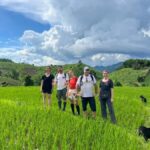
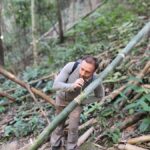
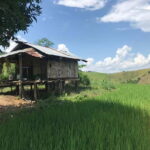
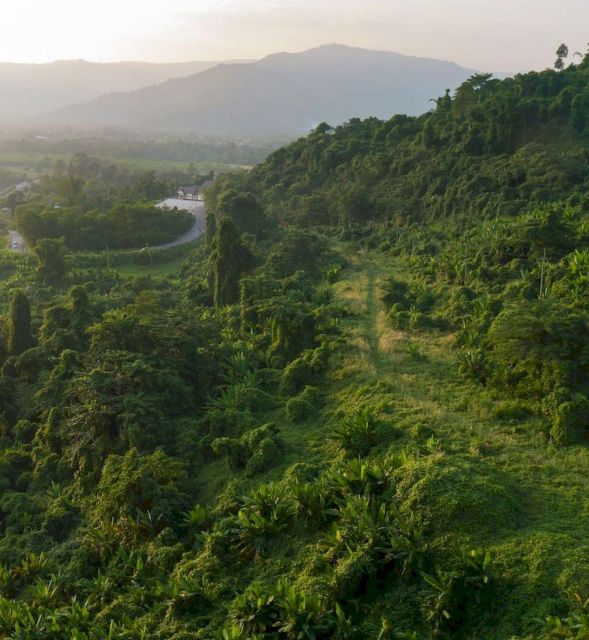
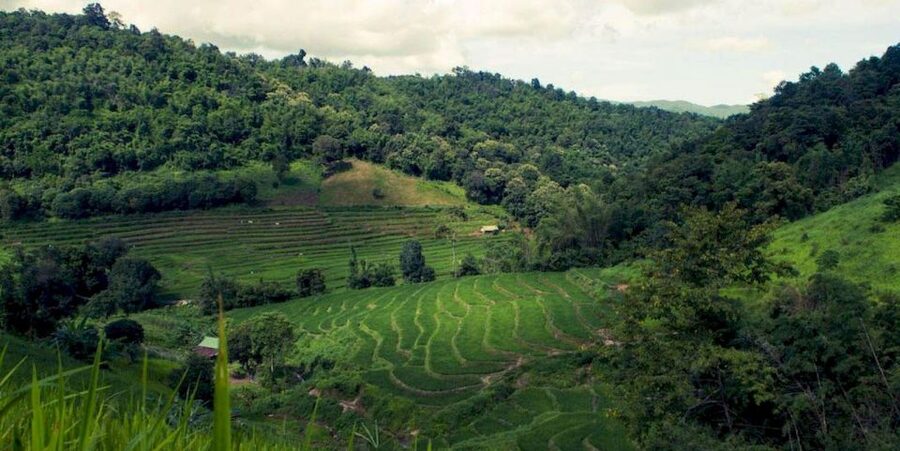
Your day is built around trekking through lush jungle and mixed farming areas around the village. You’ll cover sections in and around bamboo forest, and you’ll also pass rice fields and pineapple plantations as you move through the region. That mix is great because it prevents the day from feeling like one long, repetitive hike.
Comfort-wise, plan for uneven ground and some steep or tougher bits. One review note puts it plainly: some parts can be challenging. You don’t need to be an athlete, but you do need to feel steady on your feet. Sturdy shoes make a real difference, especially if the trail is wet or slick.
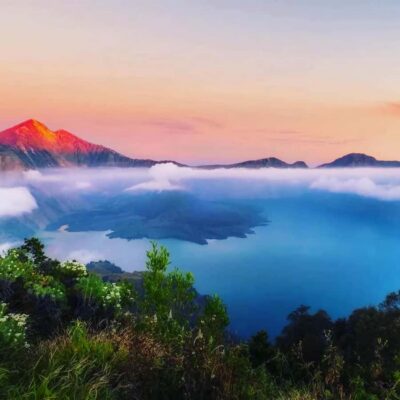
On the view front, don’t build your day around getting classic, far-off valley photos. Some trekking routes have tight sightlines—so if you’re hoping for sweeping panoramas the whole time, you might feel a little let down in a few stretches. The upside is that you’ll still get plenty of scenery: jungle greens, bamboo stands, and the sense of moving through real terrain.
Bamboo-cooked lunch: the meal you’ll remember
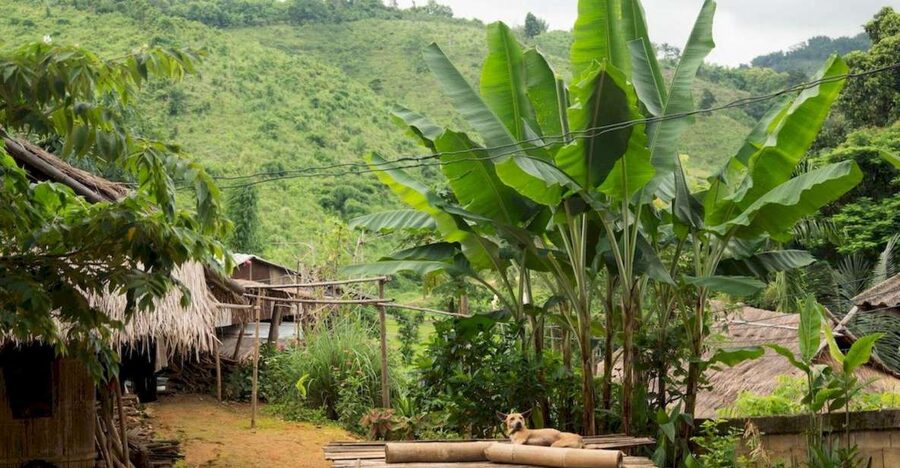
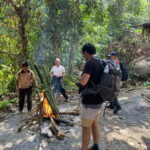
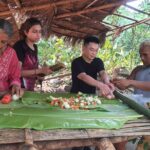
The lunch is one of the main reasons to book this experience. You’re not just eating somewhere neat; you’re joining the bamboo cooking process using bamboo sticks. That means you get the chance to understand how bamboo can function as food equipment in a setting where it’s abundant.
I like that the day gives you a strong context first. Your guide explains what you’re walking past—plants, edible or useful growth, and the general connection between the jungle and daily life. Then lunch lands as the payoff: you taste something made with local materials and learn why it matters.
Your meal is included, and it’s designed as a shared moment with the family and guide. You also get coffee and tea in the morning, so you’re not starting the day hungry and jittery. If you’re the type who thinks a tour is only worth it when the food is good, this one passes that test.
Practical note: bamboo cooking is part of the experience, but taste and spice level still come from the local cooking style. Go with a flexible attitude, drink water when you can, and enjoy the novelty—this is the kind of meal you’ll bring up later because it feels tied to the day, not dropped in as an afterthought.
Waterfall time in the Mae Sai area (and what to bring)
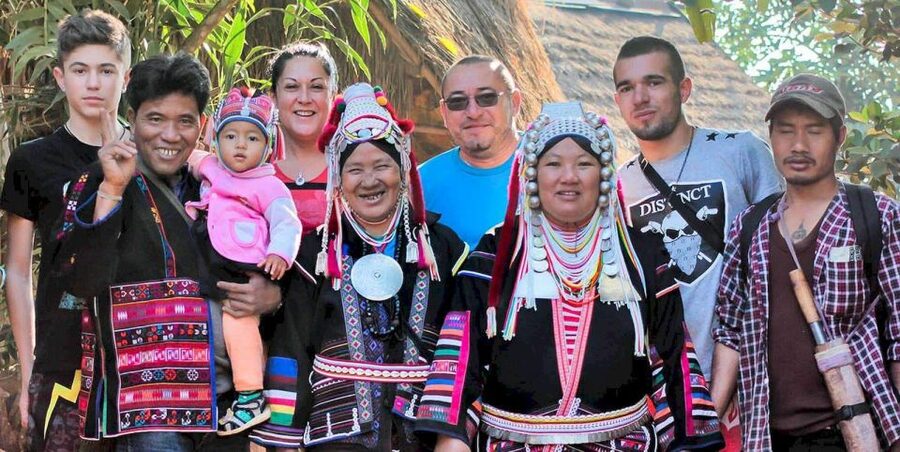
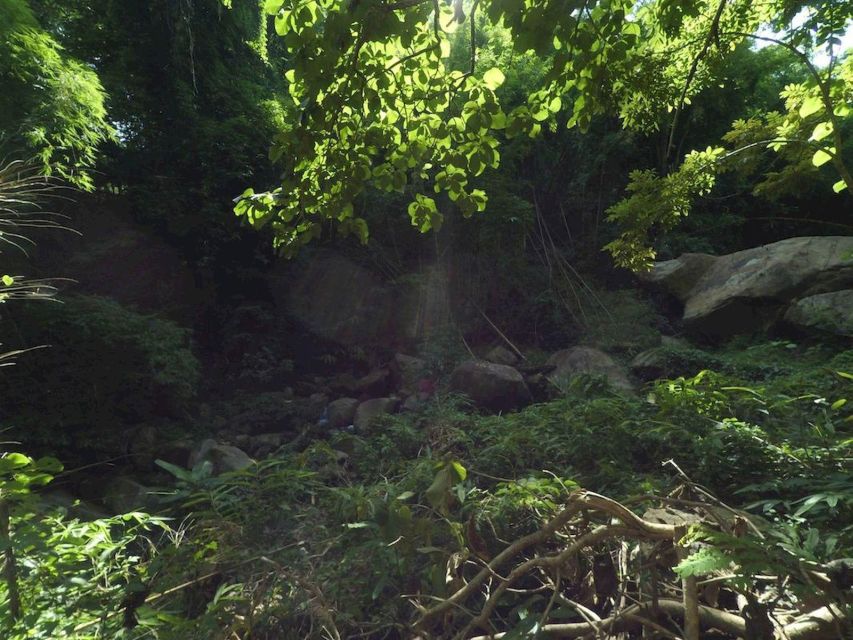
A big part of the day’s “nature break” is time near a waterfall. The trek includes waterfall exploration, and the common tip is simple: if you want to cool off, bring swimming clothes. The trail-to-water setup can make that feel optional, not mandatory, but it’s a nice choice if you’re traveling in warmer weather.
Waterfalls also add something that walking-only days don’t: a sudden change in sound and temperature. Even when it’s just a short stop, it shifts the pace. It’s a good moment to stretch your legs, rehydrate, and reset your attention after uneven ground.
Just plan around comfort. Wear shoes you can get a bit dirty, and expect some slick spots near water edges. If you’re prone to sore feet, bring a plan for keeping your shoes dry enough for the return portion of the day.
Lahu village stop: another community, on the same day
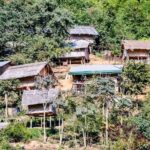
On the way back, you’ll pause to explore a neighboring Lahu hill tribe village. This is where the day earns its “two tribes” appeal without turning into a rushed parade. You get a second cultural window, and it helps you compare how different communities relate to the same mountain environment.
There’s also a shopping element that can pop up during village visits. One review mentions feeling pushed toward buying a handmade pouch from a local who welcomed them, and that it felt like a tourist trap. My advice: be kind, look around, and don’t feel pressured. If you want a souvenir, ask a reasonable question and decide on the spot. If you don’t, a simple polite no works.
This village stop isn’t just about shopping or photos. It’s about seeing how life is organized—homes, gathering spaces, and the rhythms of a place that isn’t built for visitors every minute.
Price and value: what $87 includes (and what it doesn’t)
At $87 per person, this is priced like an experience that’s built around guided trekking and included food—not a basic hike you book yourself. The value comes from what’s covered: lunch cooked with bamboo, morning coffee and tea, plus water. That matters because meals and drinks can eat up your budget fast when you’re already paying for a guide and private time.
Another value factor is that it’s positioned as a private trekking experience. The day is easier to manage when your guide can adapt to your pace and explain things without turning it into a group factory.
The one thing you should know upfront: temple entrance isn’t included. If the route includes any paid site access for your day, you’ll need to budget that separately. It’s not unusual for Thailand tours to separate temple fees from the core package, but it’s good you’re warned now.
When you weigh cost against effort, this feels fair. You’re paying for guided jungle time, village connection, and a meal that’s part of the culture rather than delivered off a tour van tray.
Practical tips that make a one-day trek easier
A one-day trekking tour sounds simple until you pack for it wrong. Here’s what will keep your day smooth based on what’s repeatedly emphasized.
First, wear good shoes. The trek has challenging sections, and bamboo forest trails can be unpredictable. If you only bring sneakers, you might regret it when the ground turns slick.
Second, consider packing for water and temperature changes. You’ll have waterfall time, and you may want to swim. If that’s your plan, bring swimming clothes and something to dry off later, even if it’s just a quick change.
Third, expect humid conditions and plan your hydration. Water is included, but that doesn’t stop you from needing to drink consistently. Start the trek with a few sips early rather than waiting until you feel tired.
Finally, bring a calm attitude for village interactions. You’ll likely be welcomed warmly, and your guide will explain customs and plants. Your job is to listen and move respectfully. Shopping offers may appear, especially near welcoming moments—so decide your boundaries before you get caught up in the flow.
A day-by-day feel: what your time actually looks like
You’ll start the day with coffee and tea, then set out with your guide toward the Akha village area. The morning focus feels like orientation: where you are, what grows here, and how bamboo fits into daily life. It’s not just “walk and watch.” You’ll learn while walking.
From there, the trek takes you through bamboo forest and along farming patches—rice fields and pineapple plantations—so you experience more than one kind of terrain. This keeps your muscles working, but it also keeps the scenery fresh.
Lunch is the centerpiece. You cook or help with bamboo-sticks preparation, then eat together. This is when the earlier explanations click into something you can taste and remember.
After lunch, the day shifts toward a nature highlight: waterfall exploration. If you brought swim clothes, you’ll likely have a chance to cool off. If not, it’s still a great reset and a break from the tighter trail sections.
Then you return and visit a neighboring Lahu village. You’re not rushing to check a box. It’s more like a second conversation with another community before the day closes.
Who should book this Akha & Lahu experience?
This is ideal if you want a culture-and-nature day in the Chiang Rai hills and you only have limited time. It suits you if you like learning from local guides, enjoy walking, and want a meal that feels tied to place.
It’s also a strong choice for people who care about bamboo and jungle plants. One guide, named Acha (spelled Achra in some notes), is repeatedly praised for explaining bamboo and pointing out other plants you’ll see along the way, including things like cocoa, lemon, coffee, and lemongrass. That kind of detail makes the day more than scenic exercise.
If you dislike any uneven ground or you hate active tours, you may find parts uncomfortable. The trek is described as challenging in sections, so be honest about your hiking comfort level.
Should you book the Akha & Lahu village trek?
Book it if you want more than a quick countryside stop. This is one day, but it’s packed with the right ingredients: Akha village time, jungle trekking, bamboo cooking lunch, and a waterfall break, plus a Lahu village visit at the end.
Skip or reconsider if you’re chasing nonstop wide-open valley views. Some stretches won’t give you the kind of landscape photos you may expect, and you need to be comfortable with a mix of walking conditions.
If you book, go in with the right mindset: wear good shoes, bring swim clothes if you want that waterfall moment, and focus on listening and learning. That’s when the day delivers its best memories.
FAQ
How long is the Akha & Lahu village trekking experience?
It’s a one-day trekking experience around Chiang Rai.
What’s included in the price?
The package includes lunch (bamboo meal), water, and coffee and tea in the morning.
Is the temple entrance fee included?
No. Temple entrance is not included.
Is this tour private?
Yes, it’s described as a private trekking experience.
What languages are available with the guide?
The tour is available in English and Thai.
Do I need good shoes?
Yes. Reviews specifically recommend bringing good shoes because parts of the trek can be challenging.
Can I swim at the waterfall?
You might be able to cool off at the Mae Sai waterfall area, and it’s suggested to bring swimming clothes if you want to swim.
What are the cancellation rules and how does pay later work?
You can cancel up to 24 hours in advance for a full refund, and there’s a reserve and pay later option so you don’t pay today.