REVIEW · LALIBELA
3-days Scheduled Lalibela Churches & Abune Yosef Trekking
Book on Viator →Operated by Access Eco Trekking Tours · Bookable on Viator
Three days, two worlds, and one big climb. This trip pairs an easy-listed highland trek with visits to Lalibela’s UNESCO World Heritage churches, plus a community village night in the mountains.
I love the way it mixes practical trekking with real local life: you get a mountain-village coffee ceremony and time in places like Ade Medhamialem and Tegu kebele, not just a quick pass-through. I also like that you’re traveling with a small crew (up to 16), led by experienced guides such as Sammy, Joseph, Sami, or Moges, who know how to pace you on the uphill.
One consideration: Day 2 is the muscle test. Even on this “easy” grade, you’ll walk more than 18 km and reach the Abune Yosef area around 4,200 m, so plan for slow steps and cool-air breathing.
In This Review
- Key highlights worth your attention
- Why this Lalibela trek hits differently at 4,280 m
- Day 1: Asheton Maryam Monastery, village coffee, and sleeping in Ade Medhamialem
- Day 1 potential downside to plan for
- Day 2: Abune Yosef summit lunch, Tegu kebele, and the tough 18+ km day
- What makes Day 2 worth the grind
- Day 2 potential downside to plan for
- Day 3: Downhill back to Lalibela, then UNESCO churches including St. George
- Day 3 potential downside to plan for
- Guides, porters, and why the small group size matters
- Safety reality check, without panic
- Price and value: what $350 covers (and why it matters)
- Is it good value?
- Practical tips: what to pack for weather and altitude
- Sleeping gear (simple but important)
- Pace rule that saves trips
- Who should book this trek, and who should reconsider
- Should you book the 3-day Lalibela churches and Abune Yosef trek?
- FAQ
- How long is the trek?
- When does it depart from Lalibela?
- What’s the difficulty level and altitude?
- How big is the group?
- What’s included in the price?
- What meals are not included?
- Are service animals allowed?
- Is there an option to cancel for a full refund?
Key highlights worth your attention
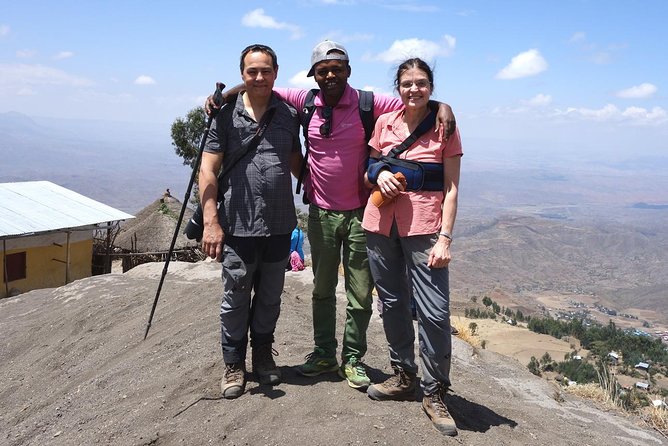
- UNESCO churches + a summit trek: churches in the afternoon, mountain walking the rest of the trip
- Community-based village night in Ade Medhamialem, with local hospitality
- Abune Yosef views at high altitude, plus a long Day 2 hike
- Wildlife spotting time for gelada baboons and the Lamargair (large bird)
- Small group size (max 16) and a real guide/porter team setup
- Included guides and entrance fees, so you’re not hunting tickets mid-trip
Why this Lalibela trek hits differently at 4,280 m
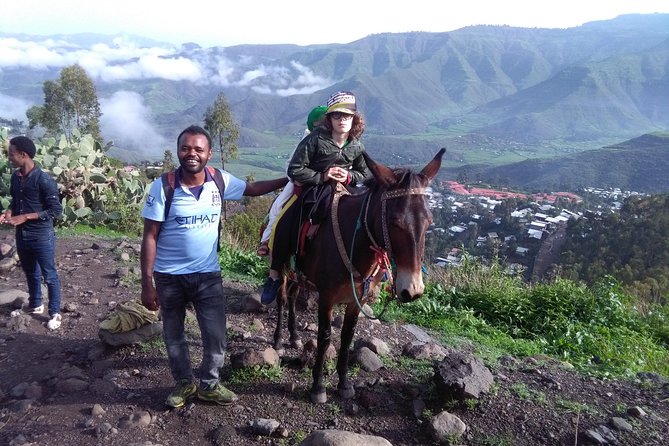
Lalibela is famous for churches carved into rock. This tour adds a second reason to come: the walking up into the highlands, where the air thins and the day feels more local than scripted. You’re trekking around a total of 45 km over three days, with a high point near Mount Abune Yosef and an overall altitude listed at 4,280 m.
The “easy” label here doesn’t mean “casual.” It means the route is built for people with moderate fitness, and the guides help you keep a steady rhythm. If you go in expecting a slow, scenic hike with breaks, you’ll have a far better time.
The biggest value for me is that you’re not just collecting sights. You’re spending time in mountain villages and valleys like Tegu kebele, where daily routines and conversations happen along the trail.
You can also read our reviews of more tours and experiences in Lalibela.
Day 1: Asheton Maryam Monastery, village coffee, and sleeping in Ade Medhamialem
You start the day in Lalibela with a quick admin-and-orientation moment. A day before your trekking begins, you meet in the office in the center of town, next to the Ethiopian Airlines Lalibela office, for confirmation and a site map rundown. That matters more than it sounds, because it helps you understand the route before you’re out there with your legs doing the talking.
On the morning of Day 1, you’ll meet your guide and porter at your hotel reception. The plan is to pack your gear and have it carried (on a donkey), then head out from the office area around 7:45 a.m. You’ll walk for about 7 hours, with the day built around moving toward the mountain church area.
The centerpiece is Asheton Maryam Monastery and the hike to the mountain church itself. Along the way, you also pass through villages/areas like Ade Medhamialem, Asheton, and Hudad, and you’ll be working in the direction of Mount Abune Yosef.
This is also when the “local side of Ethiopia” really shows up. You should plan on having a chance to join a coffee ceremony in a mountain village during Day 1. Even if you think you’ve seen coffee ceremonies before, this one sits in a working community setting, tied to the rhythm of the village.
Wildlife can enter your day too. The tour information points to chances to spot gelada baboons and the large bird called Lamargair. You won’t control when animals appear, but the route is designed to put you in the right zones.
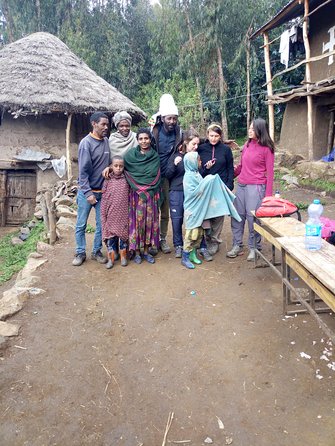
At the end of Day 1, you sleep at Ade Medhamialem village. That village-night piece is where this trek becomes more than sightseeing. One traveler experience described being treated like family, and another mentioned the chance to see a local school—proof that “community-based” here is meant to be practical, not marketing.
Day 1 potential downside to plan for
Day 1 includes a long walking day before you settle in for the night. If you’re arriving with stiff legs (or didn’t sleep well in town), you’ll want to keep your pace conservative early so you don’t crash on Day 2.
Day 2: Abune Yosef summit lunch, Tegu kebele, and the tough 18+ km day
Day 2 starts early after breakfast. Then it’s out on foot toward Tegu kebele, with time along the way to visit areas around the Ziget mountains—both small and big. Expect the walking to feel more demanding than Day 1, and plan on more than 18 km over about 10 hours.
You’re also aiming for lunch at the top of Mount Abune Yosef (listed around 4,200 m). This is one of the clearest “why bother?” moments of the trip. The higher you go, the more dramatic the working world below looks—fields, valleys, and paths that seem to shrink as you gain altitude.
At altitude, your body has its own opinion about speed. The good news is that multiple experiences tied to this trek emphasize that guides pace you, especially if you’re not an experienced hiker. If you keep your effort steady instead of rushing to “win” the climb, you’ll conserve breath and energy for the long return.
After lunch, you walk back to Ade Medhamialem village for the second night. This is the day where you’ll probably understand what kind of hiker you are—patient and steady, or out of breath and annoyed by every uphill section. The guides help smooth that out.
What makes Day 2 worth the grind
This is the day that combines three things the itinerary is built around:
- A high point near Abune Yosef (lunch at the top)
- Community time around Tegu kebele
- Time with wildlife in the right highland environment
If you like trips where the best part is earned—quiet views, hard-earned walking, and then an unhurried return—you’ll feel rewarded on Day 2.
Day 2 potential downside to plan for
Even with guide support, this is the day to respect. If you arrive with low stamina or no hiking shoes, you’ll feel it. If you’re prone to altitude discomfort, go slow and don’t treat the climb like a training run.
Day 3: Downhill back to Lalibela, then UNESCO churches including St. George
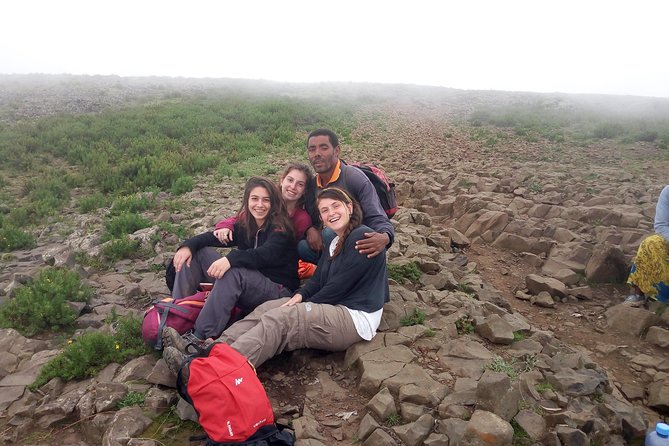
The last day feels like a reset. After breakfast, you walk downhill back to Lalibela city, which is exactly what your legs want after two long days. Then there’s lunch, followed by the real cultural payoff in the afternoon.
In the afternoon, you visit the Rock-Hewn Churches of Lalibela, listed as UNESCO World Heritage, including St. George. This is your chance to connect what you saw in the mountains—villages, valleys, daily life—with what Lalibela is famous for worldwide: its rock-hewn sacred sites.
A smart way to approach Church Day is to slow down and take your time between entrances. When you’re coming off a trek, you’ll likely enjoy the churches more if you’re not rushing your photos or trying to “do it all.” Let your pace match the day.
Day 3 potential downside to plan for
Day 3 is mostly walking downhill plus church time, but you still won’t be fresh if you went too hard on Day 2. Pack for cool mornings and plan a slower rhythm if you feel lingering fatigue.
Guides, porters, and why the small group size matters
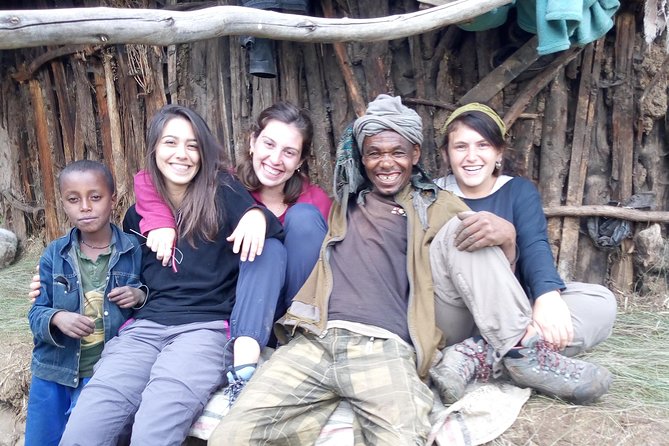
This tour caps at 16 travelers, and that’s a big deal in Ethiopia’s trekking context. You get enough people to share the day without turning it into a crowded spectacle. Your guide can adjust pacing and explanations, and you’ll have a better chance of noticing details on the trail—like when animals show up or when the path changes.
The guide team matters too. Experiences linked to this route highlight guides including Sammy, Joseph, Sami, Kanu (as part of the organizing team), and Moges. The consistent theme across these experiences is friendly help paired with solid trekking leadership.
Also note the logistics style: your main gear is carried by a porter/donkey setup, which helps keep your hike more comfortable. You still hike, but you’re not dragging a heavy load up the altitude.
Safety reality check, without panic
One traveler experience mentioned feeling safe even with regional conflict pressures in mind. I can’t guarantee safety conditions for any destination, so I recommend you check current travel advisories before you go. What I can say from the way this tour is run is that you’ll be with local operators and guides who know the ground.
Price and value: what $350 covers (and why it matters)
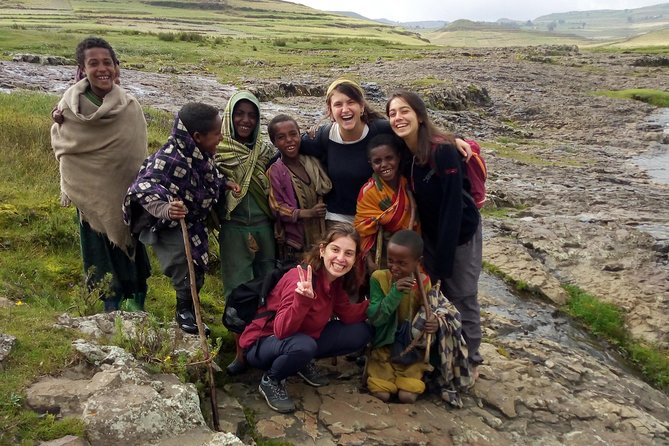
This costs $350 per person for three days. On paper, that’s a moderate price for a trekking + UNESCO church combination. What makes it feel more “fair” is what’s included.
You get:
- Hotel pickup and drop-off
- Bottled water
- A professional trekking guide
- Lalibela churches entrance fee
- Park entrance fee
- Meals: breakfast (2), lunch (2), dinner (2)
- Airport/departure tax
- Dinner and lunch included, plus trekking support
A key small detail: the first day of breakfast isn’t included. That means you’ll want to eat something solid before you start Day 1 or plan to cover that cost locally.
Also, the tour says transportation to/from attractions isn’t included. Since hotel pickup and drop-off are included, it likely means you should budget for any extra movement you add beyond the planned route, not that you’re stranded without help. Just don’t assume free transport for side trips.
Is it good value?
For this kind of mixed itinerary—trekking over 45 km, a village night, church entrance fees, and guided services—this price can be strong value, especially if you’d otherwise pay separately for entrance tickets, a guide, and logistics. The included meals are also a hidden time-saver. When you’re hiking all day, you don’t want to hunt for food.
Practical tips: what to pack for weather and altitude
The trip runs in all weather conditions, and the guidance says to dress appropriately. In practice, that means you need layers. Highland weather can shift fast, and your body heat changes as you move uphill, then cool down during breaks and at the village.
Bring:
- Good hiking shoes with grip for uneven ground
- Warm layers for early mornings and the altitude air
- Rain protection (even if the sky looks stable when you start)
- A small daypack for water and essentials
Sleeping gear (simple but important)
Ade Medhamialem is a mountain village night. One response tied to the trek suggested bringing a sleeping bag if possible, while noting the team will provide enough blankets. So if you run cold easily, bring your own bag. If not, blankets may be enough, depending on conditions.
Pace rule that saves trips
On Day 2, slow steps win. If you push too hard at 4,200 m, you’ll burn energy you need for the descent back toward the village. If you’re the kind of hiker who likes to set a pace early, here’s the adjustment: let your guide set the rhythm.
Who should book this trek, and who should reconsider
This is ideal if you want:
- A real trekking experience (45 km total) with time in village settings
- UNESCO church visits without turning it into just a quick city tour
- Wildlife chances like gelada baboons and Lamargair
- A small group setup led by experienced local guides
It’s especially good for people who like walking for views and culture at the same time, and who don’t mind that Day 2 is the tougher day.
You might reconsider if:
- You have very limited hiking stamina and aren’t planning to pace carefully on the >18 km Day 2
- You know you struggle with altitude and can’t adjust your pace to match the environment
- You want a fully gentle, low-effort nature day (this isn’t that)
Should you book the 3-day Lalibela churches and Abune Yosef trek?
Book it if you want the combo of mountain walking + community village life + UNESCO churches in just three days. The inclusion of church and park entrance fees, guided support, meals, and pickup makes the $350 price feel more grounded than “pay extra for everything” tours.
Hold off or ask extra questions before booking if you’re worried about Day 2 distance or altitude comfort. This trip can feel easy when you pace with your guide, but it will not feel easy if you try to hike it like a flat-road workout.
If your goal is an authentic Lalibela experience that goes beyond the church walls, this trek is a strong match.
FAQ
How long is the trek?
It’s scheduled as a 3-day experience, with trekking spread across the three days (listed total trekking distance is 45 km).
When does it depart from Lalibela?
It departs every Monday and Friday.
What’s the difficulty level and altitude?
The grade is listed as Easy, with an altitude around 4,280 m. Day 2 is the more demanding day, with walking listed as more than 18 km.
How big is the group?
The tour has a maximum of 16 travelers.
What’s included in the price?
Included items cover a professional guide, Lalibela churches and trekking entrance fees (including park entrance fee), hotel pickup and drop-off, bottled water, and meals (breakfast 2, lunch 2, dinner 2). The airport/departure tax is also listed as included.
What meals are not included?
The first day of breakfast is not included.
Are service animals allowed?
Yes, service animals are allowed.
Is there an option to cancel for a full refund?
Yes. You can cancel up to 24 hours in advance for a full refund, and changes within 24 hours of the experience start time aren’t accepted.