REVIEW · SICILY
Trekking to Bottoniera Craters
Book on Viator →Operated by Vincenzo Modica | Volcanological Guide of Mount Etna · Bookable on Viator
Etna’s newest scars teach fast. This 3-hour trek to the Bottoniera Craters lets you walk through fresh-feeling terrain shaped by eruptions, with a guide (Vincenzo Modica) who makes the volcano’s geology understandable without turning it into a lecture. You’ll also get that rare mix of walking among craters, old lava flows, and endemic vegetation, which makes the views feel both wild and studied.
What I really like is the way the explanation follows what you’re seeing step by step, so the ground starts telling a story instead of just looking like rocks. The only real catch to plan around: you need moderate fitness and good weather, since this experience depends on conditions on Etna.
In This Review
- Key highlights you’ll care about
- Trekking to Bottoniera Craters: what makes Etna feel real
- Meeting point and timing: starting your Etna morning on track
- The trek itself: walking across crater ground with real context
- Bottoniera Craters: what you’ll learn while you’re standing in it
- The guide matters: why Vincenzo Modica’s style changes the whole trip
- Photo moments and the little details that make them better
- Who this Etna trek is best for (and who should think twice)
- Value for money: is $229.28 per person worth it?
- Weather and conditions: the one thing you can’t ignore on Etna
- Should you book this Bottoniera Craters trek?
- FAQ
- What is the duration of the Bottoniera Craters trek?
- How much does it cost per person?
- Where does the tour start?
- What time does the experience start?
- Is it a private tour?
- What fitness level is needed?
- Is admission included?
- FAQ
- Is a mobile ticket used?
- When will I get confirmation?
- What happens if the weather is poor?
- How many stops are there during the trek?
Key highlights you’ll care about
- Bottoniera Craters from the 2002 eruption: see one of Etna’s most relevant recent crater areas up close
- Vincenzo Modica’s volcanology style: clear, simple geology that connects to real landscapes and local life
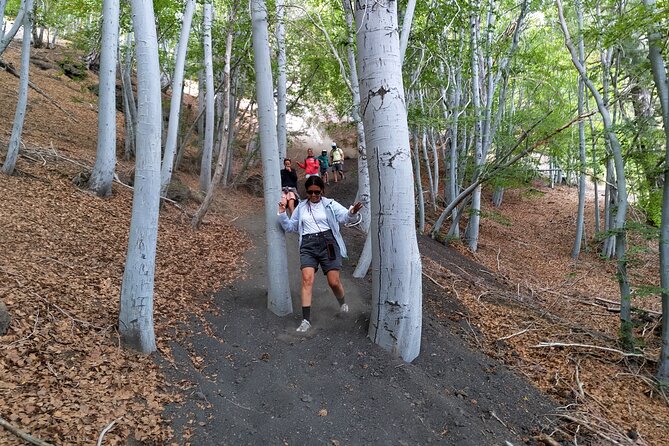
- Endemic vegetation on the walk: plants you can spot while you learn about Etna’s environment
- Historic lava flows: you’re not just looking—you’re moving through the results of eruptions
- Private group: you only share the outing with your group, which keeps the pace friendly
Trekking to Bottoniera Craters: what makes Etna feel real
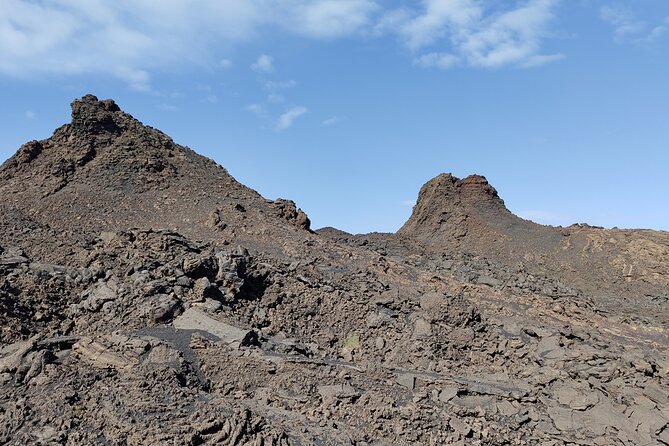
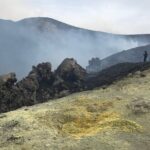
There’s a big difference between seeing Etna in photos and stepping onto the ground that made those photos possible. This trek focuses on the Bottoniera Craters, tied to the 2002 eruption area, and it’s the kind of place where the scale of volcanic change hits you immediately. Up close, you notice textures—rock color, broken edges, and the way lava seems to freeze mid-action.
The smartest part is the teaching. The outing is designed for real understanding, not memorizing facts. With Vincenzo Modica, you learn the geology in a way that matches the terrain you’re walking on, so the volcano’s behavior makes sense as a process. If you’re traveling with kids who ask constant questions, that approach tends to work well because you’re getting answers right where the question comes from.
And yes, you’re going to want photos. These craters and lava features give you dramatic angles without needing fancy equipment. Just expect a lot of camera stops—because once you start recognizing what you’re looking at, you’ll keep wanting proof.
You can also read our reviews of more tours and experiences in Sicily.
Meeting point and timing: starting your Etna morning on track
The experience starts at 9:30 am at Vincenzo Modica | Etna Excursions, Via Provenzana, 35, 95015 Linguaglossa CT, Italy. The big practical win here is that you’re not guessing where to go once you arrive—you’re starting in a known meeting place, and the activity ends back there.
Because it’s a 3-hour trek, timing matters. If you’re coming from another town on your own, I’d plan to arrive early enough to park, walk to the meeting spot, and get settled before the start time. Etna mornings can feel busy in the surrounding area, and you’ll feel better if you’re not rushing.
Also check that you’re set for mobile tickets. The experience uses a mobile ticket, so make sure your phone battery is healthy and you can access confirmation details without hunting for Wi‑Fi.
The trek itself: walking across crater ground with real context
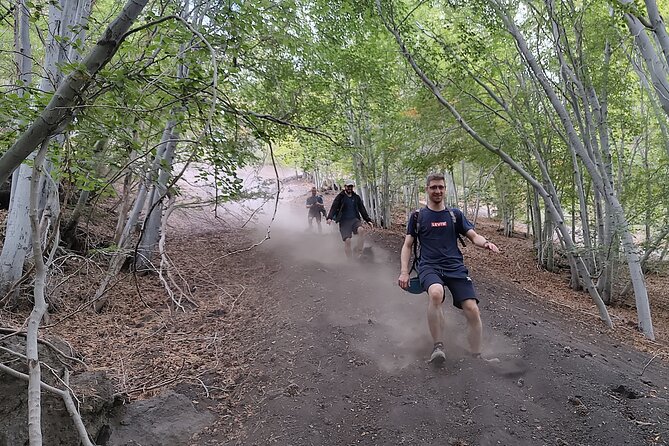
This isn’t a long hike designed to test your endurance. It’s paced like an education-focused trek, with enough time to look closely and ask questions. The requirement is moderate physical fitness, which usually translates to being comfortable walking on uneven volcanic ground for a sustained stretch. If you’re the type who gets grumpy about slippery footing, bring grippy shoes and keep your steps calm and deliberate.
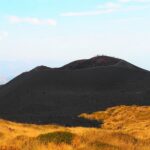
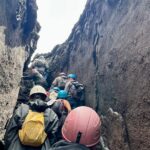
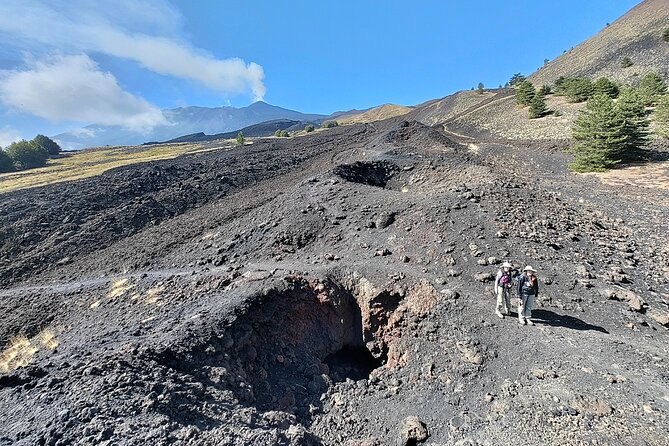
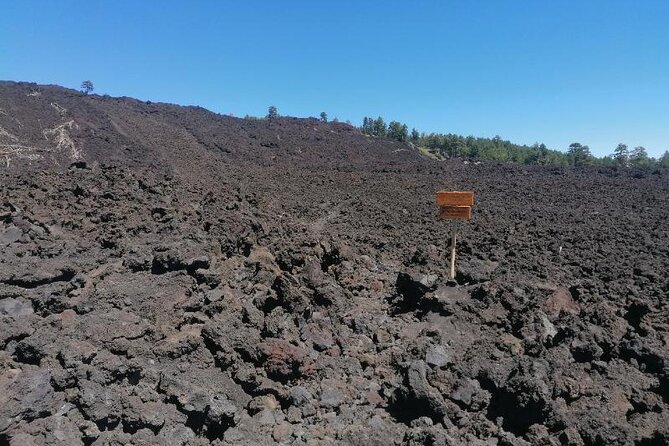
What you’re walking through is the reason this experience is so memorable. You’ll move among ancient craters and historic lava flows, and that matters because it’s the closest thing to reading a timeline in physical form. Lava flows show you shape and direction; crater areas show you where energy vented and how the terrain changed.
Vincenzo Modica’s guiding approach is the difference between passively seeing and actively understanding. In the most positive moments from this style of guiding, you’re not just hearing geology definitions—you’re connecting them to why the local areas look the way they do. One common theme from clients is that he explains how Etna influences the towns, the people, and the route itself, so the volcano feels linked to everyday life, not sealed off like a distant science project.
Bottoniera Craters: what you’ll learn while you’re standing in it
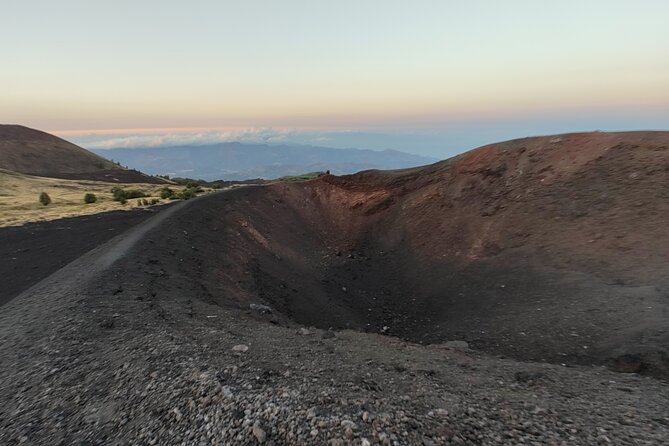
The highlight is the visit to Bottoniera Craters from the 2002 eruption. That specificity is valuable. When a guide ties a crater area to a known eruption event, you get clearer context: this feature didn’t just happen sometime in the past—it happened at a particular moment in Etna’s recent history.
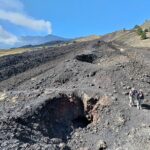
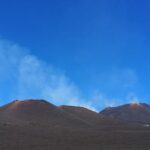
On the ground, you’ll likely notice a mix of features: crater edges, volcanic rock surfaces, and areas where lava has hardened into distinct forms. Even without technical gear, careful observation helps you understand the basics—things like how eruptions build and reshape terrain, and how different volcanic materials behave once cooled. The tour is described as simple yet informative, which is exactly what you want on a hike. You don’t want to stop every five minutes because the explanation is too complicated.
There’s also an environmental side to this, not just rocks. You’ll spot endemic vegetation, which adds texture and color to what can otherwise feel like a monochrome geology lesson. Plants living in volcanic zones show how nature responds after disruption, and that’s a powerful reminder that Etna isn’t just destruction—it’s also a driver of habitat and ecological adaptation.
The guide matters: why Vincenzo Modica’s style changes the whole trip
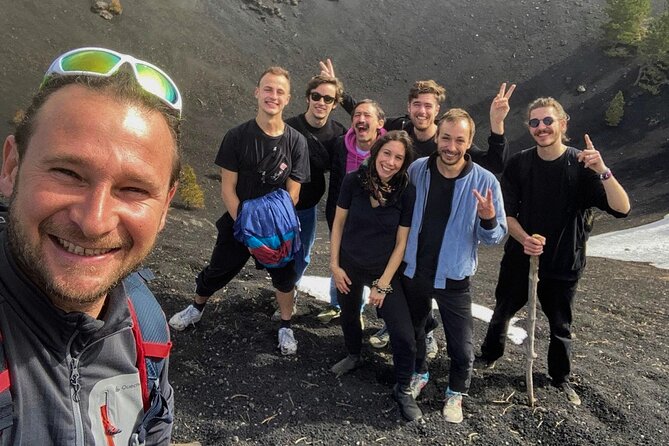
A great volcano guide is part storyteller, part translator. Vincenzo Modica is a volcanological guide of Mount Etna, and the way he’s described by visitors is consistent: he’s passionate, prepared, and tuned into what you actually want to know.
Here’s what tends to make this kind of guiding work well:
- Explanations match what you’re seeing, so you don’t drift into generic facts.
- The pace stays friendly, so you can keep up without losing the meaning.
- He’s attentive to different needs, which matters when you’re with families or mixed-experience groups.
In a few cases, guests also noted that the day started with pickup from a hotel. Even if pickup isn’t guaranteed for every group, it signals something important: the experience is run with care, and you’re more likely to feel supported than dropped into a plan and left to figure it out.
Bottom line: if you’re going to spend time on Etna, spend it with someone who can turn the ground into understanding. This tour is built around that idea.
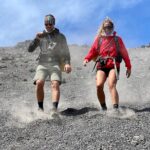
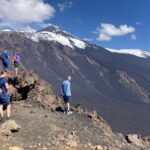
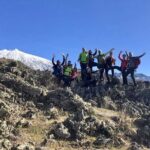
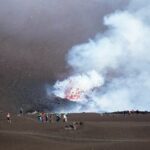
Photo moments and the little details that make them better
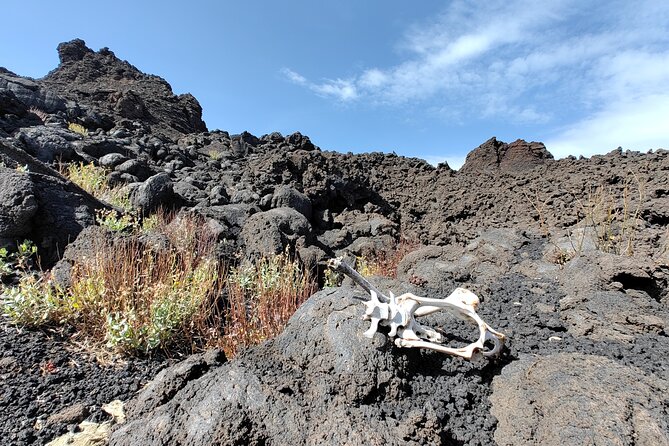
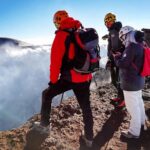
Etna craters create strong photo opportunities because the geometry is dramatic. But photos get better when you know what you’re photographing. Once you understand why a rock feature looks the way it does, you’ll frame shots differently—more purposeful, less random.
You’ll also have the photo advantage of endemic vegetation mixed into the volcanic scene. That contrast—living green against volcanic rock—makes images feel less like a space mission and more like a specific place with specific ecology.
If you want your photos to come out well:
- Wear footwear you trust, so you can stop and turn without worrying about your footing.
- Keep your layers ready. Even in good conditions, volcanic areas can feel cooler or windier than you expect.
- Be ready for guided pauses. If the guide stops to explain something, it’s usually the spot you’ll want to photograph.
Who this Etna trek is best for (and who should think twice)
This is a great fit if you:
- Want real geology without a heavy classroom vibe
- Enjoy guided walks with explanations that connect to local life
- Travel with curious children who like questions and short answers
Because it’s private (your group only), it tends to suit families and small groups that want a calmer pace than large tours. The plan is also described as educational in a simple way, so you don’t need a geology background.
Think twice if:
- You don’t feel comfortable with uneven ground. The volcanic terrain can be demanding even when the total time is only about 3 hours.
- Weather is questionable for your travel dates. The experience requires good weather, and Etna conditions can change quickly.
Value for money: is $229.28 per person worth it?
At $229.28 per person for about 3 hours, you’re paying for more than walking in crater terrain. You’re paying for an experience designed around a specialized guide—Vincenzo Modica, a volcanological guide—plus admission included for the crater area.
So what’s the value math?
- Admission is included, which reduces the add-on costs you’d otherwise face.
- You’re not just touring a spot; you’re getting guided geology explanation tied to your steps.
- Private-group format can be a real value when you’re traveling as a family or small group that wants less waiting and more interaction.
If you’re the type who enjoys guided learning with strong scenery, the price starts to make sense quickly. If you’re traveling purely for a self-paced view and you don’t care about the explanation, you might find cheaper options elsewhere—but you’d lose the main advantage of this outing: understanding Etna while standing on it.
Weather and conditions: the one thing you can’t ignore on Etna
This excursion requires good weather. That’s not small print—it affects safety and visibility, and it also affects how enjoyable the walk feels. If conditions are poor, the tour can be canceled and you’ll be offered a different date or a full refund.
My practical advice: treat your Etna morning as plan-A, but build your schedule so you can handle a reschedule if needed. If you’re trying to cram other tight commitments right after the trek, keep some breathing room.
Should you book this Bottoniera Craters trek?
Book it if you want Etna to feel understandable, not just impressive. This is the kind of outing that turns the volcano into a story you can actually follow—thanks to Vincenzo Modica’s clear, enthusiastic volcanology explanations and the focus on Bottoniera Craters from the 2002 eruption.
Skip it (or at least rethink your fit) if uneven ground and changing weather are big worries for you. Also, if you hate guided stops and prefer to move only on your own schedule, the structure may feel like more “guided time” than you want.
If you’re aiming for the most memorable, meaningful Etna experience in a few hours, this one has a strong case.
FAQ
What is the duration of the Bottoniera Craters trek?
The trek lasts about 3 hours.
How much does it cost per person?
It costs $229.28 per person.
Where does the tour start?
The meeting point is Vincenzo Modica | Etna Excursions, Via Provenzana, 35, 95015 Linguaglossa CT, Italy.
What time does the experience start?
The start time is 9:30 am.
Is it a private tour?
Yes. It’s private, and only your group participates.
What fitness level is needed?
You should have a moderate physical fitness level.
Is admission included?
Yes. Admission ticket is included.
FAQ
Is a mobile ticket used?
Yes, the experience uses a mobile ticket.
When will I get confirmation?
Confirmation is received at the time of booking.
What happens if the weather is poor?
The experience requires good weather. If it’s canceled due to poor weather, you’ll be offered a different date or a full refund.
How many stops are there during the trek?
There is one main stop listed: Mount Etna, including the visit to the Bottoniera Craters from the 2002 eruption.