REVIEW · SICILY
Etna – Trekking to the summit craters (only guide service) experienced hikers
Book on Viator →Operated by Guide Vulcanologiche Etna Nord · Bookable on Viator
Etna’s summit feels close, but it’s real. This north-side crater trek takes you above 3,000 m with a licensed volcanologist guide, plus a 4×4 panorama ride that gets you deep into Etna’s active zone before you even start walking. I love the small-group pace and the fact that the guides choose the safest, most active crater edges for that day. I also love the included kit: poles, helmet, warm jacket, and shoes help you focus on the climb instead of gear hassles.
The one drawback to plan around is effort. The ascent is only part of it; the return is a long, steep descent over loose scoria, and your knees will notice.
In This Review
- Key Things You’ll Notice on This Etna Summit Crater Trek
- Why Etna’s North Summit Craters Feel Different
- Starting at Piano Provenzana: The Quiet Base in the 2002 Lava Zone
- The 4×4 Panoramic Ride on Etna’s Wild North Tracks
- The Summit Hike: North-East, Voragine, Bocca Nuova, South-East
- What the hike feels like underfoot
- The Descent Down from Around 3,300 m Can Be the Hard Part
- Packing choices that make a difference
- What’s Included, and Where the Extra Costs Really Hide
- Weather, Volcanic Activity, and How Flexible You Need to Be
- Who Should Book This Etna Summit Crater Trek
- Should You Book It? My Practical Take
- FAQ
- What time does the Etna summit crater trek start?
- How long does the experience take?
- Is the tour in English?
- What gear is included, and what should I bring?
- How high do you hike, and which crater areas do you visit?
- Is the route guaranteed to reach the highest point every day?
- What if weather or volcanic conditions cancel the tour?
Key Things You’ll Notice on This Etna Summit Crater Trek
- Licensed volcanologist guides who explain what you’re seeing as you go, not just at the start
- Piano Provenzana as the less-crowded, more authentic north base, right inside the 2002 lava story
- A 4×4 climb on wild north tracks before you hike, so you start the summit walk higher than most tours
- Crater-edge hiking around North-East, Voragine, Bocca Nuova, and South-East areas, depending on activity
- A return route that can feel harder than the climb due to steep negative gain and sandy footing
Why Etna’s North Summit Craters Feel Different
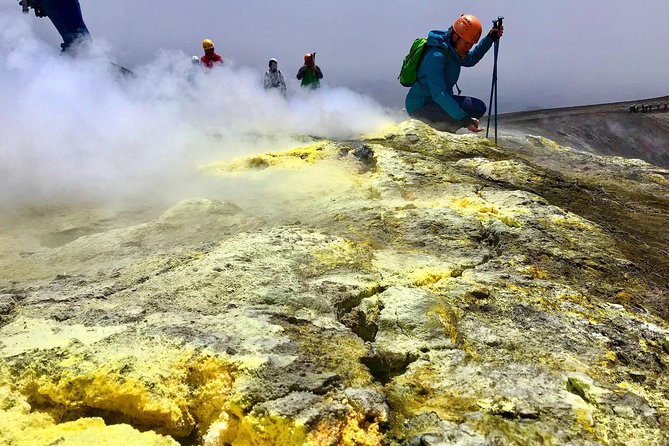
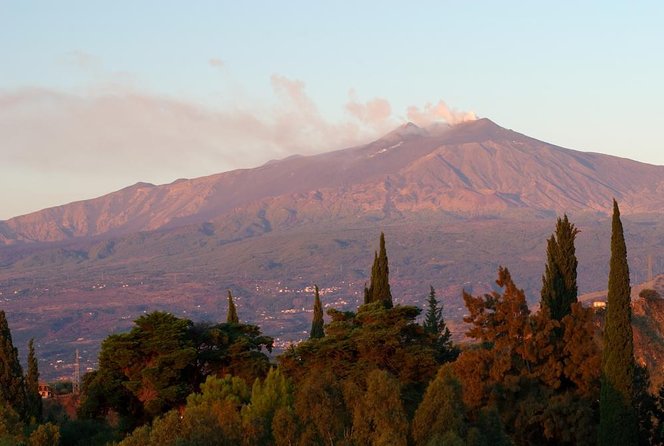
Etna is famous, yes. But the north side has a different mood: fewer crowds, more raw volcanic terrain, and a route that feels like it’s meant for hikers instead of souvenir stops. You’ll base out of Piano Provenzana, and that matters, because it puts you on the quieter end of Etna’s visitor map while still keeping the logistics workable.
What makes this experience stand out is the way the guide runs it day-to-day. Your summit crater route isn’t copied from a script. Guides adjust based on gas, heat, fractures, and the safest access to the most interesting crater edges that are active but still secure.
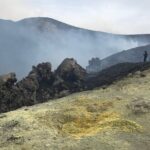
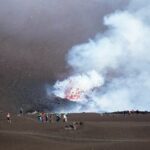
And you’ll feel that “active volcano” aspect immediately. The hike isn’t only about views. It’s about standing close to real volcanic features—fractures, crater rims, and fresh-looking rock—while a guide puts it into plain language.
You can also read our reviews of more tours and experiences in Sicily.
Starting at Piano Provenzana: The Quiet Base in the 2002 Lava Zone
You meet at CHIOSCO BAR MARENEVE DI FERRARO Etna Nord – Piano Provenzana, with a 7:45 a.m. start. From there, the plan is simple: you do a quick pre-hike moment—restrooms, coffee or tea, and breakfast at the cafés—and then you meet the guides for a briefing and kit check.
Piano Provenzana is easy to reach by car on paved roads. The bonus here is flexibility: if you’re driving yourself, you’re not stuck waiting on complicated transfers. The area also has that “you’re in the story” feeling, since the tourist facilities were destroyed by the October 27, 2002 eruption. Even if you’ve never read about it, you can sense that the terrain has been reset.
You also learn something practical before you climb: in winter, you may need snow chains or winter tires to reach the start area. That’s the kind of detail that keeps a tour from turning into a stressful drive day.
The 4×4 Panoramic Ride on Etna’s Wild North Tracks
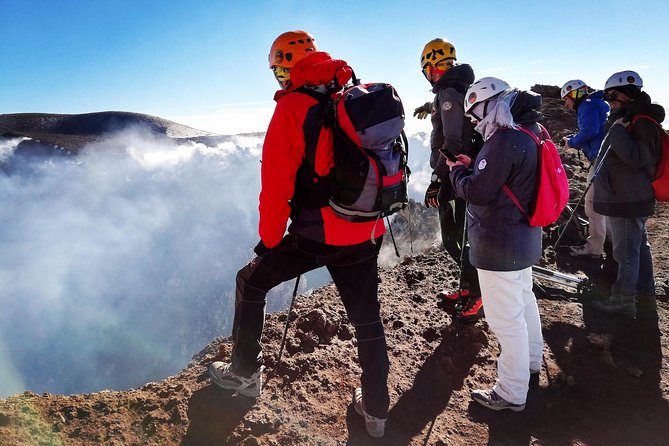
Before the hike, you ride up in authorized 4×4 vehicles with your guides. This isn’t a sightseeing loop; it’s the engine of the whole day. The ride helps you reach around 2,960 m, so the crater-edge trek starts at true altitude, not tourist-zone height.
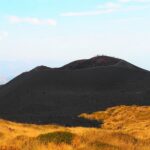
On the north route, you’re traveling along a 9.5 km panoramic track and climbing from about 1,800 m to 2,960 m. The road is unpaved in places, and the route crosses forests, recent lava flows, a lava-flow channel, eruptive fractures, and lateral craters that can drop over 40 m. You get the science plus the sensory part—wind, rock textures, and the sense of scale when you see the volcanic layers up close.
One of the smartest choices here is group size. The trek is capped at 12 travelers, and the north itinerary is described as having smaller group settings. That usually means fewer waiting games, more time at viewpoints, and a pace where the guides can actually keep an eye on everyone.
Timing also matters. The morning start generally leaves between 8:00 and 8:15 a.m. On select dates (May to October), there’s also an afternoon start around 1:00 p.m., so you can plan around your hotel schedule.
The Summit Hike: North-East, Voragine, Bocca Nuova, South-East
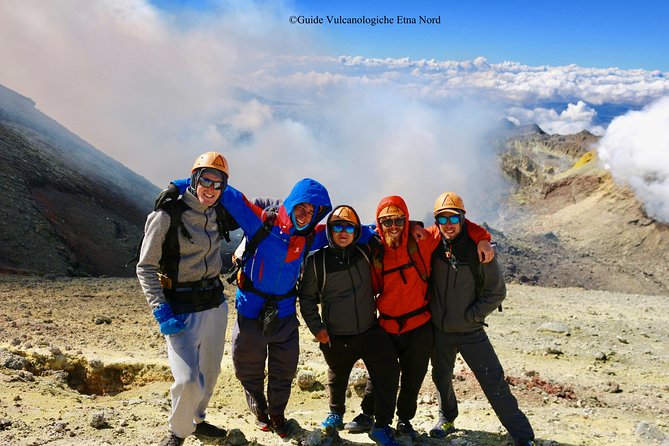
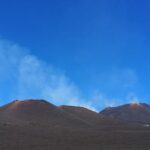
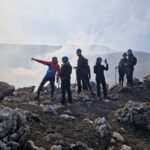
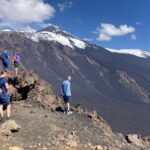
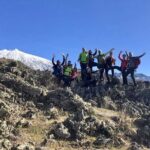
Once you reach roughly 2,960 m, the guided summit hike begins. The climb is about 5 km with around 550 m of ascent to the summit-area crater edges, where you may experience views into several crater zones. The four main crater areas named for the route are North-East, Voragine, Bocca Nuova, and South-East.
The key idea is that the volcano’s behavior sets the route. Activity varies daily, so guides pick the safest direction toward the most active yet secure crater edge. That adjustment is part of what you’re paying for: safety judgment and real-world decisions by people who do this professionally.
Altitude is real here. You’re in the 2,960–3,323 m range. You don’t need a medical degree to know what that means—you should expect mild altitude effects if you’re sensitive, and you should move steadily rather than push hard. A good guide keeps the pace human, and the terrain helps teach you why. Scoria and sandy sections don’t reward rushing.
Because the path follows crater edges, dizziness can happen for some people. If you’re prone to it, this is worth thinking about ahead of time.
What the hike feels like underfoot
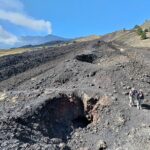
The route is described as following soft scoria and sandy gullies through recent lava, including an area called Piano delle Concalze. Later, you cross about 2.5 km of ski slopes, where the ground is rougher and stonier.
So the hike isn’t one long treadmill-style grind. It’s a variety mix: loose footing uphill, then a more technical-feeling travel across volcanic surfaces.
The Descent Down from Around 3,300 m Can Be the Hard Part
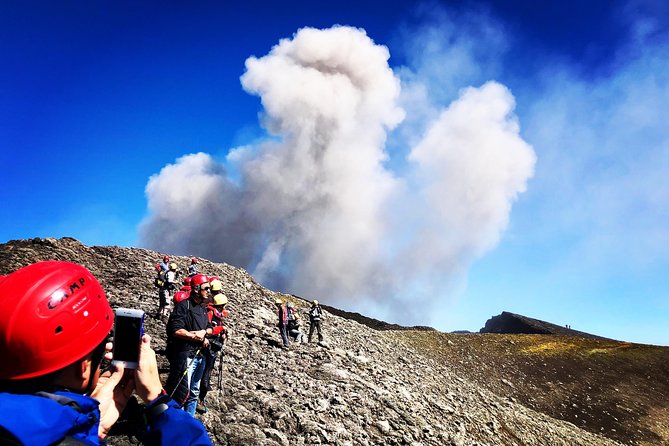
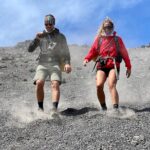
Here’s the part I’d plan for, even if you’re strong. After reaching the summit area near 3,300 m, the return is a long descent on foot—from about 3,300 m down to 1,800 m. That’s roughly 7 km with around 1,500 m of negative gain.
Even if the climb feels manageable, the descent can be tougher than you expect. Knees, ankles, and quads take the hit. Guides usually help by choosing where to place your feet, but you still need solid hiking mechanics.
The route is also described as ending near the starting area around 1,800 m, before you head back to Piano Provenzana. In reviews, people often note the day runs longer than the headline estimate, especially when conditions slow the group.
Packing choices that make a difference
You’ll want footwear confidence. The tour notes say you’re not covered by insurance without adequate shoes. Even if shoes are provided, bring the kind you trust, and if you rent, make sure they fit well before you step onto loose volcanic ground.
Long pants and long socks can save you from annoyance. Small lava stones and sand can work their way into shoes on the way down, and that can ruin your comfort fast.
Wind is also common at altitude. One of the repeated practical tips from experiences is dressing warm and ready for strong gusts. The included warm jacket helps, but it won’t replace good layering.
What’s Included, and Where the Extra Costs Really Hide
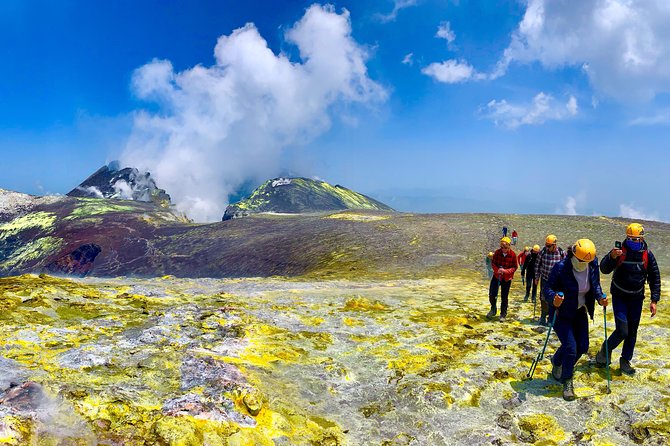
This tour at $139.13 per person can be good value if you look at what’s bundled. Included are a licensed volcano guide, trekking poles, trekking shoes, helmets, a warm jacket, extra socks, an extra backpack, and insurance for accidents. Entry to Mount Etna is also included.
That’s the smart part: you’re paying for qualified leadership and safety in an active volcanic area. You’re not just paying for walking with a stopwatch.
That said, a few costs can show up on the ground:
- Parking: you might pay a parking ticket on-site (not listed as included). It’s listed at €5 weekdays and €8 Sundays and public holidays.
- Off-road vehicle option: there’s an additional one-way off-road vehicle ride from 1,800 m up to 2,825 m listed at €50 per person to pay on the spot. (If you choose to use that option, budget it.)
- Public transport alternative: a bus option is listed for a fee, where you may need to pay €70 instead of €50 for the return by bus from 2,850 m to 1,800 m.
So when you price it, think in layers: the tour fee covers the guide and the main climb experience; the small add-ons cover how you get around within the Etna area and how you move between altitude zones.
Weather, Volcanic Activity, and How Flexible You Need to Be
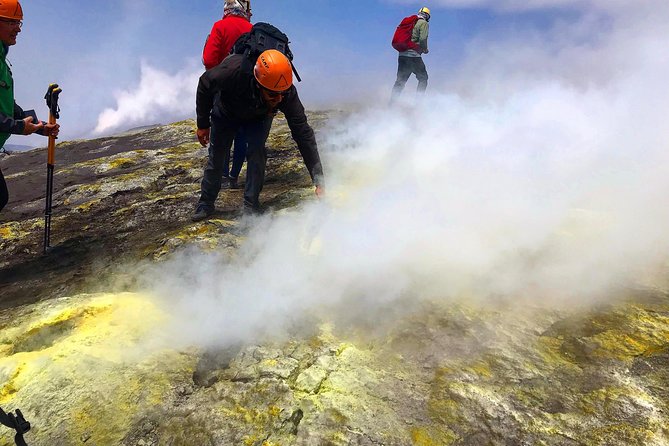
Etna is active. Your route can change. The tour specifically says guides may vary the excursion or interrupt it due to environmental, climatic, or volcanic conditions to keep the whole group safe.
That means your best expectation is not a guaranteed exact crater rim at the maximum altitude every single day. Your best expectation is a safe route that aims for the most active crater edges possible that day. When conditions are good, you’ll likely get closer to the summit edges. When conditions are rough, you should expect adjustments.
Also, this isn’t a day for contact-lens comfort. The info notes recommend not using contact lenses due to volcanic gases and ash, which can cause problems.
If the excursion is canceled due to poor weather, you’re offered a different date or a full refund. That’s a reasonable safety net for a hike like this, where visibility and conditions matter.
Who Should Book This Etna Summit Crater Trek
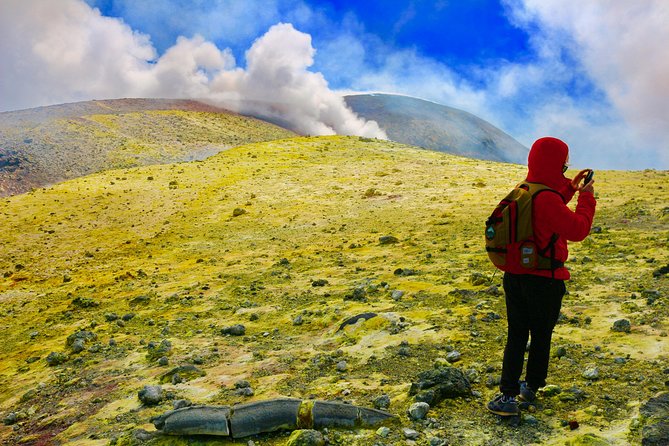
This is not for casual walkers. The tour is aimed at people with strong physical fitness, and it’s described as suited to good health without breathing issues or hypertension. It also notes that the crater-edge walking may cause dizziness for susceptible people.
It’s also not for everyone physically or on timing:
- Pregnant women after the third month aren’t allowed.
- Children under 12 aren’t suitable.
- You should have a strong, stable hiking base—especially for the steep descent.
If you’re an experienced hiker who can handle loose volcanic terrain and steep downhills, you’ll enjoy how direct this feels: you’re on the volcano, not just looking at it. And if you like geology and want the “why” behind what you see, guides often bring the crater stories to life. People specifically mention guides like Paolo, Nikos, Raphael, Poldo, Daniele, and Vincenzo as supportive and fun while still serious about safety and explanations.
Should You Book It? My Practical Take
Book it if you want the crater-edge version of Etna, not a drive-and-look day. The combination of a licensed volcanologist guide, included gear, capped group size, and the north-side route makes this one of the more “real hike” ways to experience Etna.
Don’t book it if your knees aren’t happy with steep downhills, if you get wind-dizzy, or if you’re dealing with breathing limitations or similar health concerns. And keep your budget honest by planning for possible extras like parking and the optional off-road transport choice.
If you show up prepared—sturdy shoes, warm layers, and a calm attitude about route changes—you’ll leave with a memory that doesn’t feel like a checklist photo. It feels like you were really there.
FAQ
What time does the Etna summit crater trek start?
You meet at 7:45 a.m. at the CHIOSCO BAR MARENEVE DI FERRARO Etna Nord – Piano Provenzana meeting point, and departure is typically between 8:00 and 8:15 a.m. There can also be an afternoon start at 1:00 p.m. from May to October.
How long does the experience take?
It’s listed at about 5 hours 30 minutes (approx.), with the overall day including the drive and hike.
Is the tour in English?
Yes. The excursion is offered in English.
What gear is included, and what should I bring?
Included are trekking poles, trekking shoes, helmets, a warm jacket, extra socks, and an extra backpack. Hat and gloves are not included, and the tour recommends being ready for cold and wind at altitude.
How high do you hike, and which crater areas do you visit?
The hike runs from about 2,960 m up to around 3,323 m. The summit area includes routes around the North-East, Voragine, Bocca Nuova, and South-East crater zones, with the exact crater edge chosen based on daily conditions.
Is the route guaranteed to reach the highest point every day?
No. Guides adjust the safest route depending on gas, heat, fractures, and overall volcanic conditions, and the excursion may be varied or interrupted for safety.
What if weather or volcanic conditions cancel the tour?
If the experience is canceled due to poor weather, you’ll be offered a different date or a full refund. Volcanic conditions can also lead to route changes or interruption for safety.