REVIEW · SICILY
Etna Summit Craters in 4×4 and Trekking
Book on Viator →Operated by EtnaExcursion.it · Bookable on Viator
Etna works fast. One hour you’re on the slopes, and the next you’re staring into the world of Bocca Nuova from the crater edge. I love how the tour mixes 4×4 lift-up with a real trek, so you spend your time where it matters: at the summit viewpoint, high above the Ionian Sea. I also like the small group setup and the guide-led focus, with guides like Ciccio and Fabrizio sharing clear, step-by-step explanations as you go.
The main consideration is that this experience depends on conditions. If weather or volcano logistics make it unsafe, you may be offered a different date or a full refund, and you won’t get the swap-you-might-like alternative on the spot.
In This Review
- Key Highlights You’ll Care About
- Mount Etna Summit Craters: Why This 4×4 + Trek Works
- Meeting at Piano Provenzana: The Start That Sets the Pace
- The 4×4 Rise to 2900m: Less Waiting, More Summit Time
- The Summit Trek to 3260m: Bocca Nuova Up Close
- What to watch for at the rim
- The Descent on Volcanic Sand Gullies: Where Footing Matters
- MontataGrande Stop: Tasting Etna Without a Formal Meal
- Price and Value: What $90.70 Really Buys
- Weather Rules and How That Affects Your Day
- Who Should Book This (and Who Might Rethink It)
- Should You Book Etna Summit Craters in 4×4 and Trekking?
- FAQ
- How long is the Etna Summit Craters tour?
- Where does the tour start?
- Is the tour offered in English?
- What’s included in the price?
- What extra costs should I expect?
- Is the experience dependent on weather?
Key Highlights You’ll Care About

- 4×4 transfer to 2900m first, then a guided walk to the crater edge at 3260m
- UNESCO Etna area on the northern side, with views toward Taormina and beyond
- Bocca Nuova at the summit with fumaroles and sulfur-colored mineral formations (and sometimes signs of eruptive activity)
- Top-down guidance from an authorized volcanological guide, capped at 10 people per guide
- Included gear like a mountaineering helmet plus a custom Etna neck warmer
- MontataGrande tasting stop with typical products and a glass of Etna wine
Mount Etna Summit Craters: Why This 4×4 + Trek Works
This isn’t a long, slow climb where you’re mostly battling altitude. The smart move here is the two-stage plan: you get a 4×4 rise to the high starting zone, then you walk the final section to the crater rim. It’s a practical way to experience Etna’s summit without spending the whole day in transit.
I also like how the tour frames what you’re seeing. You’re not just looking at a volcano; your guide points out features around Bocca Nuova, including sulfur-rich colors from mineral deposits and fumaroles. That kind of direction turns the crater edge from a photo moment into a real understanding moment.
You can also read our reviews of more tours and experiences in Sicily.
Meeting at Piano Provenzana: The Start That Sets the Pace

You meet at Piano Provenzana – Etna nord (via Provenzana, near Linguaglossa). The plan starts with a guide briefing after you meet at 1800 meters, which matters because Etna conditions can change fast at altitude.
This is also where you’ll set your expectations for pace. You’re aiming for a high rim at 3260 meters, with a trek portion lasting about 1.30 to 2 hours on the way up. Your fitness level doesn’t need to be athlete-level, but you should be ready for sustained walking and uneven volcanic ground.
The group size cap of 10 travelers per guide is more than a nice number. It means you can ask questions, and the guide can keep an eye on timing and footing without the whole group turning into a slow-moving line.
The 4×4 Rise to 2900m: Less Waiting, More Summit Time
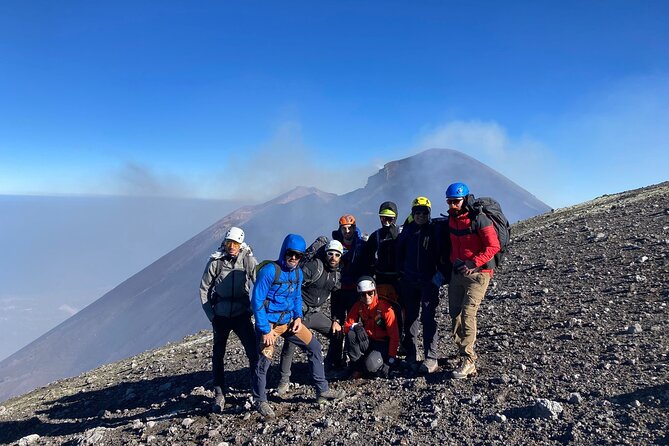
After the briefing, the tour uses special 4×4 vehicles to reach 2900 meters. This part helps you “buy back” energy for the trek segment where you’ll get the best payoff: the crater edge views and the walking-on-volcanic-sand descent.
One important detail: the ticket for the 4×4 bus transport (€60) is not included and is paid on site. So even though the experience is built around 4×4 access, you should budget for that added charge.
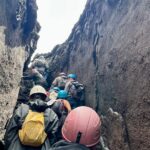
This is also where the included gear starts helping immediately. You get a mountaineering helmet, which tells you this isn’t casual sightseeing. You’re heading into a real environment with real rock and volcanic terrain.
The Summit Trek to 3260m: Bocca Nuova Up Close

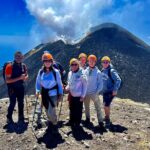
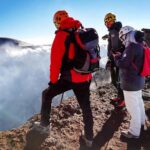
The trek from the 2900m zone takes about 1.30 to 2 hours to reach the crater edge at 3260 meters. Once you’re there, the panorama is the headline, but it’s the crater details that make it stick in your memory.
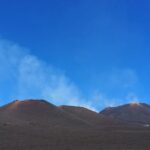
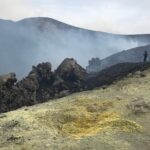
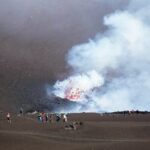
At the edge of Bocca Nuova, you’re looking into a setting shaped by volcanic gases and deposits. The tour highlights fumaroles and the colored sulfur concretions and other minerals that build up around the crater rim. You might also see signs of eruptive activity if conditions allow, which is exactly the kind of “only on Etna” realism you want.
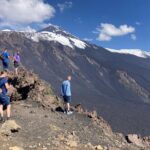
Your view range is also part of the reward. From that high point, you can see across a big portion of Sicily, including the Ionian Sea and Taormina, and on clear days you can look toward the Nebrodi and Madonie mountain areas. The Aeolian Islands can be in the mix too, which makes the top feel like a planet-view rather than just a local crater.
If you like learning while you look, this is where the guide shines. In past tours, guides like Ciccio and Fabrizio were praised for sharing lots of stories and details in a way that stays clear, not confusing. That means you’re more likely to understand what you’re seeing instead of only wondering.
What to watch for at the rim
- Fumarole areas and where gases seem to push up
- The color changes tied to minerals and sulfur deposits
- Any visible signs that the volcano is active that day
The Descent on Volcanic Sand Gullies: Where Footing Matters

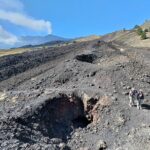
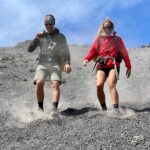
You don’t just walk up and call it done. The descent happens on foot on volcanic sand gullies. That’s why the trek is only half the story; the return can be physically tricky even when you feel good at the rim.
This is where traction and clothing matter more than you might expect. The tour does not include lunch and it does not include hiking shoes rental, so you’ll want to plan your footwear choice carefully.
If you need them, hiking shoes rental costs €7 per pair. If you tend to arrive underprepared, don’t feel shy about renting. Volcanic sand can be slippery and uneven, so it’s worth getting decent grip rather than hoping your day shoes will handle it.
You also get an Etna custom neck warmer included, which is small but practical at summit altitude. If you run cold, you should think about the optional insulation too, since insulating hiking jackets cost €5 per person.
MontataGrande Stop: Tasting Etna Without a Formal Meal

Between crater time and getting back down, the tour includes a stop at MontataGrande. This is where you get a coupon for typical products and a glass of Etna wine. It’s a nice break because you’re fueled without turning the day into a full sit-down lunch.
The tour context matters here. You’re not waiting for a restaurant schedule at the end of a hard hike. Instead, you get something you can eat and keep moving with, which helps you stay in that “I’m still on Etna” mood.
Some people also like this stop because it gives you a sense of how Etna connects to everyday life in the valleys. The products come from the areas tied to the volcano’s terrain, which makes the whole day feel less like a one-off view and more like a place with a food culture.
Just plan for actual hunger. The tour doesn’t include lunch, so if you’re the type who needs a proper sandwich, bring one.
Price and Value: What $90.70 Really Buys

The listed price is $90.70 per person for an experience lasting about 5 hours. That’s not “cheap,” but it’s also not random sightseeing pricing, because you’re paying for an authorized volcanological guide and real summit access planning.
Here’s what you get included:
- Authorized volcanological guide
- Mountaineering helmet
- Etna neck warmer (the value is listed as €15)
- Coupon for a tasting at MontataGrande plus a glass of Etna wine
You also get the benefit of a small group, with a cap of 10 travelers per guide. That’s part of the value because summit walking and crater viewpoints need guidance, not just transportation.
Now, here are the key extras you should budget for:
- €60 for the 4×4 bus transport (paid on site)
- Hiking shoes rental (€7 per pair)
- Insulating hiking jackets (€5 per person)
- Lunch is not included
So the real value question is: does the included guide-led crater time match what you want from Etna? If you want the summit edge experience with structure, this format tends to make sense. If you’re hoping for a low-cost “mostly transport” outing, this likely won’t feel like a bargain once the on-site add-ons show up.
Weather Rules and How That Affects Your Day

This tour requires good weather. That can sound vague until you’ve been around volcano areas long enough to realize how quickly conditions change.
If the experience is canceled due to poor weather, you’ll be offered another date or a full refund. That policy is important because summit craters aren’t a place where “it’s mostly fine” is good enough. You want the kind of visibility that lets you actually see the crater features your guide is talking about.
My practical advice: check forecasts on the days leading up to your tour. Don’t assume Etna will behave the way your sea-level weather app expects.
Who Should Book This (and Who Might Rethink It)
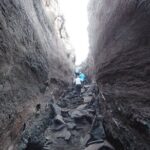
This works best if you have moderate physical fitness and you’re comfortable walking on uneven, volcanic terrain. The trek portion can take around 1.30 to 2 hours, and then you still have the downhill segment on volcanic sand gullies.
I also think it’s a good fit for families who want the summit experience without a full-on strenuous climb. One of the positives mentioned was that the 4×4 is helpful, including for people traveling with small children. The 4×4 transfer keeps the most demanding walking portion focused on the final crater approach.
If you hate any uncertainty about weather, you might want to think twice. This one will depend on conditions, so build flexibility into your Etna day planning.
Should You Book Etna Summit Craters in 4×4 and Trekking?
I’d book it if you want the crater edge experience with real guidance, not just a scenic drive. The mix of 4×4 to 2900m, a guided trek to 3260m, and crater rim time at Bocca Nuova is a strong setup for value.
Do book with eyes open about the extras. Plan for €60 for the 4×4 bus transport, and decide ahead of time whether you need rented shoes or an insulating jacket. Also, bring your own lunch if you know you’ll get hungry during a 5-hour day.
If you’re flexible and you want an Etna day that feels guided, specific, and genuinely close to the volcanic features, this is a smart choice.
FAQ
How long is the Etna Summit Craters tour?
It runs for about 5 hours (approx.).
Where does the tour start?
The start is at Piano Provenzana – Etna nord (via Provenzana, 95015 Linguaglossa CT, Italy).
Is the tour offered in English?
Yes, it’s offered in English.
What’s included in the price?
The tour includes an authorized volcanological guide, a mountaineering helmet, an Etna custom neck warmer, and a coupon for a tasting at MontataGrande plus a glass of Etna wine.
What extra costs should I expect?
Not included costs can include €60 for 4×4 bus transport paid on site, €7 for hiking shoes rental per pair, and €5 for an insulating hiking jacket per person. Lunch is not included.
Is the experience dependent on weather?
Yes. It requires good weather, and if it’s canceled due to poor weather, you’ll be offered a different date or a full refund.