REVIEW · KATHMANDU
Everest Panorama Trek
Book on Viator →Operated by Epic Adventures Pvt. Ltd. · Bookable on Viator
Everest views, minus the brutal grind. This 8-day Everest Panorama Trek keeps you in the Khumbu region without committing to the hardest Base Camp climb, so you can enjoy panoramic Everest moments while sleeping in village lodges like Namche Bazaar and Tengboche. I really like the way the trek mixes steady walking with viewpoints that actually pay off, and the fact that meals and overnights are included so you spend less time worrying and more time watching peaks. One consideration: you still start from Lukla at about 2,800 m and hike for several 3–6 hour days, so moderate fitness and a slow, sensible pace matter.
You’ll also feel the logistics are handled. The group stays small (max 15 travelers), and Kathmandu arrival and hotel transfer are included, which makes the first hours much less chaotic. There’s a clear early rhythm with a 5:00 am start on the first day’s timing, and the whole trip hinges on flights and weather—efficient, but expect it to be schedule-driven.
In This Review
- The Best Parts at a Glance
- Panoramas Over Base Camp: What Makes This Trek Different
- Kathmandu to Lukla: Transfers, Early Starts, and Getting Your Bearings
- Lukla to Phakding to Namche: Pine Forests and the Dudh Koshi
- Namche Bazaar to Tengboche: Sherpa Town Energy and Everest’s Viewpoint Payoff
- Tengboche to Monjo: Bridges, Wildlife Spotting, and A Quieter Trail
- Monjo Back to Lukla: One Last Low-Altitude Walk and Crew Time
- Price and Value at $1,225: What You’re Really Paying For
- Fitness, Altitude, and Gear: How to Stay Comfortable on a Moderate Trek
- Guides, Culture, and Small-Group Dynamics: The Human Side of the Mountains
- Weather and the Flight Day Back to Kathmandu
- Who Should Book This Everest Panorama Trek
- Should You Book This Everest Panorama Trek?
- FAQ
- Where does the Everest Panorama Trek start?
- How long is the trek?
- What time does the experience start?
- How many people are in the group?
- Are meals and overnight stays included?
- Does the trip include pickup in Kathmandu?
- What happens if weather is poor?
The Best Parts at a Glance
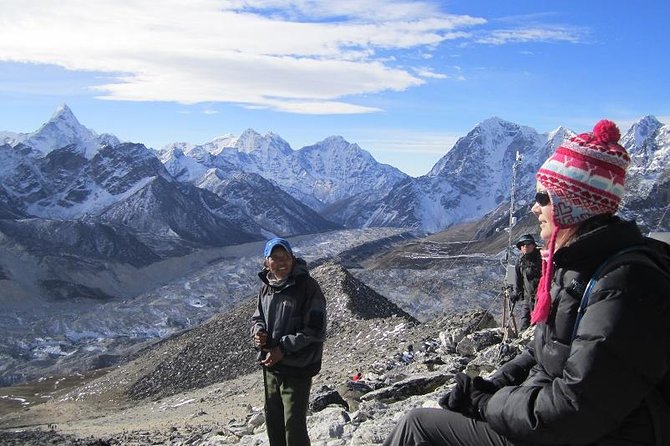
- Everest views with an easier workload: still breathtaking, less punishing than a true Base Camp push
- Hillary Suspension Bridge in real hiking context: cross the Dudh Koshi and keep moving
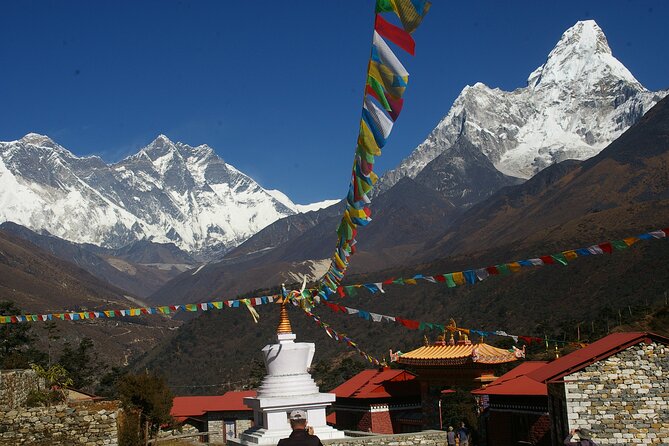
- Tengboche monastery area payoff: classic Everest angles with Mt. Nuptse and Ama Dablam in the mix
- Sherpa village culture, not just scenery: Namche Bazaar and the surrounding communities
- All meals and overnight stays included: fewer money/time decisions on trail
- Small-group pace: up to 15 people, so the day feels coordinated
Panoramas Over Base Camp: What Makes This Trek Different
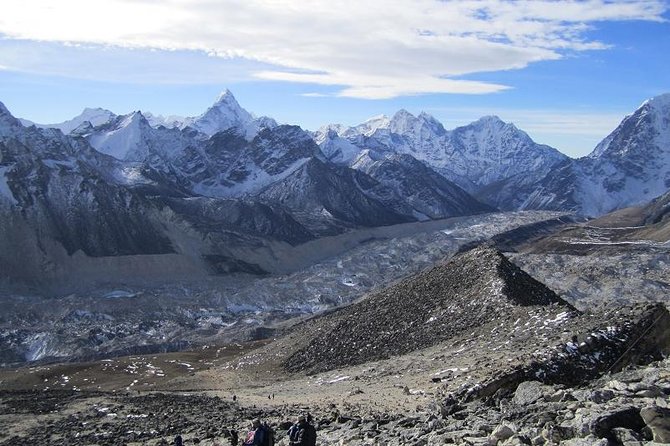
Let’s be honest: when people say Everest, they mean “Base Camp.” The Base Camp route is epic, but it’s also a full-on high-altitude slog that demands time, toughness, and patience. This trek is built for travelers who want the dramatic payoff—Sherpa villages, big Himalayan scale, and the feeling of being very close to Everest—without signing up for the deepest grind.
The “panorama” part is not a marketing trick here. Your route runs through the classic viewing belt of the Khumbu region, where Everest’s neighbors show up in layers. From the trail and from lodge areas, you get repeated chances to look up and see the mountain shapes you came for. That matters, because on mountain trips you don’t just want one great view—you want several, spaced out enough that you can actually enjoy them.
This is also why the walking profile feels realistic. The day lengths are described in hours (think roughly 3 to 6+ hours depending on the day), with a mix of river crossings, forest paths, and some climbs. It’s not a sightseeing stroll, but it’s also not framed as technical climbing. If you’ve been waiting for Everest but want something you can manage, this style fits well.
You can also read our reviews of more tours and experiences in Kathmandu.
Kathmandu to Lukla: Transfers, Early Starts, and Getting Your Bearings
Your trip starts in Kathmandu with a simple, helpful greeting. When you arrive at the airport, a representative meets you holding your name, and you’re transferred to your hotel. After that, the next big moment is the early push toward the trekking start.
The timing is straightforward but demanding: you head to the domestic terminal in the early morning for a flight to Lukla, the gateway town at about 2,800 m. This matters for your planning. You’re going from city traffic and flat streets to Himalayan altitude fast, and you’ll want a calm breakfast and an easy mind. If you’re the type who packs last-minute and rushes, try to slow down in Kathmandu so Day 2 doesn’t feel like a sprint.
Also note the trip format is group-based. You get a coordinated start time (the experience indicates a 5:00 am start), and the same structure carries through each day. That can feel reassuring if you like knowing what’s next.
Lukla to Phakding to Namche: Pine Forests and the Dudh Koshi
Day 2 is a gentle on-ramp. After breakfast, you fly to Lukla and then start walking through the prosperous village of Lukla until you reach Phakding. It’s described as a 3 to 4 hour trek, which is a sweet length for settling into trail rhythm. You’ll be higher, you’ll be breathing a bit differently, and you’ll probably feel your legs start to wake up—but it’s not a brutal first day.
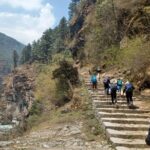
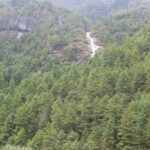
Then comes the river day. Day 3 runs about 5 to 6 hours and is one of the more cinematic parts of the route. The trail moves through pine forest, then follows the Dudh Koshi River, with many suspension bridges. One of them is the famous Hillary Suspension Bridge, and crossing it while you’re actively trekking (not just posing for photos) gives it a sense of movement and reality. You’re not hanging around; you’re using the crossing as part of the day.
As you walk, you also get early “mountain awareness” even before the bigger viewpoints. You’ll catch a glistening view of Mt. Thamserku (6,618 m). That’s a useful psychological boost: it tells you the mountains are already in the frame, and Everest will keep getting larger as the days progress.
You’ll end Day 3 in Namche Bazaar. Even if you’ve seen photos of it, arriving by foot (from the river trails and bridges) makes Namche feel less like a postcard and more like a real hub where Sherpa communities live, trade, and move.
Namche Bazaar to Tengboche: Sherpa Town Energy and Everest’s Viewpoint Payoff
Namche Bazaar is where many Everest-bound dreams start to feel real. The route keeps you moving, but it also builds in the chance to “look up” as a daily habit.
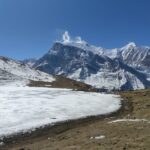
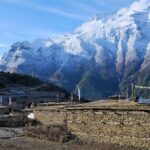
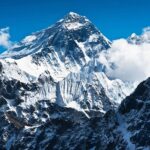
Day 4 is described as about 5 to 6 hours, and it’s a strong visual day. After breakfast, you set out toward Tengboche and enjoy superb views of Everest along with Mt. Nuptse, Mt. Lhotse, Mt. Ama Dablam, and another look at Thamserku. That’s a big deal because these aren’t random peaks. They form the layered Everest panorama that most trekkers hope to see.
You’ll also stop for lunch at Phunki Thenga, which gives your day structure beyond just walking and arriving. Then the route becomes a slightly tougher climb through pine forests before reaching Tengboche. This is where the trek earns its reputation for being “gentle” compared to harsher routes: you still work, but you’re not dealing with scrambling or technical sections.
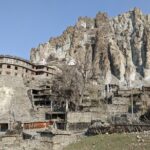
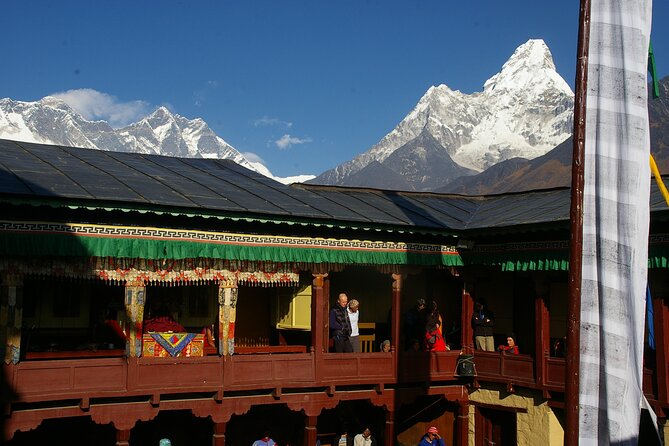
Tengboche is also tied to monastery culture in this part of the Khumbu region, which is one of the reasons this trek is more than just mountain sightseeing. The clifftop monastery setting gives you a calm contrast to the physical effort. Even if clouds roll in, the monastery area tends to make the day feel grounded and human.
If you’re traveling with someone who wants meaning and not just altitude, this is a good day to look forward to.
Tengboche to Monjo: Bridges, Wildlife Spotting, and A Quieter Trail
Day 5 brings a shift in mood. The trek is about 5 to 6 hours and includes a trail that clings to a steep wooded slope beyond Kyangjuma, winding through bends. This kind of trail can feel like it takes longer than the map says, but it also breaks up the fatigue.
You may spot wildlife described along the forest route, including mountain goats, snow leopards, and colorful pheasants. A quick note: wildlife spotting is never guaranteed, and snow leopards are famously hard to see. Still, the fact that the route passes through habitat areas makes it more than scenery-only.
Then comes a steep descent from Namche Hill that leads to a suspension bridge crossing the Dudh Kosi River near where the Dudh Koshi and Bhote Koshi Rivers meet. The confluence area is a classic geographic moment in this region, and crossing bridges here emphasizes how the trail is shaped by water and valleys.
You’ll spend the night in Monjo. This part of the route keeps the experience feeling less like a theme park and more like real trekking. Monjo often feels like a place where you’re still in the rhythm of the local communities rather than just chasing the next viewpoint.
The program also highlights that the bridge crossing and descent help keep porters’ walks less strenuous on subsequent days. That’s worth noticing. It’s a reminder that trek logistics aren’t just for you; someone is carrying your comfort while you focus on your own footing.
Monjo Back to Lukla: One Last Low-Altitude Walk and Crew Time
Day 6 is about 4 to 5 hours and is described as your last walk at lower altitude in the Everest region. The track is mostly flat, with undulating terrain and a mix of open plains, rhododendron and pine forests. You’ll also see Kwangde peak in the distance. This is a practical kind of day: less pressure on your body, more space for enjoying the scenery without feeling like you’re always paying for elevation.
It’s also the last evening where you’re with the whole crew together. Since some group members may not be returning with you to Kathmandu, the final mountain night can feel like a natural wrap-up point. If you’re the type who enjoys chatting with your guide and learning how people live near the trails, this is a good time to ask questions and slow down.
Day 7 then becomes the “homeward” day: a flight back to Kathmandu. This is where you’ll feel how remote the trekking world is. You walk all day in the hills, and then you’re suddenly back in the city air.
Price and Value at $1,225: What You’re Really Paying For
At $1,225 per person, this trek isn’t cheap, but it also isn’t just buying a walking path. You’re paying for the parts that are hard to DIY in Nepal: coordination, lodging, meals, and the chain of transportation connections that get you to and from the trekking start.
The trip includes pickup in Kathmandu, and it also includes meals and overnight stays. The listing format suggests a group discount structure and you receive a mobile ticket, which usually means fewer physical documents to handle. The experience also caps group size at 15, which can affect the quality of your day, especially around check-in pacing and how quickly you can get help if something feels off.
The included meals detail matters too. You get dinner and breakfast (6 breakfasts are listed across the days where trekking happens). On trek, food availability and timing can be a major source of stress. Having that covered lets you focus on hydration, layers, and the simple act of moving forward.
One more value angle: the itinerary is tight. You’re in the mountains for a limited stretch, then you’re back. For many people, that’s the point. You want the Everest region experience without it turning into a month-long commitment.
Fitness, Altitude, and Gear: How to Stay Comfortable on a Moderate Trek
This is described as a trekking experience for travelers with moderate physical fitness. That’s a useful phrase because this trek still includes multiple days with 3 to 6+ hours of walking.
Here’s the practical way to think about it: you should be comfortable hiking on uneven ground for several hours, handling forested paths and suspension bridges, and doing at least one day with a slightly tougher climb. Your body will feel the altitude change coming off Lukla at 2,800 m, but the pace is structured so you’re not expected to sprint.
Gear-wise, you’ll want the basics that make multi-day treks tolerable: layers for changing mountain weather, solid footwear, a rain layer, and a daypack that doesn’t feel heavy. Since the itinerary starts early and includes forest and river walking, plan for wind and moisture near the river valleys.
Also plan your expectations around energy. Trekking is repetitive work: step, breathe, adjust layers, repeat. That’s why small comforts like included breakfasts and lodge nights matter more than you might think.
Guides, Culture, and Small-Group Dynamics: The Human Side of the Mountains
Everest treks live or die on the guide. Even when the mountains are the star, you spend your days walking with a person who keeps the group safe, on schedule, and emotionally steady when the day feels long.
The company behind this trek, Epic Adventures Pvt. Ltd., has earned a strong reputation for guides who communicate well and take care of trekkers. In Everest-related trips booked through this provider, names like Ramkumar, Anil, Basu, Shree, Gyanashwor Adhikari, Omar, OM, and Nima show up for their helpful, kind, and motivating approach. Porters also get praised—Santosh is specifically mentioned in Everest contexts. That’s important because you’re not just buying views. You’re buying competent people who keep things running.
For this particular trek, the itinerary format and the small group size (max 15) suggest you’ll likely get more than a rushed assembly-line tour. You’ll have time to ask questions and learn the simple, useful stuff: what to watch for on the trail, how villages function, and how to read the mountain cues as you move day to day.
If you care about culture as much as peaks, pay attention to the village stops. Lukla, Phakding, Namche Bazaar, Tengboche, and Monjo are all communities, not just backdrops. Off-the-beaten-track bazaars and hilltop monastery atmosphere are part of the point here, even if your main goal is the view.
Weather and the Flight Day Back to Kathmandu
This trek depends on good weather. If it’s canceled due to poor weather, you’ll be offered a different date or a full refund. That’s the practical reality of the Everest region: conditions can change fast, and flight schedules can be the weak link.
Flight timing also shapes your experience. Day 7 is a fly back to Kathmandu, so you’ll want to keep your final-day energy calm. Don’t over-plan with tight city commitments right after landing. Keep your day flexible, and you’ll feel less stressed if weather causes delays.
This is also a good reason to pack smart. Keep essentials easy to access for the travel transitions so you’re not digging through your pack while you’re trying to keep a steady routine.
Who Should Book This Everest Panorama Trek
This trek is a great fit if you want:
- Big Everest-region views without the full Base Camp ordeal
- A multi-day hike with Sherpa village life and monastery atmosphere
- A structured plan with meals and overnights handled
- A small-group experience that stays organized
It might be less ideal if you’re looking for a low-altitude, easy walk with minimal effort. You’ll still be hiking for hours each day, starting from Lukla at about 2,800 m. You should also be comfortable with early starts and the idea that weather can affect flights.
Should You Book This Everest Panorama Trek?
If your dream is to see Everest up close but you’re trying to avoid the hardest path, this trek makes a lot of sense. The route focuses on panoramic payoff—Everest and its big neighbors—while keeping the workload in the “moderate but meaningful” range. Add in included meals and overnights, plus a small group limit, and you get a trip that feels practical even though the scenery is world-class.
My rule of thumb: book it if you want Everest views you can enjoy, not just survive.
FAQ
Where does the Everest Panorama Trek start?
You fly from Kathmandu to Lukla, which is the trekking gateway at about 2,800 m. The trek then moves through villages in the Everest region.
How long is the trek?
It’s listed as 8 days approximately, with trekking taking place on multiple days between Lukla and the villages along the route.
What time does the experience start?
The start time is listed as 5:00 am.
How many people are in the group?
The tour has a maximum group size of 15 travelers.
Are meals and overnight stays included?
Yes. Meals and overnight stays are included. Dinner is included, and breakfast is included for six mornings.
Does the trip include pickup in Kathmandu?
Yes. Pickup is offered, and you’re greeted at the Kathmandu airport before being transferred to your hotel.
What happens if weather is poor?
This experience requires good weather. If it’s canceled due to poor weather, you’ll be offered a different date or a full refund.