REVIEW · ISLAMABAD
K2 Base Camp Trek
Book on Viator →Operated by Trango Adventure · Bookable on Viator
K2 Base Camp is the kind of goal you remember forever. This 20-day trek puts you on the Baltoro Glacier route toward the world’s second-tallest mountain, with full service on the ground and real mountain days that build your acclimatization step by step. I like that the trip keeps things organized while still letting you live the real rhythm of Karakoram trekking.
Two standouts for me: you get hassle-free transfers and meals handled, and the schedule has a smart acclimatization rest day (Urdukas) instead of rushing. One possible drawback to plan for is cold and weather risk—especially the flight situation around Skardu, which can turn into a longer road journey.
I also like the way this trek treats the in-between days as part of the experience, not dead time. Skardu isn’t just a waypoint; you get time for views and local stops like Sadpara Lake, the bazaar, Kharpocho Fort, and Shangrila Lake before you go full glacier mode. Just keep in mind the trek days can be long (often 4–8 hours), and the company’s own guidance expects strong physical fitness.
In This Review
- Key things I’d plan around before you go
- K2 Base Camp: why this trek feels different from the start
- Price and value: what $3,200 buys (and what it doesn’t)
- Islamabad to Skardu: the pre-trek taste of Pakistan’s highlands
- From Skardu to Askole: setting foot on the Baltoro route
- Johla Camp to the Paiju Peak area
- To Khoburste Camp
- Acclimatization and glacier nights: the rhythm that keeps you moving
- Urgently useful: Urdukas rest day
- Walking on the Baltoro, then sleeping on it
- Concordia: where the peaks bunch up
- Broad Peak Base Camp and the big day: approaching K2 Base Camp
- Broad Peak Base Camp: the best K2 view setup
- The highlight day: K2 Base Camp lunch with mountaineers
- The return: descending Baltoro, back toward Islamabad, plus Deosai
- Weather and flights: why your Plan B matters as much as your boots
- Crew and guide support: what the best reviews are really saying
- Who this trek suits best (and who should rethink it)
- Practical packing and prep tips for this specific route
- Should you book this K2 Base Camp trek?
- FAQ
- What’s the duration of the K2 Base Camp trek?
- What’s included in the price?
- Are meals provided throughout the trek?
- Do I need a single room or single tent?
- Is the tour private?
- What if flights to Skardu are canceled due to weather?
- Is cancellation allowed for a refund?
Key things I’d plan around before you go
- Sleeping on the Baltoro Glacier: you’ll need real warmth, not just a light jacket, because nights can get brutally cold.
- Urdukas as an acclimatization rhythm: a rest day built into the plan to help your body handle the altitude better.
- Concordia + Broad Peak Base Camp views: you’ll be positioned for some of the best sightlines toward K2.
- K2 Base Camp lunch with world-class mountaineers: it’s not just a checkbox photo stop.
- Weather-dependent Skardu flights: if flying doesn’t work, you’ll take the Karakoram Highway by road.
- Private group feel: the trek is limited to your group, which usually means more attention and less waiting around.
K2 Base Camp: why this trek feels different from the start
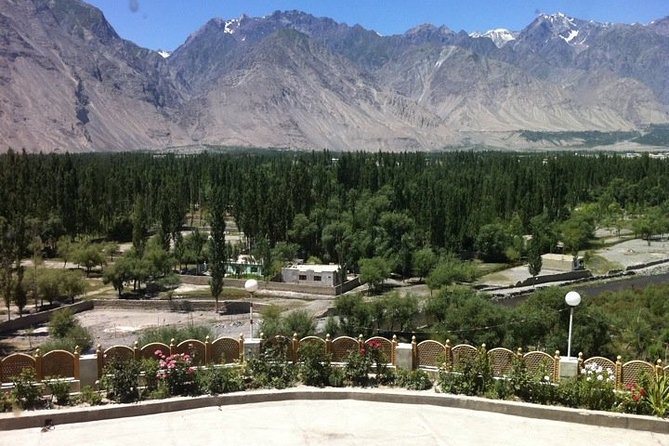
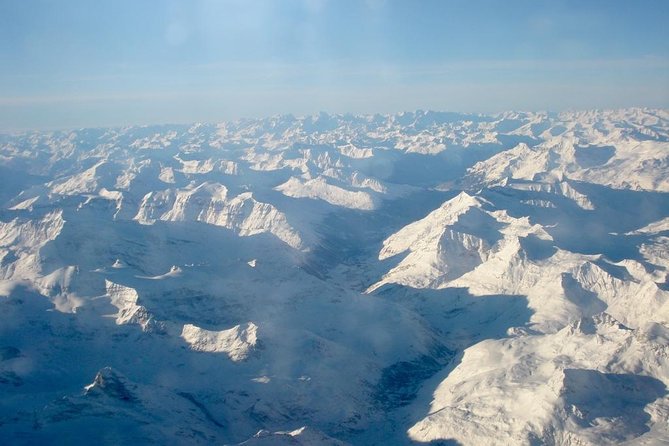
K2 sits at 28,251 feet, the second-highest mountain on Earth. On this trek, the big deal isn’t only reaching the base camp at about 16,400 feet. It’s the long walk toward it—through the Karakoram Mountains and along the Baltoro Glacier—where the mountain grows from a distant ambition into an actual, looming presence.
What makes this route special is the way it builds altitude and perspective. You don’t just rush upward. You get a sequence of glacier walking days, viewpoint days, and built-in recovery time. Even the schedule’s short days (like a 4-hour trek) feel useful because they keep your body learning how to move at higher elevations.
And yes, you’ll likely spend time in places most people never see, including Concordia, the high-altitude meeting point of several major peaks. That’s where K2 becomes more than a postcard subject. It becomes a real destination you can aim at all day.
You can also read our reviews of more tours and experiences in Islamabad.
Price and value: what $3,200 buys (and what it doesn’t)
At $3,200 per person, this is a serious adventure budget. The key question is not just whether it’s “worth it,” but what you’re paying to avoid.
Here’s what’s included that actually matters on a multi-day trek:
- Guide and professional support
- Hotel rooms and tent on a twin-sharing basis (single options cost extra)
- All meals (breakfast, lunch, dinner are covered on the trek days listed)
- Transport by private vehicle plus airport pickup and drop-off
- Mobile ticket
- Vegetarian option available if you tell them in advance
What’s not included:
- Drinks
- Souvenir photos sold on-site
So you’re paying mainly for logistics, safety support, and the day-to-day mountain infrastructure: places to sleep, food, guides, and vehicle transfers. For a trek like this, that’s where costs usually pile up if you DIY it.
One more value point: the trek is private and limited to your group. That reduces the “herding cats” feeling you sometimes get on larger tours. Reviews also highlight strong care and responsiveness from the crew, including on tough altitude adjustments—exactly the kind of thing that makes a premium price feel justified.
Islamabad to Skardu: the pre-trek taste of Pakistan’s highlands
Day 1 is straightforward: you land in Islamabad and your guide meets you for an airport transfer to a group hotel, built for rest and reset. You’re not rushing to the bus stop and hoping for the best.
Then you head toward Skardu, arriving early afternoon with time to actually look around. Skardu is where the trip starts feeling local rather than purely expedition-style. On day 2, you’ll explore town at a relaxed pace. Day 3 is your second cushion day, with optional visits including:
- Sadpara Lake
- the local bazaar
- Kharpocho Fort
- Shangrila Lake
This matters more than it sounds. Before you spend days walking on ice and hauling your body through altitude, it helps to have one or two days where your mind isn’t only focused on the next camp.
Also, there’s a practical upside: you’ll get comfortable with your crew and pace. You’ll see how they communicate, how they handle questions, and how smoothly transfers work—useful preparation before the Karakoram gets real.
From Skardu to Askole: setting foot on the Baltoro route
After Skardu, the trek’s serious mode begins. You’ll travel toward Johla and then to Askole, described as the last village in the Shigar Valley. This stretch is long—about 7–8 hours driving—and it’s part of the “K2 journey” experience. It’s not glamour, but it is the start of being truly off-grid.
From Johla/Askole, you move into the Karakoram Mountains with your first trekking days that bring big payoff quickly.
Johla Camp to the Paiju Peak area
One of the first days includes walking along the edge of a river before climbing to higher ground. The route can include streams that may require fording, depending on how the glacier melt is running.
Here’s my practical advice based on that reality: bring footwear you trust for wet conditions. The trek guidance even suggests sports sandals or old trainers for negotiating streams—so if you hate cold, muddy feet, plan for it and pack smart.
You’ll also get your first wide views:
- Baltoro Glacier in the distance
- the Trango and Cathedral groups
- and, if the weather cooperates, a glimpse that can include K2
That “if weather is clear” part is not a throwaway line here. In high mountains, clarity is a gift.
To Khoburste Camp
Then you trek onward to Khoburste. The day ends near the snout of the Baltoro Glacier. The feeling shift is real here: you go from mountain trails to a glacier world, and suddenly your sleeping arrangements and clothing choices take on a new level of importance.
Acclimatization and glacier nights: the rhythm that keeps you moving
A lot of trekking failures happen for one boring reason: people climb too fast for their body. This itinerary tries to avoid that.
Urgently useful: Urdukas rest day
Urdukas is used as a rest day for acclimatization. That’s not just tradition; it’s a strategy that helps many trekkers handle altitude better during a route that climbs steadily toward higher terrain.
You’ll also notice a pattern of shorter trekking days early on—like a 4-hour day when you rise later. That keeps you from burning out before you’re even near the highest viewpoints.
Walking on the Baltoro, then sleeping on it
As you get closer to the high points, you’ll spend time walking directly on the Baltoro Glacier, bringing you toward K2 and Concordia.
One of the most memorable lines in the plan is that you’ll sleep on the Baltoro Glacier. That means your cold-weather setup matters. Even if you’re fine walking in a warm layer, glacier nights can strip your comfort fast. Bring warm layers you can actually move in, and treat this like a “sleep system” problem, not a fashion problem.
Concordia: where the peaks bunch up
Eventually you’ll reach Concordia, described as the home to major peaks including K2, Broad Peak, and Gasherbrum I and II. Concordia is essentially the gateway view. It’s the part of the trek where you can feel like you’re in the center of a whole wall of giants.
You won’t just look once. You’ll be positioned there long enough to understand the geography—what’s connected, what’s nearby, and where the big line toward K2 actually runs.
Broad Peak Base Camp and the big day: approaching K2 Base Camp
One of the trek’s strongest “why this tour” points is the route planning for sightlines.
Broad Peak Base Camp: the best K2 view setup
Instead of stopping only where you can check a box, this trek takes you to Broad Peak base camp, described as offering the best view of K2. That’s huge because K2 visibility varies by route angle, weather, and time of day.
You’ll feel this day as a turning point. You go from “we’re near” to “we’re staring at K2’s doorstep.”
The highlight day: K2 Base Camp lunch with mountaineers
Then comes the day you walk to K2 Base Camp and have lunch with world top mountaineers who are there to climb K2. That changes the mood. Base Camp isn’t only about your effort. It’s also about standing in a place occupied by people who take the mountain seriously enough to be there while you eat.
After the visit, you walk down to Concordia for your night stay. That descent is mentally important. You get a chance to absorb what you’ve done while still being in the high-country system that your body has learned.
This is also where I’d set expectations honestly: you might be tired. You might be happy. You might also be both at once. That’s normal.
The return: descending Baltoro, back toward Islamabad, plus Deosai
After K2 Base Camp, the itinerary turns toward descent and then the long road back to normal life.
You’ll leave Concordia behind and start descending the Baltoro Glacier toward Askoli Village. Descent can feel easier than the climb, but it often beats up your knees and ankles. If your hiking skills are solid, descent is manageable. If they’re shaky, descend days become harder than they look on paper.
After that, the trek heads back in stages toward Islamabad, with a stop in Deosai National Park on day 17. Deosai is a reminder that the Karakoram isn’t only glacier and granite. It’s also broader high-altitude scenery and wildlife-country vibes—again, more variety, less monotony.
On the final days, you’ll drive down and end up in Islamabad for your last evening meal and a chance to see the city if flights allow.
Weather and flights: why your Plan B matters as much as your boots
Here’s the reality of this region: Skardu can be weather dependent. Flights are only scheduled when visibility allows the pilot to approach using line-of-sight to the runway.
If flying doesn’t work, you travel down the Karakoram Highway by road. The drive down from Skardu to Islamabad takes two days. That’s why the schedule includes contingency time.
So my advice is simple: don’t treat your arrival and departure dates like fixed appointments. Treat them like targets. If you keep that mindset, the Plan B won’t feel like a problem—it’ll feel like part of the journey.
Crew and guide support: what the best reviews are really saying
The best praise in the reviews isn’t about flashy promises. It’s about how the crew handles details, communication, and safety.
Communication before the trek comes up more than once. One reviewer described that the team was responsive and helped with the visa documentation process. If you’re planning around a Pakistan visa, that support can be a relief.
On the ground, names like Mr Hamid show up in praise, and other reviewers thank staff such as Mr Shabir and Mr Mehbob for trekking tips. Even when you’re experienced, tips at altitude can matter: pacing, what to pay attention to, how to handle cold, and how to keep moving without guessing.
One review also highlights a birthday on the trek, including a chef baked a cake. That’s not the mission of K2 itself, but it’s proof of a crew that tries to make the whole trip feel human, not like a checklist.
Across the feedback, the consistent theme is that the team is polite, protective, and attentive—exactly what you want when you’re walking on glaciers and sleeping close to the edge of comfort.
Who this trek suits best (and who should rethink it)
This is a strong-fit trek. The tour guidance explicitly says you should have a strong physical fitness level.
This trek makes the most sense if you:
- Want a major mountain goal without managing permits, logistics, and camp meals on your own
- Prefer a private group feel with a guide who handles the moving parts
- Are comfortable with multi-day trekking that often runs 4–8 hours
- Want real acclimatization pacing (Urdukas rest day) rather than constant push days
- Enjoy glacier travel and don’t mind cold nights on ice
You might think twice if you:
- Hate cold weather and aren’t ready to adjust your sleep layers
- Get anxious when flights change plans because of visibility
- Have limited hiking base and can’t realistically build endurance before the trek
Practical packing and prep tips for this specific route
I can’t guess your personal gear list, but the route itself gives hints about what you’ll actually use.
- Plan for wet stream crossings early. If the plan says you may need to ford streams, pack footwear you can trust and that will dry enough for the next day.
- Treat glacier sleep as serious. Warm layers and a proper sleep setup matter more than having the fanciest shell.
- Bring clothing you can layer quickly. High-altitude weather can shift fast, and you’ll be moving on and off glaciers.
- Train for long days even if you’re not doing technical climbs. This trek is about walking efficiency, steady pace, and recovery.
- If you eat vegetarian, tell the company in advance. The trek states vegetarian options are available when you advise them.
Should you book this K2 Base Camp trek?
If your dream is K2 Base Camp but you want someone else to handle the heavy lifting—meals, camps, transport, and guide coordination—this is a strong option. The biggest reasons to book are practical: it’s private, it includes meals and accommodations, and it uses an acclimatization rhythm instead of only chasing altitude.
I’d book especially if you like the idea of seeing K2 from a couple of strategic positions, including Broad Peak Base Camp, and if the thought of lunch with top mountaineers sounds meaningful to you.
I’d pause before booking if you know you’ll struggle with cold glacier nights or if you don’t handle schedule changes well. Weather can affect flights, and the plan includes a road contingency for a reason.
If you’re fit, flexible, and ready for real high-mountain days, this trek has the ingredients for a life-changing story: glacier travel, K2 proximity, and a crew that keeps things running with care.
FAQ
What’s the duration of the K2 Base Camp trek?
The trek runs for about 20 days.
What’s included in the price?
The package includes hotel rooms and tent accommodation on a twin-sharing basis, a professional guide, pickup and drop-off, air-conditioned vehicles, private transport, and breakfast/lunch/dinner as listed. Vegetarian options are available if requested.
Are meals provided throughout the trek?
Yes. Breakfast, lunch, and dinner are included on the days listed in the trip details. Drinks are not included.
Do I need a single room or single tent?
Single rooms and single tents are available for an extra charge.
Is the tour private?
Yes. It’s described as a private tour/activity limited to your group.
What if flights to Skardu are canceled due to weather?
Skardu’s airport is weather-dependent. If flying isn’t possible due to visibility, you travel down to Islamabad by road along the Karakoram Highway, and the drive takes about two days. The schedule includes contingency time.
Is cancellation allowed for a refund?
Yes, you can cancel up to 24 hours in advance for a full refund. If the experience is canceled due to poor weather, you’ll be offered a different date or a full refund.