REVIEW · HANOI
From Hanoi: 3-Day Sapa Trekking with Limousine Transfer
Book on GetYourGuide →Operated by DragonflyCruise.com · Bookable on GetYourGuide
Sapa starts with a comfy ride. This 3-day Sapa trekking trip from Hanoi uses a luxury limousine for the long transfer, so you’re not stuck in a cranky overnight bus plan before you even reach the mountains. I like that the itinerary actually gives you a runway: an easy-ish first trek to Cat Cat, then harder walking on day two.
My second big plus is the village-focused schedule. You get time with ethnic minority communities like H’Mong, Red Dzao (Dzay), and Tay, plus hikes to Lao Chai, Ta Van, Y Linh Ho, and Ban Ho where your trekking feels more local than touristy. The catch: this is a challenging trek, particularly if rain hits, and the homestay option has only basic amenities.
In This Review
- Key highlights worth knowing
- Luxury Limousine Ride: Getting From Hanoi to Sapa Without Losing a Day
- Day 1 in Sapa: Cat Cat Village and a 4 km Descent That Sets the Tone
- The Cat Cat trek (easy-ish, but still real)
- After the trek: Sapa dinner on your own
- Day 2’s 12–15 km Work Day: Rice Terraces, Ta Van, and Remote Villages
- Segment 1: rice terraces to Lao Chai (about 5 km)
- Segment 2: Lao Chai to Ta Van village
- Segment 3: Y Linh Ho and Ban Ho (less crowded feel)
- Evening: free time in Sapa town
- Day 3: A Flexible Morning in Sapa Town or a Fansipan Detour
- Option A: explore Sapa town on your own
- Option B: visit Fansipan peak (ticket needed)
- Check out and return to Hanoi
- People, Food, and Village Visits With H’Mong, Red Dzao, and Tay
- Lunches that keep you moving
- Price and Value: Is $199 a Good Deal for 3 Days in Sapa?
- Fitness, Weather, and What to Pack for Cold Sapa Treks
- What to bring
- What to expect from the homestay option
- Who should skip this one
- Should You Book This Sapa Trek From Hanoi?
- FAQ
- Where is the pickup location in Hanoi?
- How long is the limousine transfer from Hanoi to Sapa?
- What trekking distance is there on Day 1?
- How much trekking is on Day 2?
- Are dinners included in the tour price?
- Do I need to pay for Fansipan?
- What should I bring, and what’s not allowed?
Key highlights worth knowing
- Luxury limousine from Hanoi’s Old Quarter: pickup in the old city area and a comfortable air-conditioned transfer timed to reach Sapa midday.
- Day 1 is a gentle introduction: a ~4 km, about 2-hour descent to Cat Cat at the foot of Mount Fansipan.
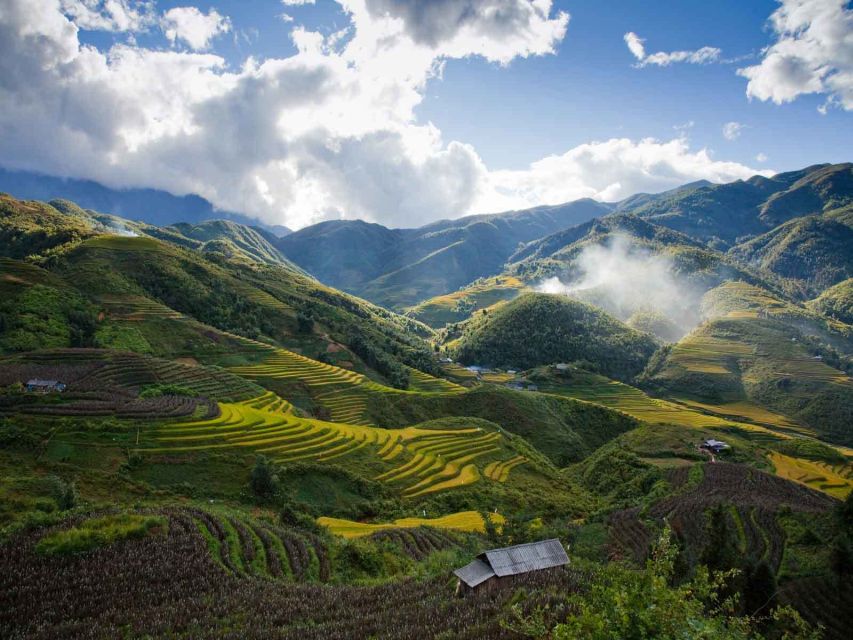
- Day 2 earns your views: 12–15 km total with rice terraces, Lao Chai, Ta Van, then farther to Y Linh Ho and Ban Ho.
- Village visits go beyond photos: you’ll meet community members in traditional outfits from H’Mong, Dzao, and Tay groups.
- Meals are included, but dinner isn’t: you’ll have breakfasts and lunches; nights mean you choose dinner on your own.
- Cold weather is a real factor: Sapa can be chilly and sometimes foggy from about September through March.
Luxury Limousine Ride: Getting From Hanoi to Sapa Without Losing a Day
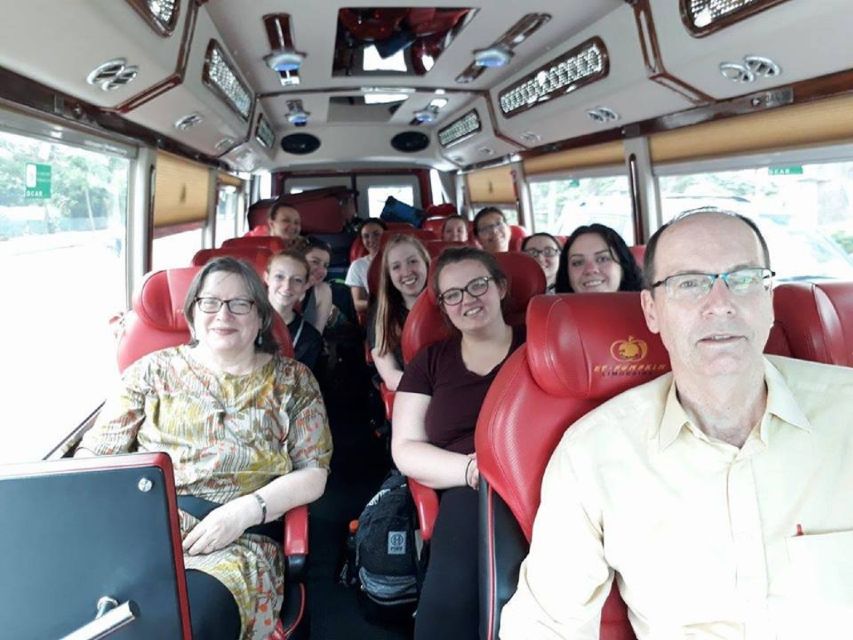
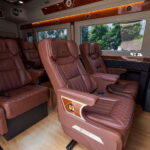
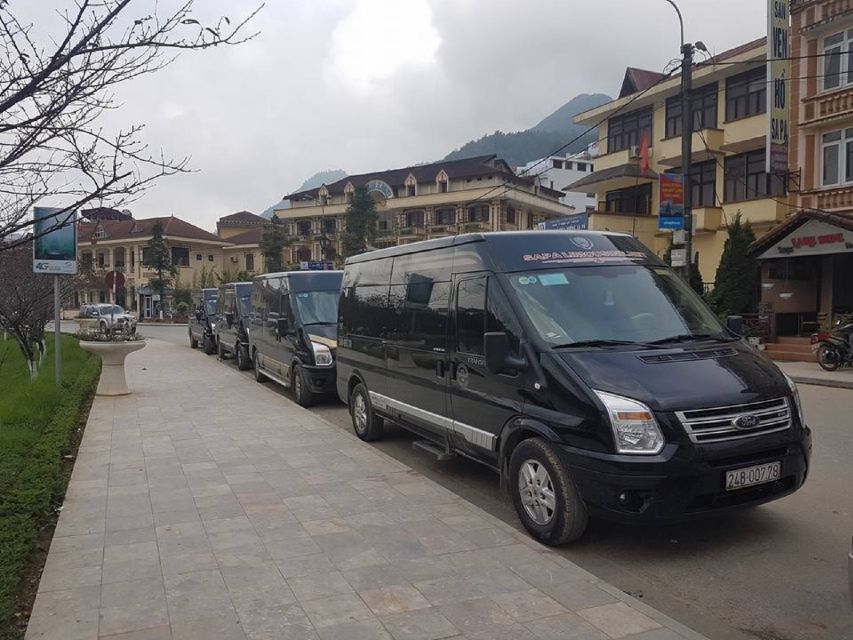
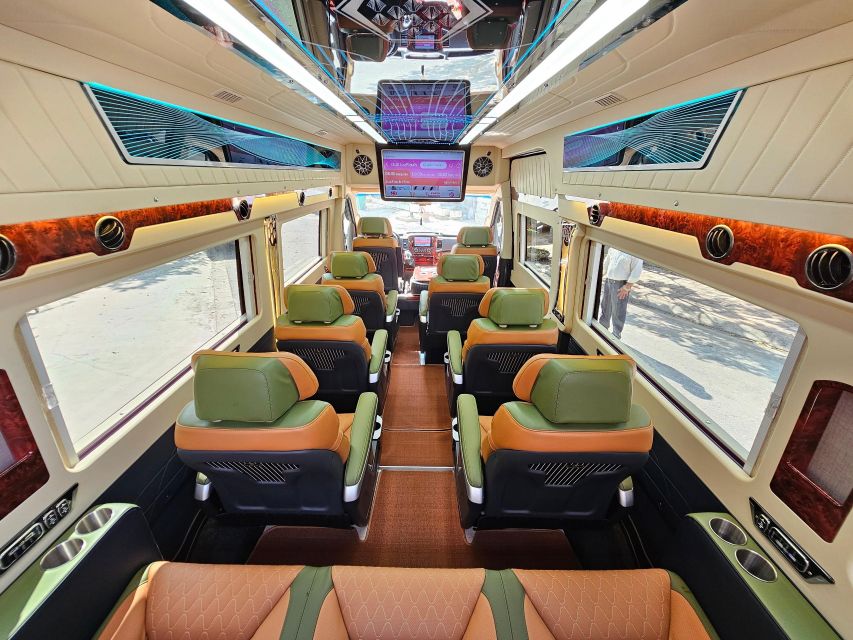
The real trick with any Sapa trip is timing. Roads are long, the mountain air turns fast, and you’ll feel it in your legs if you arrive wrecked. This tour handles that with a modern, air-conditioned limousine transfer—and it’s set up so you’re not starting your day with stress.
Pickup begins between 6:45 and 7:00 from the old quarter area (meeting point: 31 P. Lò Sũ). The vehicle includes a couple of breaks on the way, then you reach Sapa around 12:30 PM. In practice, that means you get a proper afternoon instead of spending your first hours staring out a window in the dark.
If you’re the type who wants your trip to feel “moving” but not exhausting, this is a good match. The limousine doesn’t replace the effort of trekking, but it does keep the start of your Sapa story from feeling like a penalty.
You can also read our reviews of more tours and experiences in Hanoi.
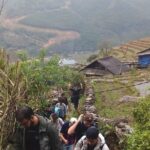
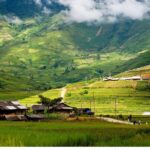
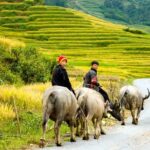
Day 1 in Sapa: Cat Cat Village and a 4 km Descent That Sets the Tone
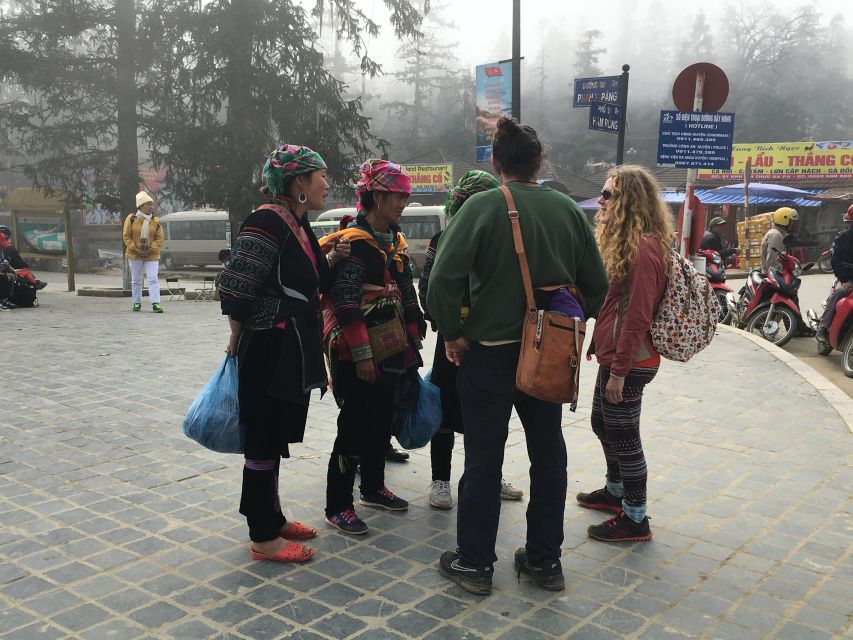
Day 1 is all about orientation and getting comfortable with the rhythm. After arrival in Sapa, you’ll meet ethnic minority community members from groups such as H’mong, Dzao, and Tay, often described by their colorful traditional costumes. It’s the kind of early introduction that helps you understand what you’ll see later on the trail.
Then you eat a Vietnamese lunch and check in to your hotel. You’ll have time to reset before the hike, which is a big deal because your second day gets longer and tougher.
The Cat Cat trek (easy-ish, but still real)
At 14:30, you start your trek to Cat Cat Village, home to the Black H’mong ethnic minority. Cat Cat sits at the foot of Mount Fansipan, so the area comes with a lot of big-mountain atmosphere even when you’re walking a shorter route.
This is a trek down into the valley: roughly 2 hours, about 4 km (2.3 miles). With the guide leading, it’s less about speed and more about learning the day-to-day reality of how people live in this terrain. You’ll get context for what you see rather than just snapping photos and moving on.
What I like about this setup: it gives you a win early. Even if your fitness isn’t great, you’re not dumped straight into a big day. You’ll still feel like you earned the views, but you won’t feel punished.
After the trek: Sapa dinner on your own
Once you finish trekking, you’ll head back to Sapa for dinner that you choose yourself. That’s actually a smart break. You can eat something simple after walking, and you also get a little flexibility in case you want to shop, chat, or just rest.
Just keep one practical point in mind: this tour includes lunches and breakfasts, but dinner isn’t included, so budget for it.
Day 2’s 12–15 km Work Day: Rice Terraces, Ta Van, and Remote Villages
Day 2 is where the tour becomes a true trekking experience. The total distance is 12–15 km, and the walking is broken into segments, which helps you keep your effort steady rather than burning out all at once.

Segment 1: rice terraces to Lao Chai (about 5 km)
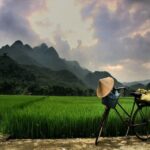
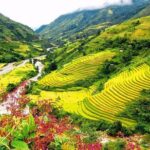
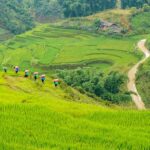
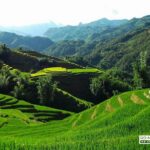
You start after breakfast with a walk of about 5 km along rice terraces to the Black H’mong village of Lao Chai. Rice terraces matter here because they’re not just scenery. They’re a living system tied to farming, seasons, and the way people shape hillsides to grow food.
This is a good part of the day for photos, but don’t treat it like a “stand here” stop. You’ll walk long enough that the views feel like they’re part of your effort instead of something you rush through.
Segment 2: Lao Chai to Ta Van village
Next you trek to Ta Van, home to the Dzao ethnic minority. Ta Van also comes with a photo stop and guided visit time, plus sightseeing and walking along the way.
This stop helps balance your day. Day 2 isn’t only legs—it’s also time to understand cultures in motion, how villages sit on slopes, and what everyday life looks like when you slow down.
Segment 3: Y Linh Ho and Ban Ho (less crowded feel)
Then the route pushes outward again to Y Linh Ho and Ban Ho Village. This is described as an area that not many tourists reach, which is exactly why this part can feel special.
By the time you’re here, you’ll likely have a better sense of what you’re seeing:
- the slope and altitude that make villages cling to the terrain
- paths that demand attention
- moments where you’re not passing a stream of people every ten seconds
If you enjoy trekking for the sense of real distance—real movement through a place—this is the day you’ll remember.
Evening: free time in Sapa town
After all that walking, you return to your hotel for free time. That’s useful because you’ll need it. Your energy will be different from day 1. You can wander on your own, find a meal, or just rest early.
Day 3: A Flexible Morning in Sapa Town or a Fansipan Detour
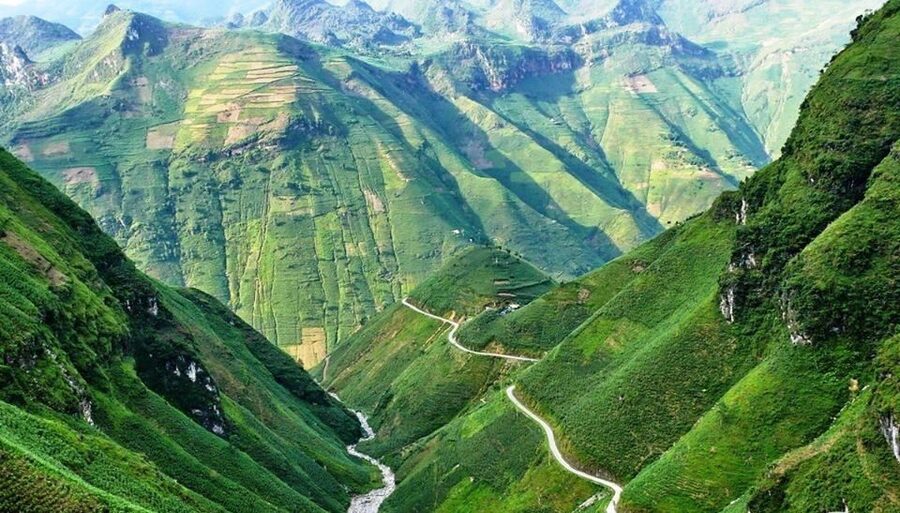
Day 3 is lighter by design. After breakfast, you’re free with a couple of options.
Option A: explore Sapa town on your own
You can use the morning to explore at your own pace. This matters because not everyone wants to keep trekking every day. Sometimes the best part of Sapa is simply having time to watch daily life and enjoy the town before you head back down.
Option B: visit Fansipan peak (ticket needed)
If you want the big viewpoint play, you can visit Fansipan Peak by yourself. If you do, you’ll need the Fansipan ticket, and you’re expected to coordinate support through your hotel receptionist.
One practical note: Fansipan can feel like a separate trip inside your trip, so plan for extra time and energy. Also, the weather around Sapa is unpredictable, so fog and cold can change what you experience.
Check out and return to Hanoi
At 11:30 AM, check out and have lunch. Then you’re on the way back by 14:30, arriving in Hanoi around 21:00 at the meeting point area.
That timing is convenient: it keeps you from feeling like you spent the last half-day stuck in transit with nothing to show for it.
People, Food, and Village Visits With H’Mong, Red Dzao, and Tay
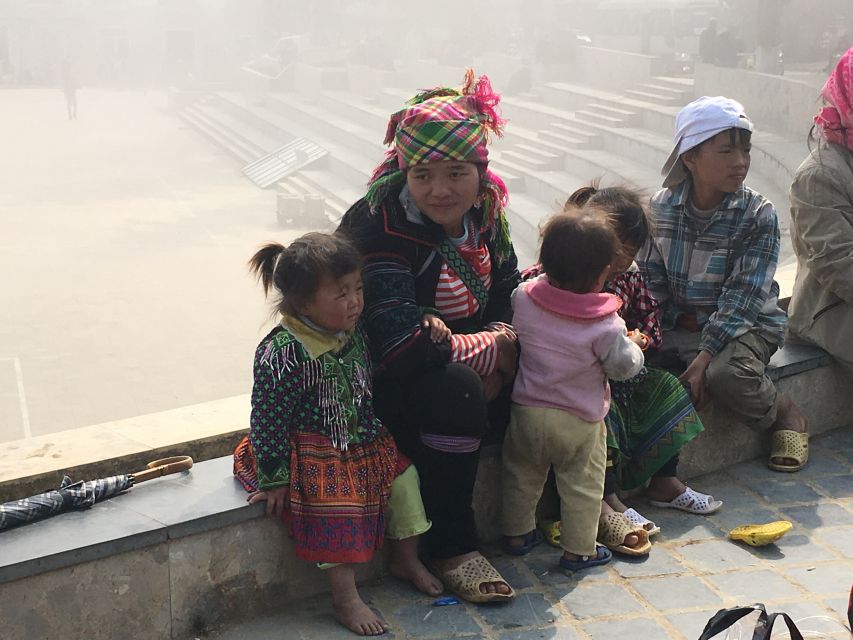
One of the best things about this kind of trek is that you’re not only walking through scenery—you’re walking through people’s routines. The tour sets that up from the first afternoon.
On arrival day and during the trek segments, you meet community members wearing traditional H’mong, Dzao, and Tay clothing. This isn’t just window dressing. It helps you connect names to places:
- Cat Cat links to Black H’mong
- Lao Chai links to Black H’mong rice-terrace living
- Ta Van connects to the Dzao community
- farther stops like Y Linh Ho and Ban Ho bring you into a more remote-feeling slice of the hill tribe world
Lunches that keep you moving
The tour includes 3 lunches total and 2 breakfasts across the three days. That’s a big value lever: trekking tours can quietly get expensive when you have to buy every meal.
Dinner remains on your own, which gives you choices. After walking hard, I usually like that flexibility—especially when you want something warm without it being part of a set menu.
Price and Value: Is $199 a Good Deal for 3 Days in Sapa?

At $199 per person, this tour can feel like a bargain—or like a rip-off—depending on what you compare it to. The smart way to judge value here is not just “what costs $199,” but what that price replaces.
You’re getting:
- Round-trip transportation from Hanoi by modern air-conditioned limousine
- Two nights (either hotel or homestay, depending on the option)
- a local guide (English)
- entry tickets to indicated sites
- 2 breakfasts and 3 lunches
When a trekking trip includes meals, lodging, and transport in one package, you stop playing meal-math and taxi-math every day. You also get a structured itinerary so you’re not guessing routes and start times on your own.
The two places where you’ll still spend extra:
- Dinner and drinks (not included)
- Fansipan tickets if you choose to go
To me, the real question is whether you’ll appreciate the included trade-offs, like homestay basics and the hard walking. If you want a mostly comfortable, low-effort cultural tour, this likely won’t fit. If you’re happy to work for it—well, then $199 starts to look fair.
Fitness, Weather, and What to Pack for Cold Sapa Treks
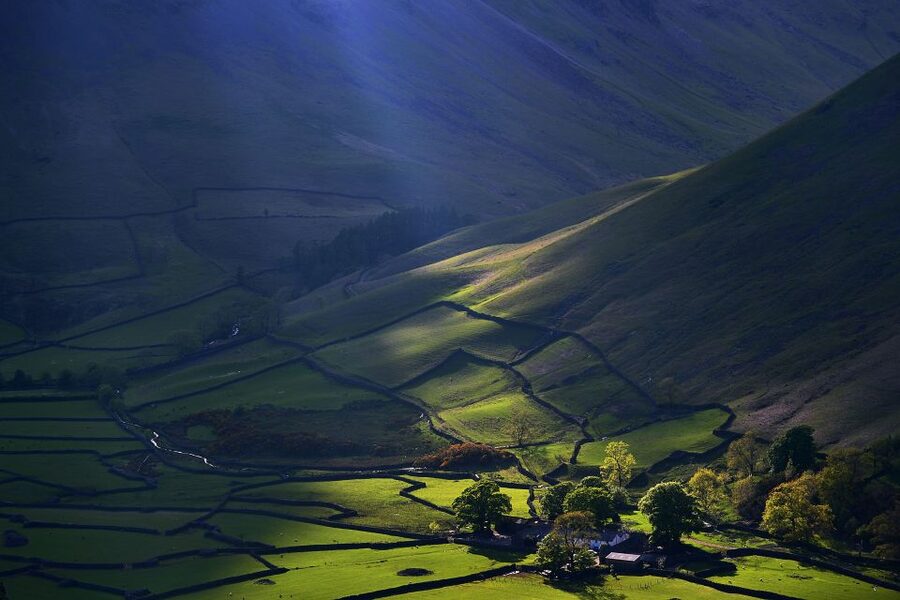
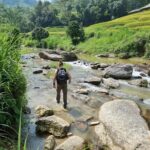
This tour is honest about the trek difficulty, and you should take that seriously. Day 2 totals 12–15 km, and it’s described as a challenging trek, especially in rainy weather.
Also, Sapa isn’t always “cool and cute.” It can be cold in months like September through March, and fog shows up sometimes in December through March. Even if you think you’re coming in a shoulder season, plan for chilly air.
What to bring
The basics here are practical, not fancy:
- Passport or ID card
- Comfortable shoes (trekking shoes are strongly implied)
- Sunglasses and sun hat
- Sunscreen
- Insect repellent
- Any special medication you need
- Warm clothes: scarf, hat, cap
Because weather changes quickly, layering beats one big coat.
What to expect from the homestay option
If you choose the homestay route, understand that it offers basic amenities. That doesn’t automatically make it bad. It just means you should go in with the right mindset—simple, functional, and built around village life, not hotel comfort.
Who should skip this one
The tour is not suitable for people with mobility difficulties, and it’s not for children under 6. If you’re unsure, you’ll want to be careful. The walking distance and terrain are the core of this experience.
Should You Book This Sapa Trek From Hanoi?
Book it if:
- you want a real trekking rhythm across three days, not a slow sightseeing loop
- you like structured village visits with an English-speaking guide
- you’re okay with cold weather and you bring proper footwear
- you value the convenience of limousine transport plus breakfasts/lunches/lodging in one package
Skip it if:
- you want an easy, mostly seated experience
- you dislike cold, foggy weather, or rainy-trail uncertainty
- you need mobility-friendly routes
- you don’t want homestay basics (if your option includes homestay)
If you’re on the fence, I’d make the decision based on day 2. If the idea of 12–15 km walking through terraces and remote villages feels doable for you, this tour has the ingredients for a memorable Sapa trip.
FAQ
Where is the pickup location in Hanoi?
Pickup is available from the Old Quarter area of Hanoi, with the meeting point listed as 31 P. Lò Sũ.
How long is the limousine transfer from Hanoi to Sapa?
The limousine ride is listed as about 5.5 hours, with arrival in Sapa around 12:30 PM.
What trekking distance is there on Day 1?
Day 1 includes an easy trek to Cat Cat Village that lasts about 2 hours and covers about 4 km.
How much trekking is on Day 2?
Day 2 is the hardest day, with a total trek distance of about 12–15 kilometers, including segments such as 5 km along rice terraces to Lao Chai and treks to Ta Van, then to Y Linh Ho and Ban Ho.
Are dinners included in the tour price?
No. Dinner and drinks are not included. Lunches and breakfasts are included.
Do I need to pay for Fansipan?
Yes. Fansipan tickets and tour are not included. You can purchase tickets in your free time, and you should contact the hotel receptionist for support.
What should I bring, and what’s not allowed?
Bring passport or ID card, comfortable shoes, sunglasses, and a sun hat, plus trekking essentials like trekking shoes, sunscreen, insect repellent, and warm clothes. Pets are not allowed, and smoking is not allowed.