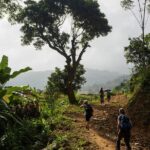
Two days in Sapa, and you’ll remember the people. This Sapa tribal trek mixes classic rice-terrace scenery with a guided walk along Muong Hoa Stream, then slows down for an overnight in a homestay (with wifi and hot showers) or a local house. I love the focus on English-speaking local guides and cultural context, and I love that the route aims to dodge the loudest tourist paths. The main drawback to keep in mind: this is moderate hiking, and you’ll want solid weather because the trek can be affected by rain and muddy ground.
What really made it click for me is the way guides tailor the day. Guides like Giang and Xa are repeatedly described as patient teachers who explain what you’re seeing—rice fields, villages, and daily life—in a way that feels personal, not like a lecture. You’ll also get options to match your pace, since your guide can adjust difficulty if you’re tired or want more challenge.
The other consideration is that comfort is simple, not fancy. You’re staying with a family and spending time around an open fire, chatting and learning how hosts live; that’s the whole point, but it also means you should pack and plan like you’re doing a real trek, not a hotel vacation.
In This Review
- Key reasons this trek earns top marks
- Entering Sapa by walking, not sightseeing bus tours
- Day 1 in Sapa: rice terraces, Muong Hoa Stream, and a Black Hmong village
- Overnight in the homestay: clean rooms and real family time
- Day 2: Ta Van village, bamboo forests, waterfalls, and the Zay tribe
- Price and value: why $105 can be a fair deal in Sapa
- Pacing, fitness, and choosing your hiking comfort level
- Who should book this trek (and who might prefer another style)
- Should you book this 2-day Sapa tribal trek?
- FAQ
- What time does the trek start and where do I meet the guide?
- How long is the experience?
- What’s included in the overnight stay?
- Is there food included?
- Do I need a high fitness level?
- Are the guides English-speaking?
- Will the trek still run in bad weather?
- Is this tour private?
- Can I bring a service animal?
Key reasons this trek earns top marks
- Off-the-beaten-track focus: Your guide tries to avoid standard tourist routes unless you prefer them.
- Top-tier guide support (Giang, Xa): Clear English, lots of local stories, and real patience.
- Rice terraces + stream walking: Day 1 follows scenic paths by Muong Hoa Stream and through rice fields.
- Ta Van bamboo forests and waterfalls: Day 2 layers scenery with calmer, forested walking.
- Real community time: You’ll sleep with a host family and share conversation in the evening.
- Practical comfort perks: Many homestays include wifi and hot showers, plus clean rooms in the accounts you’ll see.
Entering Sapa by walking, not sightseeing bus tours
This trek works because it’s built around movement through real rural areas, not a quick photo stop-and-go loop. Starting in Sapa with a personal guide changes the whole feel. You’re not just seeing Sapa—you’re walking through it with someone who can explain what’s behind the scenery: farming rhythms, village life, and how different ethnic groups live in the mountains.
The “private tour” part matters too. Even if you’re traveling solo or in a small group, you’re with just your group and your guide. That makes it easier to ask questions, pause for viewpoints, or adjust your pace without holding up anyone else.
Finally, I like the tone of the operator’s goal: supporting local hosts through fair wages. In this region, poverty is a real issue, so booking a trek that ties money directly to community hosting tends to feel more meaningful than handing it all to a middleman.
You can also read our reviews of more tours and experiences in Hanoi.
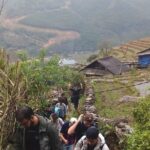
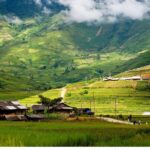
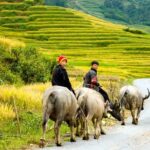
Day 1 in Sapa: rice terraces, Muong Hoa Stream, and a Black Hmong village
Day 1 starts at 9:00 a.m. in Sapa. You’ll meet your guide at a central address (690 Đường Điện Biên Phủ) in Sa Pa, and the meeting can also line up with your homestay or hotel—or at Lao Cai train station, which is the closest rail station to Sapa. This flexibility is useful if you’re arriving by train and don’t want to add a lot of extra taxi time.
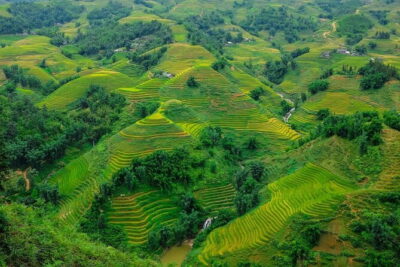
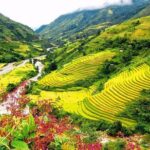
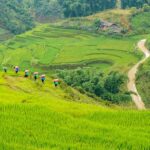
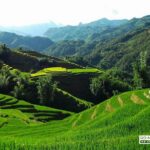
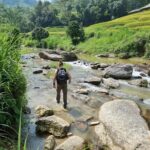
Once you’re together, you’ll trek through rice terraces and head along Muong Hoa Stream. This is classic Sapa terrain: paths that wind between cultivated plots, then switch to greener, more shaded sections as the stream corridor comes into view. For many people, the rice terraces are the headline—but the stream walk is the part that adds texture. It’s where the trek feels less like a scenic postcard and more like a real walk through the countryside.
From there, you continue toward a Black Hmong village (the route specifically mentions the Black Hmong village of La …). This village stop is where the day shifts from scenery to culture. Expect time to learn about the people and daily life around the area you’re walking through. The guides Giang and Xa are especially praised for explaining what you’re seeing with clarity and context, which makes this kind of visit feel respectful rather than rushed.
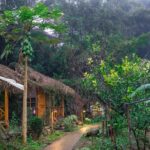
The day ends with an overnight in a homestay. The experience is described as clean and comfortable enough to rest well, with rooms noted as tidy by guests. Many homestays include wifi and hot showers, and you’ll also have a social evening with your host family—huddling around an open fire, chatting, and getting to know the people behind the village names. If you choose the alternative option, you can also stay in a local house with a local family; the shared theme is the same: community time, not a tourist “performance.”
Overnight in the homestay: clean rooms and real family time
The overnight is one of the strongest reasons to book this. You’re not just sleeping somewhere—you’re connecting with the host household as part of the experience.
From the details you’re given, here’s what to expect in the homestay option:
- Wifi and hot showers are available at many homestays.
- Rooms are described as clean, so you’re not signing up for “roughing it” in the dark.
- Evenings are communal: you’ll spend time around an open fire and talk with your hosts.
If you select the local house option instead, you might find it feels even more “inside” village life. But the exact comfort level can vary since it’s tied to the family’s own home situation—so if hot water or wifi is a must, you’ll want to confirm what’s included for your specific host.
Either way, the biggest value is the human pace. This isn’t a “pass through and move on” night. It’s the kind of stop that helps you understand how the mountain communities live, and why the region’s work and hosting matter economically.
Day 2: Ta Van village, bamboo forests, waterfalls, and the Zay tribe
Day 2 begins with breakfast at 8:00 a.m. Then you’ll pack up and say goodbye to your host family—one of those moments that quietly makes the whole trek feel less like a transaction and more like a shared experience.
Next comes the trek toward Ta Van Village. This is where the scenery shifts into something many people find calmer and more atmospheric: you’ll explore bamboo forests and then keep moving toward waterfalls. The route is specifically described as including waterfall time and a visit to meet the Zay tribe.
That blend—forest shade, open views, then water features—helps keep the second day from feeling repetitive after rice terraces. It also changes the “story” you’re learning. Day 1 is more about rice and Black Hmong village life; Day 2 adds Ta Van and Zay community context, so you’re getting a broader sense of the region’s ethnic mix rather than a single village snapshot.
Lunch happens in the early afternoon, which is a practical touch. You’re not forced into a long stretch of hiking with no reset, and it helps you finish the trek without burning out too early. After lunch and the remaining walking time, the experience ends back at the meeting point in Sapa.
Price and value: why $105 can be a fair deal in Sapa
At $105 per person for roughly 2 days and 1 night, the price feels reasonable if you compare it to what you’d pay for a private guide plus transportation and accommodations on your own. The big value points are:
- Private, English-speaking local guidance (so you’re not trying to interpret everything yourself)
- A guided route that aims to avoid the busiest tourist trails
- Overnight community hosting, with the homestay option including wifi and hot showers
- Breakfast and lunch included in the schedule
There’s also a “why this matters” layer. The operator frames bookings as supporting local people with fair wages in a region where many households face financial hardship. Since you’re paying for a community stay rather than only buying a sightseeing product, your money is more likely to reach the people you’re meeting.
Finally, the “mobile ticket” plus pickup flexibility helps reduce hassle, especially if you arrive around Sapa by train and need to line up meeting times cleanly.


Pacing, fitness, and choosing your hiking comfort level
This trek asks for moderate physical fitness. That doesn’t mean you need to be an athlete, but you should expect steady walking on mountain paths. If you’re used to city steps only, you’ll want to prepare a bit before your trek.
One helpful detail from the experience accounts: guides may offer easy, medium, and hard options during the hike. That’s a big deal because it lets you tune the day to how your body feels. So if you want the views and village time but need a slightly gentler pace, ask early and stick with the plan that fits you.
Since the experience also notes that it requires good weather, plan for the possibility of rain. In mountain areas, that can mean slippery sections. Practical move: wear footwear you trust on damp ground and bring a light rain layer. You don’t need fancy gear—just gear that keeps you comfortable and steady.
Who should book this trek (and who might prefer another style)
Book this if you want:
- A real trekking experience that’s still guided and structured
- Cultural time with host families, not just scenic photo stops
- Guides who explain what you’re seeing in clear English (especially people like Giang and Xa in the accounts)
- A mix of rice terraces, bamboo forests, and waterfalls
Consider a different tour if:
- You want fully resort-style comfort and zero walking
- You’re very sensitive to changing weather conditions
- You’re looking for a fast, checklist-style itinerary with minimal time in villages
The tour being private also makes it a strong choice for couples, small groups, or anyone who prefers a quieter, more personal rhythm over big-group trekking.
Should you book this 2-day Sapa tribal trek?
If you’re the type who likes being outside and learning through conversation, I think this is an easy yes. The strongest reasons are the guide quality (with clear English teaching noted by name, including Giang and Xa), the chance to see multiple community areas, and the overnight format that keeps you connected to the people hosting you.
If your main priority is luxury comfort, you might feel underwhelmed. But if your priority is authentic Sapa—rice terraces, village life, bamboo forests, and waterfall scenery with a thoughtful local guide—this is the kind of trip that sticks with you long after you’re back in Hanoi.
FAQ
What time does the trek start and where do I meet the guide?
You’ll meet your guide at 9:00 a.m. at 690 Đường Điện Biên Phủ, TT. Sa Pa, Sa Pa, Lào Cai, Vietnam. The guide can also meet you at your homestay or hotel, or at Lao Cai train station.
How long is the experience?
It’s a 2-day trek (about 2 days and 1 night).
What’s included in the overnight stay?
You can choose to stay in a homestay (with wifi and hot showers per the experience details), or in a local house with a local family.
Is there food included?
The schedule includes breakfast at 8:00 a.m. on Day 2 and lunch in the early afternoon on Day 2.
Do I need a high fitness level?
No extreme fitness is required, but you should have moderate physical fitness for trekking.
Are the guides English-speaking?
Yes. You’ll be accompanied by an English-speaking private guide.
Will the trek still run in bad weather?
The experience requires good weather. If it’s canceled due to poor weather, you’ll be offered a different date or a full refund.
Is this tour private?
Yes. It’s a private tour/activity, and only your group participates.
Can I bring a service animal?
Yes, service animals are allowed.