REVIEW · HANOI
Hanoi: 3-Day Sapa Trek Secret Trails, Waterfall, Stay in Villages
Book on Viator →Operated by Vietmountain Travel · Bookable on Viator
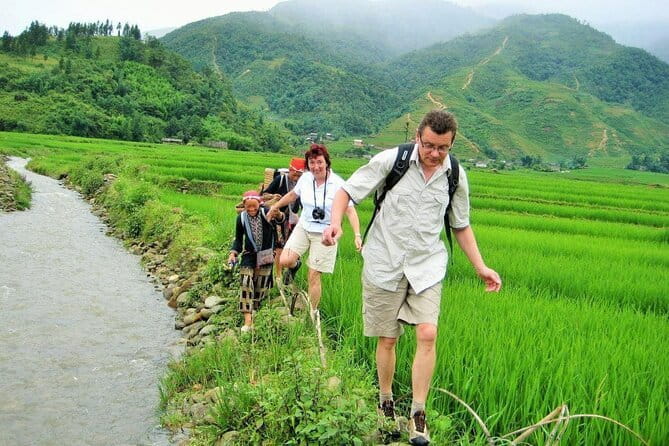
Terrace rice and village trails set the tone. This 3-day Sapa secret trails trek runs from Hanoi with local guides, homestay nights, and a village-first route that feels far from the usual day-tour circuit.
I love the way the guides make culture practical, not just scenic. On the trail and in the villages, you get real conversation time with people in communities like Cat Cat, Lao Chai, and Ta Van, plus useful context about daily life and crafts (natural-dye textiles come up) from guides such as Kien and Hoai.
One consideration: this is real mountain hiking. You’ll want a moderate fitness level, good weather helps, and the outdoors means you should plan for early mornings, ups and downs, and some muddy stretches if conditions change.
In This Review
- Key highlights you’ll feel on the ground
- Leaving Hanoi for Sapa: the trip starts before the trek
- First afternoon in Sapa: Cat Cat Village and the view shift
- What can feel tricky here
- Day two across Hmong and Giay communities: Y Linh Ho to Ta Van
- Lao Chai: textiles, farming, and daily rhythm
- Ta Van: shared space with Hmong and Giay
- A small but real tip for this day
- Day three bamboo forest morning and Giang Ta Chai Village
- Getting back down to Hanoi
- What makes the village time meaningful (and how to get the most)
- Meals and homestays: comfort that’s part of the experience
- Price and value: what $163 buys you in real terms
- Timing, weather, and trekking intensity: plan like a mountain walker
- Practical packing checklist for this trek
- Who should book this Sapa trek
- Should you book?
- FAQ
- How long is this Sapa trekking experience?
- Where is the meeting point in Hanoi?
- What’s included in the price?
- Is vegetarian food available?
- Do I need a certain fitness level?
- Is the guide only English-speaking?
- What happens if the weather is poor?
- Can I cancel for a full refund?
- Is there a limit to group size?
Key highlights you’ll feel on the ground
- Small group size (up to 15) for a calmer pace and easier questions to your guide
- Village route across multiple communities including Cat Cat, Y Linh Ho, Lao Chai, Ta Van, and Giang Ta Chai
- Homestay nights + home-style meals with a vegetarian option on request
- A mix of trekking terrain from downhill-to-uphill days to bamboo forest walking
- English-speaking local guidance with 24/7 hotline support if you need help
- Transport included via an air-conditioned sleeping bus with a safe driver
Leaving Hanoi for Sapa: the trip starts before the trek
You start in Hanoi at 204 Đ. Trần Quang Khải, Tràng Tiền, Hoàn Kiếm. From there, the tour handles the big move: you travel with a modern, air-conditioned sleeping bus and a safe driver, so you’re not spending your first day sorting transportation or ticket chaos.
Once you arrive in Sapa, a local guide meets you at the bus office area and gets you settled. There’s time for lunch and check-in before your first trekking push, which matters because Sapa hikes feel easier when you’re fed and not rushed.
You can also read our reviews of more tours and experiences in Hanoi.
First afternoon in Sapa: Cat Cat Village and the view shift
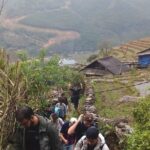
Your first trek starts in the early afternoon, around 2:30 pm, walking from Sapa down toward Cat Cat Village. The route is about 3 kilometers downhill, so you’ll feel it in your legs mainly on the way back, when the climb comes after.
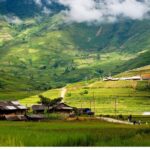
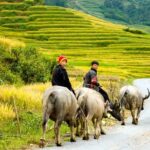
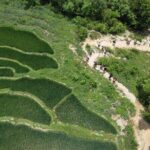
Cat Cat is a strong choice for an introduction because the scenery is built into the walk: terraced rice fields drop away in layers, and the mountains often look misty and close. The best payoff is that you’re not just arriving at a photo stop—you’re slowly changing elevation while you learn what you’re seeing.
By 5:30 pm, you return to Sapa town. The return is about 4 kilometers, and the shift from downhill to uphill is the part that reminds you this is a trek, not a stroll. After that, you’ve got a relaxed evening window, with dinner served around 7:00 pm and free time after.
What can feel tricky here
If you hate shin burn, go easy on your pace on the downhill. Your knees will thank you later on the uphill return.
Day two across Hmong and Giay communities: Y Linh Ho to Ta Van
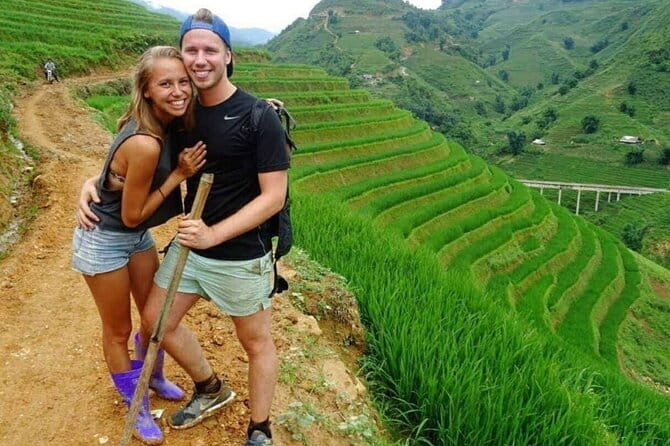
The second day begins early—about 7:00 am—with breakfast timed for mountain air and a comfortable start. Then you’re set up for trekking around 8:30 am toward Y Linh Ho Village, a quieter destination known for mountain views and the feeling of getting off the main tourist routes.
The walking on this day is paced so you’re actually part of the day, not just covering distance. You spend meaningful time in the villages, where conversation and observation turn the mountains into a classroom. This is where guides like Hoai can be especially helpful: she’s the kind of person who can answer trail questions and explain what you’re seeing beyond surface details.
Lao Chai: textiles, farming, and daily rhythm
From Y Linh Ho, you continue toward Lao Chai, often described as the heart of the Hmong community. Your time there is focused on everyday life—traditional farming practices and how textiles get made and dyed using natural indigo.
That part is worth paying attention to. If you’ve ever wondered why certain patterns and colors look the way they do, this is where you get the logic, not just the product.


Ta Van: shared space with Hmong and Giay
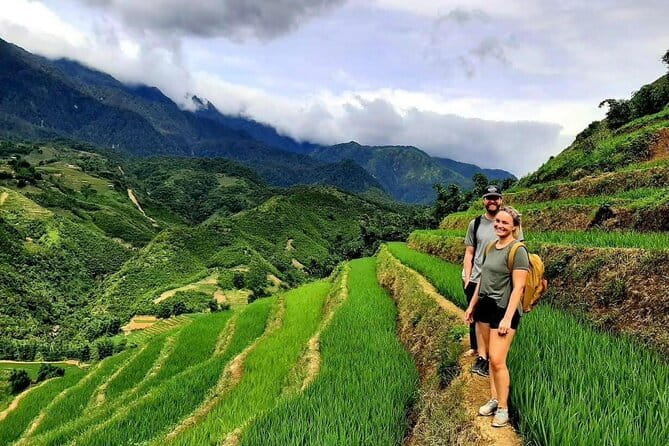
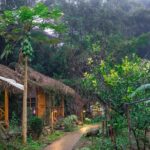
Next comes Ta Van Village, a community shared by the Hmong and Giay people. The scenery changes again—bamboo groves, rivers that guide the path, and simple rural charm that feels like it exists for living, not for performance.
Your day ends with an included meal and the kind of slower evening pace that homestays encourage. You’ll still have a guided structure, but you’ll also get moments where you can breathe.
A small but real tip for this day
Wear shoes you can trust on uneven steps and slippery ground. The route includes bamboo and riverside areas, and the “mud factor” can show up without warning.
Day three bamboo forest morning and Giang Ta Chai Village
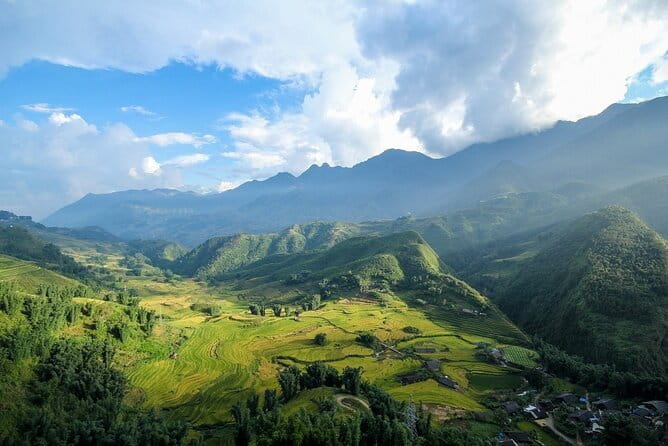
Your third morning starts around 7:00 am with an outdoor breakfast and panoramic views over terraced rice fields. This is a nice rhythm reset: day two can feel like a long cultural walk, and day three starts with a calmer moment before you move again.
At about 8:30 am, the trek begins through a bamboo forest. The soundscape here is part of the experience—quiet footfalls, wind through leaves, and the sense that you’re walking through something alive rather than just scenic.
Then you reach Giang Ta Chai Village. The focus stays similar to the earlier stops: village time that helps you understand how people live in the mountains, and trekking that links communities with the natural environment they depend on.
Getting back down to Hanoi
Around 2:00 pm, you return to Sapa town. You can freshen up with a shower at the hotel, then the tour arranges a shuttle back to the bus office and assists with check-in. By 3:00 pm, you’re sent off with a packed snack, then you continue onward to Hanoi.
This end-of-trip flow is practical. You don’t feel like you’ve disappeared into logistics right when you’re tired.
What makes the village time meaningful (and how to get the most)

This trek is built around cultural exchange, not just ticking off viewpoints. The route intentionally connects you with multiple ethnic groups—especially Hmong and Dao communities mentioned in the experience framing—plus Giay presence in Ta Van.
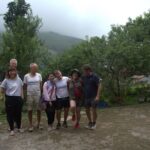
You’ll get the best results if you treat the villages like home visits: be curious, keep your questions respectful, and let your guide do some of the explaining. English-speaking local guides are key here, because they can translate both language and context. When you hear explanations from people like Kien and Hoai, the day feels less like watching and more like understanding.
Also, don’t rush photo time. The walking segments and village stops are designed so you can actually sit, talk, and notice how routines connect to terrain—farming, textiles, household life, and seasonal patterns.
Meals and homestays: comfort that’s part of the experience
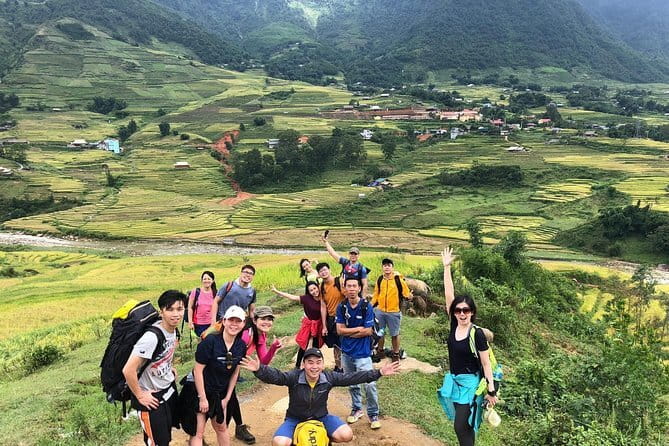
One reason this tour works for many people is that it’s structured around food and rest. You’re covered for meals: breakfast twice, lunch three times, and dinner twice, with vegetarian food available on request.
Bottled water is included, which helps on trekking days when you don’t want to think about refills. And the homestay side of things matters for value: you’re not paying extra to line up lodging while also paying extra for every meal.
That said, homestays are rarely about luxury. If you’re expecting hotel-level comfort every night, you might feel disappointed. If you’re happy with simple, practical accommodation in exchange for daily connection, you’ll likely find it a highlight.
Price and value: what $163 buys you in real terms
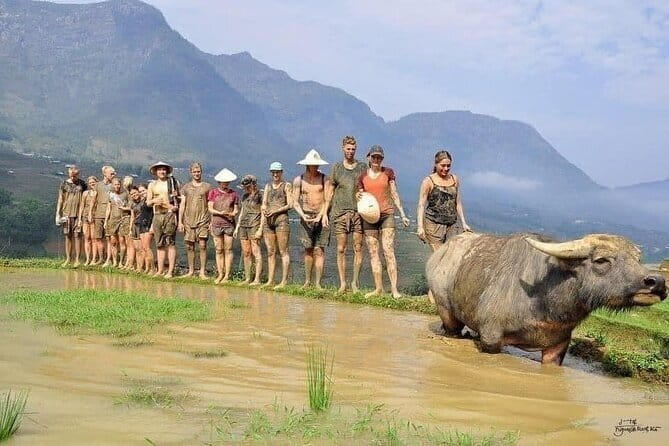
At $163 per person, the price can look like just “a trek.” But the value is in what’s bundled together:
You get all entrance fees, trekking activities, and village visits. You also get guide support, included bottled water, and the meals listed in the schedule. Transport is handled with an air-conditioned sleeping bus, and there’s no extra cost after confirmation per the tour’s description.
What’s not included is also clear: tips for your guide and beverages or personal expenses. That’s pretty normal, but it does mean you should still carry a little cash/cards for small extras if you want them.
For me, the best way to judge this price is to ask whether you’d otherwise pay separately for: guided trekking, village entry, most meals, and the Hanoi–Sapa–Hanoi transport. If yes, this becomes a straightforward deal rather than an added expense.
Timing, weather, and trekking intensity: plan like a mountain walker
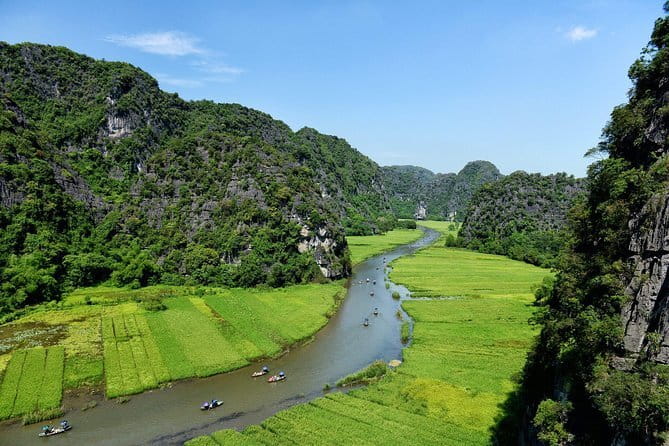
The tour requires good weather, and if conditions cause cancellation, you’ll be offered a different date/experience or a full refund. That’s not a detail to ignore. In the mountains around Sapa, weather affects safety and trail conditions, and the whole day can change if clouds and rain roll in hard.
On the physical side, the tour asks for moderate physical fitness. Even though the distances listed (like the 3 km downhill and 4 km uphill/return on day one) sound manageable on paper, you’re walking on uneven ground with elevation changes. Early starts and longer stretches on day two also add up.
If you’re the type who gets sore easily, bring trekking socks and take it slow on downhill. If you can handle hikes at home, you’ll likely be fine here with a steady pace.
Practical packing checklist for this trek
The tour gives straightforward guidance, and you’ll do best if you follow it:
Bring:
- Comfortable shoes for trekking and outdoor walking
- A small backpack
- Hat, sunglasses
- Water bottle (you’ll also have bottled water provided)
- Mosquito spray
Also, pack light layers. Mountain weather can swing, and mornings can feel cool even when afternoons warm up.
Who should book this Sapa trek
I’d point this direction for you if you want:
- A small group trek with an English-speaking local guide
- Village time that centers on daily life, farming, and textile crafts
- A mix of outdoor walking and real conversation with local people
- Meals and transport handled, so you can focus on the experience instead of logistics
It may be less ideal if you’re mainly after a resort-style schedule, or if you want super-easy flat walking only. This route involves uphill and downhill, plus bamboo forest trekking.
Should you book?
If you want a Sapa experience that feels human—real villages, conversation, and guided context—this is a strong choice. For the money, you’re getting the key pieces together: guide, trekking activities, village visits, meals, and Hanoi–Sapa transport, with homestay nights that fit the cultural intent.
Book it if you have moderate hiking fitness and you can handle weather-dependent timing. Pass or switch plans if you need guaranteed comfort over outdoor walking, or if you’re unable to be flexible when conditions change.
FAQ
How long is this Sapa trekking experience?
It’s a 3-day experience (approx.).
Where is the meeting point in Hanoi?
The meeting point is 204 Đ. Trần Quang Khải, Tràng Tiền, Hoàn Kiếm, Hà Nội, Vietnam.
What’s included in the price?
The tour includes all entrance fees, trekking activities, and village visits, plus bottled water and the meals listed in the itinerary. It also includes an English-speaking local guide and transport from Hanoi with an air-conditioned sleeping bus.
Is vegetarian food available?
Yes. Vegetarian food is available on request.
Do I need a certain fitness level?
You should have a moderate physical fitness level, since the experience involves trekking.
Is the guide only English-speaking?
English-speaking guides are included, and other languages are available on request.
What happens if the weather is poor?
If it has to be canceled due to poor weather, you’ll be offered a different date/experience or a full refund.
Can I cancel for a full refund?
Yes. You can cancel up to 24 hours in advance for a full refund.
Is there a limit to group size?
Yes. The tour has a maximum of 15 travelers.