REVIEW · HANOI
Hanoi – Sapa 3 Day 2 Night Trekking With Hotel & Homestay
Book on Viator →Operated by Sapa May Travel · Bookable on Viator
Three days, two nights, and plenty of mountain steps.
What I really like here is the small-group feel and the hotel-plus-homestay mix. You get real village life around Sapa, not just a quick photo stop. The catch: when the weather is dull or rainy, the views lose some punch, and the homestay side of the food can be a bit inconsistent.
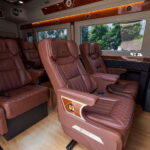
I also appreciate how practical the logistics are. You’re picked up from the Hanoi Old Quarter area and sent on a VIP cabin sleeping bus, then you’re met in Sapa to keep the handoffs smooth. Finally, you’ll be asked to move with good energy and a solid fitness level—this is not a sit-and-smile walk.
In This Review
- Key highlights that make this trek worth it
- Hanoi to Sapa: the VIP sleeper bus that sets the tone
- Cat Cat Village: H’mong culture, a first dose of Sapa scenery
- Day 2 trekking: Y Linh Ho, Lao Chai, Ta Van, and lunch in a homestay
- Day 3: Giang Ta Chai and Su Pan, with a mountain lunch stop
- Meals and comfort: what’s included, what to expect at the homestay
- Price and logistics: where your $125 is really going
- Weather, packing, and fitness: the real make-or-break factors
- Who should book this Sapa trek (and who should rethink it)
- Final call: should you book Sapa May Travel’s 3-day 2-night trek?
- FAQ
- How long is the Hanoi to Sapa trekking experience?
- What kind of transportation is included from Hanoi?
- What accommodation is included?
- Are meals included?
- How many people are on the group tour?
- How much trekking should I expect?
Key highlights that make this trek worth it
- Small-group size (max 15) keeps the pace friendlier and the guide easier to ask questions
- Hotel + homestay gives you both comfort and a closer look at day-to-day village life
- Cat Cat Village + multiple ethnic villages mean more variety than the typical Sapa loop
- Round-trip VIP cabin bus removes most of the stress of getting to and from Sapa
- Meals are included (but drinks aren’t), so you won’t be hunting for food
- Moderate trekking with real mountain conditions—expect slippery spots at times
Hanoi to Sapa: the VIP sleeper bus that sets the tone
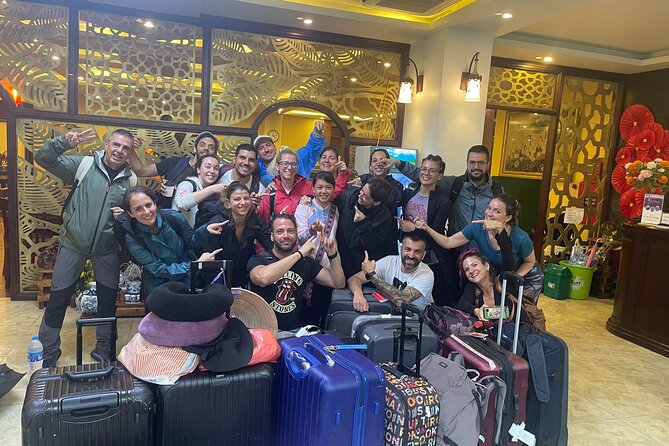
This tour does the smart thing first: it gets you out of Hanoi early on a sleeping bus with a proper pickup plan. Around 06h00–06h30, you’ll transfer from Hanoi Old Quarter hotels to the meeting area, then roll on toward Sapa. The goal is simple. You lose less daytime and arrive with enough energy to start sightseeing rather than just “survive the ride.”
By about 13h00–13h30, you reach Sapa. From there, you’re transferred onward to the town area so you’re not stuck figuring out the local transport right after a long morning. This is the part I like most if you’re short on time in northern Vietnam. You can rest, then hit the ground running.
A practical note: bring a layer. Even in Vietnam, buses can swing cool when you’re trying to sleep. Also keep your essentials in a small day bag. You’ll need it fast once you arrive.
You can also read our reviews of more tours and experiences in Hanoi.
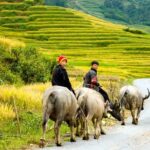
Cat Cat Village: H’mong culture, a first dose of Sapa scenery
After you settle in, the afternoon starts with Cat Cat Village, associated with the H’mong community. Your local guide picks you up from the hotel lobby and you head out to explore the village. This stop runs roughly four hours, including time to learn about local habits and customs.
Cat Cat is the classic Sapa village for a reason: it’s easy to understand, accessible, and it sets context for everything you’ll see later—terraced fields, steep valleys, and the way communities shape daily routines around the mountains. It’s a great “orientation” stop. You’ll look at the hills later with different eyes.
Then the tour gives you free time in Sapa town. You can check out the stone church and wander the night market at your own pace. This is where you can slow down, buy small souvenirs, and get a feel for what evenings are like in a town that pulses with weekend crowds and working locals.
Day 2 trekking: Y Linh Ho, Lao Chai, Ta Van, and lunch in a homestay
Day two begins with a hearty breakfast buffet at the hotel. One small but important logistics move follows: you check out, but you leave big luggage in the hotel lounge and keep only a small bag for the hike. That keeps your pack light and prevents the “why am I carrying this all day?” problem.
Then you start walking through the Sapa region’s village belt, with an early stop at Y Linh Ho (about 07h00–08h00). This helps you ease into the trek rather than jumping straight into steep climbs.
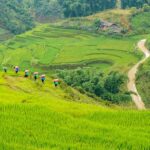
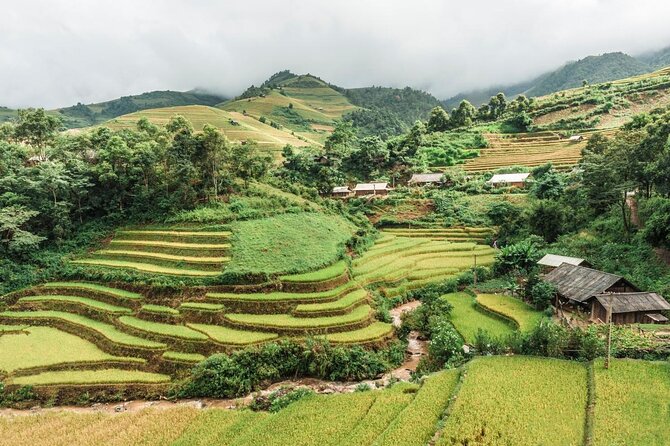
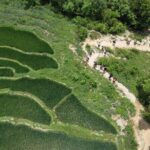
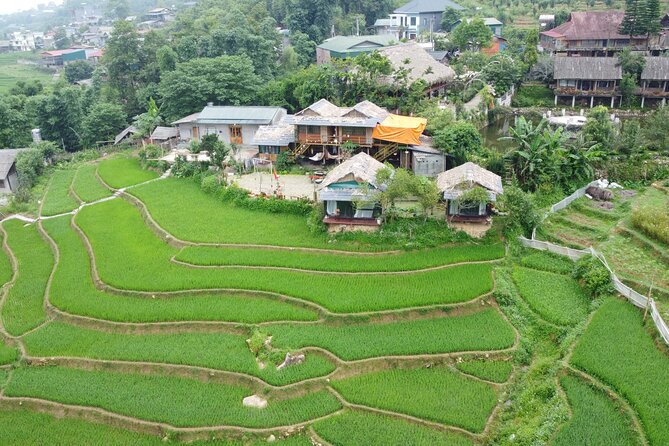
The main story comes next. Around 11h00, you head to Lao Chai, a village surrounded by terraced rice fields between the Hoang Lien Son mountain range and Ham Rong mountain. You’re not just passing viewpoints—you’re moving through the real agricultural setting that makes Sapa famous.
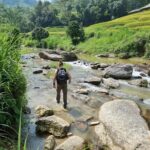
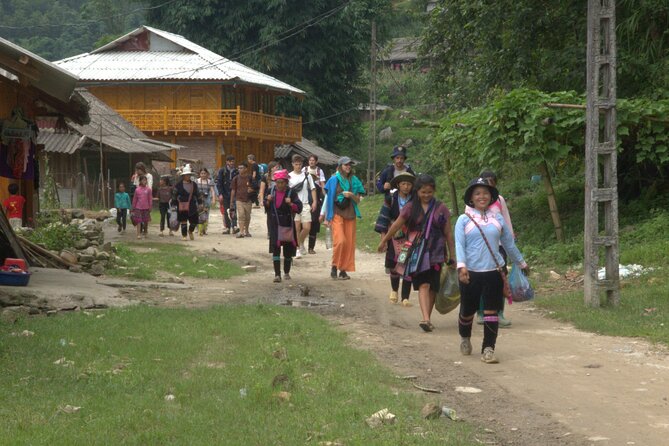
About 11h30, you continue for another 2 km along the Muong Hoa stream, then pass Lao Chai and reach Ta Van Village. This is a key stretch because you’re walking with water, forests, and mountain views in the mix. It’s scenic in a practical way: you can actually see why people build homes here and how fields feed life in the valleys.
At 12h30, lunch happens at the homestay in Ta Van. After that you check in for the night. In my opinion, this is the emotional high point of the trip. You get a meal, you slow down, and you see the rhythms of village life without the rush of constant transfers.
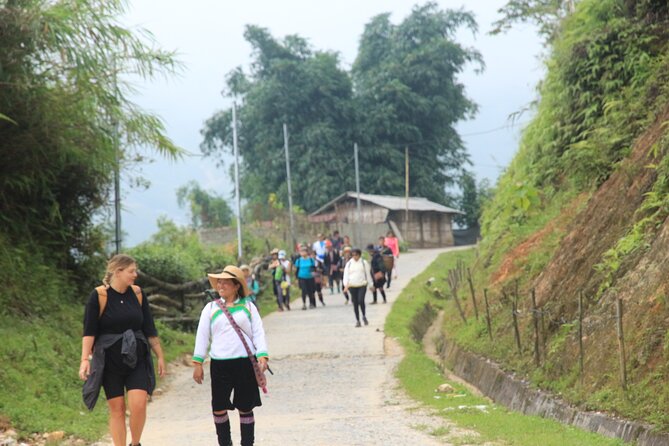
One more thing to set expectations: the trek is described as moderate, and people have noted it can be slippery at times. Distances can land around about 6 miles the first hiking day for many walkers, so wear real shoes. (Not fashion sneakers. Shoes with grip.)
Day 3: Giang Ta Chai and Su Pan, with a mountain lunch stop
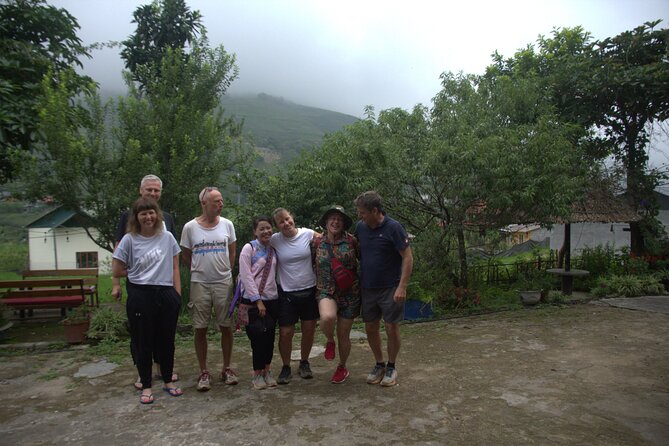
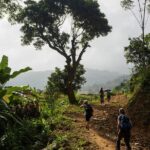
Day three starts at the homestay with breakfast, then check-out. You’re out walking again by around 09h00, with a morning trek of about 8 km toward Giang Ta Chai Village and Su Pan Village.
Giang Ta Chai is home to the Red Dao community. This part matters because it’s not just “pretty scenery.” You’re seeing how different ethnic groups live on steep terrain and how village networks connect across ridgelines and valleys.
By 12h30, you arrive at Su Pan and have lunch at a local restaurant. Su Pan is described as four small villages of Black H’mong and Red Dao people, sitting on the rocky slopes of Na Trong with overlooks toward the surrounding area.
If you like photography, day three can be great—when the sky behaves. But if the clouds sit low, the views can look flatter. The trek still feels good, though, because you’re moving through real villages and field edges rather than relying on distant “big postcard” shots.
After lunch, the tour shifts back toward town. You’re picked up by bus around 13h30 back to Sapa town, arriving at your lodging area by about mid-afternoon. Then you get a chance to reset. There’s even mention of a quick 30-minute foot massage option, plus free time for souvenirs before the bus back to Hanoi.
Meals and comfort: what’s included, what to expect at the homestay
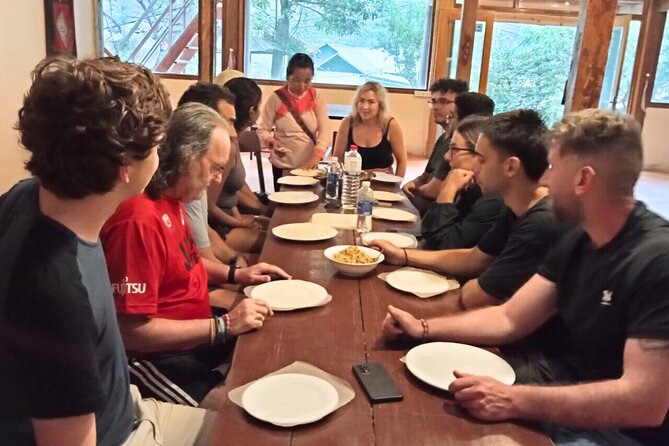
Meals are built into the price, which is a big deal for a trekking tour. You get 2 breakfasts, 3 lunches, and 2 dinners. Entrance tickets and local transportation are included too, which reduces the annoying “extra fees” feeling.
Drinks with meals are not included. That’s normal in this part of Vietnam, but it’s worth remembering so you’re not surprised when you want water or something cold.
Now for comfort. The tour includes one night at a 3-star hotel in town and one night in a private room at Tavan Village (homestay-style). In practice, that usually means you’ll have a simpler setup than a city hotel—especially for things like temperature control and basic facilities.
I’m going to be straight with you: at least one person flagged that some homestay basics weren’t what they expected (things like toilet and cooling/storage were called out). Another common theme is that the hotel food tends to hit better than homestay meals. So if your “must-have” is consistently good food and hotel-level comfort, you may find the homestay part less satisfying.
That said, the upside is you’re actually staying in the community. You’re not just walking through. You’re eating there, sleeping there, and getting a real sense of how daily life works in the rice-and-mountain belt.
My practical tip: plan to treat the homestay as part of the experience, not a hotel replacement. Bring a small light snack if you get hungry between meals. And pack any comfort items you rely on—earplugs, a light towel, or anything that helps you sleep.

Price and logistics: where your $125 is really going
At $125 per person for about 3 days / 2 nights, the key value isn’t just the hiking. It’s the bundle:
- Round-trip VIP cabin bus between Hanoi and Sapa
- Local English guide in Sapa
- Accommodation (hotel + private homestay room)
- Transportation between stops
- Entrance tickets
- Meals included (minus drinks)
This is the kind of price that makes sense when you don’t want to coordinate buses, guides, and village timing yourself. Sapa logistics can be a headache if you’re trying to do it on your own, especially if you want a guide who can explain local life and keep the route moving.
You’re also going at a good “group size” scale: the tour caps at 15 travelers, and it’s set up as a small-group experience with group discounts listed. That matters because it often leads to less waiting around and fewer people to manage.
Where the value can soften: if you strongly care about the homestay comfort level or you expect everything to feel like a hotel throughout. This trek is built for cultural immersion and walking time. If that’s not your priority, you may feel like you’re paying “tour money” for some basic rural comfort.
Weather, packing, and fitness: the real make-or-break factors
This is trekking in northern Vietnam. That means weather can swing fast, and the terrain can be slick. One review-based lesson I’d take seriously: check the weather first when you can. If it’s cloudy, you lose some of the photo light and distant clarity. The mountains still have texture up close, but the big view moments can feel muted.
The walking is also not “pushchair friendly.” The tour lists a requirement for strong physical fitness. Distances have been described around 6 miles one day and 4 miles the other for many hikers, and you may hit slippery sections. That doesn’t mean it’s extreme, but it does mean your shoes should grip and your knees should be ready.
Pack for traction and quick weather changes:
- Proper hiking shoes with grip
- A rain layer (even a compact one)
- A small day bag for your essentials
- Water plan (and remember drinks during meals aren’t included)
- Something warm for bus rides and early mornings
One small planning advantage: the tour keeps your luggage situation under control. Since you leave big luggage at the hotel lounge, you can travel lighter and walk smarter.
Who should book this Sapa trek (and who should rethink it)
This tour fits best if you want:
- A guided Sapa experience with multiple villages, not just one
- A mix of culture + hiking with included meals and transfers
- A small group pace and a guide you can ask questions to
- The “stay overnight” experience in Ta Van village, not just day trips
It might be a mismatch if:
- You only want comfortable hotel-style lodging the whole time
- You’re hoping for nonstop excitement and a very challenging mountaineering vibe
- You’re very sensitive to food variation, especially on homestay night
- Your trip timing is locked during a period of consistently bad weather and you’re chasing perfect visibility
Final call: should you book Sapa May Travel’s 3-day 2-night trek?
If you want a mostly pre-planned Sapa trek with VIP bus transfers, a local guide, and a real overnight in the village, I think this is a solid choice. The price feels fair because it bundles the big moving parts: transport, lodging, guidance, entrances, and meals.
My best advice for deciding: ask yourself what you value more—authentic homestay life or repeatable hotel comfort. If you’re okay with a simpler setup and you’re excited to walk through village rice fields and mountain paths, you’ll likely enjoy the trip a lot.
If your priority is maximum comfort and consistent food quality, consider whether you want a tour that spends more time in town lodging and less time in homestay-style stays. Either way, check the weather when you can, and bring shoes you trust.
FAQ
How long is the Hanoi to Sapa trekking experience?
It’s about 3 days total, with 2 nights of lodging.
What kind of transportation is included from Hanoi?
The tour includes round-trip VIP cabin sleeping bus service, with pickup from the Hanoi Old Quarter area.
What accommodation is included?
You get 1 night at a 3-star hotel in Sapa town and 1 night in a private room at Tavan Village (homestay-style).
Are meals included?
Yes. Meals included are 2 breakfasts, 3 lunches, and 2 dinners. Drinks during meals are not included.
How many people are on the group tour?
This experience has a maximum group size of 15.
How much trekking should I expect?
You’ll trek through several villages across the days, including an around 8 km morning trek on day three. The tour is designed for people with strong physical fitness.