REVIEW · HANOI
From Hanoi: 2-Day Sapa Trekking Trip with Homestay & Meals
Book on GetYourGuide →Operated by Vietnam Real Tour · Bookable on GetYourGuide
Waking up in Sapa feels different fast. This is a 2-day trek built around real village rhythms: guided walks through terraced fields, a homestay overnight with your host, and a dinner you help make. If you want Sapa beyond photos, this is the kind of trip that slows you down and lets you see how people actually live.
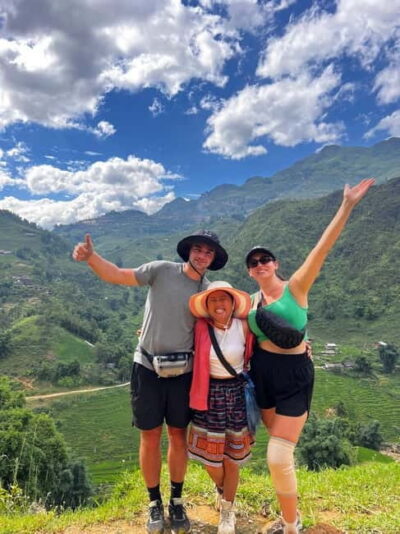
I especially love the mix of easy-to-follow structure and real local time. You hike with a guide, reach Lao Chai and Ta Van by foot, then you’re not shuffled out right after lunch—you’re welcomed like a guest in the home, often with hosts like Mama Zuzu and guide support such as Mama Lane.
The main drawback is physical and practical. The trails can get slippery and muddy, and you’ll likely be dealing with a shared bathroom setup, plus some parts are steep enough to feel it in your legs.
In This Review
- Key Points You’ll Care About
- Sapa, But Slower: Why This Homestay Trek Works
- Hanoi to Sapa: The Sleeper Bus Pace You’ll Feel
- Day 1: Lao Chai and Ta Van Through Terraced Fields
- What can slow you down
- Lunch Stops and Village Encounters Along the Way
- Arriving at the Homestay: What the Night Really Feels Like
- Comfort details that matter
- Dinner, Happy Water, and Karaoke: The Social Side of Rural Sapa
- Day 2: Ta Van Options, Bamboo Forest, and Early Breakfast Cooking
- How difficult is Day 2
- Lunch Back in the Routine and Time to Explore Sapa Town
- Getting Back to Hanoi: The Comfortable End of a Long Day
- Price and Value: Is $71 a Good Deal?
- Packing List That Actually Helps on the Trail
- Cultural Notes and the Souvenir Reality on the Hike
- Who Should Book This Sapa Trek (and Who Should Skip It)
- Should You Book This 2-Day Sapa Homestay Trek?
- FAQ
- What time is pickup from Hanoi’s Old Quarter?
- How do you get to Sapa from Hanoi?
- Where does the main day 1 hike go?
- Is there a waterfall stop during the trek?
- What meals are included?
- Will I share bathroom facilities at the homestay?
- What hiking options do you have on day 2?
- What should I bring for the trek?
- Is the guide English-speaking?
- What time do you return to Hanoi?
Key Points You’ll Care About
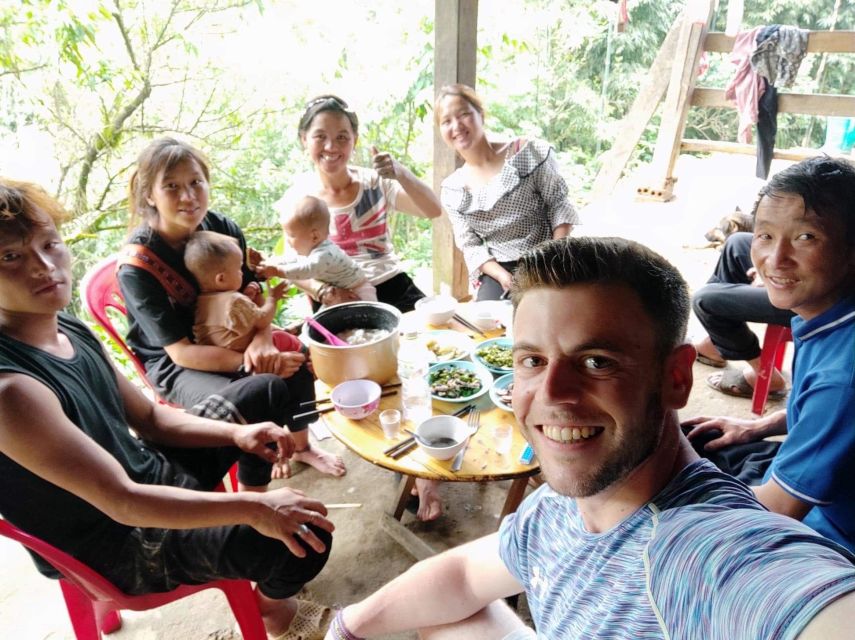
- Homestay night with cooking: you can help prepare dinner and breakfast, not just eat it
- Terraced-field trek to Lao Chai and Ta Van: a 12-kilometer guided day with multiple village stops
- Waterfall break: you get a scenic rest point built into the walk
- Day 2 has real choices: go deeper toward villages or switch to a bamboo forest hike
- Weather changes the trail: rain makes the path more demanding, so footwear matters
- Village selling is part of the route: you may be approached to buy small items, and you can politely decline
Sapa, But Slower: Why This Homestay Trek Works
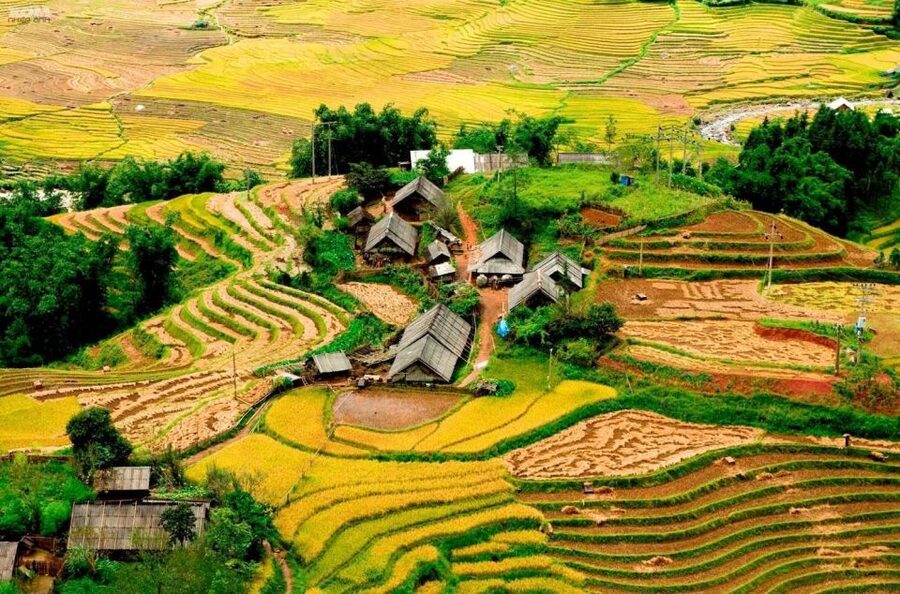
Sapa gets crowded on Instagram routes. This trip is different because it’s timed like a village week, not a checklist. Your day isn’t just walking for views; it’s walking, eating, and sharing time—then sleeping right where the fields and bamboo sit.
The value is that you’re paying for more than transport and a guide. You’re paying for access: the rhythm of the host home, the chance to cook together, and the guided context for what you’re seeing along the way. When I look at trip value, I ask one question: does the itinerary create time with people, or just time passing through? Here, it’s the first one.
That said, you should show up ready for countryside realities. Even with warm showers in many stays, you’re still in a rural home setting—simple bedding, outdoorsy bathroom setups at times, and a pace that depends on the weather.
You can also read our reviews of more tours and experiences in Hanoi.
Hanoi to Sapa: The Sleeper Bus Pace You’ll Feel
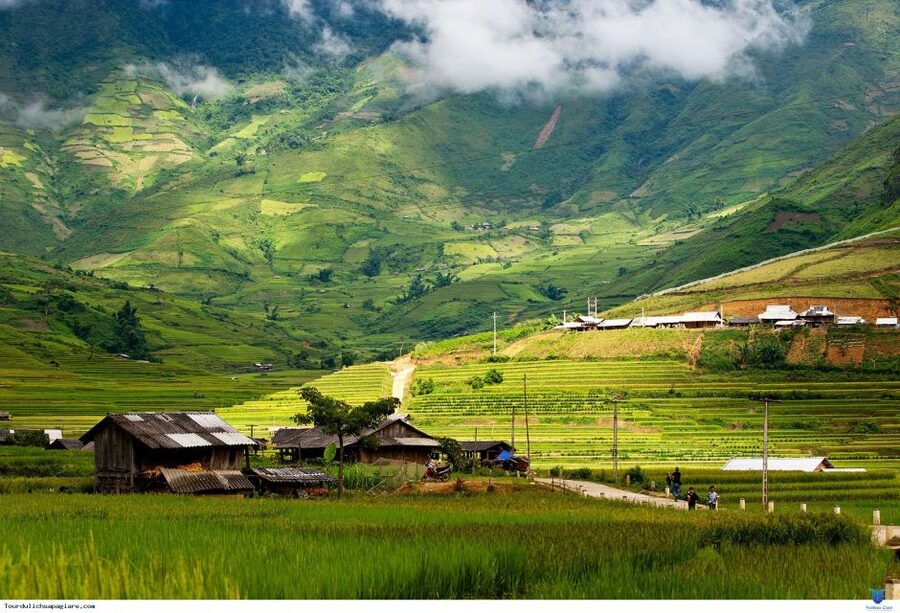
You start early. Pickup is included in Hanoi’s Old Quarter between 6:00 and 6:45am. Then you transfer to an air-conditioned sleeper bus, which turns your long travel day into an overnight-feeling drive (and many buses include features like charging ports and Wi‑Fi, based on past guest reports).
You’ll arrive in Sapa town around 12:30–13:00, where your English guide meets you and you go for lunch before the hike. That timing matters. It prevents the worst kind of trek day—arriving exhausted and starving—so you can actually enjoy the afternoon walking.
A practical note: your pickup depends on your exact Old Quarter location, and the operator confirms the exact time by email or WhatsApp after booking. Plan to be ready at least a few minutes early.
Day 1: Lao Chai and Ta Van Through Terraced Fields
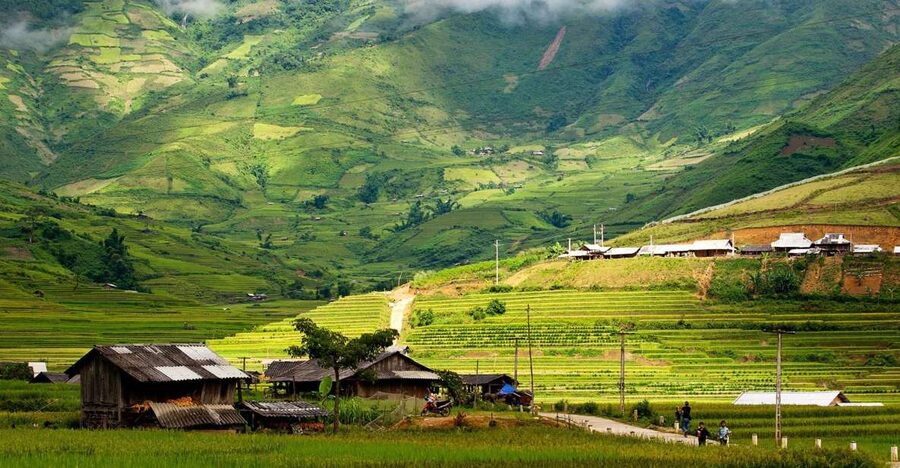
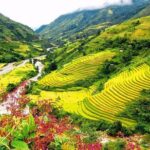
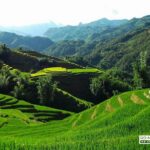
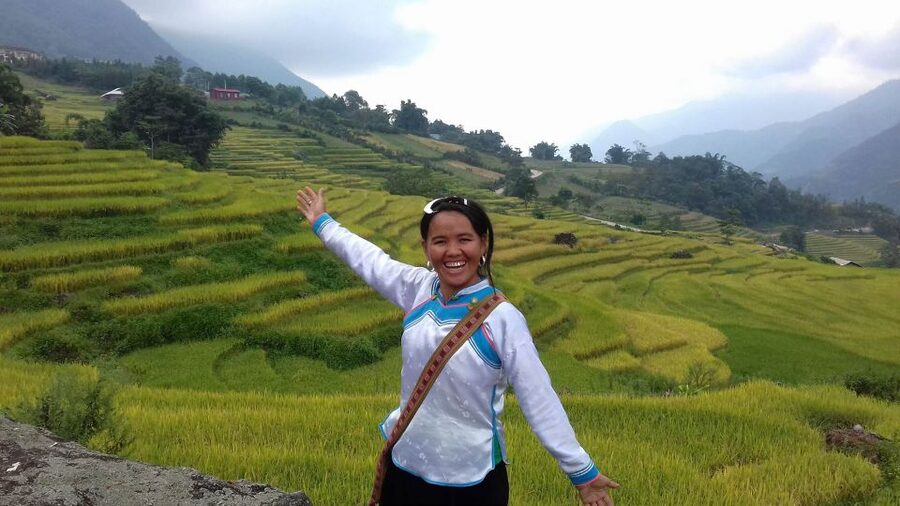
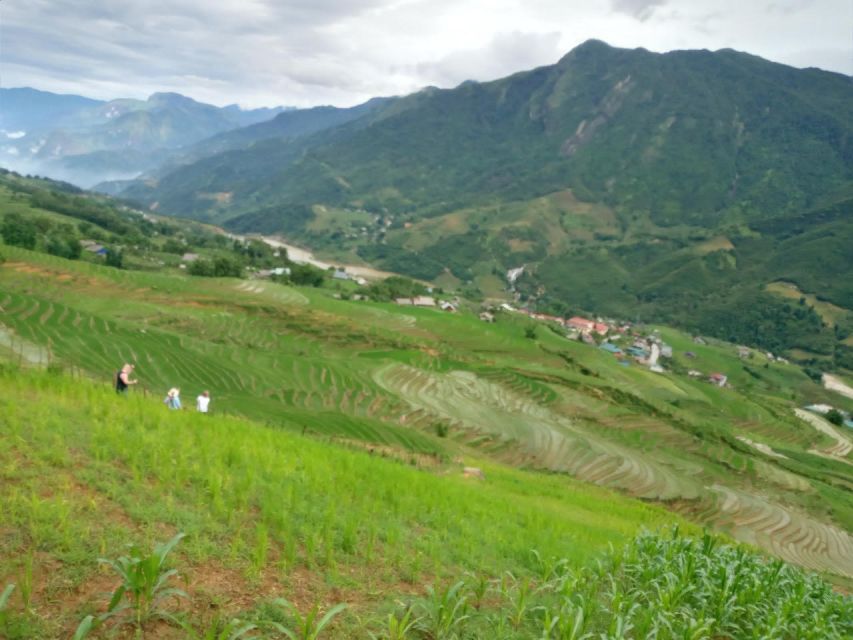
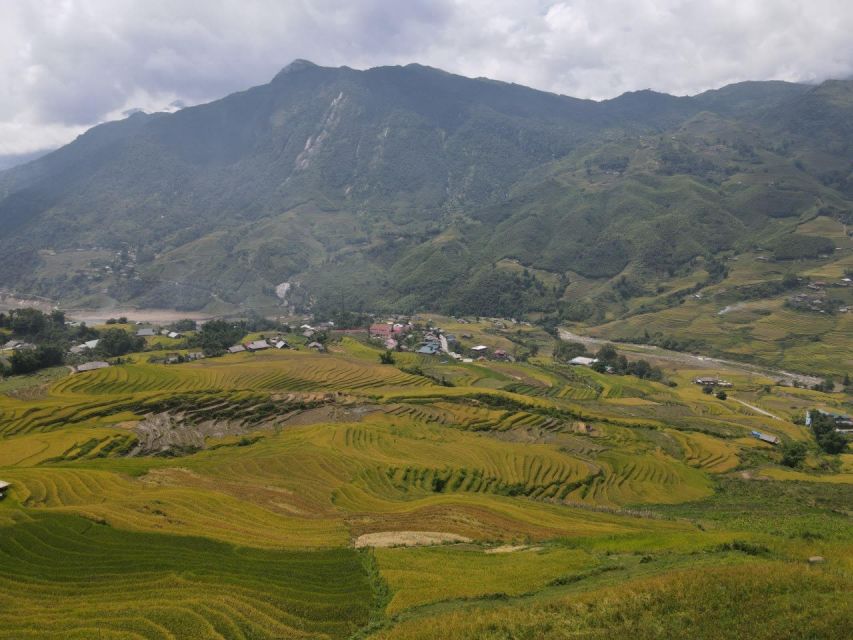
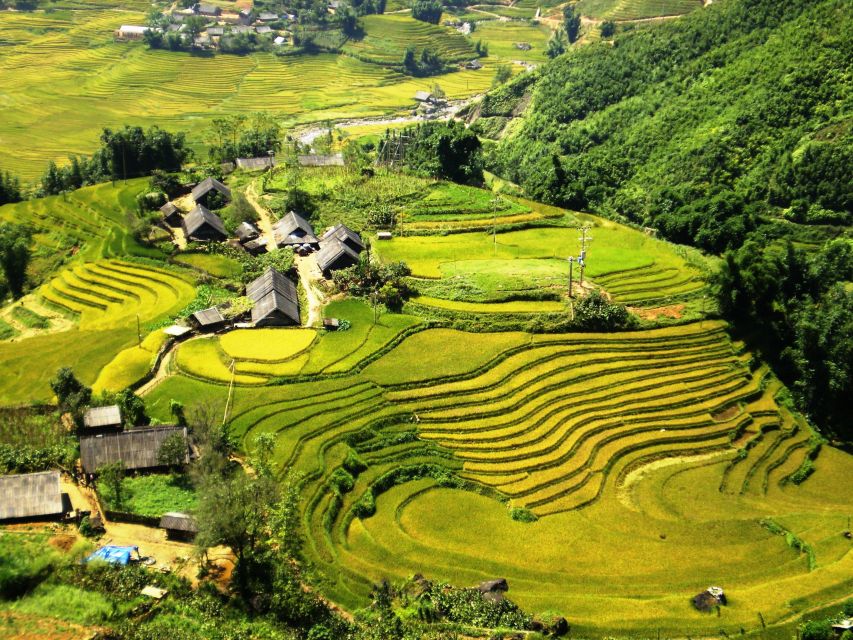
Day 1 is built around a 12-kilometer guided hike from the Sapa area through terraced rice fields, plus stretches of corn and potato fields. The route passes through villages such as Y Linh Ho, Lao Chai, and Ta Van, with plenty of moments to pause, look, and learn.
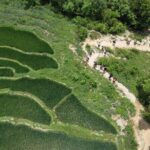
This is the heart of why Sapa fans like this trek. The terracing isn’t just pretty; it’s functional farmland shaped by steep slopes. When you walk through it with a guide, you start noticing irrigation patterns, how paths connect homes, and why the villages sit where they do.
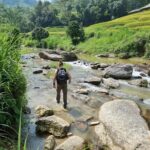
You’ll also stop at a waterfall along the way. That break is more than a photo stop. It gives your group a chance to regroup and cool off before the longer stretches of walking resume.
What can slow you down
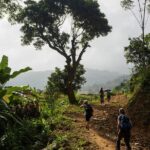
This day isn’t a stroll. Expect inclines and at least some slippery spots, especially if it rains. Trekking shoes help a lot. In past experiences, even normally cushioned city sneakers can slip on muddy clay. Bring footwear you’re willing to get dirty, and wear breathable layers.
Lunch Stops and Village Encounters Along the Way
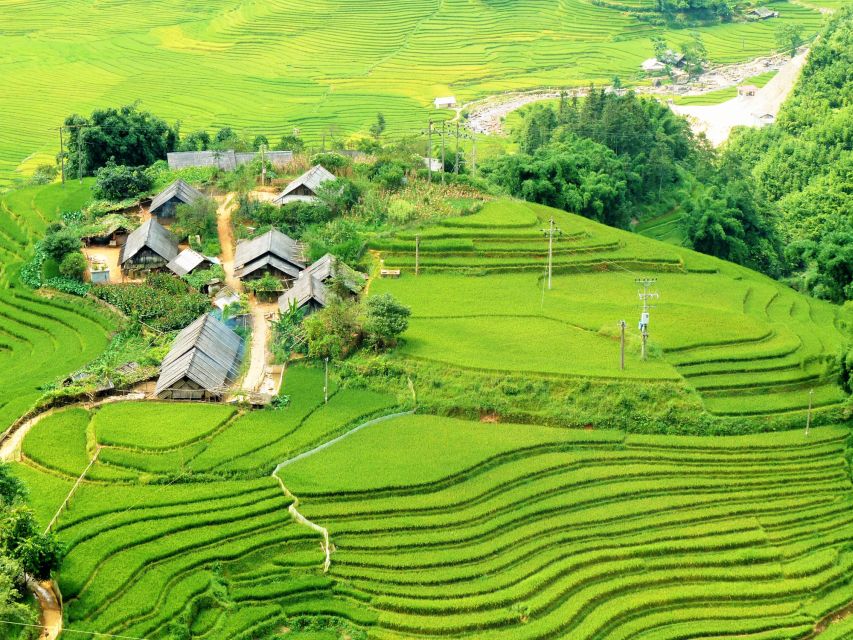
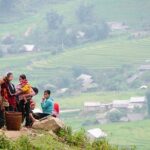
After you arrive in Sapa and meet your guide, lunch comes first—so your energy is set for the afternoon. Then, as you hike, you’re moving through farmland and local settlements where you may see H’Mong community life and learn about daily customs.
Even if you do not speak much Vietnamese, the guide support helps you make sense of what you’re seeing. The important thing isn’t memorizing names—it’s understanding why terraces exist, how farming shapes daily routines, and how the villages are connected by footpaths.


Arriving at the Homestay: What the Night Really Feels Like
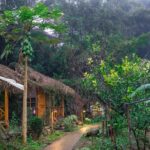
You finish Day 1 at your host’s home and are welcomed like family. In many runs, your host home is associated with names you might hear like Mama Zuzu. The evening is typically relaxed but social, and it’s where this trip earns its reputation.
Dinner can be a hands-on moment. Some groups help with dinner prep—more than just standing around. You learn local dishes, share stories with your host, and then settle in.
Then comes the practical part: shared bathroom arrangements are part of the experience. The idea is to keep things authentic and simple, but you should be mentally prepared. If you’re used to western-style private bathrooms, treat this as a rustic cultural swap, not a hotel night.
Comfort details that matter
From past guest accounts, homestays often have fans, and showers can run hot. Some hosts have provided items like towels and basic toiletries. Beds can be firmer than you expect—easy to solve with a flexible mindset and the layers you brought.
Dinner, Happy Water, and Karaoke: The Social Side of Rural Sapa
After the hike, the evening isn’t just food—it’s bonding. Many groups share drinks like happy water if the host offers it, and karaoke sometimes appears as part of the fun. That might sound wild, but it fits the setting: after a hard day outside, laughter is how the family and guests connect.
Meals tend to be plentiful and cooked at home. If you have dietary needs, don’t assume everything is automatically adjustable. Still, there are cases where vegetarian or even vegan guests have been accommodated. The best approach is to message your organizer ahead of time with your needs so the host can plan.
Day 2: Ta Van Options, Bamboo Forest, and Early Breakfast Cooking
Day 2 starts early with breakfast cooking with your host. This is one of the best “small but meaningful” parts of the whole itinerary. It turns the morning from just getting fed into a cultural moment—learning a bit of routine and taste while you still have fresh energy.
After breakfast, you pick between two hiking directions:
- keep going toward further villages
- or head for a bamboo forest hike
There’s also a chance—depending on season—to see field activity where you might try harvesting, planting, or caring for plants. Even if you don’t do heavy work, watching hands in motion helps you understand Sapa as farmland first, scenery second.
How difficult is Day 2
Day 2 is often described as easy to medium compared with the first day, but “easy” doesn’t mean flat. You’ll still walk on uneven ground and deal with trail conditions. If you’re coming right off steep climbs from Day 1, pace yourself and keep your steps stable.
Lunch Back in the Routine and Time to Explore Sapa Town
After the second hike, you return and have lunch at a local restaurant. Then you get free time in Sapa town. You can visit the market and wander around on your own before heading back to Hanoi.
This is the day’s pressure valve. You get a real walking day, but you also get downtime to reset. If you like buying small souvenirs or snacks, this is the time. If you’d rather just sit and people-watch, you can do that too.
Getting Back to Hanoi: The Comfortable End of a Long Day
You board the sleeper bus again at 15:00, then return to Hanoi Old Quarter around 21:30–22:00.
That schedule is useful. It means you’re not losing the entire next day to travel. You also get a smooth transition from mountain time back into city plans and dinner.
Bring a charged smartphone. If your bus setup includes Wi‑Fi and charging ports, it’s a nice bonus, but you should still plan for spotty connectivity.
Price and Value: Is $71 a Good Deal?
At $71 per person for a 2-day trip, the value comes from what’s included—not what isn’t.
You’re getting:
- hotel pickup in Old Quarter
- air-conditioned sleeper bus transport both ways
- an English guide
- entrance fee
- two guided hikes
- homestay overnight
- cooking with the host
- meals: 1 dinner + 2 lunches + 1 breakfast
- drop-off back in Old Quarter
If you tried to build this yourself, you’d likely pay separately for transport, a guide, and the homestay, and the meal situation would be harder to line up. Here, the package removes the friction.
What you should watch for is your personal fit. If you hate uneven ground, shared bathroom setups, or cold-weather trekking, the “good deal” can turn into a bad day. The price is fair for the structure you’re buying.
Packing List That Actually Helps on the Trail
This trek is the kind where the wrong shoes turn everything annoying.
Bring:
- change of clothes (you’ll get dirty)
- drinks and water
- jacket for cooler mountain air
- breathable layers
- trekking shoes or sports shoes with grip
- outdoor clothing that can get stained
- cash
- charged smartphone
- a pen (useful for forms if they ask)
- a small pack you can handle while walking
Also bring a mindset: you’re walking through rural areas, so being prepared for mud and rain is part of the experience.
Cultural Notes and the Souvenir Reality on the Hike
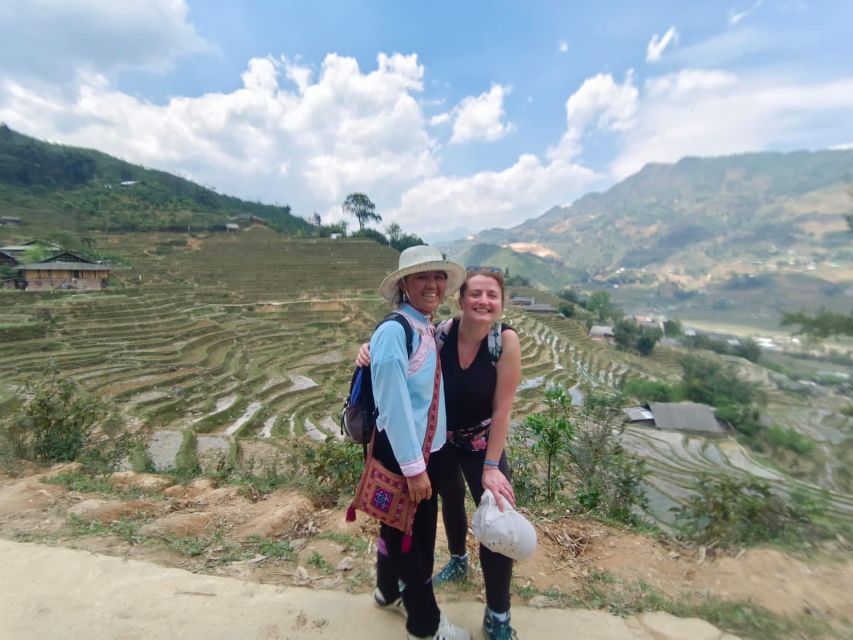
You may be approached by villagers during the walk. Sometimes people join you briefly, help guide you through steep parts, or walk alongside the group. At the end, they may ask you to buy small items like bracelets or scarves.
This isn’t automatically rude. It’s often how villagers connect with visitors and earn a little income. The key for you is clarity: you can say no politely, and you may need to repeat it a few times. If you want to avoid awkward moments, decide ahead of time whether you plan to buy anything.
Who Should Book This Sapa Trek (and Who Should Skip It)
This trip is best for you if:
- you want real village time and homestay meals
- you can handle a guided hike with steep sections and muddy trails
- you enjoy small group travel and conversation with the host family
- you like the idea of cooking and eating what you help make
Skip it if you:
- have back or heart problems
- need wheelchair access
- are pregnant
- travel with children under 8
- expect a low-impact stroll
- have weight limits over 100 kg (220 lbs) or age over 70, based on the tour’s stated limits
Should You Book This 2-Day Sapa Homestay Trek?
Book it if you want Sapa that feels lived-in: terraced farmland, village paths to Lao Chai and Ta Van, and a homestay night where you cook with your host. The itinerary has a clear rhythm—bus, lunch, hike, waterfall break, homestay dinner, then a second-day choice that can include the bamboo forest.
Skip it if you need hotel-level comfort, private bathrooms, and totally predictable footing. The trail is the main trade-off. If you go prepared with good shoes and flexible expectations, it’s one of the more satisfying ways to experience Sapa for two days.
FAQ
What time is pickup from Hanoi’s Old Quarter?
Pickup is included from Hanoi’s Old Quarter between 6:00 and 6:45am, and the exact pickup time is confirmed after booking.
How do you get to Sapa from Hanoi?
You travel by air-conditioned sleeper bus from Hanoi. The guide meets you in Sapa town after arrival.
Where does the main day 1 hike go?
Day 1 is a guided 12-kilometer hike that passes through rural villages such as Y Linh Ho, Lao Chai, and Ta Van.
Is there a waterfall stop during the trek?
Yes. There is time to take a break at a waterfall during the Day 1 hike.
What meals are included?
Meals included are 1 dinner, 2 lunches, and 1 breakfast.
Will I share bathroom facilities at the homestay?
Yes. The experience notes that you share the bathroom setup as locals do.
What hiking options do you have on day 2?
On Day 2 you can choose between hiking to further villages or taking a second hike to a bamboo forest.
What should I bring for the trek?
Bring change of clothes, water and drinks, a jacket, breathable clothing, trekking shoes/sports shoes, cash, and any outdoor clothing that can get dirty.
Is the guide English-speaking?
Yes. The host or greeter is listed as having English.
What time do you return to Hanoi?
You get back on the sleeper bus at 15:00 and arrive in Hanoi’s Old Quarter around 21:30 to 22:00.