REVIEW · SHARM EL SHEIKH
From Sharm: Mount Moses Trekking, Sunrise & Monastery Visit
Book on GetYourGuide →Operated by OceanAir Egypt · Bookable on GetYourGuide
Cold night steps, then a mind-blowing sunrise.
This Mount Moses trip strings together the spiritual pull of Sinai with a real physical challenge, and the payoff is sunrise from the summit before you head to St Catherine’s Monastery. I love that the hike isn’t just sightseeing; it’s a full night trek with Egyptologist guidance, then hands-on Bedouin support as you get higher.
What I really like here is the way the guides manage the climb. Bedouin guides like Jimmy and Mohammad (names vary by group) help you keep your footing and pace, especially around the final steep sections. I also like the monastery stop for its tangible details: the library’s old manuscripts and the museum material tied to early Christian heritage, plus the church associated with the burning bush area.
The main drawback to plan for is the timing and discomfort. Pickup can be late (often between 8:00 PM and 9:00 PM), groups can feel crowded during the early pickup/transfer, and it gets seriously cold and windy up high, so you need real winter layers.
In This Review
- Key highlights to know before you go
- Mount Moses and Mount Sinai: what this trek is really about
- Pickup in Sharm El Sheikh and the long drive to the start point
- The climb to 2,285 meters: 750 steps, uneven ground, and your real pace
- Gear you’ll be grateful for
- Summit waiting: sunrise timing, wind chill, and photo moments
- Coming down: it’s faster, but your legs will still complain
- St Catherine’s Monastery: where you slow down after the hike
- Money, water, toilets, and snacks: what’s included and what isn’t
- Who should book this Mount Moses trek, and who should skip it
- Price and value: is $50 a good deal?
- Tips to make sunrise more comfortable and the hike more doable
- Should you book this Mount Moses Trekking, Sunrise & Monastery Visit?
- FAQ
- What time do they pick me up in Sharm El Sheikh?
- How long is the transfer to Mount Sinai?
- How high do you climb on the trek?
- How long does the hike take?
- Is a camel included in the trek?
- What’s the temperature like at the summit?
- What should I bring?
- Are there toilets during the tour?
- When is St Catherine’s Monastery closed?
- Which languages are available for the tour guide?
Key highlights to know before you go
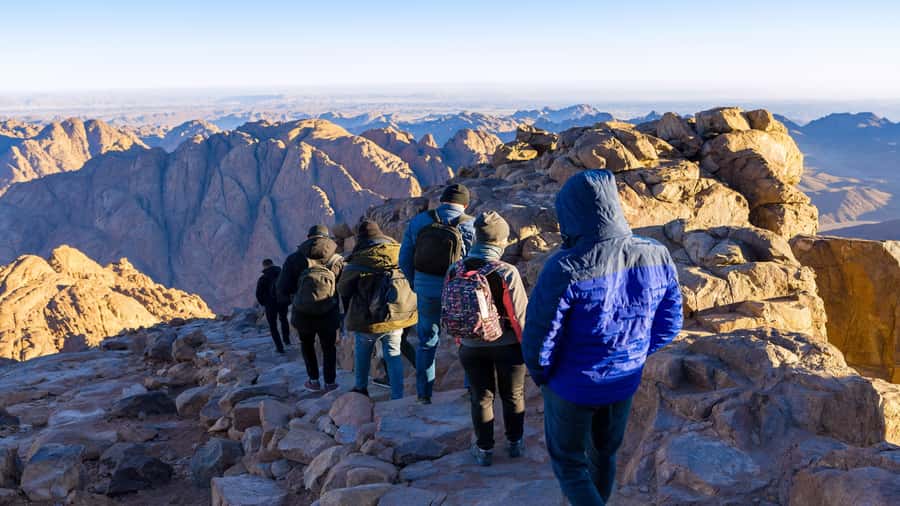
- Sunrise is the point: you hike in the dark, then wait at the summit for the sky to change slowly.
- Two-guide setup: an Egyptologist guide handles the main narrative, then Bedouin guides take over for the trekking.
- 750 steps at altitude: you climb to about 2,285 meters via a steep, step-heavy final push.
- UNESCO monastery next: St Catherine’s is older than most church museums you’ve seen, with manuscripts and icons.
- Cash matters more than you think: snacks, hot drinks, blankets, and basic toilet stops can cost extra.
- Cold is not a maybe: bring warm layers even if Sharm feels mild at night.
Mount Moses and Mount Sinai: what this trek is really about
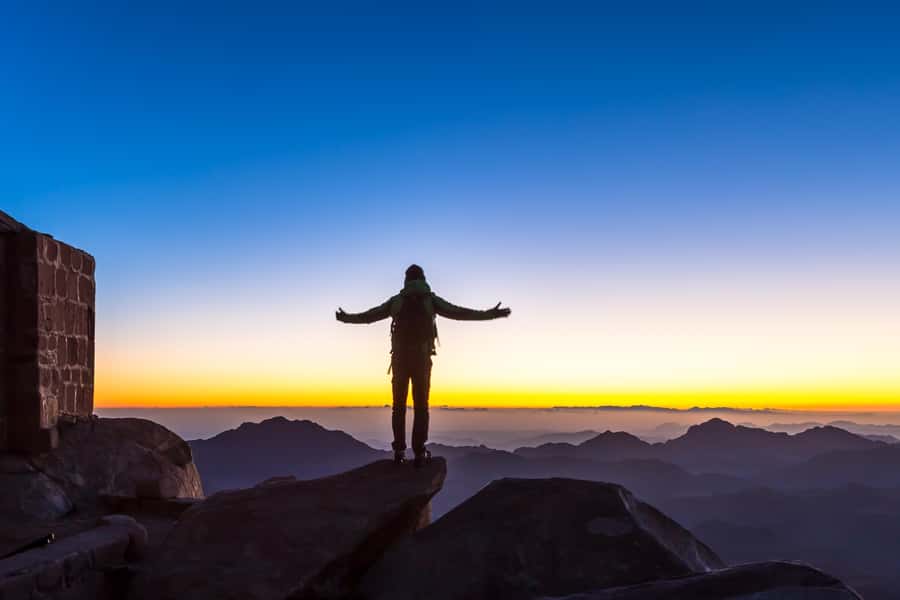
Mount Moses (people also call it Mount Sinai) is one of those places where the setting does half the storytelling for you. You’ll start the night drive from Sharm El Sheikh, then hike toward the sacred point associated with Moses and the Ten Commandments tradition. Even if you’re not chasing the religious angle, the experience is physical, visual, and surprisingly personal.
The monastery side matters too. St Catherine’s Monastery is a living religious site on the Sinai Peninsula, and part of the value is that you’re not just walking past buildings. You’re meant to slow down for the library and museum displays, including old manuscripts and icon collections tied to early Christian history.
So think of this as one long day split into two very different modes: night climbing and morning reflection.
Pickup in Sharm El Sheikh and the long drive to the start point
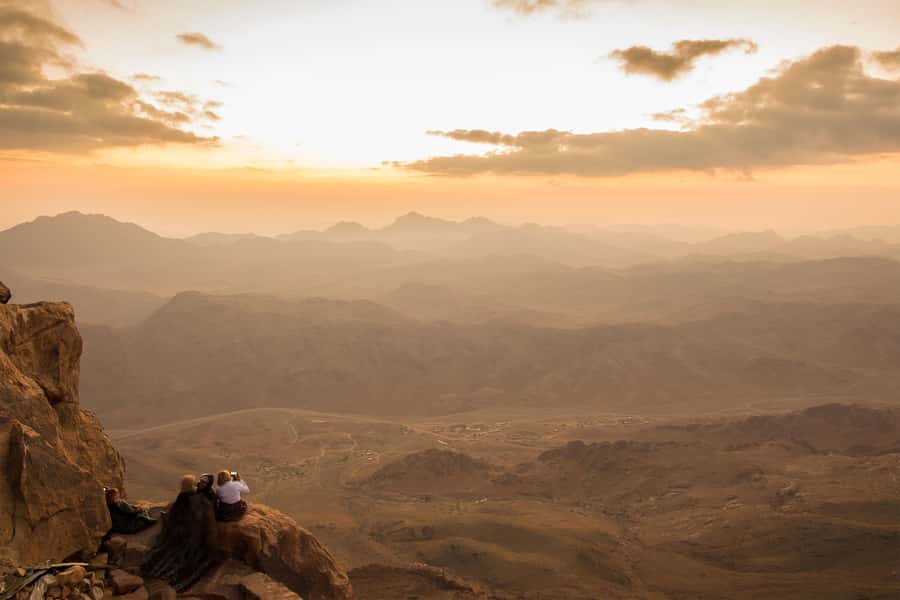
The tour starts late. You’ll be picked up from your Sharm El Sheikh hotel area between 8:00 PM and 9:00 PM, not from the reception desk. Then you’re transferred by air-conditioned vehicle for about four hours to the Moses Mountain area.
A practical note: your group might do multiple hotel stops first, and the early portion of the trip can feel slow and cramped. In one case, a small vehicle was crowded before the group moved to a larger coach. If you’re sensitive to waiting or uncomfortable seats, plan to settle in mentally before the mountain part begins.
You’re also dealing with the real-world stuff of travel into sensitive areas. Total duration can stretch a bit depending on security checkpoints on the way back and forth, so don’t plan anything tight the next morning besides rest.
The climb to 2,285 meters: 750 steps, uneven ground, and your real pace
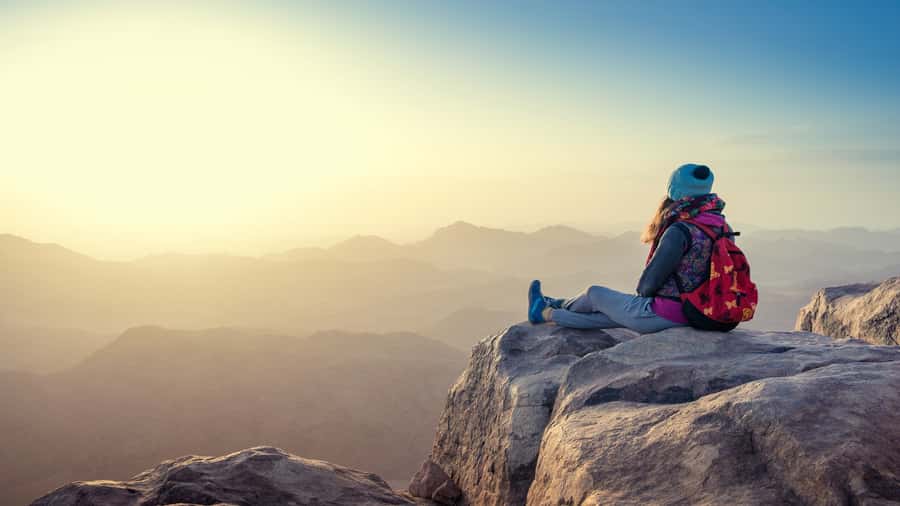
Once you reach Mount Sinai, you start the trek at night. You’re climbing to around 2,285 meters by tackling roughly 750 steps, after which you’re up near the summit area. The uphill portion typically takes about 2–3 hours, depending on your group’s pace and how you handle the uneven ground.
Two things help you understand the effort level:
- The hike is not just distance. It’s steep, rocky, and made for careful footwork.
- You’ll feel it more because you start at night. Even with short breaks, your body burns energy staying steady in the dark.
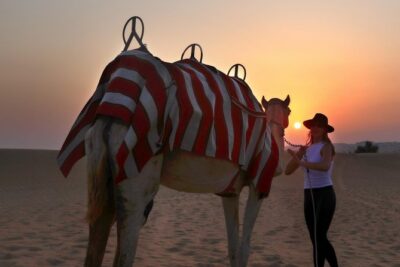
You may also notice camel traffic. The trail can feel crowded and noisy, and you’ll have to give camels space. The activity provider doesn’t recommend camel trekking as the main strategy, but camels may be available for the first part of the route up to the steps. A lot of people use that option as a “start-of-hike assistant,” not as a full solution.
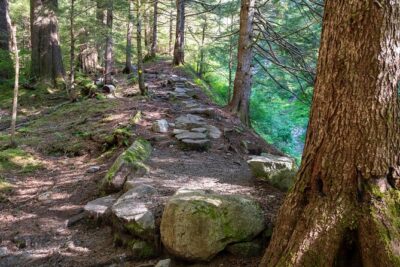
Also keep expectations grounded about the step section. The “steps” are often uneven stone-like steps, not a smooth staircase. Reviews highlight that this last section can feel worse than the long walk before it. If you’re deciding whether you can do it, the last push is the one you should judge yourself by.
Gear you’ll be grateful for
- Hiking shoes with grip (not sandals, not flip-flops)
- Warm layers that cut wind (it can be colder than you expect at the summit)
- Something for your head/face against cold wind
- A flashlight or headlamp is a smart idea since you’re hiking at night
Even if your guide provides lights in some cases, don’t count on it. Bring your own and you’ll feel calmer when the dark gets serious.
Summit waiting: sunrise timing, wind chill, and photo moments
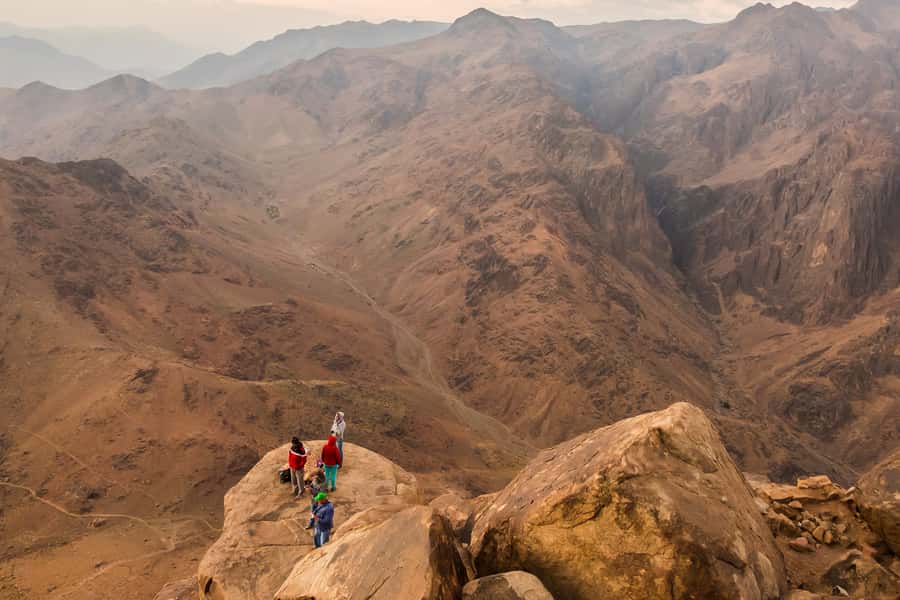
This is the emotional payoff. Depending on group speed and conditions, you may arrive earlier than expected, giving you a chance to rest and watch the sky transition slowly from dark to first light. People describe it as magical in a very straightforward way: you wait together, the horizon brightens, then the mountains look new.
But the summit has a catch. It can be extremely cold and windy, especially in winter months. I’d treat the cold as a certainty, not a rumor. Reviews report summit temperatures around -2°C, with some people seeing even colder ranges later on. Your job is to stay warm enough that you can actually enjoy the sunrise instead of just surviving it.
Warm drinks and a blanket rental can help a lot while you wait. You might see blanket rental at the top for a fee, and it’s often a quick comfort upgrade for people who brought decent layers but underestimated wind chill.
If you’re serious about photos, aim to find a spot without rushing. Sunrise doesn’t happen instantly; it unfolds in stages. Give yourself time to reposition, check the horizon, and let your camera adapt to cold hands.
Coming down: it’s faster, but your legs will still complain
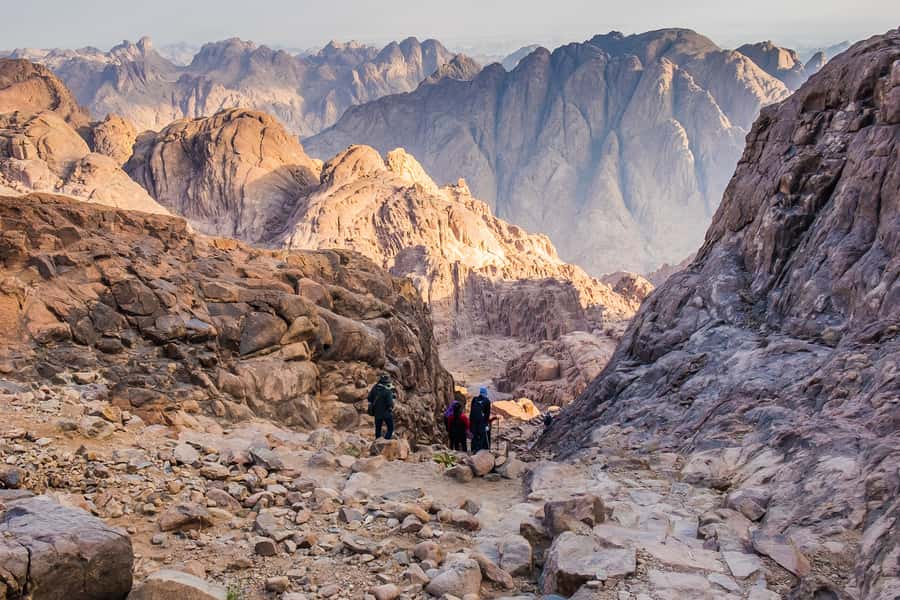
The descent typically takes about 2 hours back to the bottom. Going down usually feels easier than going up, but the tricky part is that your legs have already been working all night. Uneven stones can still mess with your balance, especially when you’re tired and focused on getting back.
This is where the Bedouin guides matter. They keep an eye on safety and help you manage the flow of people on a crowded route. If you have any knee or ankle limits, the descent is the time to take it slow and stop when needed.
Once you’re down, you’ll rest and then have breakfast. Breakfast is via a breakfast box that must be pre-ordered from your hotel and collected before the tour starts. If your hotel says they don’t know, double-check early. You don’t want to arrive exhausted and realize you forgot the breakfast box plan.
St Catherine’s Monastery: where you slow down after the hike
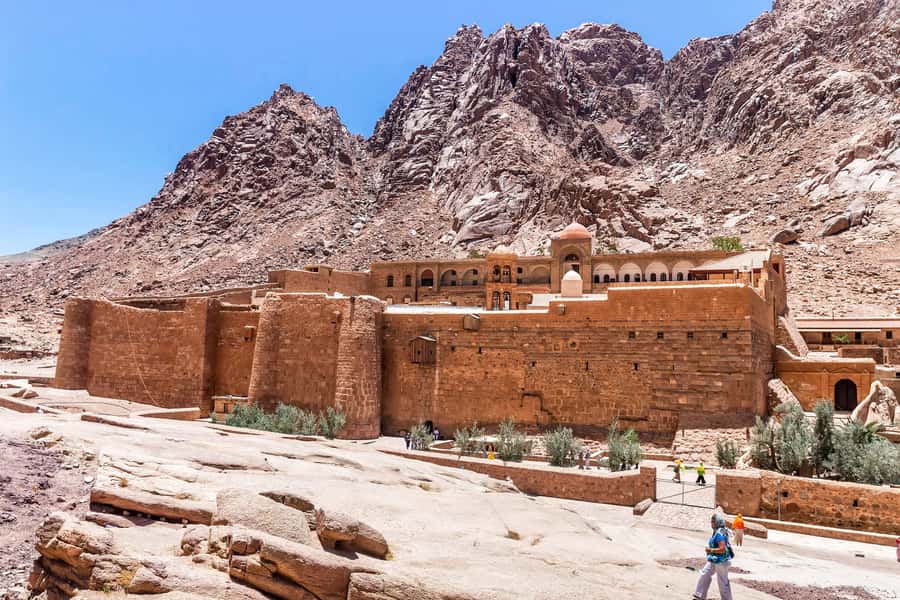
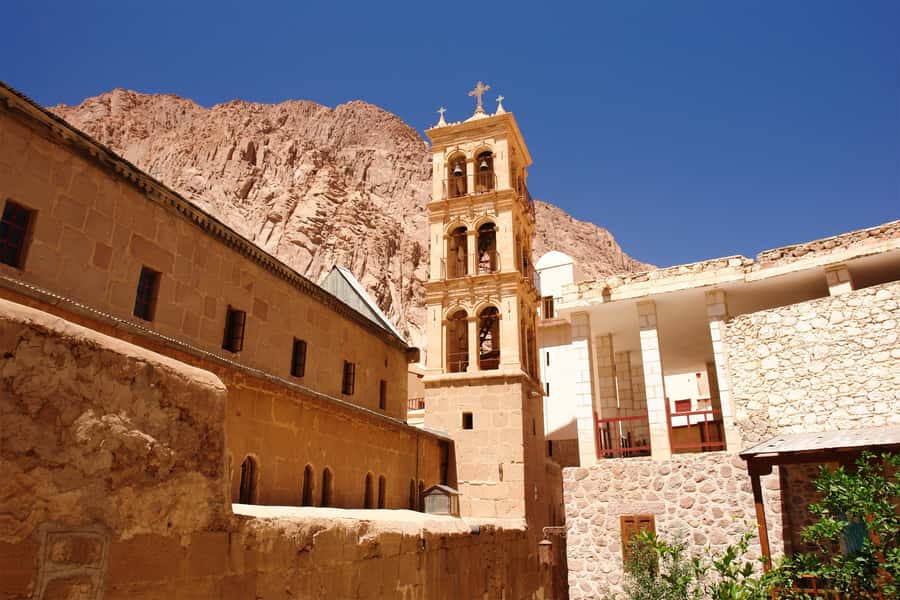
After the climb, you’ll head to St Catherine’s Monastery, a UNESCO World Heritage Site. This is one of the most meaningful parts of the day because it’s not built for your adrenaline level. It’s built for quiet, reading, and looking closely.
The tour includes time to explore:
- The library with old manuscripts displayed
- Museum-style exhibits with icons tied to early church heritage (including references to icons excavated from the Vatican)
- A 6th-century church located by the side of the burning bush area
Some parts can feel rushed depending on your pace and how tired you are, and the monastery visit may be shorter than you’d like if you fall into the “I want to read everything” mode. If you care about details, stay aware that you’ll likely have a set schedule to keep.
Also note the monastery is not open every day. It’s open every day except Sunday and Christian holidays, with a list of specific dates given for certain months. If you’re planning in advance, check the calendar for your travel dates so you don’t show up on a closed day and lose part of the experience.
Money, water, toilets, and snacks: what’s included and what isn’t
The tour includes water, but it doesn’t include extra drinks. On the trail, you’ll find chances to buy hot drinks and snacks at stops. Reviews also mention that simple toilet stops can cost extra, and the toilets themselves are basic.
Here’s the smart approach: bring small cash and plan for it. Many people report that US dollars and euros get accepted in places during the trip, but small bills are easiest. You’ll also want some Egyptian pounds for the small costs that pop up along the way.
Toilets on a mountain are not like a cafe restroom. Keep tissues or wipes in your day bag. Cold weather also makes you use the facilities less, then suddenly you’re glad you prepared.
If you rent a blanket at the top, count that as a comfort cost. It can turn summit waiting from miserable to tolerable, and tolerable to actually enjoyable.
Who should book this Mount Moses trek, and who should skip it
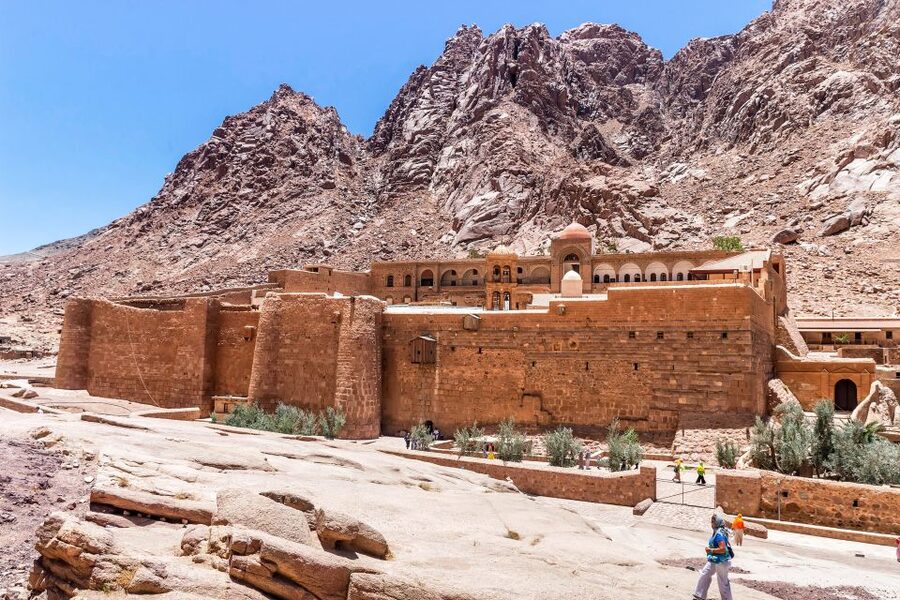
This isn’t a laid-back stroll. The tour is not suitable for people who are elderly, have shortness of breath, or bone pain. It’s also not suitable for:
- Children under 14
- Pregnant women
- Wheelchair users
If you can hike uphill for a tough few hours at night, you’ll likely be fine. If your fitness is average, you’ll still probably manage, but you’ll want the right shoes, slow pacing, and real warmth.
This tour also fits people who like authentic places with meaning, even if their belief system is different from the tradition they’re visiting. You’re not doing a “theme park version” of Sinai. You’re participating in a real ritual of movement and then a real sacred site.
Price and value: is $50 a good deal?
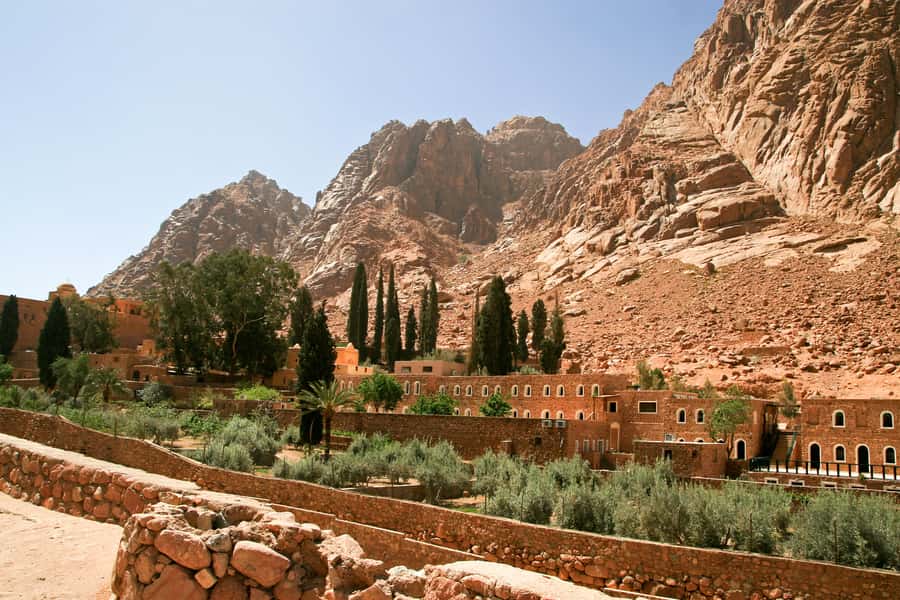
At $50 per person, the value is mostly in the long, guided experience. You’re paying for pickup and drop-off from Sharm, a clean air-conditioned vehicle, an Egyptologist tour guide, Bedouin guidance for the trekking, the water included, and a full schedule that strings together sunrise summit time and St Catherine’s Monastery.
The extras are where the budget can quietly expand:
- Extra drinks
- Snacks
- Toilet fees (if charged at stops)
- Blanket or other rentals
- Any personal expenses
So here’s the honest math mindset: the base price covers the structure. Your total cost depends on how much comfort help you need on the summit and how you handle trail purchases.
If you’re budgeting, I’d plan to bring enough cash to cover small costs without stress.
Tips to make sunrise more comfortable and the hike more doable
If you want the best version of this day, focus on comfort and timing.
- Dress like it’s winter. The summit can be brutally cold and windy. Bring layers you can stack and a windproof outer layer.
- Use good footwear and walk slow. The steep sections reward patience. The last stretch can feel rough even when the earlier hiking feels manageable.
- Bring cash for small costs. For blankets, toilets, and snacks, small bills are helpful.
- Don’t assume you’ll control the pace completely. Some groups move quickly, so if you need a slower rhythm, communicate and use the breaks.
- Consider the camel option early if you need it. Camel availability may be offered only up to the steps area, and the operator doesn’t recommend it as a general strategy. Still, early assistance can make the night hike realistic for some people with limitations.
- Headlamp beats guesswork. Even if lights are provided sometimes, your own headlamp keeps you self-reliant.
Guide names show up in many groups, and it’s worth appreciating the human element here. People mention guides such as Ashrof, Amr, Ibrahim, Mahmoud, and Oman, plus Bedouin guidance during the climb. The best trips happen when you let the guides do their job: pacing, safety, and direction in the dark.
Should you book this Mount Moses Trekking, Sunrise & Monastery Visit?
If your idea of a great trip includes a serious hike, a sunrise you’ll remember for years, and a meaningful stop at St Catherine’s Monastery, then yes—you should book it. It’s good value for the hours you get, the guided support, and the combination of summit views plus UNESCO heritage.
I’d tell you to book if:
- You’re comfortable hiking uphill at night
- You can handle cold and wind
- You’re okay with basic mountain toilets and spending a little extra cash along the way
I’d tell you to skip or choose something easier if:
- You have breathing issues or bone/joint pain
- You’re not ready for wind-chill summit waiting
- You hate late pickups and long, packed transfers
This is a once-in-a-lifetime type of day, not because it’s effortless, but because it’s real. If you prepare for the cold, pace yourself for the steps, and bring cash for the small realities, you’ll get the sunrise the whole trip is chasing.
FAQ
What time do they pick me up in Sharm El Sheikh?
Pickup is scheduled between 8:00 PM and 9:00 PM, and you should wait at the main gate along the highway rather than the hotel reception area.
How long is the transfer to Mount Sinai?
The transfer takes about four hours by air-conditioned vehicle.
How high do you climb on the trek?
You reach about 2,285 meters by climbing approximately 750 steps.
How long does the hike take?
The ascent usually takes about 2 to 3 hours, and the descent takes around 2 hours.
Is a camel included in the trek?
Camel trekking is available only at the start of the trek up to the 750 steps. The activity provider does not recommend camel trekking.
What’s the temperature like at the summit?
It can be very cold and windy at the top, and the tour advises bringing warm clothing and a jacket.
What should I bring?
Bring your passport, warm clothing, hiking shoes, a jacket, comfortable clothes, and food.
Are there toilets during the tour?
There are basic toilets along the way, including during the route and on the trek.
When is St Catherine’s Monastery closed?
It opens every day except Sunday and on Christian holidays. Specific holiday dates are listed in the activity details, and the exact dates can vary.
Which languages are available for the tour guide?
The live tour guide is available in English, Russian, and Arabic.