REVIEW · STROMBOLI
Stromboli: Sunset Trekking at Sciara del Fuoco
Book on GetYourGuide →Operated by Ashàra Etna & Stromboli Guides · Bookable on GetYourGuide
Volcano fireworks start before sunset. This guided 5-hour hike on Stromboli takes you to Sciara del Fuoco to watch lava explosions while the Aeolian archipelago turns red, then guides you down at night with the gear they provide. I love the way the volcanology guides explain what you’re seeing (and how to stay safe) as the sky darkens.
One drawback: the descent is steep in the dark, and the tour runs late enough that you should plan to stay on Stromboli overnight.
In This Review
- Key things I’d highlight before you go
- Sciara del Fuoco at Sunset: what makes Stromboli so special
- Meeting Ashara in Piazza San Vincenzo and getting your gear
- The climb up to 400 meters: steep, paced, and built for viewing
- Sciara del Fuoco: sunset turns to volcanic fireworks
- The descent in the dark: steep terrain plus headlamps
- Fitness, safety, and who this tour suits best
- Price and value: is $35 worth it on Stromboli?
- What to pack (so your night hike goes smoothly)
- Should you book the Stromboli Sunset Trekking at Sciara del Fuoco?
- FAQ
- Where is the meeting point for the Stromboli sunset trek?
- How long is the tour, and what time does it start?
- What’s included with the ticket?
- What should I bring for the hike?
- Are food and drinks included?
- Are trekking shoes available to rent?
- How high do we hike during the tour?
- Does the tour include the return trip in the dark?
- Will I need to stay overnight on Stromboli?
- Is the tour canceled if conditions are unsafe?
Key things I’d highlight before you go
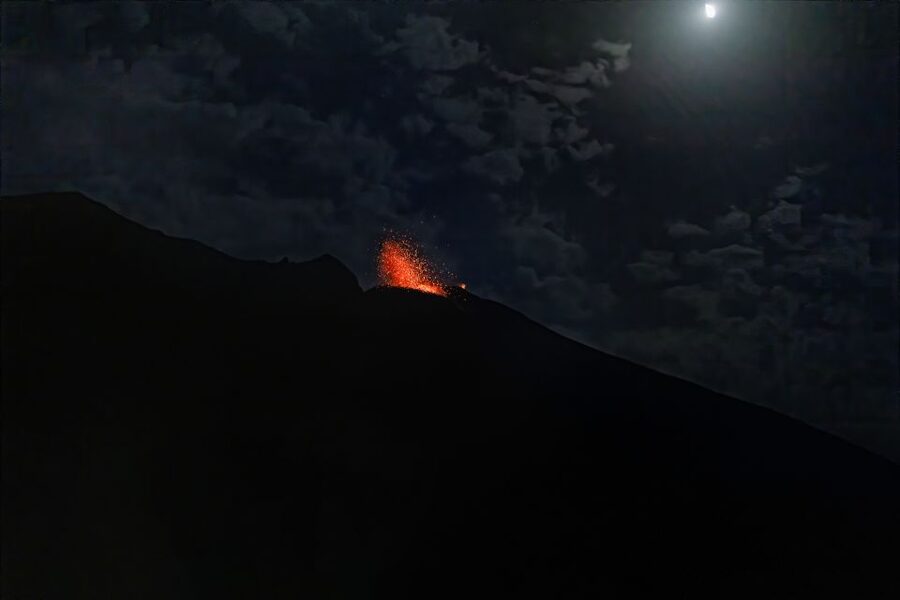
- Sciara del Fuoco at dusk: sunset views, then eruptions against a black sky
- 400-meter limit for safety: you still get the best angles without going to the closed craters
- Real guidance: volcanology-focused explanations from guides like Giuseppe, Giovanni, Federico, Nino, and Federico and Nino teams
- Night return route: headlamp gear + torches help, but you’ll need sure-footing
- Small moments: breaks with views and a stop at the old island cemetery
Sciara del Fuoco at Sunset: what makes Stromboli so special
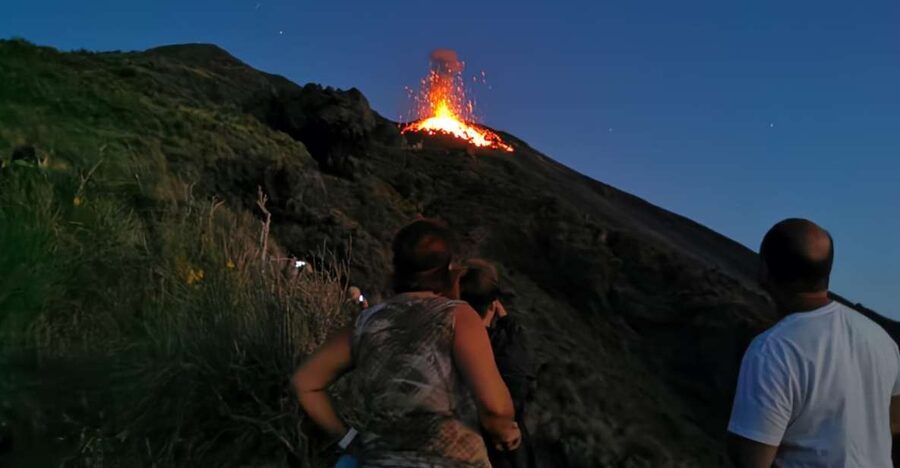
Stromboli is one of those rare places where the setting does something to your brain. You’re standing on the slopes of an active volcano in the Mediterranean, and the ocean isn’t background noise—it’s part of the show. The big thrill here is that Sciara del Fuoco is close enough (within the allowed 400-meter limit) that the eruptions feel present, not like a distant light show.
Timing is the magic trick. You start well before sunset and climb to the viewing area so you’re there when the sun drops. Then the color shift happens: islands across the Aeolians glow, and the volcano starts making its own light. In the reviews, guides are repeatedly praised for getting people to a great spot and explaining what they’re looking at—sometimes with the pace adjusted for different group needs.
The other “why this matters” detail: you aren’t just hiking for views. You’re hiking for context. Guides talk about how Stromboli behaves, what the explosions mean, and what you should notice as the night takes over.
You can also read our reviews of more tours and experiences in Stromboli.
Meeting Ashara in Piazza San Vincenzo and getting your gear
Your day begins at Ashàra Etna & Stromboli Guides’ info point, at Via Vittorio Emanuele / Piazza San Vincenzo, behind the church. You meet with your group and set the tone fast: lots of walking, real terrain, and a sunset target.
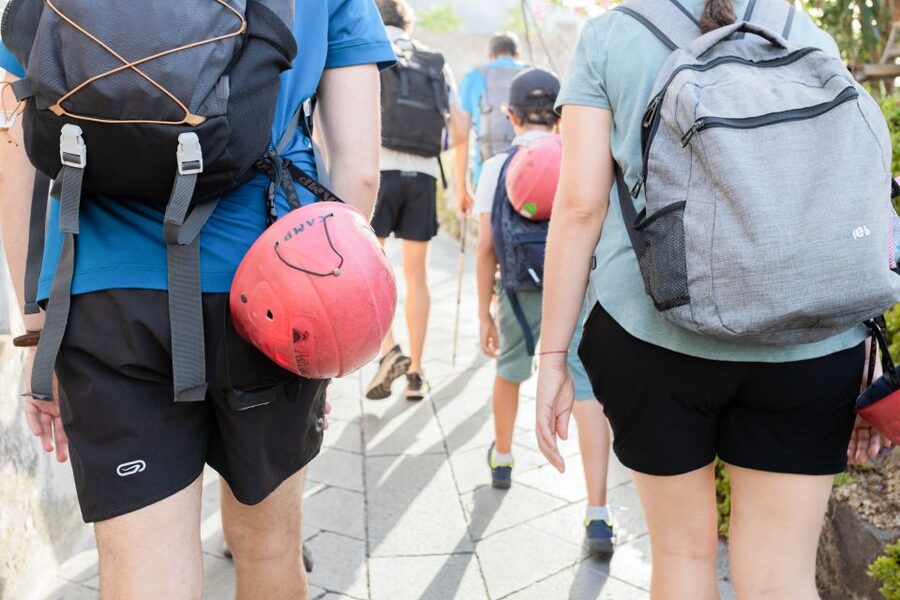
Gear is part of the deal. You’ll be given a headlamp flashlight and a rock helmet, and your volcano guide stays focused on safety from the start. Even if you’re an experienced hiker, the helmet isn’t about comfort—it’s a signal that this is an environment with rules, not just scenery.
What to bring is simple, but don’t get sloppy:
- water (you’ll want it, especially on a climb)
- snacks
- a jacket (evenings can cool down fast)
- socks and sportswear
- hiking shoes (or plan to rent)
And yes: you’ll be hiking down in the dark. That means your shoes and your socks matter more than usual. If you tend to get annoyed by dust, consider a face covering. One strong tip from earlier participants was using a mouth/nose covering to avoid volcanic dust irritation.
The climb up to 400 meters: steep, paced, and built for viewing
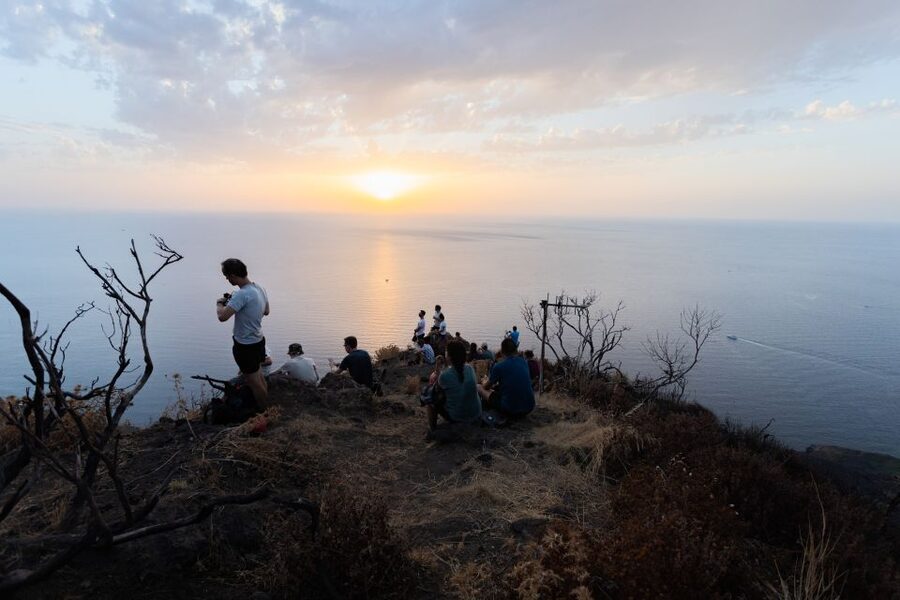
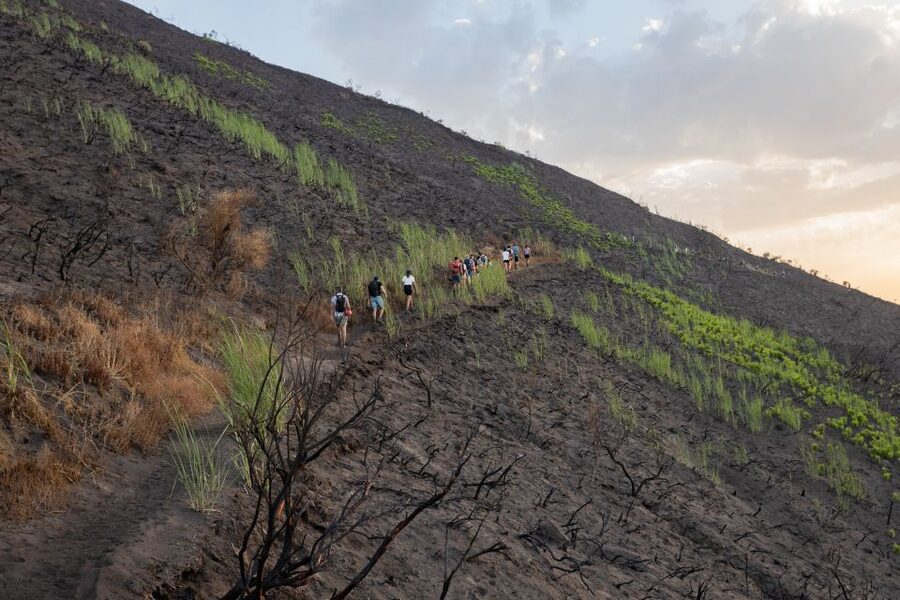
Here’s the structure that makes the tour work: you start around two hours before sunset and hike from a nature trail toward the allowed max altitude of 400 meters. That limit exists because the summit craters area is closed, so you don’t go into restricted zones. The good news is that you still reach vantage points that line up perfectly with Sciara del Fuoco.
You’ll move along a route that mixes trail segments with a more hiking-like finish near the top. Some people noted the overall uphill can feel steep, especially in the last stretch. The pacing is a big part of why this tour earns high marks: guides set a comfortable rhythm, stop for views, and keep the group together.
A few highlights that help you understand what you’re walking through:
- You’ll get multiple angles over the sea as you climb.
- You’ll keep Strombolicchio in view—this landmark rock is a constant reference point as your perspective changes.
- You’ll stop for breaks and explanations so the hike feels like part of the volcano lesson, not just cardio.
There’s also a stop at the old island cemetery. It’s one of those quiet moments that contrasts with the loud idea of a volcano. You’re reminded this island has always lived under the volcano’s shadow, with history written into daily life and the land itself.
Sciara del Fuoco: sunset turns to volcanic fireworks
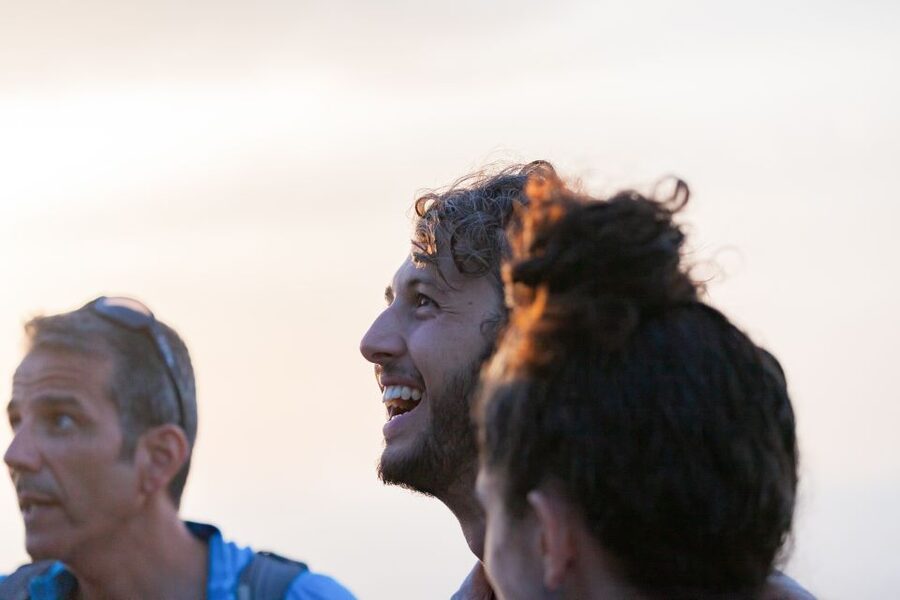
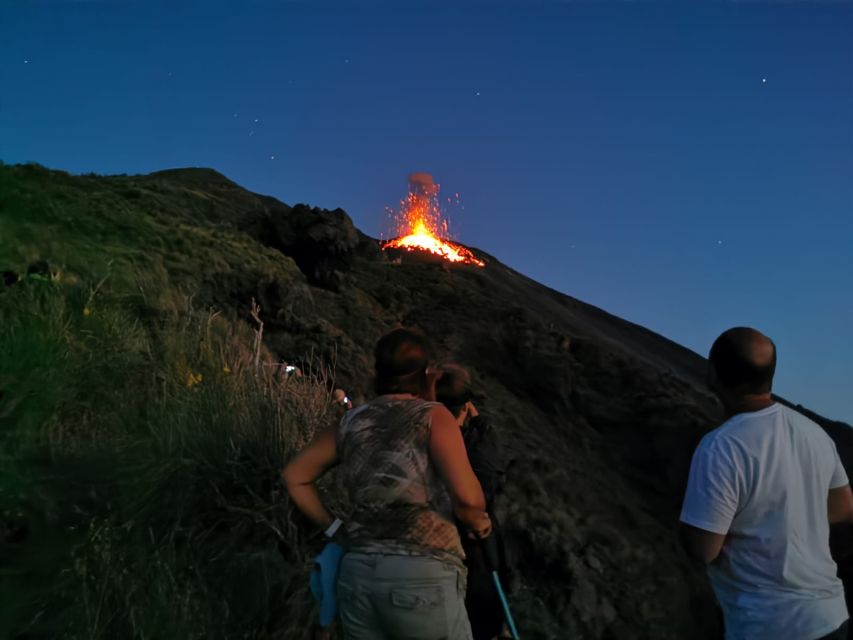
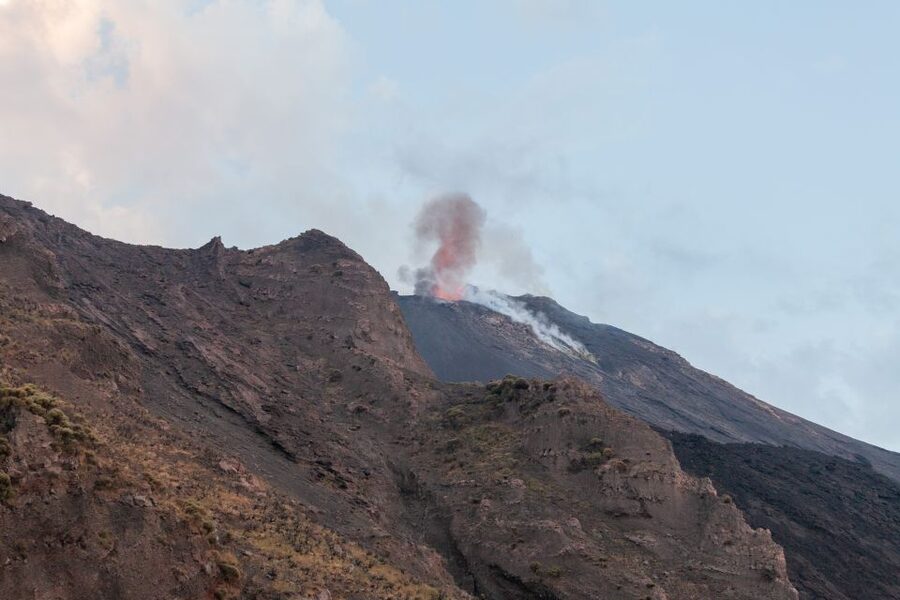
When you finally reach the Sciara del Fuoco area, the whole experience pivots. You stop thinking about steps and start watching. The sunset colors the Aeolian archipelago red, and then the volcano begins lighting up the night sky.
This is where your guide earns their pay. Earlier groups praised guides for positioning the group well so you actually see eruptions clearly and for giving just enough science to make it click. Names that came up often include Giuseppe and Giovanni, plus Federico and Nino on some departures.
What do eruptions look like from here? People describe them as impressive and frequent enough to feel like real activity—sometimes eruptions show up every 15–20 minutes during calmer periods. On clearer evenings, you can get several bursts while you’re settled and watching, not scrambling.
Important reality check: volcano viewing can’t be controlled. In one account, clouds blocked the volcano and only minimal activity was visible. If weather rolls in, your guide can adjust, shorten, or even stop the excursion if conditions, environmental issues, or volcanic risk create danger. That’s not a gimmick; it’s how you keep things safe.
Also, don’t rush the viewing time. The best moments come when you let your eyes adjust from bright sunset to dark sky and let the headlamp stay off your focus.
The descent in the dark: steep terrain plus headlamps
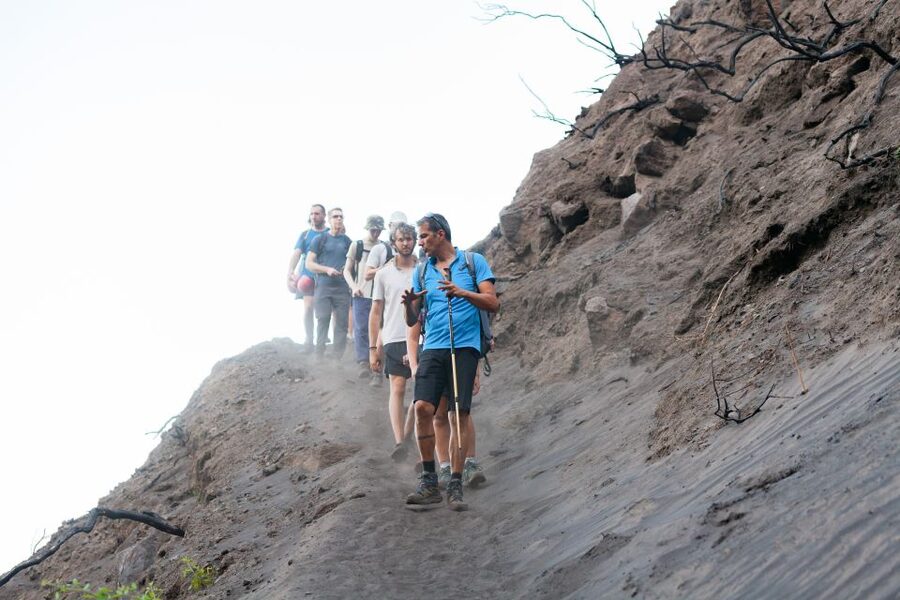
After watching eruptions for a while, it’s time to go downhill. This is the part that catches people off guard. The hike continues into dark, and you’ll be equipped with torches/headlamps, but you still need a careful mindset.
Multiple participants stressed the same point: the descent is steeper and more demanding in the dark than the climb felt like in daylight. Some described the return path as involving cobbled or stone sections, where you need to pay attention to footing and moving stones.
Here’s how to make it easier on yourself:
- Keep your pace slow and steady. Fast walking downhill is how you trip.
- Let the group stay together; don’t drift.
- Trust your headlamp, but also use your eyes to scan ahead. Light won’t fix balance.
Even with the torches, you’ll likely feel the effort. That dust-on-your-skin, slightly gritty feeling is part of the Stromboli experience. Some people ended up dusty by the end of the walk; it’s not a problem, just a reminder to bring socks you don’t mind sacrificing.
Fitness, safety, and who this tour suits best
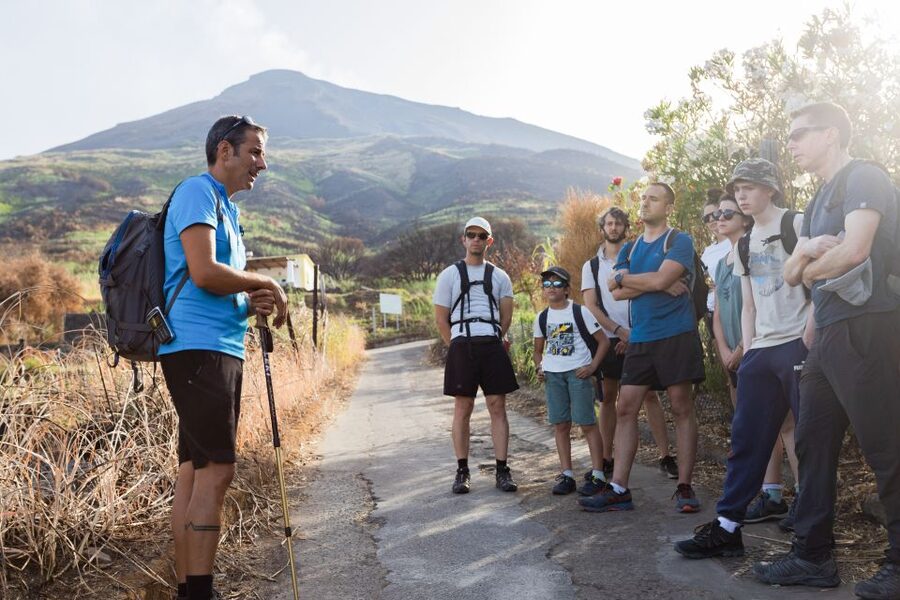
This is not a gentle stroll. It’s a 5-hour hiking experience with a climb to an area near 400 meters, followed by a dark descent. Some people described it as manageable for a mixed group, including different ages, as long as guides can set the pace and you can follow instructions.
Still, it has clear limits. It’s not suitable for:
- pregnant women
- people with back problems
- people with mobility impairments
- wheelchair users
- people with vertigo
- people with heart problems
- people with respiratory issues
If you have any doubt about your ability to walk steep terrain in low light, take that seriously. The tour is run for safety first, and the route changes at night don’t forgive hesitation.
That said, it doesn’t require extreme athlete form. It requires commitment: bring proper shoes, pack water, and accept that you’ll feel warm and a bit sweaty on the way up.
Price and value: is $35 worth it on Stromboli?
At about $35 per person for a 5-hour guided experience, the value comes down to three things you can’t easily replicate on your own:
- You’re getting a volcanology guide who helps you understand what you see at Sciara del Fuoco, not just watch lights.
- You get the right timing for sunset plus night eruptions, with a planned route that fits the 400-meter limit.
- You’re provided key safety gear like helmet and headlamp, plus the guidance needed for walking back in the dark.
Could you DIY the hike? Maybe, but the day is timed to the most dramatic moments, and the volcano viewing works best with local guidance. If you care about the science layer—what Stromboli is doing and why it matters—this tour is built for that.
Also, the price is what makes it approachable. You’re paying for access to the active-volcano experience with safety infrastructure, not just a group walk. That’s why it rates highly in overall feedback and attracts repeatable groups year after year.
What to pack (so your night hike goes smoothly)
Bring what you’ll actually need for a late evening on a volcanic slope:
- snacks
- water
- jacket
- T-shirt + shorts
- socks
- sportswear
- daypack
- hiking shoes
Trekking shoes can be rented on site if you don’t have the right pair. One practical note from earlier participants: boot rentals were reported around 8 euros. Don’t count on finding your perfect size without checking in early, but you likely won’t need to show up with a full hiking kit.
Avoid open-toed shoes and leave oversize luggage behind. This is a guided hike, not a luggage parade.
Should you book the Stromboli Sunset Trekking at Sciara del Fuoco?
If you want the real Stromboli story—sunset turning into lava-lit night—then yes, I think you should book it. This tour is strongest when you treat it like an active hike plus a volcano lesson, not just a photo stop. The combination of guide expertise, helmet and headlamp safety, and the Sciara del Fuoco viewing setup is a hard mix to beat for the money.
Book it if:
- you’re comfortable hiking uphill and walking downhill in low light
- you want eruptions with explanations, not just views
- you’re okay planning an overnight on Stromboli since the tour finishes late
Skip it (or choose a gentler option) if:
- dark steep walking sounds like a problem
- you have any of the health or mobility limits listed by the operator (vertigo, heart/respiratory issues, mobility impairments, pregnancy)
For the right person, this is the kind of experience that stays vivid long after you’ve left Sicily. Stromboli doesn’t feel like a postcard. It feels like the volcano is right there, and you’re watching it work.
FAQ
Where is the meeting point for the Stromboli sunset trek?
Meet at Ashàra Etna & Stromboli Guides’ info point in Via Vittorio Emanuele / Piazza San Vincenzo, behind the church.
How long is the tour, and what time does it start?
The duration is 5 hours, and you set off from the meeting point about two hours before sunset.
What’s included with the ticket?
You get a headlamp flashlight, a rock helmet, and a volcano guide.
What should I bring for the hike?
Bring snacks, water, hiking shoes, a jacket, and sportswear such as a T-shirt, shorts, and socks. A small daypack helps too.
Are food and drinks included?
No. Food and drink are not included.
Are trekking shoes available to rent?
Yes, trekking shoes are available for rent on site.
How high do we hike during the tour?
The tour will stop at 400 meters due to closure of the summit craters.
Does the tour include the return trip in the dark?
Yes. You’ll hike downhill at night with torches/headlamps and return to the starting point.
Will I need to stay overnight on Stromboli?
Most likely, yes. The tour finishes late in the evening, and there are no return ferry boats late at night, so you’ll need to stay on Stromboli overnight.
Is the tour canceled if conditions are unsafe?
The guide can vary or interrupt the excursion if weather, environmental conditions, or possible volcanic risk creates danger. Safety comes first.