REVIEW · KATHMANDU
Kanchenjunga Circuit Trek
Book on Viator →Operated by Mount Advenutre Holidays · Bookable on Viator
Can mountains feel remote again? This 21-day Kanchenjunga Circuit Trek in far-eastern Nepal is built for solitude, long high walks, and big Himalayan views. You’ll move through Rai and Limbu village culture, pass through rhododendron and oak forests, and work up to tough waypoints like Sele La along a route that feels less crowded than the usual trekking circuits.
I like that the trip is set up with real structure: Kathmandu hotel nights, airport transfer, an English-speaking guide, and three meals a day on trek. I also like the practical inclusions for cold trekking—your down jacket and sleeping gear are provided for the route (and refundable after), which saves money and hassle if you’re traveling light. The main consideration is the commitment: this is a long trek with high days and passes, so if you’re not comfortable with altitude and basic mountain overnight conditions, it will test you.
In This Review
- Key highlights worth caring about
- Why Kanchenjunga feels different from the usual Nepal trek
- The price question: does $3,000 buy real value here?
- What’s actually included day-to-day (and what isn’t)
- Flights into the mountains: the Kathmandu to Suketar start
- The Kanchenjunga Circuit itinerary, day by day (what each stop does for you)
- Altitude and passes: how to plan your energy so it stays enjoyable
- Wildlife, forests, and the Rai and Limbu communities you pass
- Packing and comforts: down jacket, sleeping gear, and cold night reality
- Who should book this Kanchenjunga Circuit trek
- The guide matters: local English-speaking leadership and smoother decisions
- Should you book this Kanchenjunga Circuit Trek?
- FAQ
- What’s the start point and start time?
- How long is the Kanchenjunga Circuit Trek?
- What’s included in the trek price?
- What about a porter?
- Are flights included?
- What isn’t included?
- Can I cancel and get a full refund?
Key highlights worth caring about
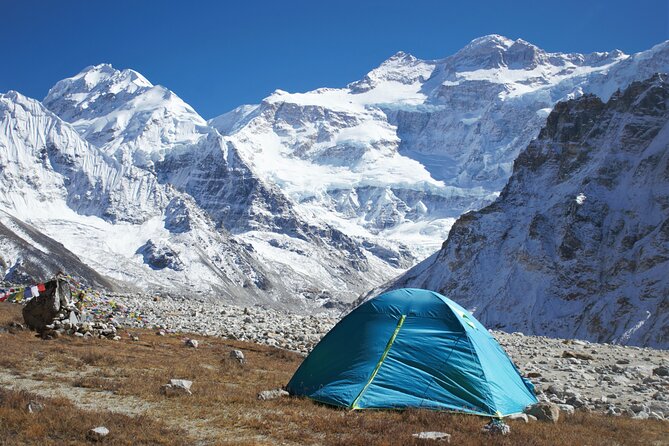
- Remote trail time: You’re not just doing a scenic walk; you’re doing a wilderness-style circuit with a low-tourism feel.
- Big-mountain focus: You get views tied to Everest and Makalu, plus a dedicated push to Pangpema base camp around 5,100m.
- Culture on the trail: Expect encounters with communities like Rai and Limbu as the route passes villages and trade paths.
- Forest-to-alpine change: The trail transitions from oak/rhododendron country to harsher, higher terrain.
- Permits and conservation covered: Kanchenjunga permit and conservation fees are included, so you’re not chasing paperwork mid-trip.
- Private setup for your group: It’s a private activity, so you won’t get shuffled with strangers.
Why Kanchenjunga feels different from the usual Nepal trek
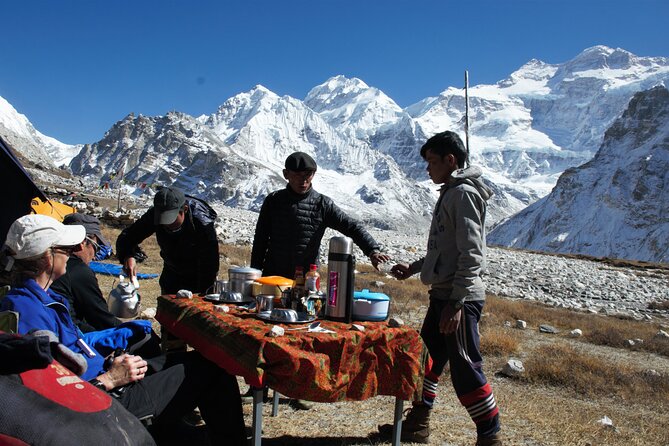
Kanchenjunga sits in Nepal’s far northeast corner, far enough that the mountains feel like they’re watching you back. The trekking region is described as a wilderness area with very limited tourism pressure. Translation: more quiet hours. Fewer tourist-style distractions. More time to just move, breathe, and take in what’s changing around you as you climb.
What really sells this itinerary is the variety. You don’t only get altitude drama. You also walk through forests and villages, then transition into steeper, higher country where the air gets thin and the views sharpen. Expect the kind of trek where you’re thinking about the day’s pass or base-camp day—then you crest and realize the trail was only half the story.
Wildlife is part of the appeal too. You might spot things like snow leopards, mask deer, and many bird species. You won’t control your luck, but knowing the region supports these animals helps you stay alert in the early morning light.
You can also read our reviews of more tours and experiences in Kathmandu.



The price question: does $3,000 buy real value here?
At $3,000 per person for a ~21-day trek, you’re paying for more than a guide’s time. This price includes key cost drivers that add up fast on your own: Kathmandu hotel nights with breakfast, airport pickup and drop-off by private vehicle, a government-licensed English-speaking guide, and the Kanchenjunga permit and conservation fee.
It also includes logistics that trekkers usually end up piecing together themselves: a trekking map (one per person), a first aid kit, and seasonal fresh fruit during the trek. On top of that, you get three times meals during the trek, which matters in remote areas where food decisions can turn into a daily headache.
What’s not included is also important for your budget planning. International airfare, the Nepal visa fees, travel/medical insurance, and emergency evacuation are not included. Personal expenses like drinks, desserts, extra snacks, and hot showers are on you too. A porter is available only at an extra cost, so you’ll want to decide early whether you want help with loads.
If you want a trek where the hard parts (permits, guide, daily meals, and cold-weather basics like down jacket/sleeping gear) are bundled, the value is strong. If you prefer total DIY and you already own gear and know how to handle permits, the package may feel pricier than you’d like.
What’s actually included day-to-day (and what isn’t)
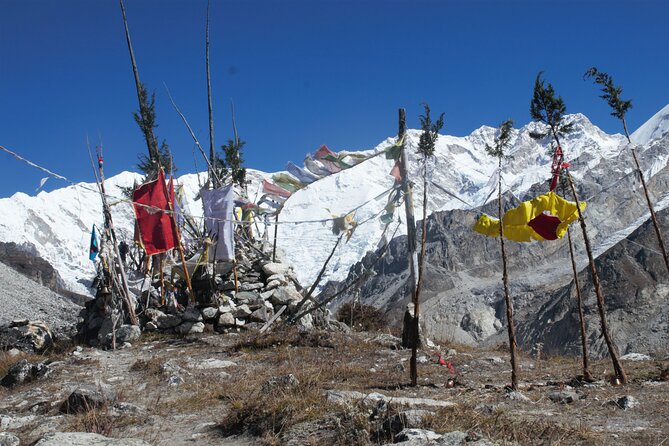
This trek is built like a guided program, not a loose suggestion.
Included essentials
- Private airport/hotel pickup and drop-off in Kathmandu
- Kathmandu hotels with breakfast
- Three meals per day during the trek
- Government licensed English-speaking guide
- Kanchenjunga permit + conservation fee
- Trekking map (1 per person)
- First aid kit
- Seasonal fresh fruit during the trek
- Down jacket and sleeping gear for trek use (refundable after)
- All government taxes
- Airport starting point: Tribhuvan Airport with a 7:15am start
Not included
- International airfare and Nepal visa fees (noted as needing two passport photographs)
- Travel and medical insurance and emergency evacuation
- Personal nature costs (drinks, extra snacks, hot shower, phone/internet, laundry)
- Kathmandu meals and accommodation if you return early or have late flights
- Porter service (available at extra cost)
Also note: you’ll have a mobile ticket included. That’s a small thing, but it can reduce stress around documentation when you’re moving between transport days.
Flights into the mountains: the Kathmandu to Suketar start
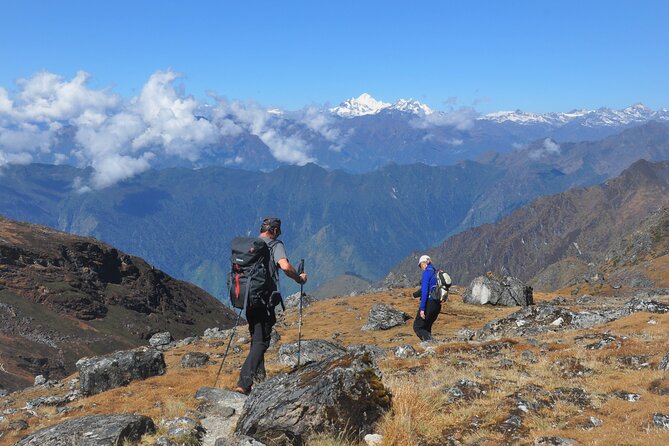
You kick off at Tribhuvan Airport in Kathmandu, with a start time of 7:15am. Then you fly to Suketar at about 2,420m. This is a smart way to avoid an extra mountain slog on day one. It also means your body starts acclimatizing immediately once you land, rather than waiting until later.
That first big climb is not “optional sightseeing.” You’ll leave Suketar and trek to Lalikha. It’s a gentle on-ramp compared to what comes later, but it still reminds you that you’re in trekking country now, not just hiking shoes and a camera.
The Kanchenjunga Circuit itinerary, day by day (what each stop does for you)
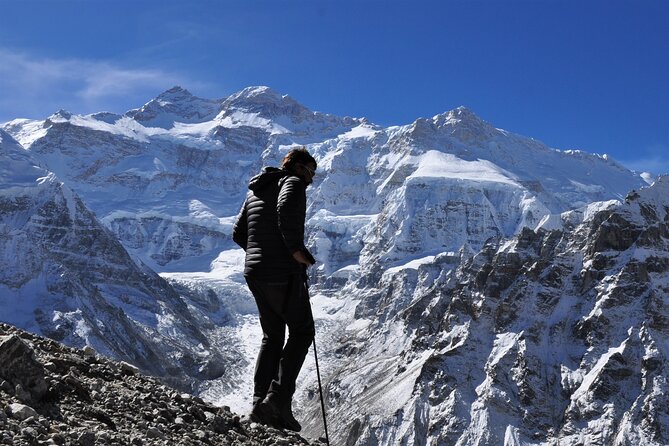
Below is how the route reads as a trek: each day has a job—settle in, climb, acclimatize, cross a pass, or build momentum toward base-camp objectives.
Day 1: Kathmandu to Suketar (2,420m) → Lalikha
You land already high, then start walking toward your first overnight. This day is about getting your rhythm and testing your breathing on a real slope.
Day 2: Lalikharka → Khesewa (2,120m / 6,955ft)
A move that keeps you climbing, but not by leaps. This is where you learn how your pace should feel early on.
Day 3: Khesewa → Mamankhe (1,785m / 5,856ft)
Yes, you drop in altitude. That’s not a mistake—it’s part of how your body adapts. Expect a different effort level day-to-day as the terrain changes.
Day 4: Mamankhe → Yamphudin (2,080m / 6,824ft)
This is the kind of step where the walking becomes more “mountain trekking” and less “trail strolling.” Keep it slow even if the view tempts you.
Day 5: Yamphudin → Tortong (2,995m / 9,826ft)
Now you’re pushing higher again. The best strategy is to walk consistently, not fast.
Day 6: Tortong → Cheram (3,870m / 12,696ft)
This is a big jump. Your body will feel it, and you’ll likely notice cold starting to matter more.
Day 7: Cheram acclimatization and rest
A rest day at altitude is not optional; it’s your safety valve. Use it for breathing practice, slow movement, and getting your gear sorted for the days ahead.
Day 8: Cheram → Ramchaur / Ramche (4,580m / 15,026ft)
This is where the trek gets serious. With the elevation rising, you’ll benefit from steady pacing and simple hydration habits.
Day 9: Ramche → Yalung Base Camp (4,500m) → Cheram
A base-camp day that works like a payoff. You walk up, reach your objective, and then come down to recover—good for both motivation and body management.
Day 10: Cheram → Sele La (4,290m / 14,074ft)
This is the pass day. The air can feel sharper, and weather can change quickly. Start early, keep your eyes on the trail, and let the scenery be a reward, not a distraction.
Day 11: Sele La → Ghunsa (3,595m / 11,794ft)
Dropping down helps you reset physically after a hard pass. It also helps you feel how quickly the terrain and effort can change.
Day 12: Ghunsa → Kambachen (4,050m / 13,287ft)
Back up again. This is a “build the altitude comfort” day, not a rest day.
Day 13: Kambachen → Lhonak (4,780m / 15,682ft)
This is high and exposed. Your comfort at night and your energy in the morning matter a lot here.
Day 14: Kanchenjunga Base Camp → overnight at Pang Pema (5,143m)
This is your top objective day: base-camp time plus an overnight at Pangpema around 5,143m (the trek highlights also call this base camp around 5,100m). This is the day you’ll remember. It’s also the day you’ll want to treat like a mission: conserve energy, dress warmly, and keep your plan simple.
Day 15: Pang Pema → Lhonak
You come back down to regain control of your comfort. Think of this as recovery with purpose.
Day 16: Lhonak → Ghunsa (3,475m / 11,400ft)
Another drop, another reset. The mountain feels bigger when you’re moving away from it, so stay alert to footing.
Day 17: Ghunsa → Amjilosa (2,308m / 7,572ft)
This is getting friendlier in altitude terms. Still, don’t let relief turn into speeding up.
Day 18: Amjilosa → Chirwa (1,270m / 4,166ft)
A noticeable altitude drop. The trail may feel easier, but long trekking days still wear you out.
Day 19: Chirwa → Phurumbu (1,549m / 5,082ft)
A final stretch day that helps you keep moving without pushing your altitude too far.
Day 20: Phurumbu → Suketar
You’re back toward flight territory. This day is about finishing cleanly, not “celebrating” with a too-hard last hike.
Day 21: Fly Suketar → Kathmandu
You’re done. You’ll feel it in your body immediately—especially if you tracked every step and climbed all those passes on tired legs.




Altitude and passes: how to plan your energy so it stays enjoyable
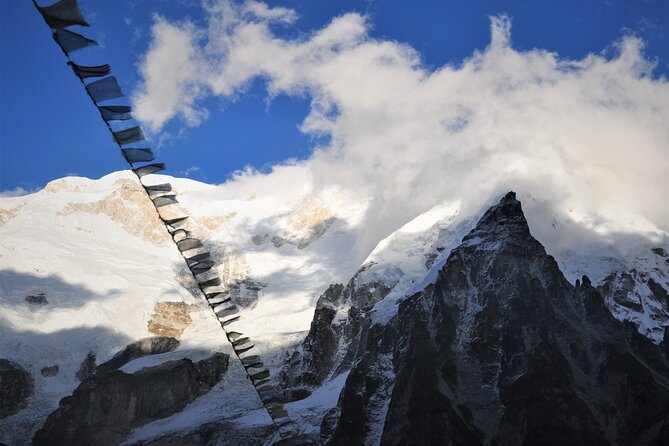
This circuit is high from the start and then gets very high. A couple of days stand out: Ramchaur around 4,580m, Sele La around 4,290m, Lhonak up to 4,780m, and Pangpema overnight around 5,143m.
The best built-in protection here is the structure: there’s an explicit acclimatization/rest day (Day 7) and the itinerary includes “push up, then come down” patterns like the Yalung Base Camp day. That’s good for how your body learns altitude safely.
Still, you should treat the trek like a marathon, not a sprint. Your job is to keep a steady pace, stay warm, and don’t chase views with reckless speed. If you’ve never trekked above 4,000m, ask yourself honestly how you handle reduced air and colder nights.
Wildlife, forests, and the Rai and Limbu communities you pass
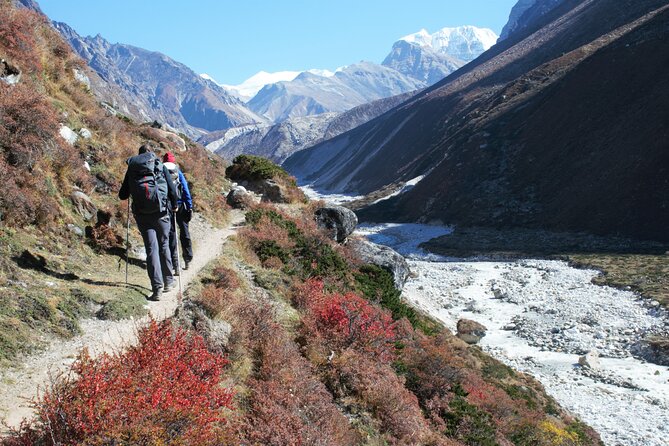
The route’s charm is not only in mountains; it’s also in how the trail threads through daily life. You’ll pass different ethnic communities such as Rai and Limbu, which gives the trek more texture than “walk, stop, photos, repeat.”
You’ll also move through forest zones where oak and rhododendron dominate before the terrain turns harsher and higher. That shift changes what you smell, what you hear, and what the light looks like. When you’re in those lower forest stages, it’s easier to feel human scale again.
Wildlife spotting is possible, but the real win is paying attention to signs: birds, tracks, and the way the trail changes underfoot. If you go in expecting guaranteed sightings, you’ll get disappointed. If you go in ready to notice small surprises, the trek rewards you.
Packing and comforts: down jacket, sleeping gear, and cold night reality
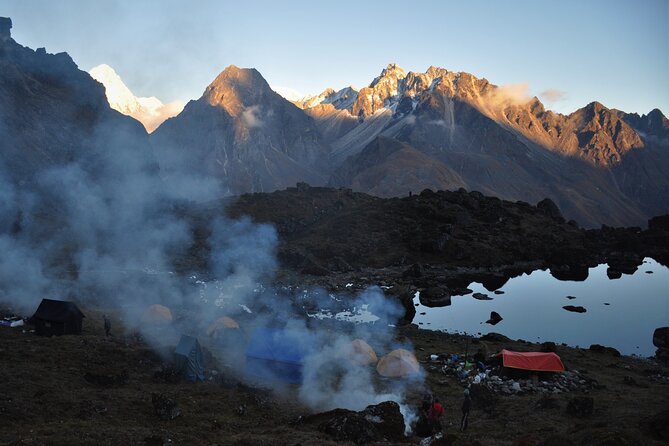
You’re given a down jacket and sleeping gear during the trek, and it’s refundable after the trek. That matters because cold at higher altitude can be brutal even when daytime walking feels manageable.
In real terms, that inclusion means:
- less weight and fewer last-minute shopping trips before departure
- a warmer sleep setup compared with making do with whatever you already packed
What’s not included is your personal comfort spending. Hot showers and extra drinks are not part of the package, and in remote areas it’s better to treat comfort as occasional, not assumed. You’ll do best if you travel with the mindset that the mountains are the main luxury.
In Kathmandu, you’ll have hotel nights included with breakfast, which is a big help for recovery after big travel days.
Who should book this Kanchenjunga Circuit trek
This trek fits best if you want:
- a remote circuit with fewer crowd vibes
- a route that includes multiple high points and base-camp style objectives
- a guided setup with permits and daily meals handled
- cultural contact along the way, including Rai and Limbu communities
It’s best for trekkers with moderate physical fitness who have the stamina to handle long walking days and altitude exposure. If you’re the kind of traveler who expects every detail to feel like a resort, this isn’t that trip. If you’re okay with basic mountain routines and you’re happy earning your views, you’ll likely love it.
The guide matters: local English-speaking leadership and smoother decisions
You’ll travel with a government-licensed, experienced English-speaking guide. That’s not just about translation. A good guide helps you set pace, interpret the terrain, and keep your plan realistic when weather or trail conditions shift.
From prior experiences with this trek, guides like Nima Sherpa and Pasang show up in feedback for being friendly, well spoken, and deeply familiar with the area. In a trek like this, that local competence can make a real difference in how relaxed you feel about each day’s next step.
Should you book this Kanchenjunga Circuit Trek?
Book it if you want a serious high-mountain circuit that feels remote, with the key logistics handled and the daily rhythm clearly structured. The value is strongest if you don’t want to juggle permits, meal planning, and cold-weather gear on your own, and you’re excited by passes and base-camp objectives.
Skip or rethink it if you’re not comfortable with high altitude timing, long trekking days, and basic mountain overnight conditions. Also do your homework on insurance and emergency evacuation planning, because those items are not included and they matter a lot in remote terrain.
If you decide to go: plan for slow pacing, keep your expectations flexible about weather, and treat acclimatization days like part of the trek, not a pause button.
FAQ
What’s the start point and start time?
The trek starts at Tribhuvan Airport in Kathmandu, Nepal at 7:15am.
How long is the Kanchenjunga Circuit Trek?
It’s listed as 21 days (approx.), including flights at the start and end.
What’s included in the trek price?
Included are Kathmandu hotel nights with breakfast, airport/hotel pickup and drop-off by private vehicle, three meals during the trek, a government licensed English-speaking guide, permits and conservation fees, a trekking map, first aid kit, seasonal fresh fruit, and down jacket and sleeping gear for use during the trek (refundable after).
What about a porter?
A porter is available at an extra cost.
Are flights included?
Yes. The itinerary includes flying from Kathmandu to Suketar at the start and from Suketar to Kathmandu at the end.
What isn’t included?
Not included are international airfare, Nepal visa fees (with two passport photographs), travel and medical insurance, emergency evacuation, personal expenses (like drinks and hot showers), and any Kathmandu meals/accommodation if you return early or have late departures.
Can I cancel and get a full refund?
Yes. You can cancel for a full refund up to 24 hours in advance of the experience start time.