REVIEW · KATHMANDU
Annapurna Circuit Trekking -17 Days
Book on Viator →Operated by Annapurna Foothills Treks Expedition Pvt. Ltd. · Bookable on Viator
Thorung La turns this trek into a story you’ll remember. This Annapurna Circuit plan strings together village life in the Marsyangdi Valley and the high-altitude drama of the Annapurna massif, with support that keeps your days realistic. You also get a licensed English-speaking Sherpa guide, sometimes named Mr. Dendi or Ngima, who makes the mountain route and culture easier to understand. The main drawback to consider: the itinerary asks for strong stamina and long hiking days, plus altitude pressure once you start climbing toward the top.
You’ll start with scenic ground travel from Kathmandu through the Marsyangdi Valley trail-head, then settle into steady walking on terraced farms and in charming towns. Meals on trek are handled for you at local lodges (breakfast, lunch, dinner) for 13 nights, plus the operator provides energy snacks and fresh fruits along the way. The loop also includes a deliberate acclimatization day in Manang, which matters because you’re moving fast from lower villages up into the 4,000m range.
This is set up as a private tour for your group, and you meet in Thamel (Kathmandu). One more practical consideration: porter support is arranged at a ratio of one porter between two clients on request, so you’ll still want to pack smart.
In This Review
- Key highlights to notice before you go
- From Thamel to the Marsyangdi Valley: getting on the trail without chaos
- Day 2 to Day 4: Besisahar to Bhulbule, Ghermu Phant, and Tal
- Day 5 to Day 7: Timang, Pisang, and Manang’s doorstep
- Manang acclimatization (Day 8): why the pause is part of the plan
- Day 9 to Day 10: Yak Kharka to Phedi, the climb toward Thorung La
- Day 11: Muktinath via Thorung La Pass (the top day at 17,769 ft)
- Day 12 to Day 14: Tatopani to Ghorepani and Hile, the loop turns calmer
- Day 15: Nayapul to Pokhara, the last walk and the welcome change
- Day 16 to Day 17: back to Kathmandu and departure
- What you really get for the $1,400 price
- Lodges, meals, and energy snacks: small things that change big days
- Your guide’s job: more than pointing at a trail
- Who should book this Annapurna Circuit plan
- Should you book? A clear decision checklist
- FAQ
- How long is the Annapurna Circuit Trekking option?
- Where does the trek start and where does it end?
- What is included during the trek?
- What about transportation?
- What isn’t included in the price?
- Is there an acclimatization day?
- What happens if weather cancels the trek?
Key highlights to notice before you go
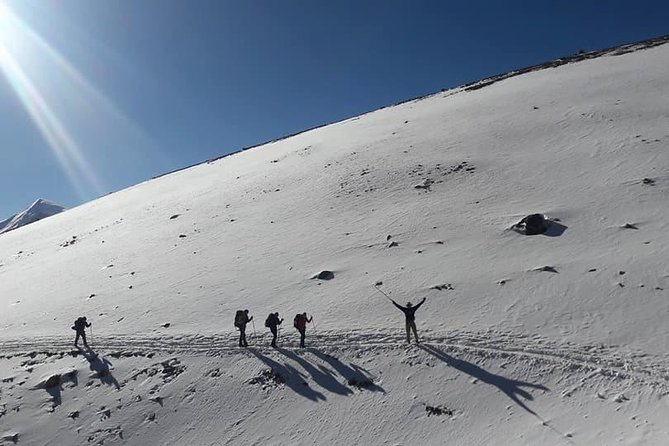
- Thorung La Pass target at 17,769 ft: the tour’s toughest day is built into the schedule with high-altitude pacing.
- Manang acclimatization day in place: you pause at 3,540m/11,612ft so your body has a chance to adjust.
- Licensed English-speaking Sherpa guide: explanations and decision-making support on a route where timing matters.
- All trekking meals at local lodges for 13 nights: you’re not constantly budgeting or searching for food mid-trek.
- Provisioned energy snacks and fresh fruit: small fuel boosts on longer hiking days.
From Thamel to the Marsyangdi Valley: getting on the trail without chaos
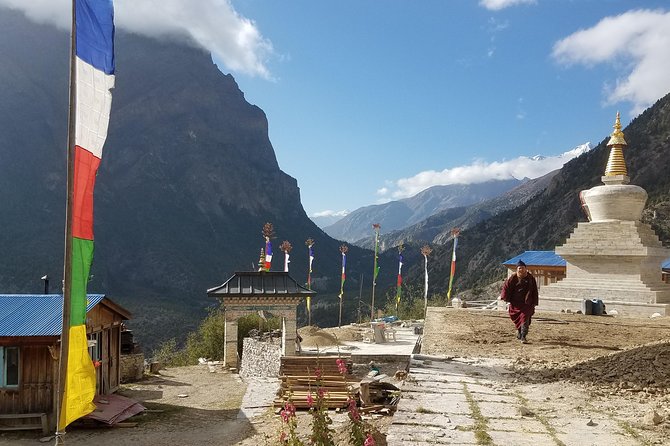
Your trip starts in Thamel, Kathmandu, with pickup offered, and two nights of bed and breakfast in Kathmandu. That’s not just comfort; it gives you time to get organized, handle gear needs, and rest before the first trekking push.
The next move is a scenic drive from Kathmandu toward the trail-head area, then the route drops you into the Marsyangdi Valley rhythm. This is where the Annapurna Circuit begins to feel real: terraced farms, local settlements, and a steady path that’s less about speed and more about endurance.
You can also read our reviews of more tours and experiences in Kathmandu.



Day 2 to Day 4: Besisahar to Bhulbule, Ghermu Phant, and Tal
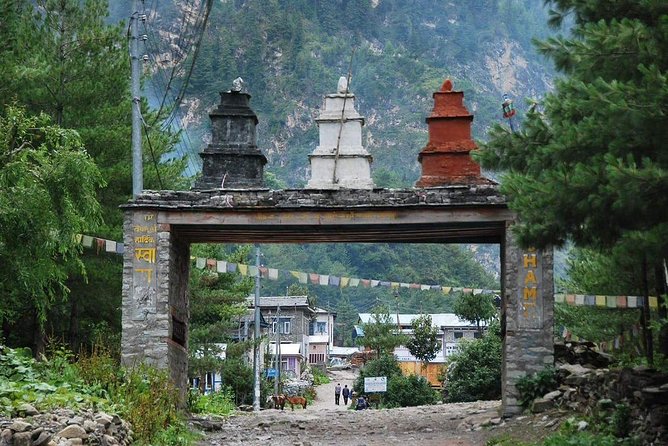
You’ll travel to Besisahar (184 km) and then start walking. Day 2 is a trek from Besisahar area to Bhulbule at 820m/2,690ft (about 7 km, around 2 hours). This is a gentle opener that helps you settle into the rhythm, not crush your legs on Day 1.
Day 3 climbs to Ghermu Phant at 1,136m/3,727ft over about 15 km, taking 5–6 hours. Expect the trail to feel longer than the distance suggests because of terrain and breaks, and you’ll be building the habit of consistent, moderate pace.
Day 4 continues toward Tal at 1,700m/5,577ft (18 km and roughly 5 hours, noted as 6–7 hours as well). Tal is a practical stopping point: by this stage, you’ll feel the move away from the low foothills and toward the mid-mountain villages that define this circuit.
Day 5 to Day 7: Timang, Pisang, and Manang’s doorstep
Day 5 takes you to Timang at 2,780m/8,464ft. You’ll hike about 21 km and spend around 5–6 hours, which means you should treat this as one of your early “work days,” not a casual stroll.
Day 6 is a bigger jump: trekking to Pisang at 3,200m/10,498ft over about 27 km and 7–8 hours. The long day matters because it sets up how you’ll handle fatigue. This is also where you start noticing how the route changes as altitude climbs and weather gets touchier.
Day 7 brings you to Manang at 3,540m/11,614ft (22 km, about 6–7 hours). Manang is the hinge of the trek. Everything becomes more mountain-focused: air feels thinner, views broaden, and the choices you make with clothing layers and hydration become more important.
Manang acclimatization (Day 8): why the pause is part of the plan
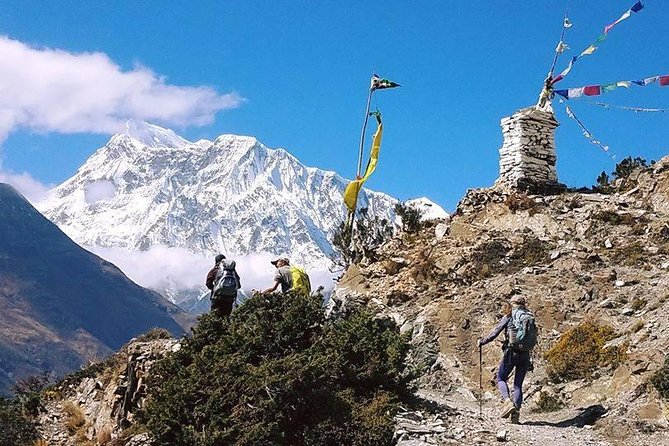
Day 8 is an acclimatization day in Manang at 3,540m/11,612ft. This is the schedule’s smartest move because your body needs time to adapt before you push higher toward Yak Kharka and the approach to Thorung La.
Even if your legs feel okay, altitude can still catch you later. The acclimatization day helps you approach the next stage with better odds of feeling stable and focused.
Day 9 to Day 10: Yak Kharka to Phedi, the climb toward Thorung La
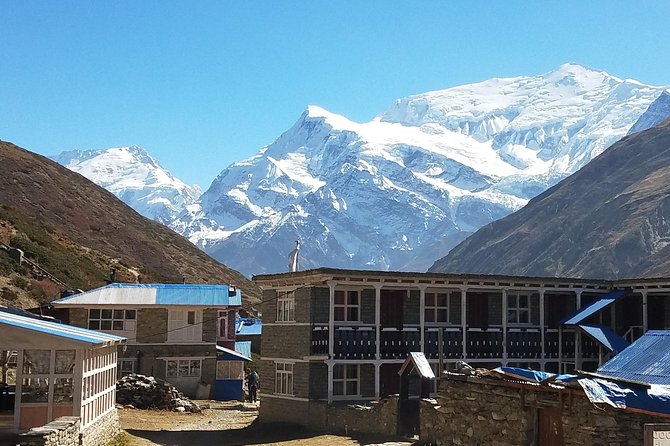
On Day 9 you trek to Yak Kharka at 4,000m/13,123ft over about 10 km (4–5 hours). This section is a reminder that the Annapurna Circuit doesn’t treat high altitude like a straight line; you’re layering more elevation on top of previous exertion.
Day 10 is to Phedi at 4,545m/14,911ft over about 8.5 km (3–4 hours). It’s not a long distance, but it can feel harder because you’re higher and your body works differently at that elevation.
This is where having a guide who can manage pace and decision-making becomes more than comfort. A good Sherpa guide helps you time rest, manage breathing, and avoid the common mistake of going too fast just because the day is short.




Day 11: Muktinath via Thorung La Pass (the top day at 17,769 ft)
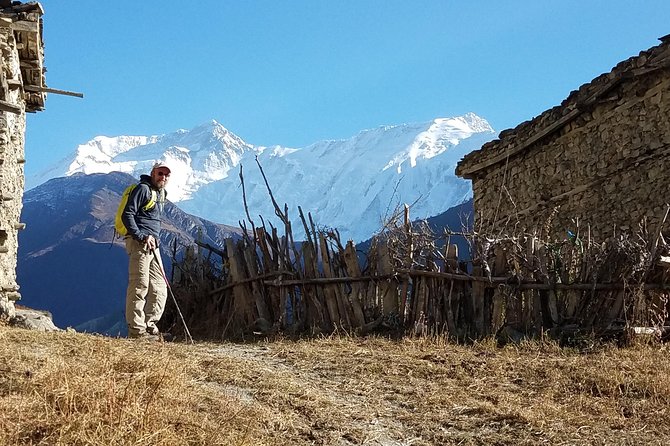
Day 11 is the headline: trek to Muktinath at 3,694m/12,106ft via Thorung La Pass at 17,769ft, covering about 16 km and roughly 9–10 hours. This is the day where weather, visibility, and your own stamina all matter, and where the schedule’s prior acclimatization pays off.
You start high and move through the pass area, then descend toward Muktinath. Expect conditions to vary, and don’t treat this as a purely scenic walk. The pass day is physical work plus exposure, so your clothing and hydration habits from earlier days decide how you’ll feel at the end.
It’s also a cultural shift moment. As you approach the Tibetan plateau edge, your senses feel different: more open views, different air, and a sense that you’re crossing into a broader high-mountain culture zone.
Day 12 to Day 14: Tatopani to Ghorepani and Hile, the loop turns calmer
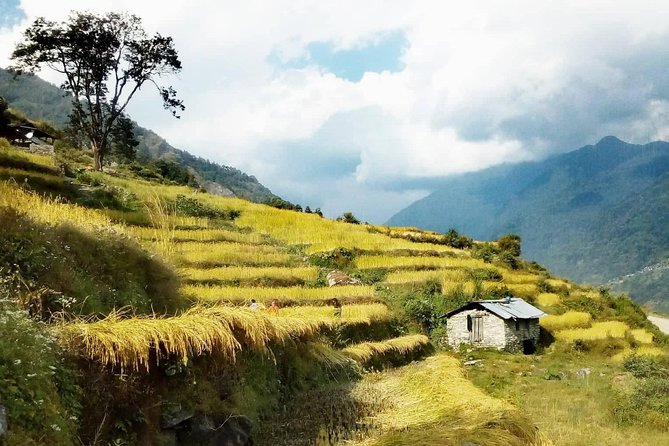
After Muktinath, you drive to Tatopani at 1,160m/3,805ft (60 km, 5–6 hours). That is a big mood change after the pass day. You’re not “resetting” into a low-elevation holiday, but you are getting lower fast.
Day 13 brings you to Ghorepani at 2,850m/9,350ft over about 17.5 km (6–7 hours). Ghorepani is a common trekking hub because it makes longer distance days feel manageable. It’s also a practical place for lodge life, hot drinks, and recovery.
Day 14 then drops you to Hile at 1,400m/4,593ft over about 12 km (5–6 hours). This is one of the last long walk segments before you reach the route’s exit points, so keep it steady and let your legs finish the job.
Day 15: Nayapul to Pokhara, the last walk and the welcome change
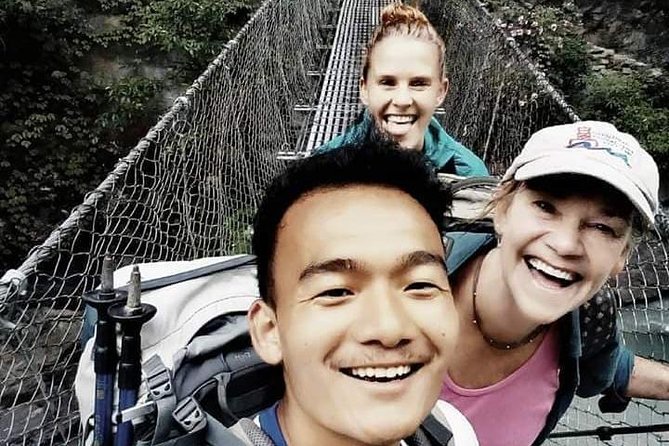
Day 15 is a shorter trek to Nayapul at 1,010m/3,313ft (about 7 km, around 3 hours), followed by a drive to Pokhara. This is a relief day for your body because the walking time is shorter and the transfer time brings a different kind of comfort.
Pokhara overnight matters here. You get one night of bed and breakfast with tax included, which gives you a proper landing after sustained altitude walking. It’s also time to check weather, plan a final meal, and organize anything you want to buy or ship home.
Day 16 to Day 17: back to Kathmandu and departure
Day 16 drives you back to Kathmandu (about 1,345m/4,412ft). You’re back with a buffer to rest, shower, and get sleep on a more familiar schedule.
Day 17 is departure from Kathmandu, ending back at the meeting point. The structure is tidy: trek, then city time to absorb what you just did.
What you really get for the $1,400 price
At $1,400 per person for about 17 days, this is positioned as a fully supported, permit-covered trek rather than a DIY challenge. The value isn’t just the guidance; it’s the load you don’t carry and the logistics you don’t have to negotiate.
Here’s what’s included that affects your real-world experience:
- 13 nights in local lodges with breakfast, lunch, and dinner during the trek
- An English-speaking experienced Sherpa guide who is government trained and licensed
- Porter support arranged on request (one porter between two clients)
- Trek staff costs (salary, insurance, equipment, food, and accommodation)
- Energy supplies (Snickers, Mars, Bounty) and fresh fruits
- First aid medicine kit
- Permits and fees: Annapurna Conservation Fee, TIMS, and all required permits/official documentation
- Ground transfers: Kathmandu to Besisahar by public bus, and Nayapul to Pokhara by private vehicles
- Kathmandu accommodation (two nights) and Pokhara accommodation (one night), all with bed and breakfast
What’s not included (and can add up if you’re not ready):
- Personal travel insurance and the Nepal entry visa fee
- Lunch and dinner in cities (budget about $10 to $14 per meal in tourist restaurants)
- Beverages (soft drinks, mineral water, boiled water, beer)
- Tips for guide, porters, and driver
If you like not thinking about meals and paperwork every day, this price feels fair. If you’re the type who wants to carry everything yourself and choose each meal on the fly, you’ll likely feel like you’re paying for structure.
Lodges, meals, and energy snacks: small things that change big days
Local lodges are part of the experience here. You’re given meals during the trek, so you’re not stuck making tough decisions at altitude about where to eat or what will be open.
The operator also provides energy supplies like Snickers, Mars, and Bounty, plus fresh fruit. That might sound minor, but on longer days (like 7–10 hour hikes), those quick boosts help you avoid the “I’ll eat later” trap that can lead to exhaustion.
You’ll still want to bring your own personal snacks if you have preferences, but the included options cover the basics.
Your guide’s job: more than pointing at a trail
Because this is a private tour with an English-speaking, license-holder Sherpa guide, you’re not just getting a walking companion. A strong guide helps with pacing, route decisions, and understanding what you’re seeing in villages as the cultural shift climbs with altitude.
Some of the support you may get includes cultural explanation and a steady, helpful attitude. For example, Ngima is noted for explaining Buddhist spirituality well, and Mr. Dendi is mentioned for making the trip run smoothly from start to finish.
That matters because the circuit is not only about views. It’s about staying functional when the air gets thin and the schedule tightens toward the pass.
Who should book this Annapurna Circuit plan
This trek fits you best if:
- You have strong physical fitness and can handle long hiking days with altitude
- You want a structured, supported approach with permits, meals, and guide help handled
- You appreciate a mix of village walking and big-mountain moments, not just one or the other
You should think twice if:
- You’re fragile with altitude or unsure how you react to elevations around 4,000m and above
- You expect a short hiking holiday with lots of free time in between days
- You want full DIY flexibility for food and logistics
Should you book? A clear decision checklist
I’d book this if you want a classic circuit experience with the hardest part built in (acclimatization and a pass day), and you don’t want to manage permits and daily meal logistics yourself. The included lodge meals, license-holder guide, and Thorung La routing at 17,769 ft make it feel like a trek designed for real hikers, not casual guesswork.
I’d skip it or look for an easier alternative if altitude stress is your biggest concern or if you know you struggle with 9–10 hour days. This itinerary rewards steady effort, smart pacing, and good packing.
If you go, pack like you’re serious about layers and hydration, and let the acclimatization day do its job. That’s how you turn a challenging high-mountain trek into something you feel proud of at the end.
FAQ
How long is the Annapurna Circuit Trekking option?
The tour is listed as 17 days approximately.
Where does the trek start and where does it end?
The meeting point is in Thamel, Kathmandu, and the experience ends back at the meeting point.
What is included during the trek?
Accommodation in local lodges for 13 nights is included with breakfast, lunch, and dinner. The package also includes an English-speaking experienced Sherpa guide, porter support on request (one porter between two clients), energy supplies and fresh fruits, a first aid kit, and the Annapurna Conservation Fee and TIMS permits plus required permits.
What about transportation?
Ground transfers include Kathmandu to Besisahar by public bus, and Nayapul to Pokhara by private vehicles. You also drive to Tatopani after the trek portion.
What isn’t included in the price?
Personal travel insurance, the Nepal entry visa fee, city lunch and dinner (budget $10 to $14 per meal in tourist restaurants), beverages, and tips for guide, porters, and driver are not included.
Is there an acclimatization day?
Yes. There is an acclimatization day in Manang.
What happens if weather cancels the trek?
The experience requires good weather. If it’s canceled due to poor weather, you’ll be offered a different date or a full refund.