REVIEW · KATHMANDU
20 Days Annapurna Circuit Trek
Book on Viator →Operated by The Great Adventure Treks & Expedition - Private Day Tours · Bookable on Viator
One hard day, then snow peaks for days. The Annapurna Circuit is built for people who want dramatic scenery plus real village life, with a big highlight at Thorong La Pass (5,416m). What I like most is how the trek changes character as you climb: you start in greener lower valleys and gradually work your way up toward colder, drier high country and its sharper, more open views.
Two things I’d point you to right away: you get a government-licensed guide plus a porter (2 trekkers to 1 porter, up to 25 kg), and the plan includes a full acclimatization day in Manang so you’re not just guessing how your body will handle altitude. The only real consideration: you’ll be trekking in cold, high-elevation conditions, and the Thorong La day is physically demanding even if you’re fit.
In This Review
- Key highlights you’ll actually care about
- Why the Annapurna Circuit feels like several treks in one
- Price and logistics: what you’re paying for (and what you aren’t)
- Kathmandu warm-up: temples, squares, and the first tastes of Nepal
- Getting to the trail: Kathmandu to Syange, then the first trekking steps
- Chame to Pisang to Manang: the mid-trek rhythm and village texture
- Acclimatization in Manang: rest that actually helps
- Yak Kharka to Thorong High Camp: building altitude step by step
- Thorong La Pass and Muktinath: the hardest day, then a payoff
- Marpha, Lete, and Tatopani: descending through Kali Gandaki’s big changes
- Ghorepani and Poon Hill: sunrise odds and a classic Nepal view
- Pokhara decompression: lakes, downtime, and reset mode
- Back to Kathmandu: scenic drive and flight day rhythm
- Who should book this trek—and who should think twice
- Should you book? My decision guide
- FAQ
- How long is the Annapurna Circuit trek on this program?
- Where does the trek start and where does it end?
- Do you get airport pickup and drop?
- Is Kathmandu sightseeing included?
- How do you travel from Kathmandu to the trail area?
- What trekking support is included?
- Are permits included?
- Are meals included?
- Are temple entry fees included in Kathmandu?
- Can I get a full refund if I cancel?
Key highlights you’ll actually care about
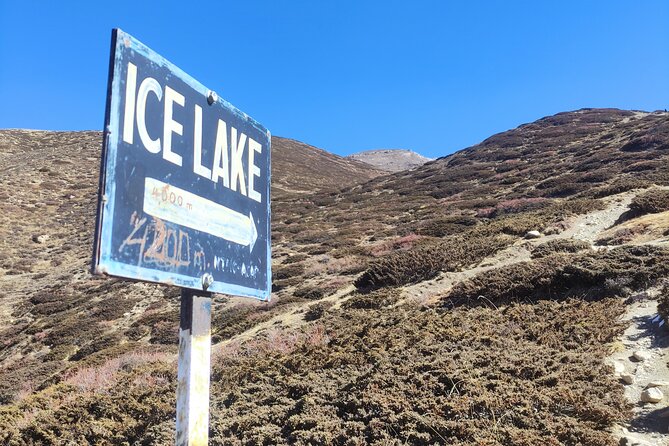
- Thorong La timing: start early so you can cross before the cold wind picks up.
- Manang acclimatization: a dedicated day to explore and adjust rather than rushing higher.
- Village-to-village trekking: nights in places like Pisang, Yak Kharka, Marpha, and Ghorepani (tea house style).
- Kali Gandaki valley contrast: a huge change in scenery on the descent, from arid stretches to pine/conifer forests.
- Poon Hill add-on (weather dependent): a pre-dawn hike if conditions allow sunrise views.
Why the Annapurna Circuit feels like several treks in one
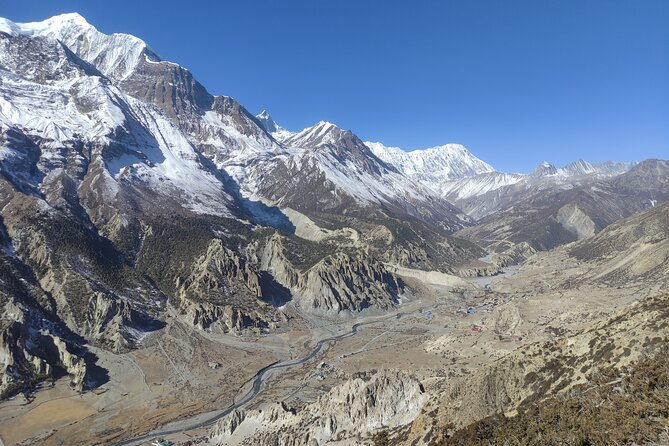
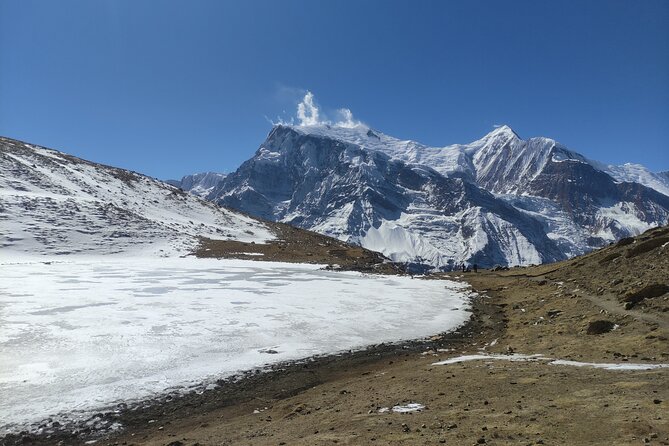
If you’ve ever wished a single trek could show you multiple worlds, this route is built for that. The Annapurna Circuit circles the Annapurna massif and typically covers about 160–230 kilometers. More than distance, it’s the vertical range that grabs you: you watch the environment shift from lower, warmer zones into high-altitude terrain where the air feels thinner and the scenery looks more stark and open.
The high point is Thorong La Pass at 5,416 meters, which has that classic “you made it” feeling—part pride, part relief. But the real magic is what happens before and after. You move from terraced fields and farm villages into broad, windswept stretches, then come down through the Kali Gandaki valley where the vegetation changes again. It’s not just pretty. It teaches your body and your eyes how altitude travel really works: slower, higher, colder, and then—later—long, satisfying descents.
You can also read our reviews of more tours and experiences in Kathmandu.
Price and logistics: what you’re paying for (and what you aren’t)
At $1,200 per person for a roughly 20-day trek, you’re paying for more than “someone to show you the trail.” Your included package covers several big-ticket items that add up on an expedition like this:
Included items include:
- Airport pickup and drop plus Kathmandu sightseeing by car
- Transport from Kathmandu to the trail area (regular bus to Besisahar, then sharing jeep onward to Syange)
- A professional trekking guide with government license and a porter (2 guest/1 porter, max 25 kg)
- ACAP permit (Annapurna Conservation Area Project) and TIMS card
- Meals listed in the package (breakfast and dinner on most days, plus lunch on trekking days)
Not included:
- Your visa and international flight
- Personal expenses and tips
- Drinks (soft or hard)
- Temple entry fees in Kathmandu (Pashupatinath, Boudhanath Stupa, Kathmandu Durbar Square)
Value check: the guide/porter system plus permits plus included meals is where a lot of the cost control comes from. If you tried to DIY this with permits, logistics, and support sorted out yourself, you’d likely spend time and money catching up. The package is designed to reduce that friction so you can focus on walking and altitude.
Kathmandu warm-up: temples, squares, and the first tastes of Nepal
You don’t jump straight onto the trail. You start in Kathmandu, flying into Tribhuvan Airport, then getting met by the company representative and transferred to your hotel.
The Kathmandu sightseeing day is a smart move because it helps you get grounded before altitude travel. You’ll visit:
- Pashupatinath Temple on the Bagmati River (popular Hindu temple; admission not included)
- Boudhanath Stupa, a major Buddhist site and a UNESCO World Heritage listing (entry not included)
- Kathmandu Durbar Square, historically tied to the former royal palaces (entry not included)
Even if you’re eager to start hiking, this day pays off. It gives you context for what you’ll see in mountain villages later—local religion, daily routines, and how community life connects to place.
Tip from practical experience: bring small cash for entry fees you’ll be responsible for. The package includes the transport and schedule, but temple admissions are your part of the bill.
Getting to the trail: Kathmandu to Syange, then the first trekking steps
Day 3 turns travel into a transition ritual. You drive along the foothills toward the Pokhara highway area, and then continue onward until you reach Syange (823m) for your overnight stop. It’s a long day by road, but it’s also how Nepal pacing often works: movement first, walking later.
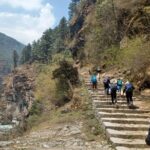
Day 4 is your first real taste of the trek. Trekking starts from the Besisahar area with scenery that changes fast—gorges, high hills, waterfalls, and snow-capped peaks in the distance. The early trail includes a steep section for about half an hour before it eases into lush farm terraces. That’s your cue for what’s coming: even when days are only 5–7 hours of trekking, the grade can surprise you.
Chame to Pisang to Manang: the mid-trek rhythm and village texture
From Dharapani to Chame, you’ll notice the air cooling and the vegetation shifting. The route goes through forests, and it’s a pattern you’ll keep seeing: your surroundings tell you where you are even before you check your altitude.
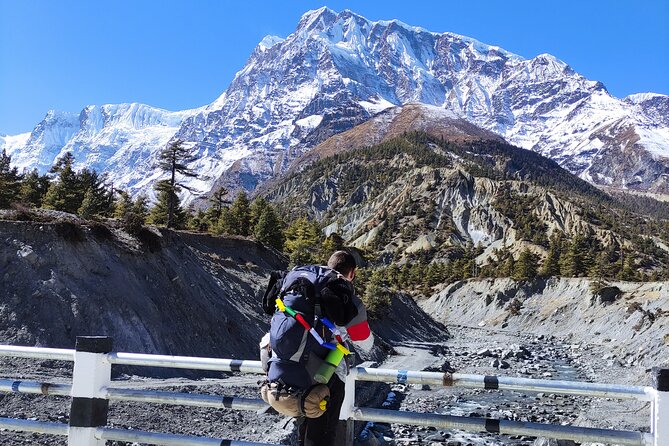
Then Chame to Pisang climbs you up to around 3,200 meters. The trek here follows along the other side of the river on the northern bank, and that matters because it keeps the valleys open and varied. You’re not just walking a line—you’re walking a changing viewpoint.
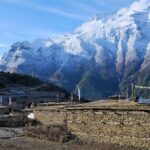
From Pisang to Manang, you’re in “high peak” territory. The trail gives more constant views of snow-capped peaks, with a steep climb after leaving Pisang before reaching the Manang area. This is a good stage for steady effort: you’ll want to keep your pace controlled, especially if you’re sensitive to altitude.
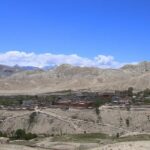
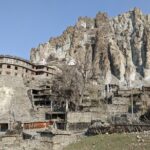
One small detail that helps you plan mentally: Manang is known for its flat-roofed houses and dramatic mountain setting. It feels different than lower villages, both architecturally and in how exposed it is to weather.
Acclimatization in Manang: rest that actually helps
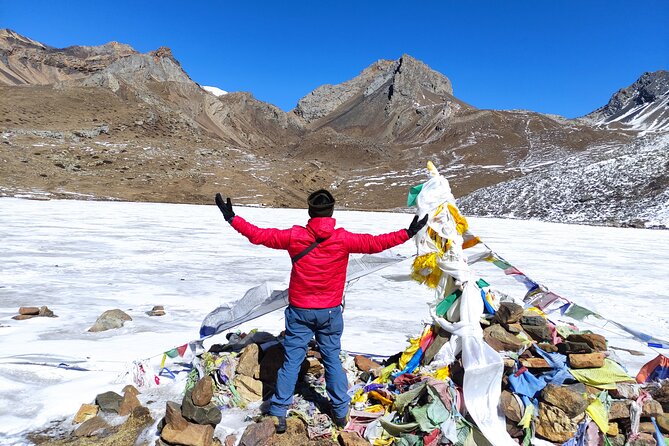
Day 8 is a full acclimatization day in Manang. This is not wasted time. At these elevations, your body needs a chance to adjust before you head toward higher, colder terrain.
You’ll explore the area and take in the surrounding views. Having that day scheduled also changes your odds on Thorong La day later. If your plan forced you to rush higher every single day, you’d be gambling with headaches, fatigue, and poor sleep.
Practical note: on acclimatization days, don’t turn “rest day” into “go hard.” You can explore, but keep it light enough that you still feel good the next morning.
Yak Kharka to Thorong High Camp: building altitude step by step
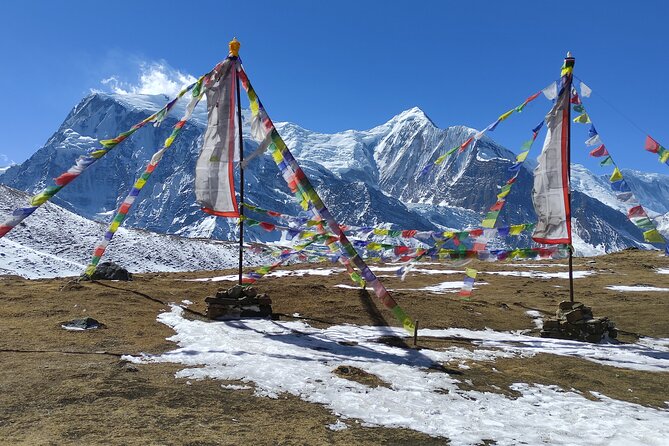
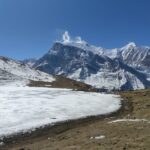
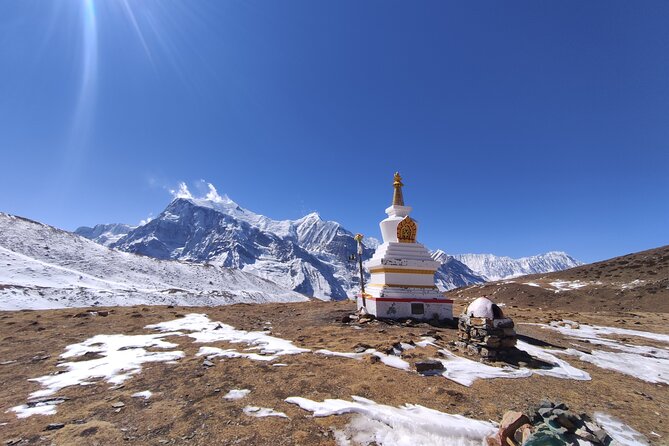
After Manang, you head toward Yak Kharka, walking into a slow climb with expanding views—Annapurna II, Gangapurna, Tilicho, and close-up views of Chuli peaks. The trail then moves into barren, windswept terrain. This is where the trek starts to feel more like high-altitude travel: less lush greenery, more sky, and a stronger sense of exposure.
Next comes the push toward the Thorong High Camp viewpoint area (via a slow climb to Ledar, the last settlement). You’ll get grand mountain views along the way, and this day matters because it sets you up for early morning on the pass.
In practical terms: prioritize sleep and warm layers here. Your comfort at night will affect your energy for the pass day.
Thorong La Pass and Muktinath: the hardest day, then a payoff
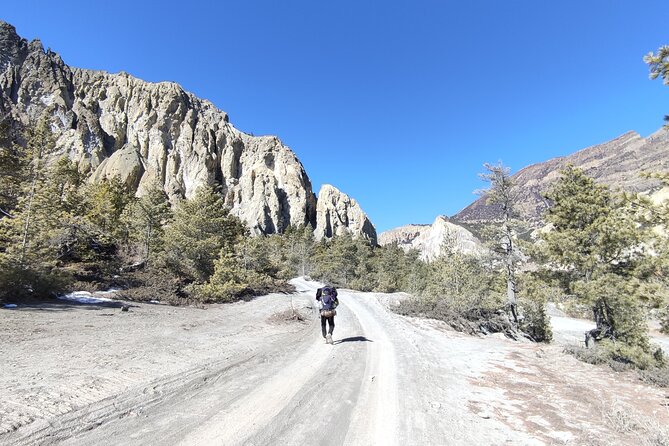
Day 11 is the big one. You start early after breakfast so you can reach the top of the pass before the cold wind gets going. The trek is described as strenuous at the beginning, involving steep sections before you reach the top.
At 5,416 meters, this is not just a “hike.” It’s effort plus altitude management. Keep moving steadily, take short breaks, and don’t let adrenaline outrun your breathing.
After crossing, you descend toward Muktinath (about 3,800 meters). The descent is long, and the day is noted as the longest trekking day in the plan. Once you’re down in the Muktinath area, you’ll find teahouses where you can refresh—important for both morale and recovery.
This is also a moment of contrast: you go from the physical stress of the pass to a spiritual and cultural stop in a sacred village. If you like travel that combines body challenge with meaning, you’ll appreciate that shift.
Marpha, Lete, and Tatopani: descending through Kali Gandaki’s big changes
After the pass, your trek drops into the Kaligandaki river valley. Day 12 includes a descent of about 1,200 meters to the river floor area, plus stops along the way such as Ekale Bhatti, a small settlement often described as a lonely teahouse.
Day 13 continues downstream to Lete, with a pleasant walk following the Kali Gandaki river toward Tukuche village. This is where the route rewards you with big views again—Dhaulagiri and Tukuche area scenery—without the same steep climbing pressure you felt near the pass.
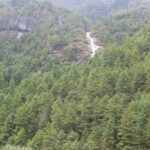
Then Day 14 is another “spot the change” day. The trek goes through a dramatic vegetation transition: arid, desert-like stretches shift into pine and conifer forests. It also routes between Dhaulagiri and Annapurna, so even while you’re descending, you’re still being watched by giant mountains.
Ghorepani and Poon Hill: sunrise odds and a classic Nepal view
After Tatopani, you head to Ghorepani (about 2,860 meters), with a 6–7 hour trek. You’ll cross a suspension bridge over the Kali Gandaki River. River crossings in Nepal are often quick but memorable, and this one helps you break up the day.
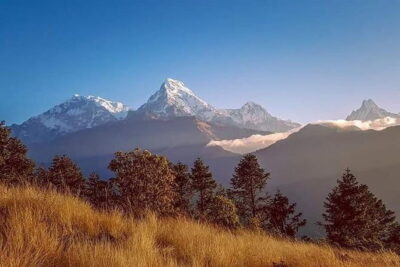
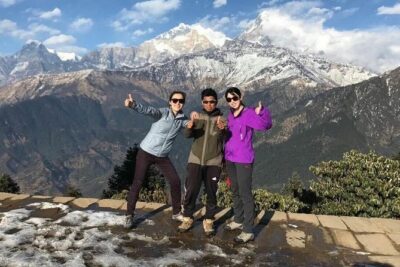
Day 16 includes an optional hike to Poon Hill (3,195 meters) for sunrise views. It’s explicitly weather dependent—so if clouds roll in, you might not get the full panorama. If conditions are good, this is one of Nepal’s most reliable “best view for the effort” add-ons, because it’s a relatively short push for big payoff.
Pokhara decompression: lakes, downtime, and reset mode
You reach Pokhara on Day 17. This is your shift from altitude hiking into comfort travel. Day 18 is a leisure day in Pokhara, with options around the lakes—Phewa Lake, Begnas Lake, and Rupa Lake.
For me, this kind of break is part of why a multi-day trek feels survivable. Your legs get a chance to calm down, you can eat normally, and you can process what you just did on the trail. If you’ve been traveling with a tight schedule, this rest day is also a chance to shop for small necessities (warm socks, simple gear repairs) and get ready for the return drive.
Back to Kathmandu: scenic drive and flight day rhythm
Day 19 returns you from Pokhara to Kathmandu by bus. The drive goes along hills with views of the Trisuli and Marsyangdi Rivers. It’s an all-day movement day, but it breaks up the end of the trek.
Day 20 finishes with a transfer to the international airport, with the representative dropping you off about 3 hours before your flight.
That timing matters. After a long trek, you want a stress-free airport experience—no last-minute scramble.
Who should book this trek—and who should think twice
This trek is aimed at people with moderate physical fitness, which makes sense given the combination of steady days and one truly demanding pass crossing. If you can handle long walks and you’re comfortable with altitude progression, it fits well.
You should think twice if:
- You’re very worried about cold, wind, and high elevations.
- You’re prone to altitude sickness and can’t do a realistic acclimatization plan.
- You want a casual, low-effort hike. This is longer and higher than it looks on paper.
This is also a good match if you value support. A licensed guide and porter reduce a lot of logistical stress—plus the porter setup (with a 25 kg max) helps protect your energy for walking.
Should you book? My decision guide
I’d book this if you want the full Annapurna Circuit experience: big views, a real pass crossing, village nights, and built-in altitude planning with a Manang acclimatization day. The included permits and support staff are practical value, and the route’s pacing gives you chances to recover without losing momentum.
I’d pause if you know you don’t handle steep climbs or if cold/high-wind conditions make you nervous. In that case, consider shorter or lower-altitude treks first, then come back for Thorong La when you’re ready.
If you book, go in with one mindset: treat every uphill day like training for the pass, and treat every rest moment like it’s part of the trek, not time off the trek.
FAQ
How long is the Annapurna Circuit trek on this program?
It’s listed as 20 days (approx.).
Where does the trek start and where does it end?
It starts at the Great Adventure Treks & Expedition meeting point in Kathmandu and ends back at the same meeting point.
Do you get airport pickup and drop?
Yes. Airport pickup and drop are included.
Is Kathmandu sightseeing included?
Yes. Kathmandu sightseeing by car is included.
How do you travel from Kathmandu to the trail area?
Kathmandu to Besisahar is by regular bus, and Besisahar to Syange is by sharing jeep.
What trekking support is included?
A professional trekking guide with government license is included, along with a porter. The porter setup is 2 guest to 1 porter, with a maximum of 25 kg carried by the porter.
Are permits included?
Yes. The Annapurna Conservation Area Project Permit (ACAP) and TIMS card are included.
Are meals included?
Breakfast, lunch, and dinner are included as listed in the package (breakfast 18 times, lunch 15 times, dinner 15 times).
Are temple entry fees included in Kathmandu?
No. Pashupatinath Temple entrance fee, Boudhanath Stupa entry fee, and Kathmandu Durbar Square entry fee are not included.
Can I get a full refund if I cancel?
You can cancel up to 3 days in advance of the experience for a full refund. If you cancel less than 3 days before the start time, the amount paid is not refunded.