REVIEW · PRAIA
Santiago: Calabaceira Valley Trek & Visit to Cidade Velha
Book on GetYourGuide →Operated by Bu Country Tours · Bookable on GetYourGuide
Santiago can feel like two trips in one day. This 4-hour outing pairs a Calabaceira Valley trek with a deep look at Cidade Velha, the first European-built city in sub-Saharan Africa. I like the fact that it stays human-sized, not rushed, with a guide who can explain what you’re seeing in real time. I also love the natural side of the walk: you’re not just walking through scenery, you’re moving through habitats where you might spot wildlife and big old trees. One consideration: the hike is rated easy, but it still includes uneven ground and steep moments, so comfortable shoes matter.
Guides on this tour can make a big difference. I’ve seen strong praise for guides such as Mario and Katia, and friendly, capable leadership from Ivana, Soraya, and Riccardo. The biggest drawback to plan around is pacing: the day can stretch longer when the group moves slower, and you’ll want to be ready for a bit more time than the advertised 4 hours.
If you’re the type who likes history without museum fatigue, and nature without a hard grind, this is a smart pairing. The itinerary also includes a rum distillery visit and a stop in the old town highlights like São Francisco Convent and the Royal Fortress of São Filipe. Just note that lunch and the fortress entrance fee are extra.
In This Review
- Key things to know before you go
- How this trek-and-old-town mix makes sense in Santiago
- From Praia to Calabaceira: starting the day the right way
- Calabaceira Valley on foot: what you’ll actually walk through
- Rum distillery stop: where farmland meets tradition
- Cidade Velha: UNESCO sites you can visit in a few focused stops
- São Filipe Fortress and the former slave market: serious stops, practical pacing
- Price and logistics: what you’re paying for, and what to budget
- Who should book this and who should think twice
- Should you book this Calabaceira + Cidade Velha combo?
- FAQ
- How long is the trek and total tour time?
- Is the trail really easy?
- What should I bring with me?
- Is lunch included?
- Do I need to pay an entrance fee?
- Can I choose a shared group or private tour?
Key things to know before you go
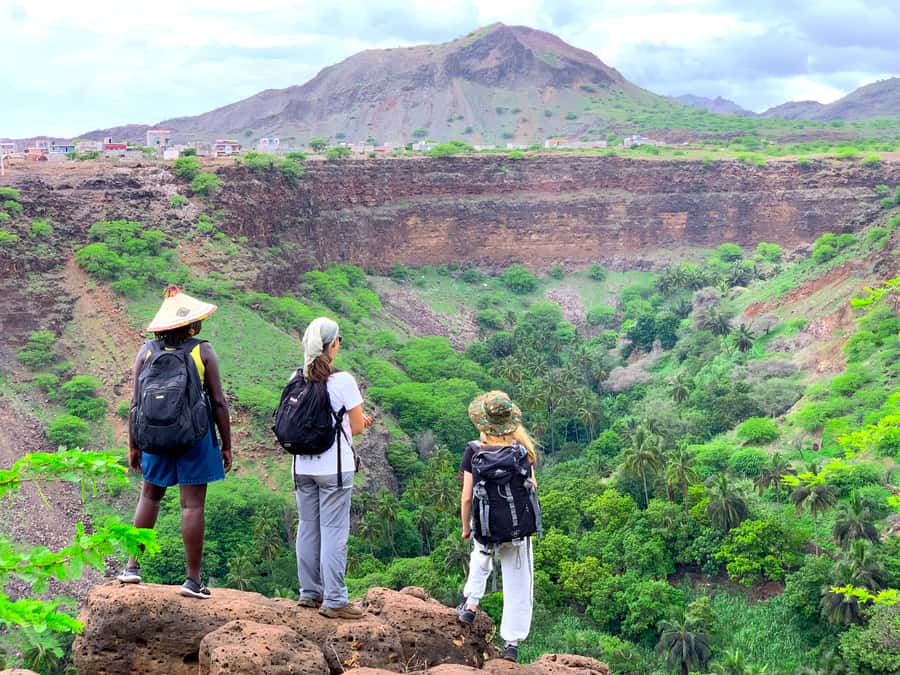
- Calabaceira Valley trek: about 5 km total, with around 2 hours of walking on a one-way trail
- Easy rating, real footing: medium tilt and narrow beginnings, so wear proper footwear
- Rum distillery + farm fields: see crops like sugar cane, mango, cassava, and banana
- UNESCO Cidade Velha highlights: São Francisco Convent, Banana Street, and Nossa Senhora do Rosário church
- Pirate-era defense views: climb to the top of São Filipe Fortress and take in Old Town
How this trek-and-old-town mix makes sense in Santiago

Santiago rewards you for doing things in the right order, and this route is built for that. You start in the valley, where dense green vegetation and local farmland set the mood, then you transition into Cidade Velha, Cape Verde’s oldest European-era town center.
I like that the tour doesn’t treat history like a lecture that you endure. Instead, you see the natural setting first, then you move into places tied to European settlement, the church, and the city’s defenses. If your idea of a great day is walking, learning, and still having time to breathe, this fits well.
You’ll also get a mix of big-picture and up-close details. In Cidade Velha, that includes the former slave market area and key landmarks like the Sé Catedral ruins and the fortress. It’s a lot to pack into one afternoon, but the day is organized so each section has its own rhythm.
You can also read our reviews of more tours and experiences in Praia.


From Praia to Calabaceira: starting the day the right way

Pickup happens from your accommodation in Praia, with transportation arranged to reach the small village of Calabaceira. You’re asked to wait in the hotel lobby about 10 minutes before the scheduled pickup time, and the driver holds a sign with your name. The wait after the scheduled pickup is limited, so don’t wander too far once you’re ready.
From there, you begin the trek from the top of the valley. The trail is described as accessible for most hikers, with an overall easy difficulty level, but you still need to expect uneven ground and changes in elevation. The key numbers to know: roughly 5 km total, with about 2 hours of walking and minimal elevation gain (around 3 m), plus elevation loss and variation through the route.
This is not a long, endurance hike. It’s a curated walk that gets you far enough into the valley to feel the difference between the village edge and the lush interior. If you’re coming straight from Praia, this kind of reset is exactly what you want.
Calabaceira Valley on foot: what you’ll actually walk through
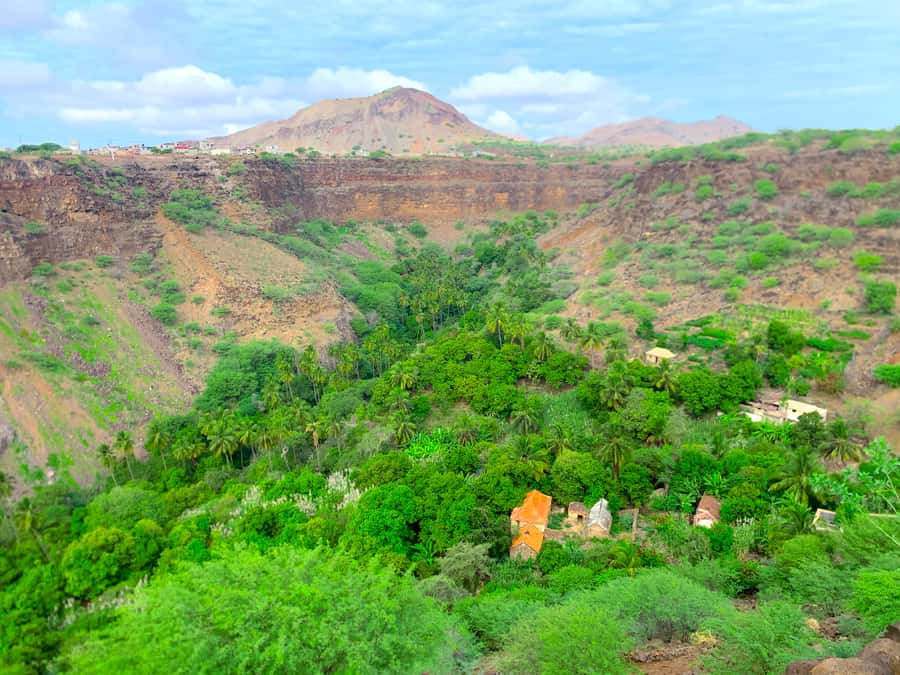
The Calabaceira Valley part is the heart of the experience. You follow a simple trail for any hiker, and the big payoff is how the vegetation changes as you go in. Think dense tropical plants, shade, and the sense that the valley is doing most of the talking for you.
The route is one way, so you’re not doing a loop where you get an early turnaround option. The path quality is described as medium tilt with a narrow start, while still being safe. Translation: early on you may feel a little channel-like, so keep your footing steady and let your guide set the pace.
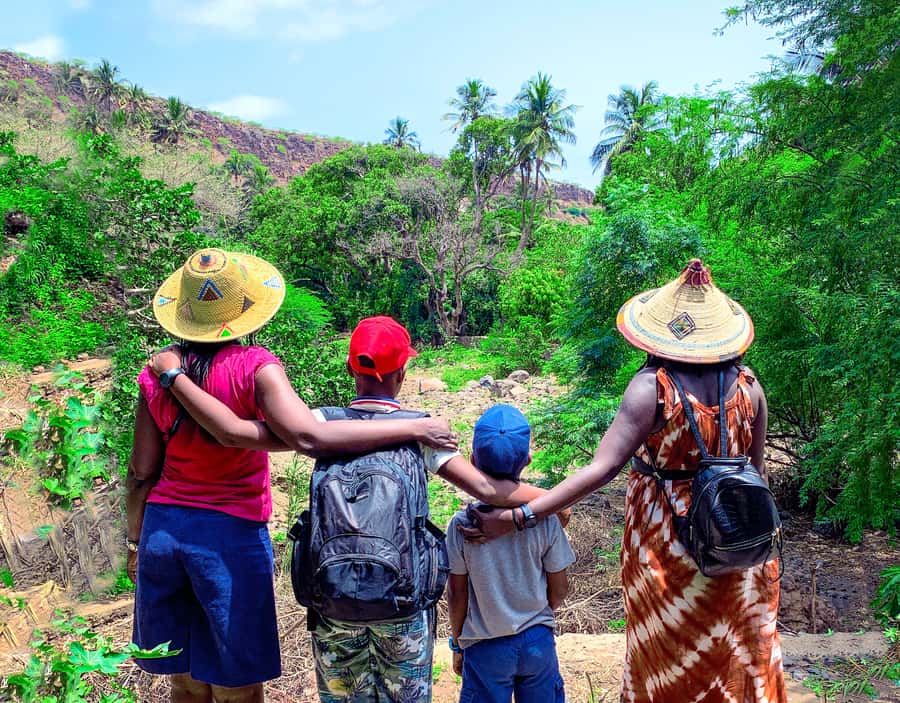
You’ll also hear stories tied to what Charles Darwin noted about baobab trees, and you’ll learn how the valley functioned as an escape route during slavery. That matters because it connects the plants and terrain to human movement, not just photos. You’re not only looking at nature; you’re learning how people used it.
Wildlife chances are real here. One strong highlight from the experience is spotting kingfishers, monkeys, and amazing trees. Even if you don’t catch sight of every animal, the guide’s focus on fauna and flora makes the walk feel active rather than passive.
Rum distillery stop: where farmland meets tradition
After the valley walking, you reach the heart of the area’s working landscape through a visit to a local rum distillery. The goal isn’t just to watch a process; it’s to connect what you’ve seen in the valley to what farmers grow there every day.
This is where you’ll likely get hands-on explanations and conversation. You can expect contact with local farmers and a look at agricultural fields with crops such as sugar cane, mango trees, cassava, and banana. You’re seeing the supply chain behind the island’s flavors, not just a souvenir moment.
One nice thing about this stop is that it keeps the tour balanced. After history-heavy time in Cidade Velha, the rum and farm segment acts like a palate reset and a change of pace. Also, if you like learning how local economies work, this stop gives you something practical without needing a degree in agriculture.
Cidade Velha: UNESCO sites you can visit in a few focused stops
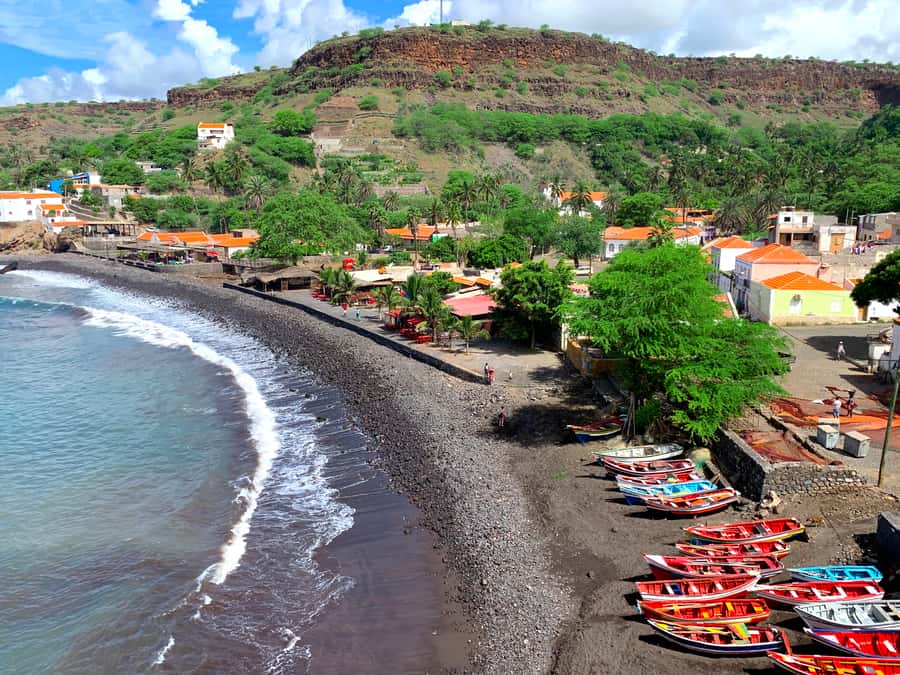
Once you arrive in Cidade Velha, you move from valley to old town, and the mood changes fast. This UNESCO World Heritage Site is known for being the first city built by Europeans in sub-Saharan Africa. That headline can sound big and abstract, but the landmarks you visit help it click.
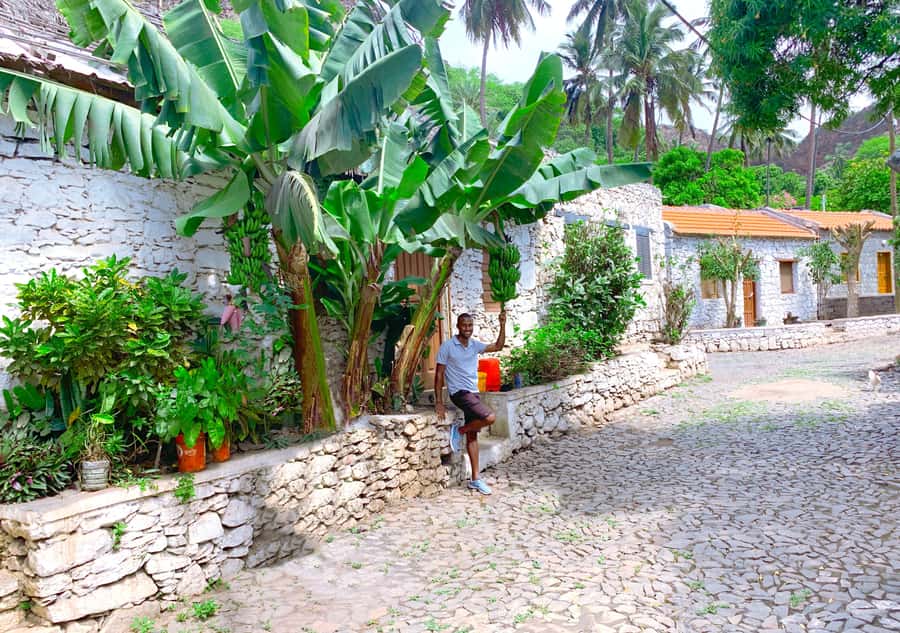
You’ll start with key highlights such as São Francisco Convent, Banana Street, and Nossa Senhora do Rosário church. Each one adds a different layer. The convent gives you that old institutional presence, the church connects to Portuguese-era religious architecture, and the street name is a small clue to daily life and local identity inside the historic core.
You’ll also get a chance to slow down around the old-town areas and soak in the feel of the place. The tour doesn’t try to cram in every possible corner of Cidade Velha. Instead, it focuses on the major points so you walk away with a mental map.
Lunch is included as a break, but it’s not included in your price. The tour provides time for you to eat at a typical restaurant right on the seafront. For budgeting, I’d treat lunch as a variable cost depending on what you order, plus any drinks.
São Filipe Fortress and the former slave market: serious stops, practical pacing

After lunch, the tour shifts into the parts of Cidade Velha that carry the heaviest context. You’ll visit the former slave market area, the ruins of the Sé Catedral, and the Royal Fortress of São Filipe.
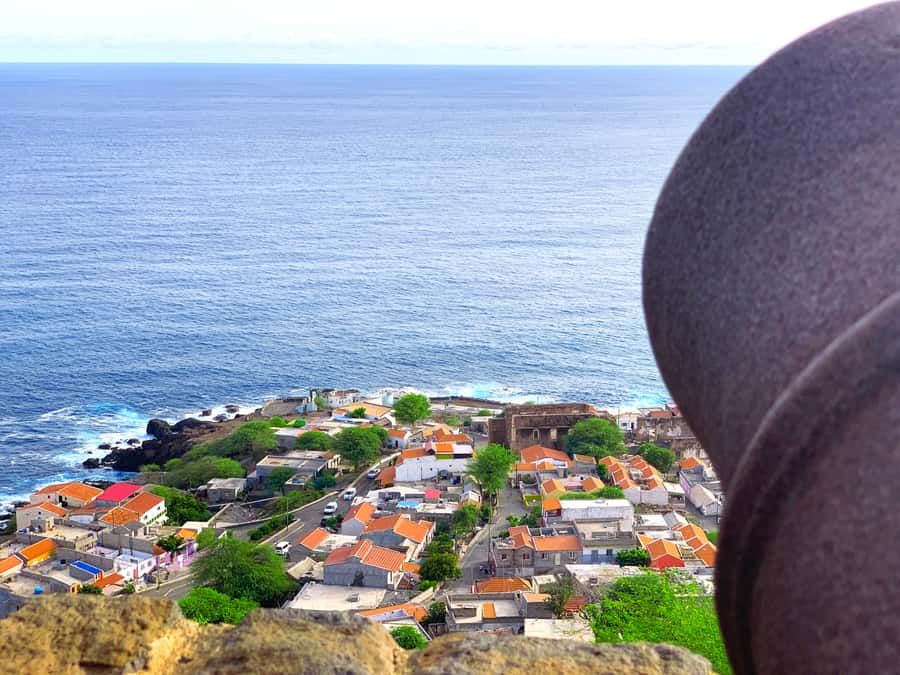
These stops matter because they show how a port city worked: not just trade, but power, control, and fear of attacks. The fortress is the standout visual component. From the top, you get a view over the whole old town, and you learn about the defense system used against pirates.
Even if you’ve visited fortresses before, this one has a specific purpose tied to maritime risk. You’re not just climbing for a photo; you’re climbing to understand why this architecture exists where it exists. That gives your time in Cidade Velha a storyline.
The former slave market is more sobering. I recommend you take your time there and let the guide explain what you’re seeing in context. If you’re traveling with younger kids or you prefer lighter history, you can still handle it, but it’s better to be mentally prepared.
The tour ends with drop-off back at your accommodation in Praia, so you don’t have to wrestle with transport after walking all afternoon.
Price and logistics: what you’re paying for, and what to budget

The price is $82 per person for a 4-hour experience that includes pickup and drop-off in Praia, transportation, a tour guide, and liability insurance. That’s good value when you consider that you’re getting two very different areas in one program: a valley trek plus multiple Cidade Velha sites.
Two costs are not included. Lunch is extra, and you’ll want to bring €5 for the entrance to the Fortress. Everything else in the plan—guiding and transport—is handled.
What you should be prepared for is time variability. One of the few negatives linked to this experience is that the tour can run longer than expected, especially if the walking pace changes for the group. Since the hike is graded easy but still involves steep or rocky sections, build a small buffer into your day.
Also, plan your day with comfort in mind. The tour strongly recommends hiking pants (especially August to November), decent footwear, a hat, sunscreen, and water. You’ll be glad you brought them, particularly for the narrow beginning of the trail and the inland sun exposure before you’re back near the coast.
Who should book this and who should think twice
This tour is ideal if you want a balanced taste of Santiago: greenery and animals in the valley, plus old-town landmarks that connect to how Cape Verde became what it is today. It also suits people who like guides who can answer questions and keep explanations moving at a human pace.
I’d especially consider it for couples and solo travelers who want structure without feeling trapped. The shared group option can be great value, but it’s also nice that you can choose a private tour or small groups.
Who should think twice? If you have mobility issues, it’s listed as not suitable for people with mobility impairments. And if you know you struggle with steep or uneven ground, don’t assume the easy label means flat and smooth. The trail is safe, but it’s still a trail.
Finally, if you’re the type who hates history that gets heavy, you might find the former slave market and fortress content intense. You can still enjoy the rest of the day, but be honest about how you handle that kind of learning.
Should you book this Calabaceira + Cidade Velha combo?
Yes, if you want a well-shaped day that connects nature, farming, and historic landmarks without turning into a marathon. You’re likely to get great guide storytelling, plus memorable animal sightings like kingfishers and monkeys, and a route that makes sense geographically. The rum distillery stop and farm field visit also add a practical, lived-in side that many walking tours miss.
Hold off or choose a private option if you’re worried about timing, uneven footing, or you need extra control over the pace. If you’re traveling with someone who walks slowly or has balance concerns, I’d treat the hike section seriously and wear sturdy footwear.
If you’re ready for a half-day plan that feels authentic—valley first, then UNESCO old town—this one is a strong pick on Santiago.
FAQ
How long is the trek and total tour time?
The total tour duration is 4 hours. Walking time is about 2 hours, and the trek covers roughly 5 km.
Is the trail really easy?
It’s rated easy, and the trail is described as accessible, but you should still expect uneven terrain and elevation changes. The path has medium tilt and a narrow start.
What should I bring with me?
Bring hiking pants (especially August to November), decent footwear, a hat, sunscreen, and water. You should also bring €5 for the Fortress entrance.
Is lunch included?
Lunch is not included. The tour includes a break to eat at a typical restaurant on the seafront.
Do I need to pay an entrance fee?
Yes. The Fortress entrance fee is €5 and is not included.
Can I choose a shared group or private tour?
You can choose between a shared group or a private tour. The shared group trek has a minimum of 2 participants.