REVIEW · HANOI
Sapa 2-Day Trekking Tour – Explore Villages & Scenic Trails
Book on GetYourGuide →Operated by Cat ba memories · Bookable on GetYourGuide
Rice terraces meet village life in two days. You choose Ta Van or Hầu Thào, then hike through Muong Hoa Valley, small ethnic villages, and scenic mountain paths with an overnight homestay. It’s a short trip that still feels real, not staged.
I really like the small-group vibe, with guides such as Mao, Thao, and Sung leading you at a workable pace. I also love the care around food, including vegetarian/vegan options and real attention to allergies, like Sung double-checking with host families.
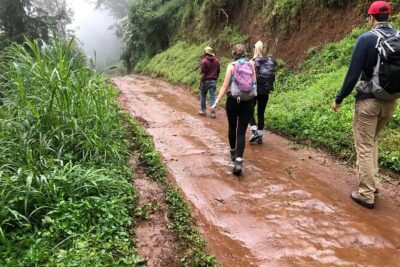
The main thing to consider is effort: you’ll hike about 10–14 km per day on moderate terrain, and trails can get muddy in rainy season.
In This Review
- Key things that make this trek worth your time
- What this trek feels like on the ground (not just on paper)
- Sapa’s Day 1 route to Ta Van: gentle culture in Muong Hoa Valley
- Sapa’s Day 1 route to Hau Thao: longer trails and fewer crowds
- Day 2 for both routes: Giang Ta Chai waterfall scenery and a return to Sapa
- Homestay night: the real value is the dinner, not the bed
- Guides and group size: why your day feels smoother
- Start times, meeting point, and how to avoid first-day stress
- What to pack for Sapa trekking (and what you’ll regret not bringing)
- Ta Van vs Hau Thao: which one should you book?
- Price and value: why $58 can be a smart spend
- Who this trek suits (and who should skip it)
- Should you book this Sapa 2-day trekking tour?
- FAQ
- How long is the trek and how far do you walk each day?
- Which route should I choose: Ta Van or Hau Thào?
- What meals and lodging are included?
- Can they handle vegetarian/vegan meals and food allergies?
- What should I pack for the trek?
- Is the trek suitable for everyone?
Key things that make this trek worth your time
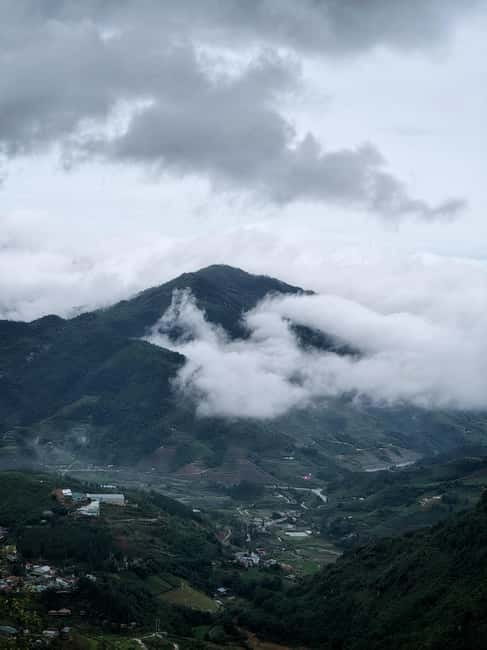
- Ta Van vs Hau Thao choices so you can match your mood: cultural and gentler, or longer and quieter
- Small groups and guide adjustments that keep the day from feeling rushed
- Overnight homestay experience with traditional meals and a chance to slow down
- Trail variety including rice terraces, bamboo forest walking, a suspension bridge, and waterfall scenery
- Food that actually takes dietary needs seriously from vegetarian/vegan to allergy checks
- Real weather conditions in Sapa with mud possible from May–September
What this trek feels like on the ground (not just on paper)
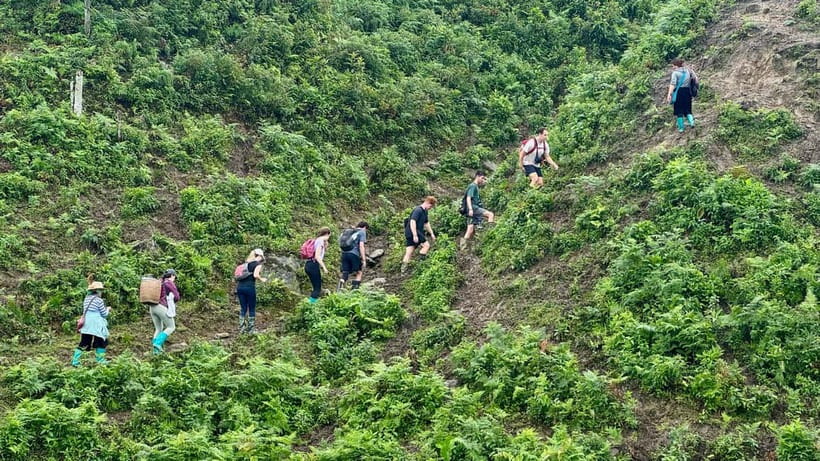
Sapa is one of those places where the views are the headline, but the day-to-day experience is what sticks. This trek is built around ethnic villages you can walk through, not a “look and leave” model. Starting from Sapa Town at 9:00 AM, you’ll spend two days moving through valleys, then wind down with a homestay dinner and breakfast.
The pacing is one of the big wins. Reviews consistently point to a workable distance each day and guides who check in and shift the route when needed. You’ll feel like the group has room to pause for photos, talk to locals, and catch your breath without turning it into a slow crawl.
One note before you plan your own fitness expectations: this is rated moderate, and it’s not a flat stroll. You’re doing hills, stairs, and uneven paths, and you’ll want shoes with grip.
You can also read our reviews of more tours and experiences in Hanoi.
Sapa’s Day 1 route to Ta Van: gentle culture in Muong Hoa Valley
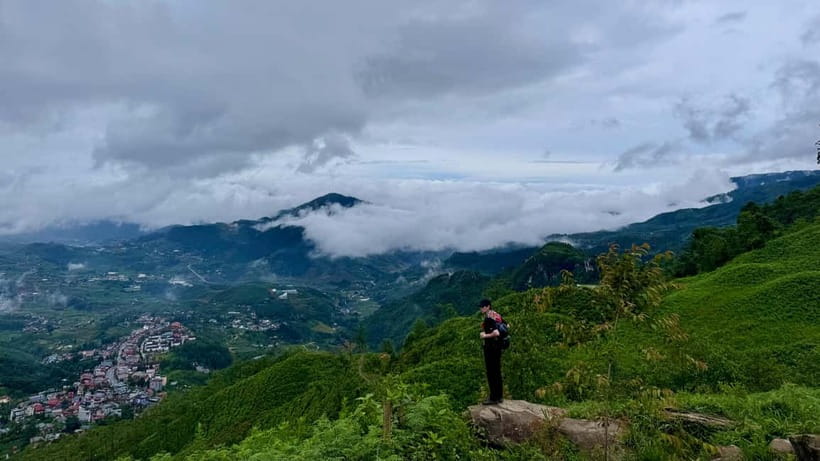
If you choose Ta Van, you’re basically picking a more comfortable, culture-forward walk. The hike begins the same way as the other option: Sapa Town to Y Linh Ho, then on to Lao Chai, which is known for local crafts and colorful costumes you’ll see up close on the trail.
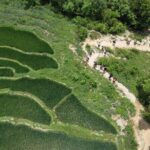
From Lao Chai, you’ll stop for lunch with big rice terrace views before reaching Ta Van. This is where the trip starts to feel personal. Ta Van is a place where you’re more likely to interact with the rhythms of daily life—people working in the fields, walking between homes, and using the same paths you just joined.
Your overnight stay is a Dzay homestay, and the dinner setup matters. In descriptions of the Ta Van route, you’ll often find that families cook traditional meals and that evenings are relaxed—stories by the fire show up in the experience more than once. You’re not stuck in a hotel routine here.
One practical caution: on the first day, you might see more roadside selling. It’s not guaranteed to be intense, but it’s common enough that I’d plan to handle it calmly and politely. If someone offers something, a simple no-thanks and a smile goes a long way.
Sapa’s Day 1 route to Hau Thao: longer trails and fewer crowds
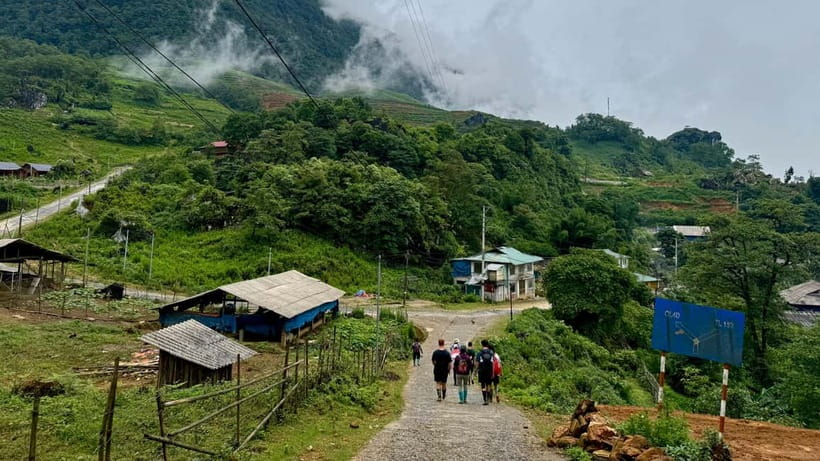
Hau Thao is the “go a bit farther” option, and that’s the whole point. You still start with the familiar early stretch through Y Linh Ho and Lao Chai, but the route pushes on toward the mountains to reach the remote village of Hầu Thào.
This is where you get a different kind of satisfaction. Instead of feeling like you’re following a well-worn path, the days tend to feel quieter and more spread out. Guides like Thao and Mao are singled out for steering you away from busy tourist spots, so you get the sense that the trail belongs to locals first.
You’ll also get dinner with a Black Hmong family, which is a big part of why people choose this route. It’s not only about the meal—it’s the feeling that you’re being hosted rather than processed. If you enjoy raw mountain scenery and don’t mind a bit more walking, Hau Thao is usually the better match.
Day 2 for both routes: Giang Ta Chai waterfall scenery and a return to Sapa

Day 2 has a similar ending for both routes, which is nice because you get the same payoff. After breakfast, you’ll cross a suspension bridge and head into bamboo forests (especially noted on the Ta Van version). Bamboo can look simple from a distance, but up close it changes the soundscape—more shade, cooler air, and that damp-leaf smell when the weather’s turned.
Then you reach Giang Ta Chai, described as a Red Dao village near a waterfall. It’s one of those stops that feels photogenic without being forced. You’re not just seeing a waterfall—you’re also seeing the village setting that grows around it.
Lunch happens on the way back, and then your driver brings you back to Sapa after that. One practical detail: because the second day includes your return leg, it’s the day you’ll feel the difference between strong legs and tired legs. If you have knee issues, treat the second day gently and tell your guide early if you want adjustments.
Homestay night: the real value is the dinner, not the bed
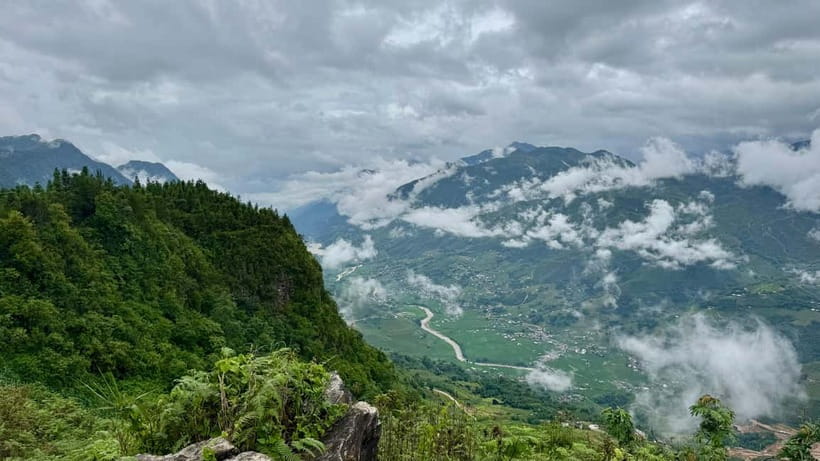
A 2-day trek can turn into a check-the-box night unless the homestay experience is handled well. Here, it tends to be a highlight. You stay one night in a private room at a homestay, and the package includes meals: 1 dinner and 1 breakfast, plus two lunches across the two days.
The meals are described as Vietnamese dishes with local ingredients, and that matters because it means you’re eating what’s realistic for a rural household, not a menu created for tourists. Vegetarian/vegan is available, and a review about a food allergy stood out for how seriously the guide took it—Sung reportedly double-checked with the host families.
That level of care is one of the biggest “value multipliers” at this price point. If you’ve ever had your dietary plan get treated like a suggestion, you’ll appreciate that this setup takes it seriously.
Some homestays also come with small perks based on the day’s timing, like the chance to cool off near a waterfall (one review specifically mentions a swim). If you think you might want that option, pack a swimsuit just in case.


Guides and group size: why your day feels smoother
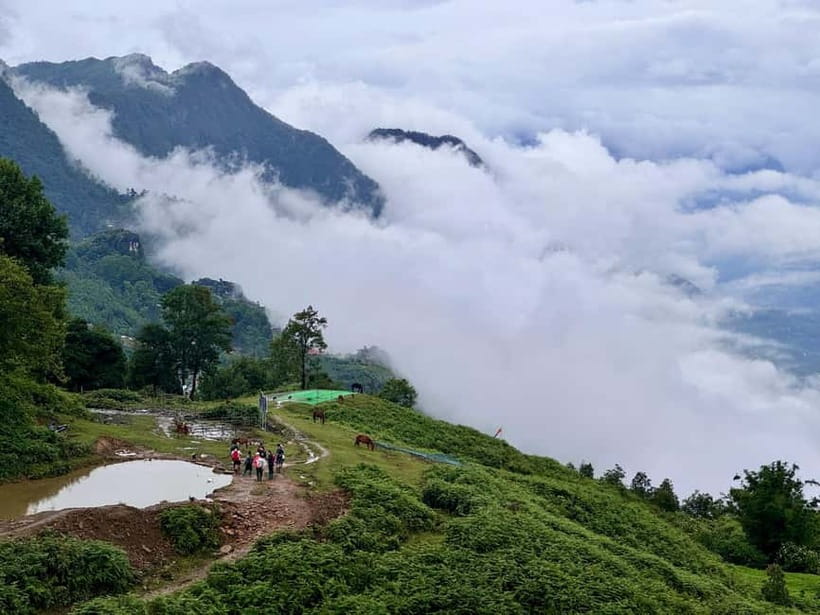
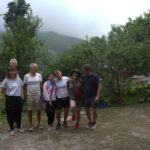
This tour is built around expert local guides, and the reviews underline that guides often speak strong English and explain what you’re seeing. Names that come up repeatedly include Mao, Thao, Sung, Su, Ai, Chai, Tung, and Gom. Even when guides are different people, the common thread is clear: they connect the trail to culture instead of tossing facts at you.
Another reason the day stays enjoyable is that small groups help with timing. One review mentions a group size of only five people, which likely explains why the pace feels adjustable. You can ask questions, take a breather, and avoid that awkward herd feeling.
There are also small “service” moments that matter more than you’d think: a guide who notices someone needs an easier path, or who keeps the group together so nobody ends up alone on a narrow section. If you’re traveling solo or you don’t love big tours, this is a strong fit.
Start times, meeting point, and how to avoid first-day stress
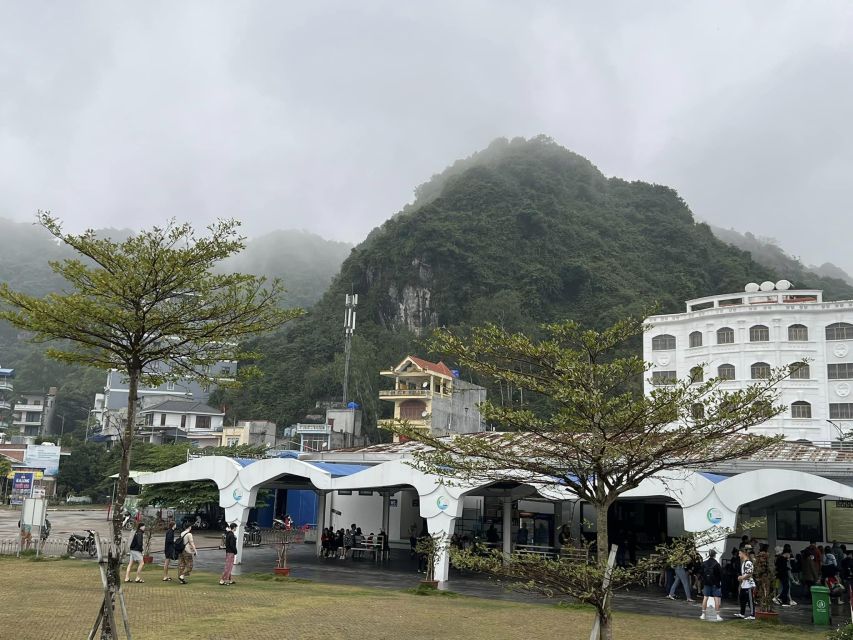
The trek starts from Sapa Town at 9:00 AM. You’ll do best if you arrive 15–30 minutes early. The meeting point is around Sapa TT Homestay, about 1 km from Sapa’s central area, and you’re advised to arrive at least 30 minutes before departure time for check-in, luggage storage, and a pre-trek briefing.
Big bags can be stored at the office. Bring a small daypack for water and your personal essentials. This keeps your movements easier on uneven ground.
Plan for weather shifts. Sapa can change fast. The trek runs year-round, but rainy season (May–September) can make trails muddy. A rain jacket and hiking shoes with grip are not optional in those months.
What to pack for Sapa trekking (and what you’ll regret not bringing)

You’ll get the most comfortable experience if you pack for wet, wind, and steep steps. Here’s what you should bring:
- Comfortable shoes with grip (hiking shoes are ideal)
- Sun hat and sunglasses for terrace glare
- Water (a bottle you can actually carry)
- Long pants and comfortable layers
- Insect repellent
- Change of clothes for the end of the day
- A rain jacket for muddy trail days
Also consider: if you’re prone to cold, bring warm layers. Several reviews mention chilly weather in winter months and the difference that warm clothing makes.
What you should avoid: the tour doesn’t allow things like electric wheelchairs or explosive substances. If you bring a pet, pets are allowed but must be leashed and registered in advance.
Ta Van vs Hau Thao: which one should you book?
Here’s the decision rule I’d use.
Choose Ta Van if you want:
- A gentler, shorter-feeling day through Muong Hoa Valley
- A more culture-forward route with early village stops
- An overnight homestay experience with a Dzay host setting
Choose Hau Thao if you want:
- Longer distances and more remote trail time
- Fewer tourist crowds and more off-the-beaten-path walking
- Dinner with a Black Hmong family and a wilder mountain vibe
If you’re unsure, think about your tolerance for rougher terrain and how much you value quiet. Hau Thao tends to trade comfort for solitude.
Price and value: why $58 can be a smart spend
At $58 per person, you’re paying for a compact trip that usually costs more when you build it yourself. The included value is strong for a short duration:
- Local guide support across the trek
- Overnight homestay with a private room
- Meals: 2 lunches, 1 dinner, 1 breakfast
- Essential tickets/sightseeing items
- Car pickup back to Sapa on Day 2
Also, the reviews point to real service value: dietary attention for allergies, route adjustments, and the small-group feel. That’s where cheaper tours often fall apart, because they try to cut corners on guiding quality and meal planning.
One thing I’d flag as a sanity check: the inclusions list you get may mention Cat Ba transfers and a day cruise in Lan Ha Bay and Ha Long Bay with kayaking. Your trek schedule is Sapa-centered, so it’s worth verifying what your booking includes end-to-end so you’re not surprised by timing.
Who this trek suits (and who should skip it)
This tour is a great match if you:
- Want a 2-day, 1-night format that still feels connected to local village life
- Enjoy nature + culture more than museum stops
- Are okay with moderate hiking and want a guide handling the route
- Care about food and appreciate dietary checks
It’s not a good fit if you:
- Are pregnant
- Have back problems, heart problems, or significant mobility limitations
- Use a wheelchair
- Are visually impaired
- Have an insect allergy
If you’ve got knee concerns, the trek may still be doable, but you’ll want good shoes and you should tell your guide early. The effort level is manageable for many people, yet it can still be tough on sensitive joints.
Should you book this Sapa 2-day trekking tour?
Yes, I’d book it if you want an experience where the trail connects to real village life, you like small groups, and you value a guide who explains more than just sights. The overnight homestay and meal planning are strong parts of the value, and the allergy-aware food handling is a big plus.
I would hesitate only if you know you can’t handle 10–14 km days, steep, uneven steps, or muddy conditions in rainy months. Also, confirm the full package details you’re receiving—especially if your booking materials include other segments—so your pickup and timing match what you think you’re signing up for.
If that all lines up, you’ll likely come away with the kind of Sapa memory that’s more than a photo: villages, trail moments, and the calm feeling of having real time with the place.
FAQ
How long is the trek and how far do you walk each day?
The trek starts at 9:00 AM from Sapa Town. Distances are typically 10–14 km per day with moderate difficulty. One review notes about 3.5 hours on the first day and 2 to 2.5 hours on the second day, depending on pace and route.
Which route should I choose: Ta Van or Hau Thào?
Ta Van is the cultural immersion option through Muong Hoa Valley with a gentler feel and shorter distances. Hau Thào is the remote, more adventurous option with longer distances and fewer tourists, including dinner with a Black Hmong family.
What meals and lodging are included?
You stay one night in a homestay in a private room. Meals included are two lunches, one dinner, and one breakfast, with vegetarian/vegan available. Meals are Vietnamese dishes made with local ingredients.
Can they handle vegetarian/vegan meals and food allergies?
Yes. Vegetarian/vegan is available, and the guidance includes attention to safety for dietary needs. One review specifically mentions an allergy being handled with double-checking with host families.
What should I pack for the trek?
Bring comfortable shoes, water, long pants, sun hat, sunglasses, insect repellent, and a change of clothes. A rain jacket and hiking shoes are also recommended since trails can be muddy, especially May–September.
Is the trek suitable for everyone?
It’s described as moderate difficulty and not suitable for pregnant women, people with back problems, heart problems, or mobility impairments, and it’s not suitable for wheelchair users, visually impaired people, or people with insect allergies. Pets are allowed only if leashed and registered in advance.