REVIEW · POKHARA
Mardi Himal Base Camp Trek (5 Days)
Book on Viator →Operated by Nepal_first · Bookable on Viator
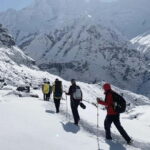
Mardi Himal rewards early starts and quiet trails. This short trek from Pokhara turns the Annapurna Conservation Area into your personal viewpoint circuit, with nature feeling close and the trail far less crowded than Annapurna Base Camp.
I especially like the built-in sunrise plan, with the trek starting around 4–4:30 AM so you can chase the first light at Mardi Himal Base Camp (or a nearby viewpoint if timing slips). One drawback to plan for: this experience depends on good weather, and fog can soften the views even when you follow the schedule.
In This Review
- Key things that make this trek worth your time
- Why Mardi Himal feels different from the bigger Annapurna routes
- Price and what you’re actually getting for $480
- The trek reality check: fitness, pace, and weather
- Day-by-day: from Pokhara Lakeside to Mardi Himal Base Camp
- Day 1: Pokhara Lakeside to Forest Camp (about 6 hours trekking)
- Day 2: Forest Camp toward Badal Dhanda (about 6 hours)
- Day 3: To High Camp for 360-degree views (about 5 hours)
- Day 4: Sunrise at Mardi Himal Base Camp (about 6 hours)
- Day 5: Trek back to Pokhara via Sidhing (about 8 hours)
- Tea houses and meals: what comfort level to expect
- The guide factor: Madhav, Madu, and pace that matches you
- Who this Mardi Himal trek suits (and who might want another option)
- Should you book this 5-day Mardi Himal Base Camp trek?
- FAQ
- What is the duration of the Mardi Himal Base Camp trek?
- Where does the trek start and end?
- Is pickup from Pokhara included?
- Are permits included in the price?
- What meals and lodging are included?
- Do I need to bring trekking equipment?
- Is a porter included?
- Is this a private group experience?
- What happens if weather is poor?
Key things that make this trek worth your time
- Short trek, real mountain payoff: 5 days for base-camp-style scenery without a huge time commitment.
- Sunrise timing on Day 4: early starts help you maximize visibility at Mardi Himal Base Camp.
- Quieter trails inside ACAP: more silence and fewer people than the best-known routes.
- Guides who adapt to your pace: from the people leading these trips, the common theme is listening and adjusting.
- Permits included: TIMS and the Annapurna Conservation Area Project (ACAP) are part of the package.
- Food and lodging covered on the trek: you’re not hunting meals at every stop.
Why Mardi Himal feels different from the bigger Annapurna routes
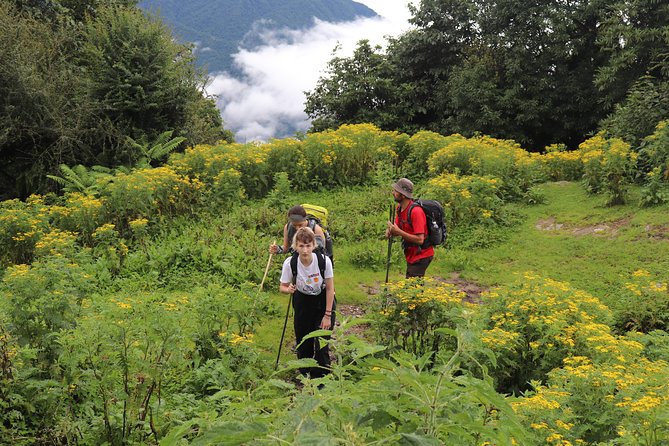
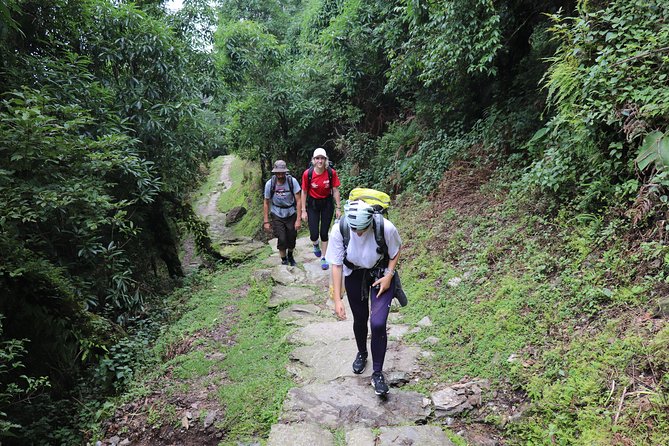
Mardi Himal is in the Annapurna region, so you get that big-Himalaya feeling. But the vibe is calmer. The trek is becoming popular, yet it still doesn’t feel as packed as the Annapurna Base Camp route. That matters more than it sounds. When the trail has space, you hear more birds, you walk slower without feeling pressured, and you notice small details like the way the forest changes as you climb.
You’ll also be trekking inside the Annapurna Conservation Area Project (ACAP). That’s not just paperwork. In practical terms, it means you’re moving through a protected landscape where the natural rhythm of the place is part of the experience. One day you’ll be in wooded areas with silence broken by occasional wildlife; another day you’ll be stepping into higher, clearer outlooks where the mountains show up all at once.
If you like your trekking days to feel human-scale—no crowds pushing behind you—Mardi Himal is a strong pick.
You can also read our reviews of more tours and experiences in Pokhara.
Price and what you’re actually getting for $480
At $480 per person for about 5 days, this isn’t a “luxury lodge” deal. It’s a trekking package that tries to cover the essentials so you can focus on the hike.
Here’s the value in plain terms:
- Permits included: TIMS plus ACAP. That’s not optional cost you need to hunt down later.
- Meals and accommodation included on the trek: breakfast (4), lunch (4), dinner (4), plus lodging each night during the trek.
- Private transportation: you’re not piecing together buses and taxis between the trek legs.
- Pickup offered and mobile ticket provided.
What’s not included is also important:
- Trekking equipment (bring or rent gear separately)
- Porter services
- Personal expenses
So the real question is whether you’re okay traveling at a normal trekking level—tea houses, shared dining spaces, and basic rooms—rather than expecting hotel standards. If you are, this price looks fair because you’re not paying extra for the big admin stuff and the core trek logistics.
The trek reality check: fitness, pace, and weather
This is listed for travelers with moderate physical fitness. That’s helpful, because it implies you don’t need to be an ultra-athlete. Still, the trek is not a stroll. You’re hiking multiple hours per day, with an early-morning Day 4 that starts around 4–4:30 AM.
Weather is the bigger reality check. The experience requires good weather, and it can be canceled due to poor conditions. You’ll want flexible expectations: fog can happen, and higher routes can be less predictable than lower valley walks.
A smart way to handle this is to plan for “views as a bonus,” not as a guarantee. Even on days when the mountains are shy, the walk through forests, the changing air, and the sense of altitude all still feel worthwhile.
Day-by-day: from Pokhara Lakeside to Mardi Himal Base Camp
Below is what your days look like, and what each one gives you.
Day 1: Pokhara Lakeside to Forest Camp (about 6 hours trekking)
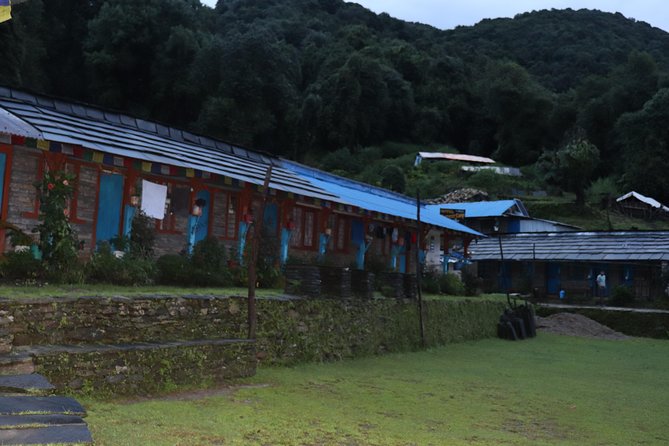
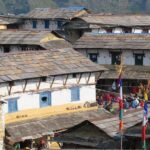
You start early from Pokhara Lakeside, heading toward Khande before you begin the trek. The first hiking day ends at Forest Camp, where you’ll sleep at a local tea house.
Why Day 1 matters: it’s your warm-up and your mental switch. You leave the city behind, get into a steady trekking rhythm, and start feeling the Annapurna region change under your feet. The tea house stay is simple, but it’s a key part of the experience—this is how you settle into the trek life without extra planning.
Practical note: since you’re starting early, keep your first-day packing tidy. You’ll want quick access to water, a light layer, and anything you use right away while walking.
Day 2: Forest Camp toward Badal Dhanda (about 6 hours)
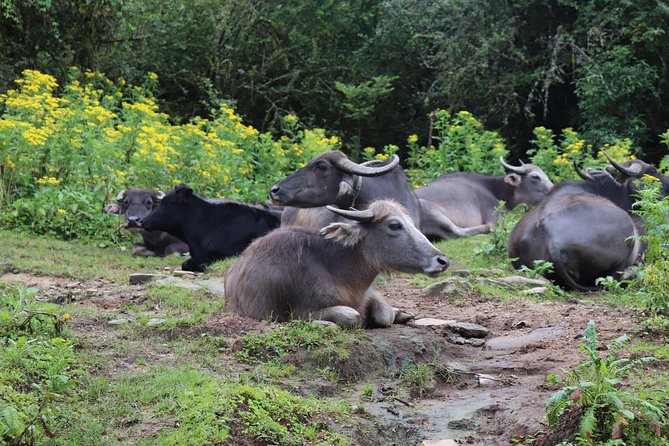
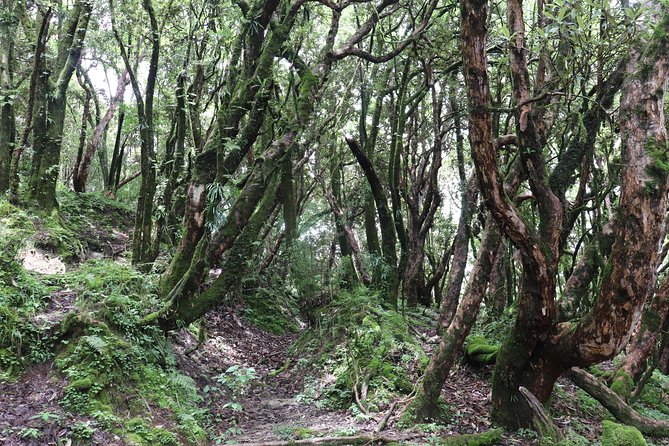
After breakfast, you trek toward Badal Dhanda. This is the day many people remember for the mood: you walk through jungles inside the Annapurna Conservation area, with trees, some wildlife, and a lot of silence.
This is where you’ll feel why Mardi Himal stays memorable even though it’s a shorter trek. You’re not rushing through landscapes just to reach a single summit moment. You’re actually spending time inside the environment—listening, watching, and noticing the trail shift.
If you’re the kind of traveler who likes “walks that feel alive,” Day 2 is a highlight.
Day 3: To High Camp for 360-degree views (about 5 hours)
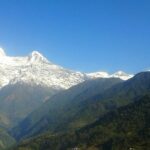
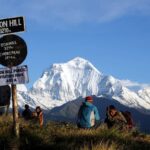
Day 3 moves you from the forest feel toward High Camp, a hike of about 4–5 hours. As you climb, you start getting a 360-degree view of the Annapurna Conservation District and Himalayan mountains.
What makes this day special: it’s the transition from “I’m trekking” to “I’m surrounded.” Even if visibility isn’t perfect, the sense of open sky and expanding horizons starts to show up.
This is also a good day to manage your pace. Go steady so you arrive with energy for whatever views you get next.
Day 4: Sunrise at Mardi Himal Base Camp (about 6 hours)
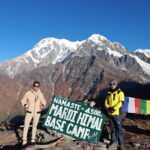
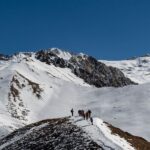
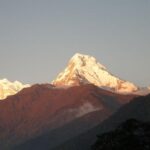
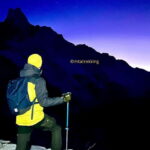
This is the big early morning. Your trek begins around 4–4:30 AM to reach Mardi Himal Base Camp for sunrise. If you can’t make base camp before sunrise, the plan is to continue to a viewpoint for magnificent views.
Why the schedule is worth caring about: sunrise isn’t just a photo moment here. Early light often changes the clarity of the mountains and the way colors sit on ridgelines. Even when you don’t get perfect conditions, you’ll still experience the excitement of being up before the day feels real.
Also, Day 4 is when you’ll feel the emotional payoff of the earlier days. You worked through the quiet trails and the climb, and now the mountains have your full attention.
Day 5: Trek back to Pokhara via Sidhing (about 8 hours)
On your final day, you start the hike back early. You trek toward Sidhing, where you catch your ride back to Pokhara.
Day 5 is longer on paper (about 8 hours), so treat it like a proper finish day, not a casual stroll. The best approach is simple: hydrate, keep moving, and don’t burn out early. The goal is to arrive in Pokhara feeling good, not wrecked.
When you reach Pokhara again, the contrast is immediate. You’ll go from mountain air and tea house meals to normal city life—and that return is part of what makes the whole trek feel like a journey.
Tea houses and meals: what comfort level to expect
This package includes food and accommodation on the trek: breakfasts, lunches, dinners, plus sleeping each night during the trekking portion.
What you should assume based on the setup:
- You’ll be staying in tea houses/local lodges, not full-time hotel rooms.
- Meals will be simple, warm, and centered on what hikers typically eat at altitude.
- The bigger “comfort” win comes from not having to organize your next meal and bed each day.
If you’re someone who hates logistics, that’s a real quality-of-life upgrade. And since the trek is short, you won’t spend weeks living out of a backpack either.
The guide factor: Madhav, Madu, and pace that matches you
A strong pattern in the trip experiences tied to this itinerary is guide involvement beyond directions. Names like Madhav, Madu, and Madhu show up repeatedly, and the praise has a common thread: they adjust to what you need.
People describe guides who:
- take the group’s pace into account,
- explain what you’re seeing—culture and nature as you go,
- help make the trip logistics feel easier.
One detail I think matters for your real day-to-day experience: a guide who listens reduces decision fatigue. Instead of you constantly figuring out where to stop, what to prioritize, or how hard a section feels, you get a steadier plan.
If you want a trekking partner who teaches you along the route (and not just “walk here, turn there”), this style of guiding fits well.
Who this Mardi Himal trek suits (and who might want another option)
This trek is a good match if:
- you want a 5-day Himalayan trek from Pokhara,
- you enjoy forest walking and quieter trails,
- you care about sunrise views enough to wake up early,
- you’d rather have permits, meals, and basic trek logistics handled.
It may be less ideal if:
- you need a guaranteed sunny-mountain panorama every day (weather can change),
- you hate early mornings (Day 4 starts around 4–4:30 AM),
- you’re expecting porter help included by default (porter services are not included).
If you have your own porter plans or gear rental sorted, you’ll keep costs predictable. If you rely on the package for every support need, you’ll want to adjust expectations.
Should you book this 5-day Mardi Himal Base Camp trek?
If you want a shorter trek that still delivers big mountain moments, I think this is a solid buy. The price makes sense because it includes the key permit costs, plus meals and accommodation on the trail. The itinerary also reflects what matters most for Mardi Himal: quiet forest time on the way up and an intentional sunrise push on Day 4.
I’d book if you’re comfortable with moderate exertion, you can handle early start times, and you’re flexible about weather. If that sounds like you, you’ll likely end up with that rare mix: calm hiking days and then a proper base-camp sunrise payoff.
If you want, tell me your travel month and fitness level (and whether you prefer sunrise or comfort). I can help you sanity-check whether a 5-day plan is the right pace for you.
FAQ
What is the duration of the Mardi Himal Base Camp trek?
It’s listed as about 5 days.
Where does the trek start and end?
The trek starts with an early departure from Pokhara Lakeside and ends back in Pokhara after the trek returns via Sidhing.
Is pickup from Pokhara included?
Yes, pickup is offered.
Are permits included in the price?
Yes. Permits included are TIMS and the Annapurnace Conservation Area Project (ACAP).
What meals and lodging are included?
Food and accommodation on the trek are included, including breakfast (4), lunch (4), and dinner (4).
Do I need to bring trekking equipment?
Trekking equipment is not included, so you’ll need to bring it or arrange rentals separately.
Is a porter included?
Porter services are not included.
Is this a private group experience?
Yes. It’s a private tour/activity, and only your group participates.
What happens if weather is poor?
The experience requires good weather. If it’s canceled due to poor weather, you’ll be offered a different date or a full refund.