REVIEW · POKHARA
Pokhara: 4-Day Ghorepani, Poonhill & Ghandruk Mountain Trek
Book on GetYourGuide →Operated by Snow Peak Tours and Travels pvt. ltd. · Bookable on GetYourGuide
Poon Hill sunrise changes how you see mountains. I love the early-morning views and the Ghandruk Gurung village nights, and I like that meals, permits, and tea-house stays are handled so you can focus on walking and photos. The one drawback: you’ll hike uphill for hours on multiple days, so solid shoes and realistic fitness matter.
This is a short trek that still feels like a real Annapurna-region experience. You start with a drive and a gradual uphill day, then build toward the big sunrise, then finish with village time and an easy descent back to Nayapul.
One more thing I appreciate: the trek runs like a system. There’s a certified guide (English, Hindi, Nepali), pickup from Pokhara Lakeside/Sarangkot or the airport, and plenty of structure so you’re not guessing what’s next at 4 a.m.
In This Review
- Key highlights to expect on this trek
- Pokhara to Ulleri: a gentle uphill start with Magar hospitality
- Ghorepani day: rhododendron forest walking before the big morning
- Poon Hill at sunrise: cold air, big peaks, and timing that matters
- Ghandruk: Gurung village life with a real sense of place
- Tea houses and meals: value that reduces decision fatigue
- Price and value: what $181 includes, and what you still need to plan
- How hard is this trek, really? Altitude, pace, and fit
- Picking your guide: the names that keep coming up
- Should you book this Pokhara Ghorepani Poon Hill and Ghandruk trek?
- FAQ
- How long is the trek from Pokhara to Ghorepani, Poon Hill, and Ghandruk?
- What is the main route during these 4 days?
- What does the price include?
- Do I need permits for this trek?
- What languages are the guides available in?
- Do I need to hire a porter?
- Is travel insurance included?
- What is the pickup and drop-off situation in Pokhara?
Key highlights to expect on this trek
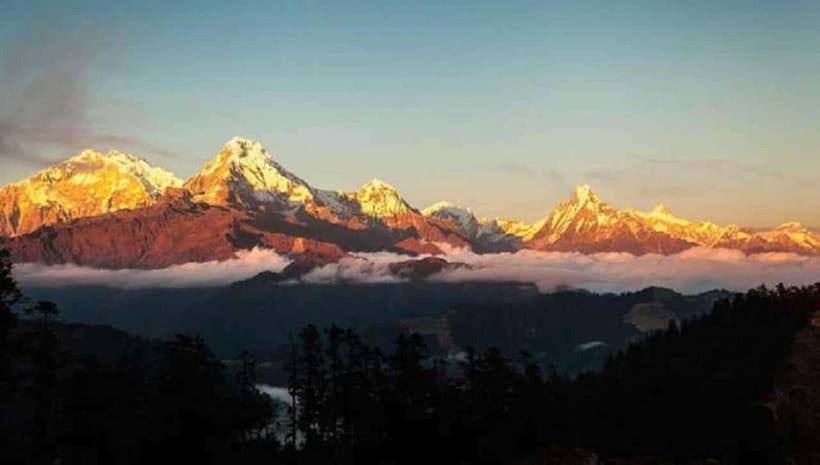
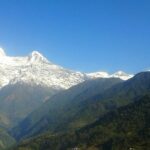
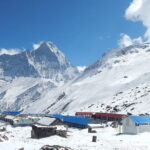
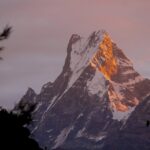
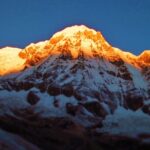
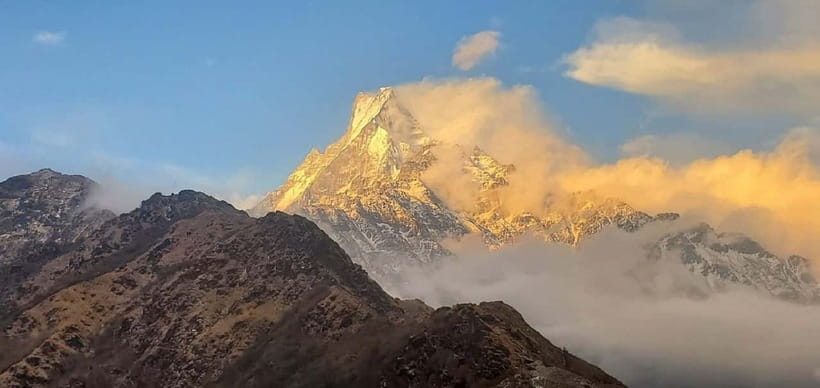
- Golden sunrise from Poon Hill with Annapurna and Dhaulagiri peaks lighting up
- Ghandruk with Gurung culture and a slower pace after the early-morning effort
- Rhododendron forest walking plus small villages and chances to spot wildlife
- Tea-house comfort that matches the route (simple rooms, blankets, and usually warm meals)
- Guides who handle the details well, with many praised for keeping pace and finding good lunch spots
Pokhara to Ulleri: a gentle uphill start with Magar hospitality
Day 1 is built to get you moving without throwing you straight into suffering. You’ll start with breakfast in Pokhara, then travel toward Naya Pul by car/bus/coach (about 1 hour), with a short break and photo stop along the way. From Naya Pul, you hike up to Ulleri for roughly 5–6 hours.
The Ulleri segment is where this trek earns its “first Nepal hike” reputation. It’s not flat, but it’s steady. Along the way, you’ll pass through small settlements and learn how daily life looks when people live close to the trail. When you reach Ulleri, you’re not stuck in a single hotel box—you get a real sense of mountain community, and the dinner and overnight stay in a simple tea house sets the rhythm for the next days.
In practice, Day 1 is also your gear check. If your boots rub, you’ll feel it. If your layers are wrong, you’ll notice on that climb. Use that day to adjust: take care of your feet early and you’ll enjoy the sunrise days much more.
You can also read our reviews of more tours and experiences in Pokhara.
Ghorepani day: rhododendron forest walking before the big morning
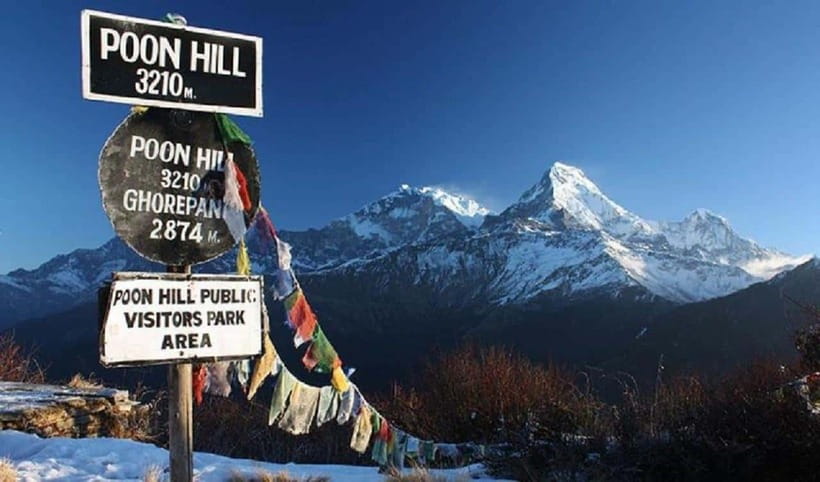
On Day 2, you wake up to colder air and a simple plan: trek to Ghorepani for about 4–5 hours. This is the “in-between” day that matters. You’re not chasing the sunrise yet, but you’re building altitude and switching into the Annapurna-region vibe: forests, villages, and frequent bends in the trail where a new view appears.
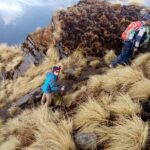
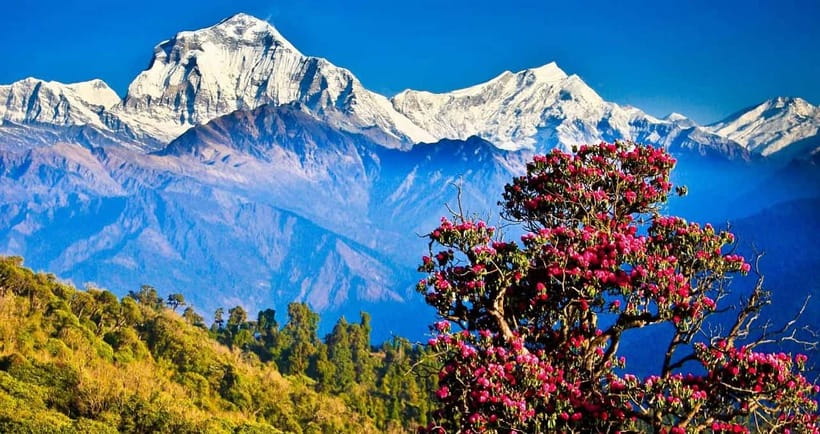
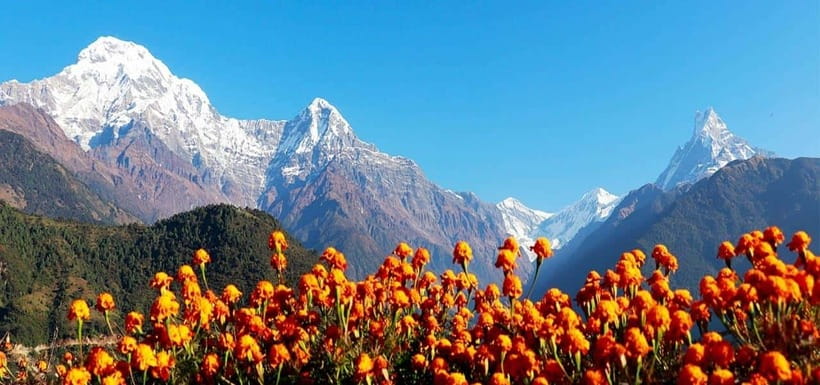
The walk takes you through rhododendron forests, which can be especially colorful when conditions align. You’ll also pass through local villages, and the route allows for wildlife sightings—things like birds and monkeys have shown up on this kind of trek for other hikers. Keep your camera handy, but also know when to put it away and just look.
Lunch is served at Nangethati, which gives you a natural pause halfway through the effort. By the time you reach Ghorepani, you’ll understand why people sleep well here: you’re close enough to Poon Hill that the next morning won’t feel like an impossible promise, but far enough to earn the reward.
Poon Hill at sunrise: cold air, big peaks, and timing that matters
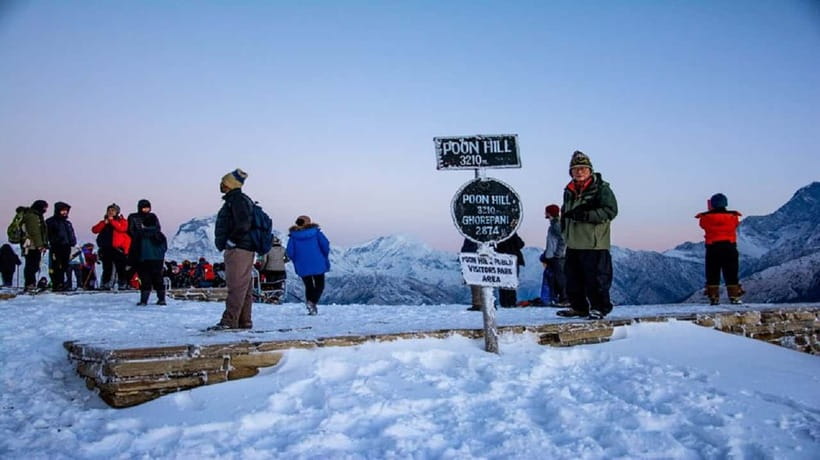
Day 3 is the headline act. You rise early to reach Poon Hill, catch sunrise, then continue the trek onward to Ghandruk. The Poon Hill portion is scheduled for about 1 hour of walk/time for the summit area and sunrise viewing, and you’ll want to start with enough energy to enjoy it, not just survive it.
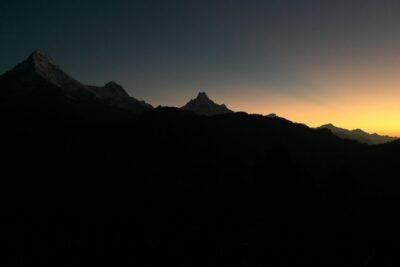
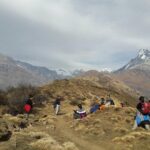
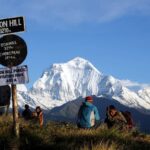
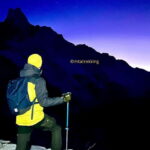
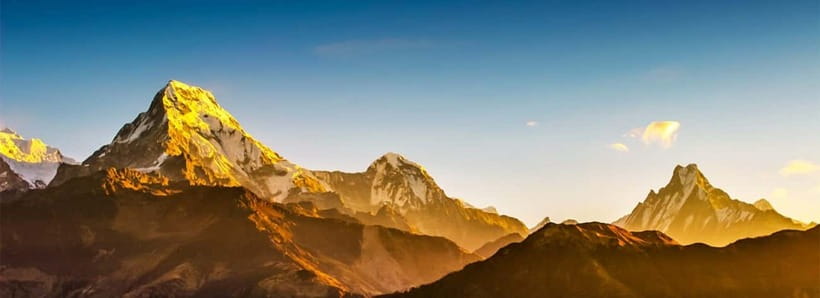
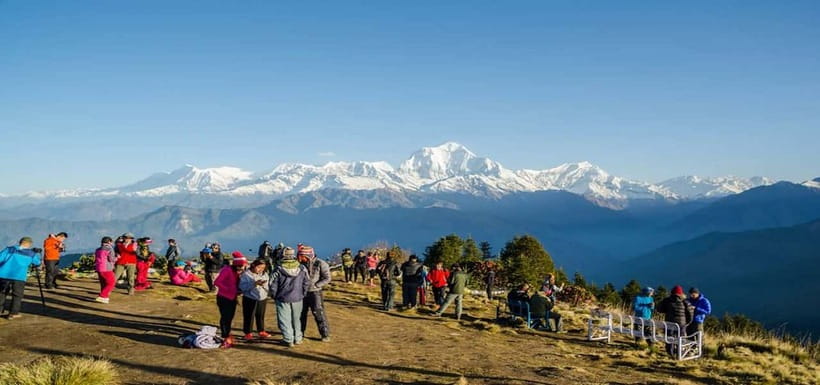
Here’s the practical reality: sunrise at high viewpoints can be chilly. Expect early hours, cold fingers, and the kind of quiet that makes your body feel every step. But when the light hits the ridgelines, the effect is the whole point. This is where you see why the Annapurna and Dhaulagiri names get repeated so often. Peaks catch the first gold light, and the valley turns into a patchwork of folds and layers.
After sunrise, you head back for breakfast, then keep trekking toward Ghandruk. Along the way you pass through Tadapani, which is a calming stop that breaks up the effort before you continue. Lunch is included, and the day ends in Ghandruk village, where you have time in the afternoon to slow down and take in the Gurung community.
If the morning is all fire and focus, Day 3 is where the trek balances out: you get the drama first, then you get the people.
Ghandruk: Gurung village life with a real sense of place
Ghandruk isn’t a stop you rush through. It’s where the trek shifts from “walking mission” to “mountain living.” You’ll spend your later Day 3 time in the village, and then Day 4 starts with a traditional Gurung breakfast before you descend.
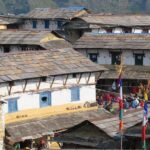
Ghandruk is built around community structures—small paths, home-style tea-house stays, and daily routines that don’t revolve around trekking schedules. That’s why it feels more authentic than many viewpoint-only days. You see how people earn a living with tourism while still keeping their own pace.
Also, because this is a short trek, you avoid the “arrival fatigue” that happens when you’re constantly switching villages. You actually get time to sit, eat, and talk. You’ll likely return to your room or common area in the evening feeling like you met the place, not just passed over it.
Tea houses and meals: value that reduces decision fatigue
This trek includes meals throughout the trip (depending on your selected option) and accommodation in simple tea houses or lodges. That matters more than it sounds.
Without included meals, you spend half your day bargaining between menus and figuring out what’s open. With included meals, your guide can steer you toward good food stops and you can focus on the walk. Many hikers also appreciate how food at altitude is simple, filling, and comforting after the day’s climb—especially when you’re tired and your body just wants something warm.
Accommodation is basic, not luxury. Expect simple rooms, blankets, and the kind of “cozy cold” mountain evenings where you feel the temperature drop after sunset. Some lodges on this route often offer hot showers, and at minimum, you’ll have warm tea and bedding to keep you comfortable enough for sleep.
One more small tip: bring a little patience for tea-house life. Your day moves at trail speed, not city speed. In return, you get the real rhythm—early starts, shared dining areas, and that gentle sense of being part of the trekking stream.
Price and value: what $181 includes, and what you still need to plan
At $181 per person for 4 days, the real value isn’t just the walking. It’s the package of logistics that removes stress.
You’re covered for:
- Round-trip transportation between your Pokhara hotel/airport area and the trek starting point (including Naya Pul)
- Certified trekking guide
- Permits and fees
- All guide expenses
- Meals during the trek
- Tea-house/lodge accommodation
- Luggage storage in Pokhara
- A first aid kit
- Trekking gear support like trekking sticks and sleeping bags as needed (and you’ll still want to follow the packing list)
That’s why this price can work for people who want a guided experience without getting lost in “add-on math.” It’s also a plus if you’re short on time in Nepal and want someone else to handle the permits and daily routing.
What’s not included (and you should budget for) is also clear:
- Travel insurance (mandatory)
- Personal expenses like snacks and drinks
- Emergency rescue services (if needed)
- A porter is optional at $20 per day if you decide you want one
My best money advice: treat the included setup as your base, then add only what keeps you safe and comfortable. Insurance is non-negotiable. Porter costs are personal, based on your strength and comfort with carrying your own pack.
How hard is this trek, really? Altitude, pace, and fit
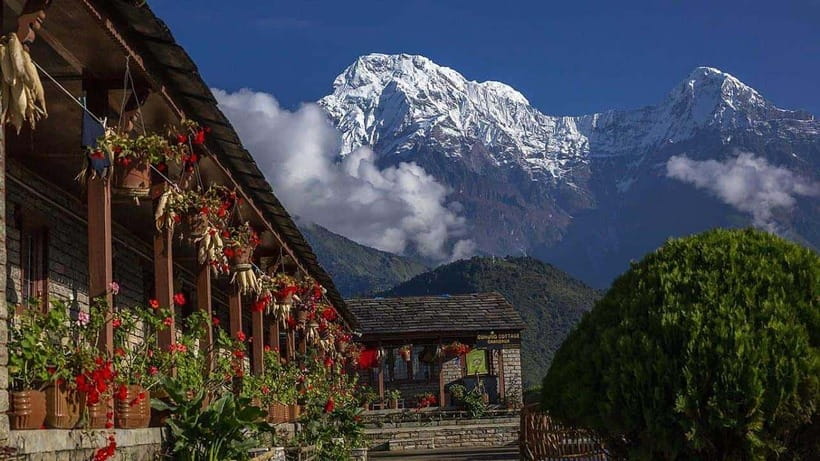
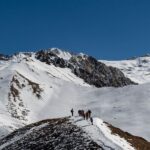
This is a short trek, but it’s not a stroll. The route includes multiple multi-hour uphill days:
- Ulleri: about 5–6 hours
- Ghorepani: about 4–5 hours
- Ghandruk: Day 3 includes a full hiking day after sunrise and Day 4 is a descent and drive back
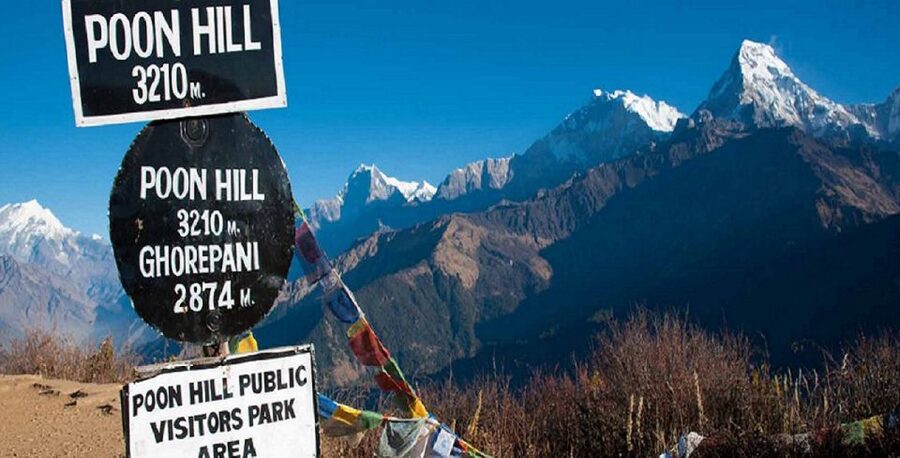
Altitude is a factor. One reference hikers used on this route places Poon Hill around 3,210 meters, which is high enough to remind your lungs that you’re not in the lowlands.
The good news: the trek is often done by first-timers because it’s structured. Plus, guides typically manage pacing well. Many hikers praised their guides for keeping them moving at a comfortable speed, making sure everyone had time to recover, and adjusting when someone wasn’t feeling great.
If you want to feel good on this trek, aim for:
- Good footwear with real grip
- Warm layers for cold mornings and nights
- A calm pace you can sustain
- Enough fitness to handle daily walking without needing to sprint
And do not ignore the tour’s health caution. If you have medical issues, plan to consult your doctor before you go. Altitude and early mornings are not the time to “see what happens.”
Picking your guide: the names that keep coming up
A lot of the satisfaction on this trek seems to come down to the guide. When you book, ask who you’ll be trekking with. On this route, several guides have earned strong praise for being fun, supportive, and organized—especially on the sunrise day and during meal planning.
Names that have been singled out include Jeet Bhadur Nepali, Chandra, Santosh, Bala, Purushottam, Tanka, Anil, and Golman. The common thread: guides who explain what you’re seeing, help with timing, and keep the group together without rushing.
Even if your guide isn’t one of these names, the pattern matters. A good guide makes the trek feel smoother: they find good lunch spots, manage energy, and help you enjoy the view instead of just racing toward it.
Should you book this Pokhara Ghorepani Poon Hill and Ghandruk trek?
Book it if you want a short Annapurna trek with three “I’ll remember this” moments: the Poon Hill sunrise, a proper Ghandruk village feel, and a walk through forest-and-village Nepal rather than only viewpoints.
Skip it or rethink the plan if you hate early starts, you know you struggle with daily uphill hiking, or you’re looking for luxury-level accommodations. Tea houses are simple. The trade is authenticity and convenience.
My practical call: this is one of the best choices when you have limited time, you want guidance, and you’re okay waking up in the dark for sunrise magic.
FAQ
How long is the trek from Pokhara to Ghorepani, Poon Hill, and Ghandruk?
The trek runs for 4 days.
What is the main route during these 4 days?
You’ll drive from Pokhara toward Naya Pul, trek to Ulleri, continue to Ghorepani, go to Poon Hill for sunrise, trek on to Ghandruk, then descend back toward Naya Pul and return to Pokhara by vehicle.
What does the price include?
It includes round-trip transportation between your hotel/airport area and the trek starting point, meals during the trek (depending on option), tea house/lodge accommodation, a certified trekking guide, permits and fees, guide expenses, luggage storage in Pokhara, a first aid kit, and trekking gear support such as trekking sticks and sleeping bags as needed.
Do I need permits for this trek?
Yes. The trek includes required permits and fees, and you need to provide a copy of your passport at least one day prior so the necessary permits can be obtained.
What languages are the guides available in?
Guides are available in English, Hindi, and Nepali.
Do I need to hire a porter?
A porter is not included. If you want one, the listed cost is $20 per day.
Is travel insurance included?
No. Travel insurance is mandatory, but it is not included in the trek price.
What is the pickup and drop-off situation in Pokhara?
Pickup is included from hotels in the Pokhara Lakeside and Sarangkot areas and from Pokhara International Airport. Drop-off is also offered to multiple locations in Pokhara, including the same style of hotel areas.