REVIEW · FES
From Fes: 3 Day Magical Desert Camel Trek To Marrakech
Book on GetYourGuide →Operated by Fez to Anywhere · Bookable on GetYourGuide
Three days, one giant shift in scenery. This Fes to Marrakech desert trip strings together Erg Chebbi dunes, Berber villages, and UNESCO architecture with a camel ride timed to the sky’s big color change.
I love the way this route stacks contrast: Ifrane’s Alpine look, then cedar-covered Middle Atlas roads, then the kind of stillness you only get out on the desert dunes. I also like that you’re not stuck staring out a window the whole time; you stop often enough to actually see places like Todra Gorge and Ait Ben Haddou up close.
One consideration: pace and details can vary by operator and driver—some people report weak English explanations, late starts, or hotel/camp substitutions. So if accommodation quality and clear guidance matter a lot to you, do a quick check before you go.
In This Review
- Key Takeaways
- Fes to Marrakech in 3 Days: What This Trip Really Delivers
- Day 1: Ifrane, Azrou Village Visits, Cedars to Erg Chebbi Camel Sunset
- Night in Merzouga: Berber Camp Dinner, Berber Music, and a Private Tent
- Day 2: Todra Gorge Scale and Tinghir’s Palm-Green Rhythm
- Day 3: Ait Ben Haddou, Door of the Sahara, and the High Atlas to Marrakech
- Camel Ride Reality Check: How to Make It Comfortable and Photogenic
- Transportation and Comfort: AC Minivan vs Real-World Heat
- Guides and Explanations: When the English Works, the Trip Feels Twice as Good
- Value Check: What’s Included (and What You’ll Handle Yourself)
- Who This 3-Day Desert Trip Suits Best (and Who Might Want Another Option)
- Should You Book This Fes to Marrakech Desert Camel Trek?
- FAQ
- How long is this trip?
- Where does the tour start and end?
- What’s included in the price?
- Do I get a camel ride?
- Where do I sleep during the tour?
- Is Ait Ben Haddou included?
- Do we drive through the High Atlas?
- Are meals included?
Key Takeaways
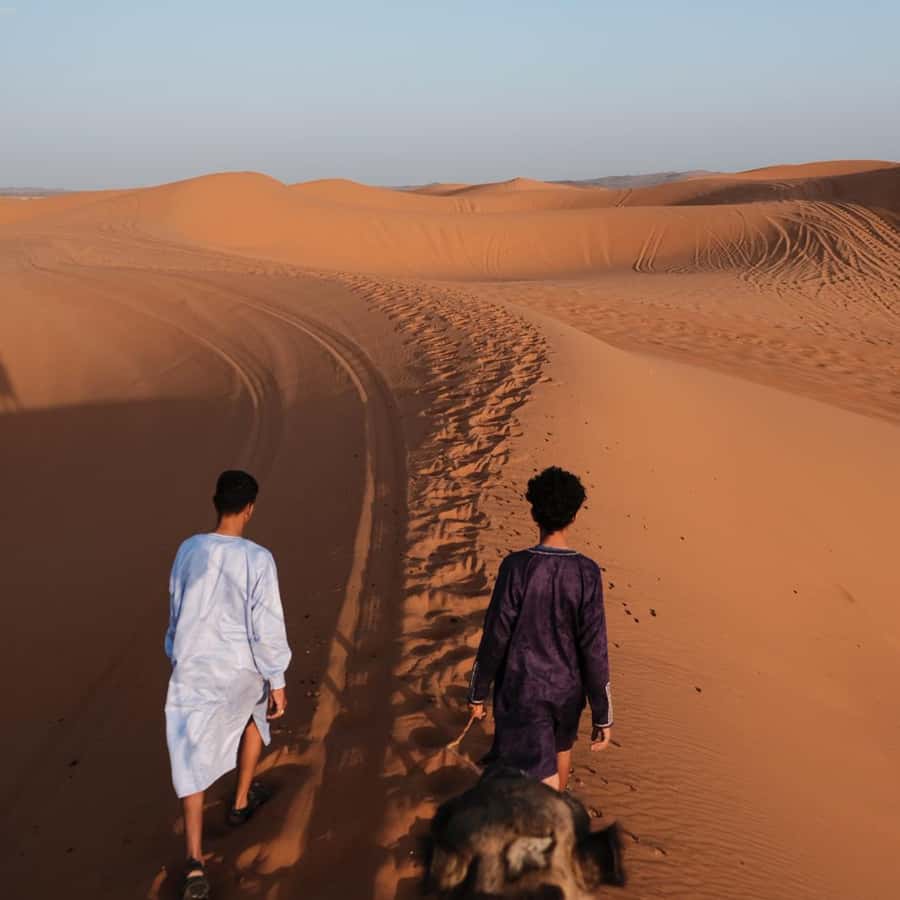
- Erg Chebbi sunset camel ride: the classic photo moment, but best experienced slowly with time for the dunes to change color
- Berber camp night in Merzouga: dinner, Berber music, and private-tent style lodging under the stars
- Middle Atlas stops that feel real: Ifrane and Azrou help you understand Morocco beyond deserts
- Todra Gorges walk: limestone walls that can feel unreal in scale, plus a peaceful river-cut passage
- Ait Ben Haddou UNESCO + Tizi n’Tichka pass: movie-famous architecture and High Atlas mountain views before Marrakech
- Expect fast-moving days: it’s a “cover a lot” tour, not a slow cultural semester
Fes to Marrakech in 3 Days: What This Trip Really Delivers
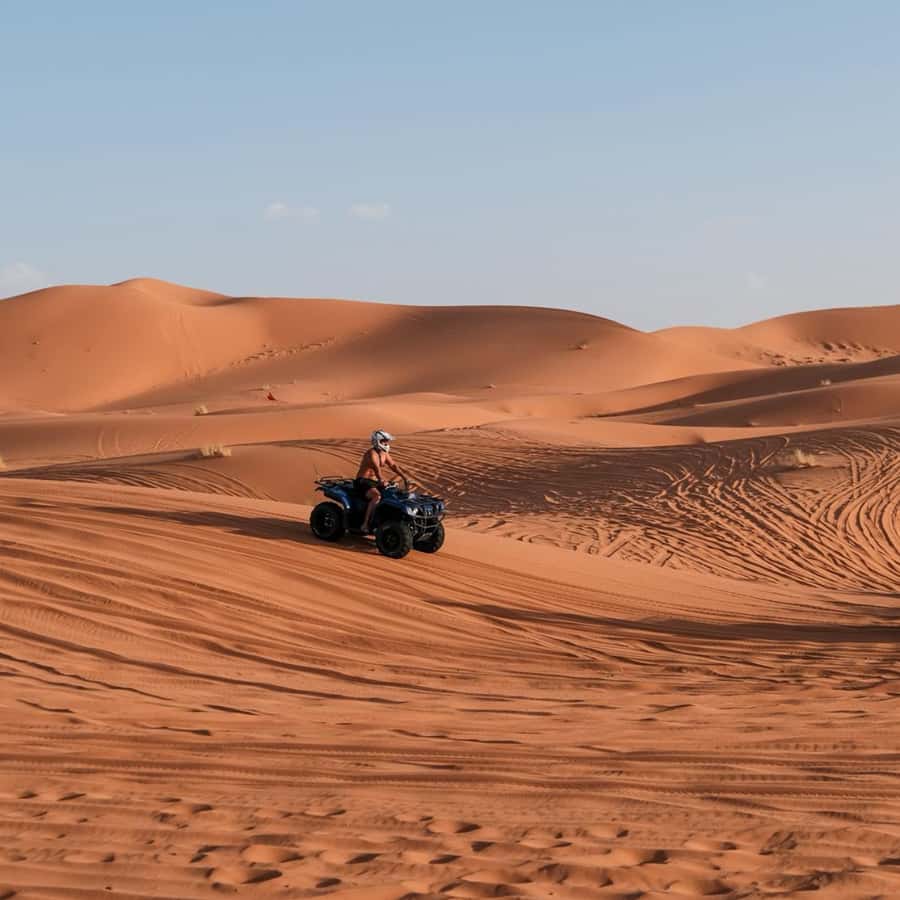
A three-day desert tour from Fes to Marrakech is a trade. You give up leisurely time in any single place, and in return you get a huge geographic storyline in a short period of time.
Here’s the storyline: you start in the imperial world of Fez, then ride through the Middle Atlas (cedar forests and mountain towns), slide into the pre-Sahara transition areas, and land in Erg Chebbi for a camel sunset and a Berber desert camp night. Then you move west through dramatic gorge country and finish with the UNESCO Kasbah at Ait Ben Haddou and the High Atlas crossing toward Marrakech.
This kind of itinerary is ideal if you want:
- a taste of multiple regions without changing hotels every night in small cities
- the Sahara experience without committing to a longer multi-day trek
- a “wow factor” route that still includes genuine village and nature stops
Day 1: Ifrane, Azrou Village Visits, Cedars to Erg Chebbi Camel Sunset
Day 1 is mostly drive time, but it’s drive time with stops that make the journey feel purposeful.
You leave Fez early and head toward the Middle Atlas. One of the first catches is Ifrane, sometimes called Little Switzerland because of its clean streets and buildings that resemble Alpine architecture. You can take a short walk here, and there’s a chance to see Barbary macaques in the area.
Next comes Azrou, a good moment to shift from postcard towns to everyday life. The trip includes a visit connected to the Berber communities around Azrou, which is a helpful contrast to the later desert glam. Even if you only spend a short time there, it gives you context for how people live in the mountain zone before you jump into dune country.
From there you keep rolling to Midelt, known for apple farms and mineral-rich surroundings. It’s a nice stretch break town—more “breathe fresh air” than “stay here all afternoon.”
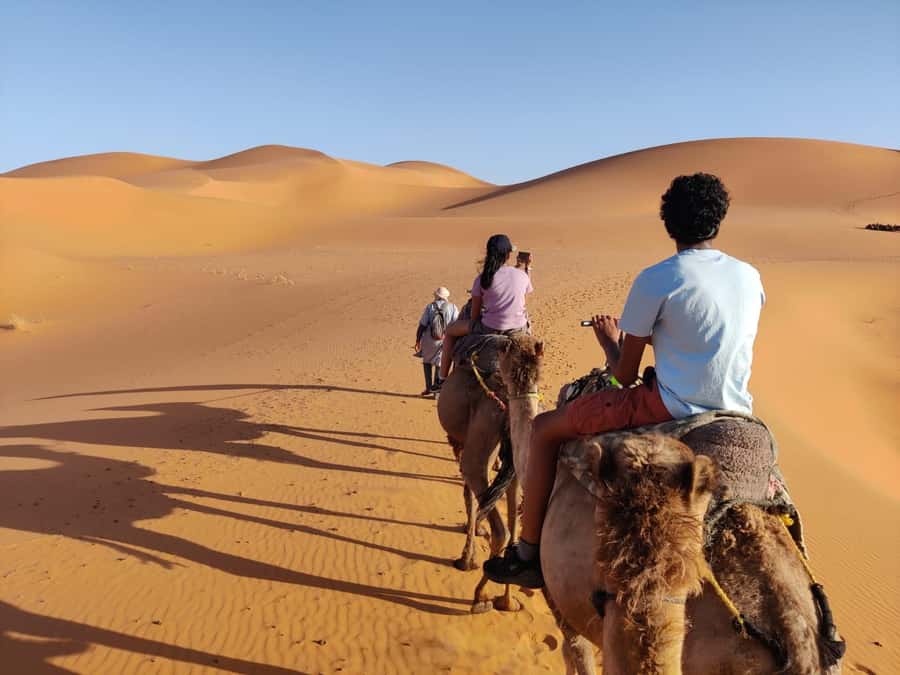
As the day progresses, the scenery keeps changing: gorges, valleys, and oasis-like pockets appear along the way until you reach Erg Chebbi near Merzouga. Then the day’s big event hits—your drive turns into a camel ride across the dunes at sunset.
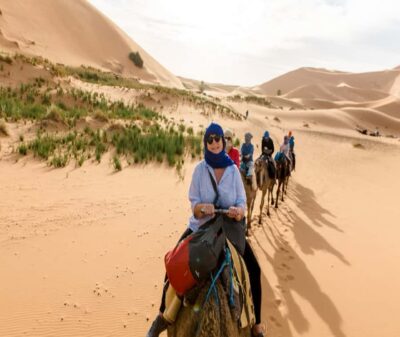
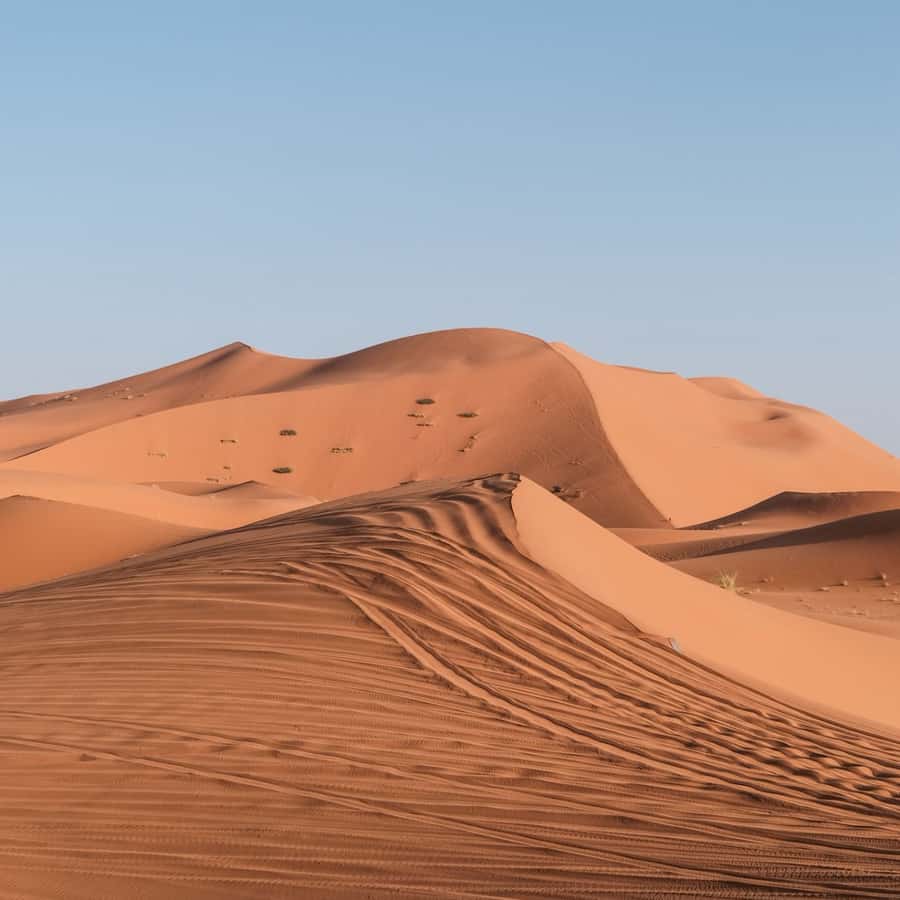
Why the sunset camel ride matters: Erg Chebbi dunes look dramatic in daylight, but at sunset they turn into color gradients—orange, red, then that soft dimming light where the desert seems to swallow sound. You’re not just sightseeing. You’re moving through a place that feels vast.
Night in Merzouga: Berber Camp Dinner, Berber Music, and a Private Tent
Spending one night in the desert camp is the heart of the whole experience. This is where the tour stops feeling like a relay race and starts feeling like a night out in the Sahara.
In Merzouga, you sleep in a traditional desert camp with equipped private-tent style lodging. After the camel ride, you’ll usually have time to settle, then enjoy Moroccan dinner at the camp. A big plus here is the inclusion of Berber music around the campfire—the kind of simple, human touch that makes the night feel earned.
What to expect emotionally: in the city, you’re surrounded by noise and light. Out here, things get quiet fast. The “magic” people talk about isn’t fireworks—it’s the shift in pace and the sense that you can actually see the night.
A practical note: even if you’re comfortable during the day, nights in desert regions can feel cooler. Pack a layer you’ll actually wear, not just something you bought and forgot you own.
Day 2: Todra Gorge Scale and Tinghir’s Palm-Green Rhythm
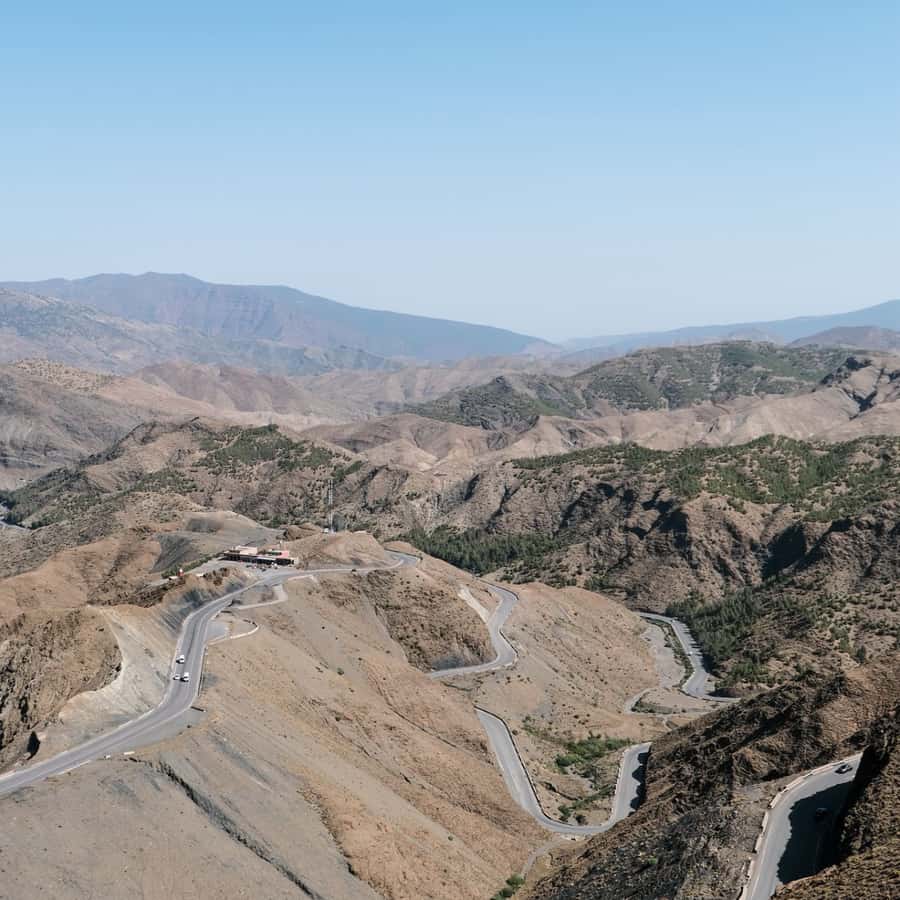
Day 2 turns nature dial up.
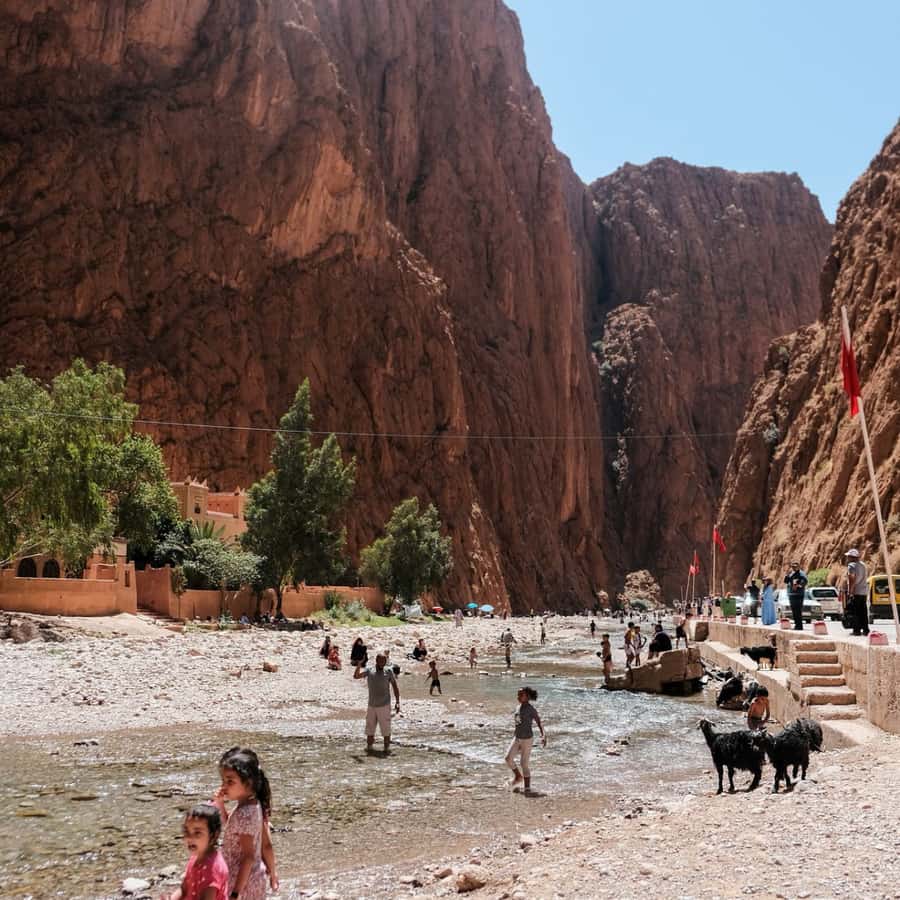
You head toward the Todra (Todgha) Gorges, known for limestone rock walls that can reach heights of around 300 meters. The Todgha River carved a narrow pass through the stone, creating those tight corridors where you can walk and feel both the vertical scale and the calmer river-side atmosphere.
This stop has a couple of benefits:
- It’s visual in a “standing in the middle of something huge” way.
- It’s also a chance to stretch without rushing through a museum.
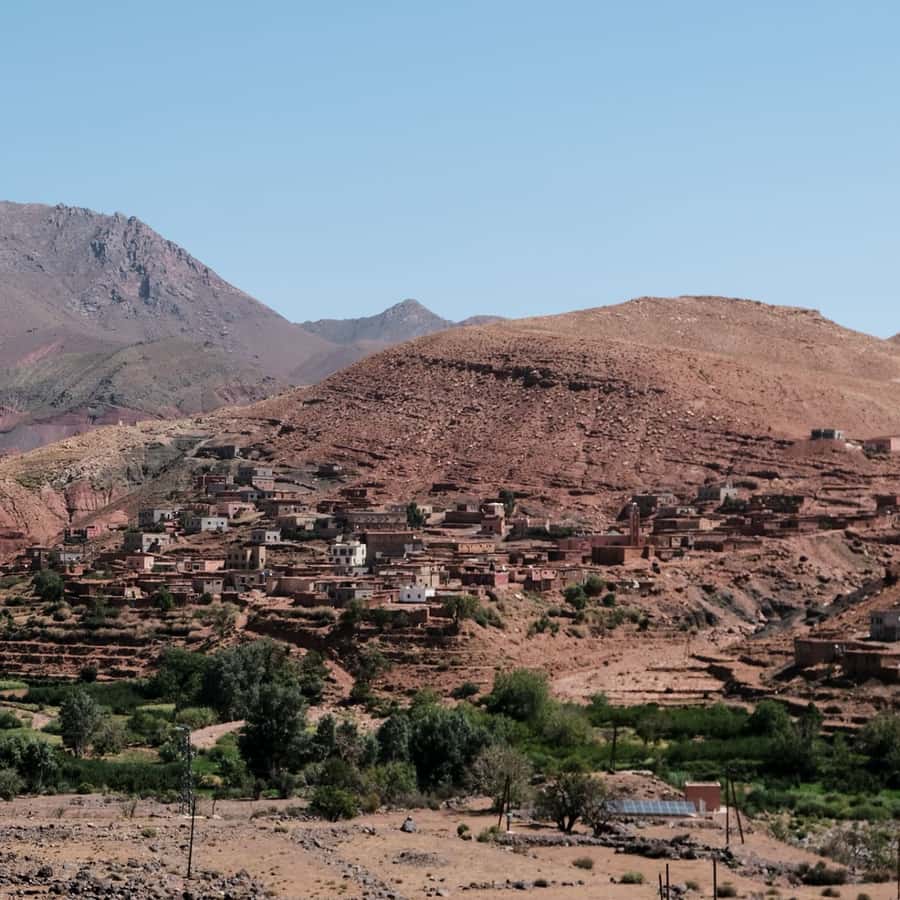
After Todra, you move to Tinghir, which you reach later in the day. Tinghir is described as a small town with palm borders and old ksars—fortified village areas. That means you’re not only changing landscapes; you’re also seeing how communities shaped themselves around defenses, water, and trade routes.
You’ll have a hotel/riad night here so you can rest before the big final travel day. Dinner and breakfast are included, which helps you avoid the “what’s open right now?” scramble.
Day 3: Ait Ben Haddou, Door of the Sahara, and the High Atlas to Marrakech
Day 3 is where the tour shifts from desert and gorges into cinematic Morocco.
First stop you’ll recognize: Ait Ben Haddou, a UNESCO World Heritage site. The kasbah is a mud-clay fortress town with narrow lanes and tall buildings that look like they were built to last through harsh weather. It’s also famous as a filming location (the kind of place you might recognize from major shows and movies).
The best part of Ait Ben Haddou on this trip is that you don’t just pass by—you get a guided walk through the old streets and kasbah structures. If you like architecture, it’s easier to understand the layout when someone gives context before you start wandering.
Then the tour continues through the High Atlas using the Tizi n’Tichka pass at about 2,260 meters. This is the long mountain road moment: winding switchbacks, long views over valleys and hills, and that feeling of being elevated above the dust.
Along the way you also visit the Door of the Sahara, a classic stop symbolizing the border between the desert sphere and greener inland Morocco. Even if you only get a short look, it helps anchor the day’s theme.
By evening, you arrive in Marrakech, where the pace flips back to city life—markets, taxis, people everywhere. After three days of dunes and stone, it can feel loud in the best way.
Camel Ride Reality Check: How to Make It Comfortable and Photogenic
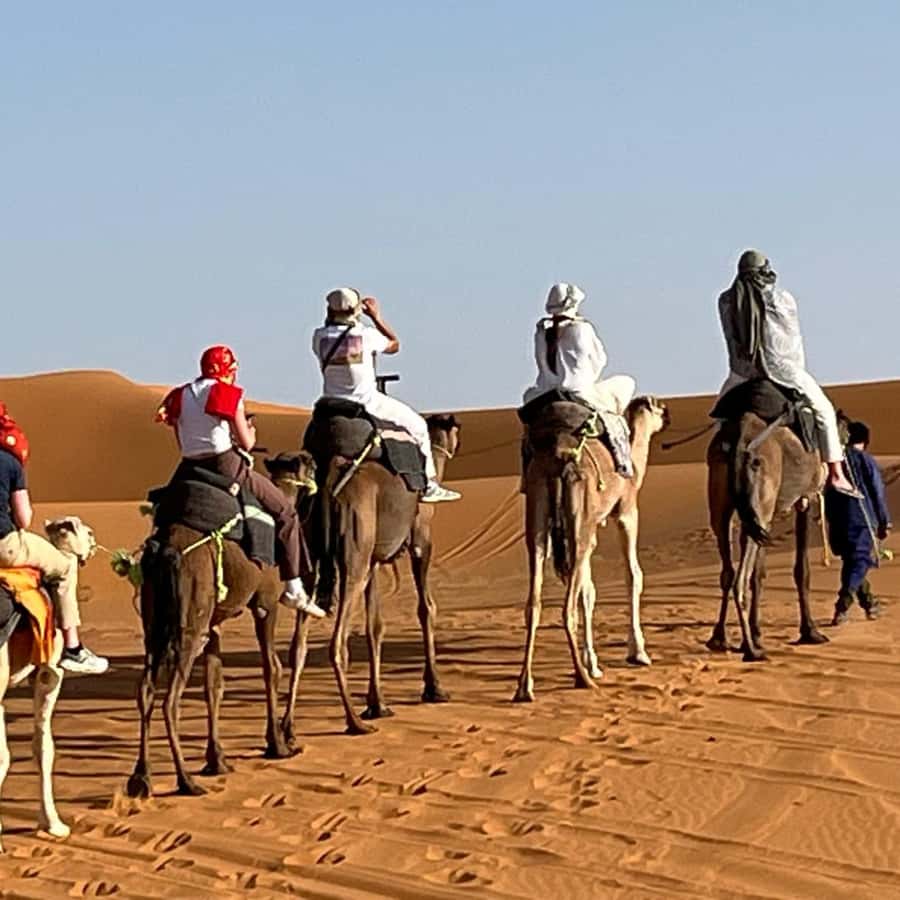
The camel ride is marketed as the iconic moment, and it usually delivers. But it pays to know what helps.
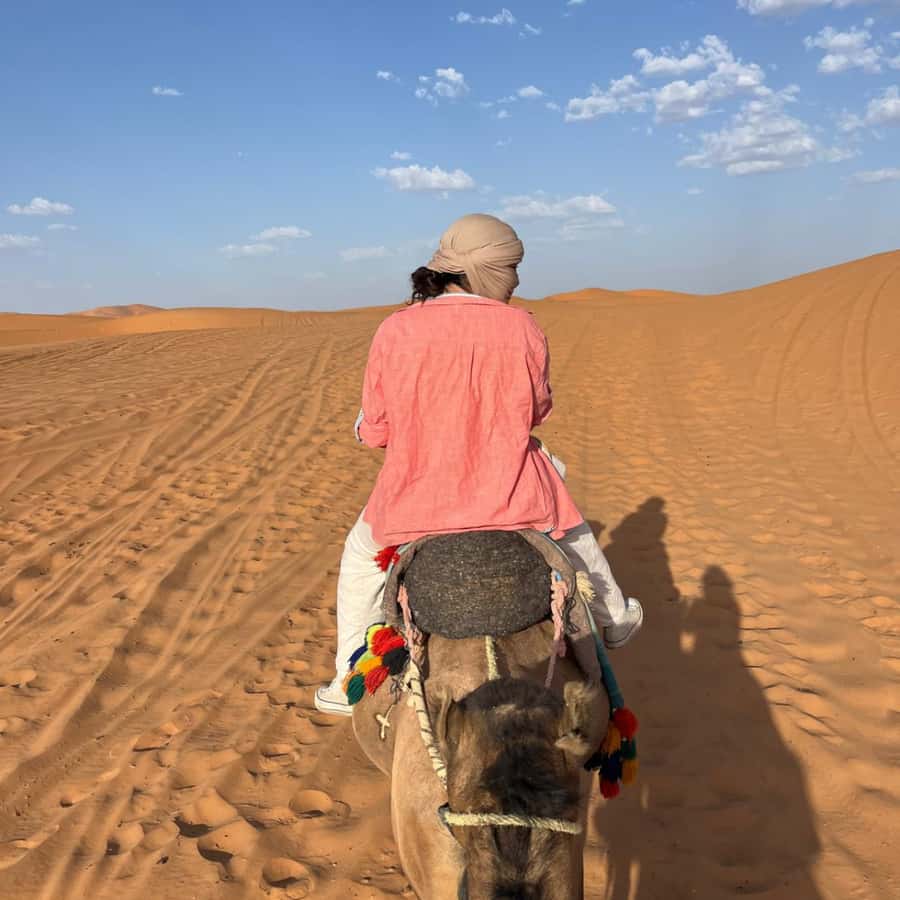
First, keep expectations flexible: camel rides depend on dune conditions, timing, and your camel guide. What’s consistent is that you’ll ride near Erg Chebbi and you’ll be on the dunes during sunset.
To make it feel good:
- Wear closed shoes you don’t mind getting dusty.
- Bring a scarf or light head covering for wind and grit.
- Keep your phone/gear secured so you’re not doing awkward grip gymnastics while trying to enjoy the view.
For photos, timing is everything. Instead of rushing to get the perfect shot at the first stop, watch the dunes change color. That’s where the memorable images come from.
Transportation and Comfort: AC Minivan vs Real-World Heat
This trip is described as using air-conditioned minivans or 4x4s, plus pickup from your accommodation in Fez. In practice, longer drives can still feel long—especially if your vehicle is older or if there’s a segment without working air.
A good way to plan: treat the days like you’re road-tripping across Morocco, not like you’re on a short transfer. You’ll likely be in the car for big chunks of Day 1 and Day 3.
For comfort, I recommend:
- a light layer for car AC (if it’s on) and a warmer layer for the night
- water you can access between stops (lunch/drinks aren’t included)
- a simple snack plan since you’ll be eating at set stops
If you’re the type who hates cramped legs, consider whether a shorter tour might fit you better. This one is built to cover distance.
Guides and Explanations: When the English Works, the Trip Feels Twice as Good
The tour includes an English-speaking driver/guide, and that matters more than you’d think. When the guide actually explains what you’re seeing, each stop becomes more than a photo stop.
I’ve seen strong outcomes associated with specific guides and coordinators—drivers such as Tarik and Hassan from Rissani, and a coordinator named Mustapha who keeps details moving smoothly. The big lesson: the tour experience depends heavily on the human layer. You can love the route and still feel unsatisfied if nobody explains it.
So here’s your practical move:
- Ask how long each stop is likely to be.
- Confirm what’s planned at the desert camp, including whether the tent setup is what you expect.
- If language comfort is important, communicate it early.
Value Check: What’s Included (and What You’ll Handle Yourself)
This tour’s value comes from a few key inclusions:
- Transportation in a minivan or 4×4
- Pickup from Fez accommodation
- A camel guide for the desert part
- One night in a desert camp in the Merzouga/Erg Chebbi area
- Dinner and breakfast connected to the desert camp
- Hotel/riad lodging for the second night with additional dinner and breakfast
- Breakfast before Marrakech
Lunches and drinks aren’t included, so you’ll want to budget for food during travel segments and at stopovers.
Where value can shift: accommodations and camp quality. Some people report that promised tent/camp names didn’t match what they received, and that solo travelers need to confirm how rooms are assigned. That doesn’t mean the trip is bad; it means you should do a quick pre-trip verification so your “value” matches your expectations.
Also, some versions may include an extra stop like Atlas Studios near Ouarzazate. If you don’t care about studio tours, treat it as something you’d rather swap for time in town or a longer break.
Who This 3-Day Desert Trip Suits Best (and Who Might Want Another Option)
I think this tour fits best if you:
- want the Sahara and desert camp night without a longer trek
- like road-tripping Morocco with planned stops (not winging it)
- enjoy architecture and nature in the same trip—Todra Gorge one moment, Ait Ben Haddou the next
- travel at an energetic pace and don’t need long downtime between highlights
I’d be more cautious if you:
- hate surprises with lodging quality and room arrangements
- need very detailed interpretation at every stop
- want maximum comfort on long drives (AC and timing can vary)
- prefer fewer stops with more time per place
If you want a slower desert feel or deeper guide-led culture, you may be happier with a shorter or differently paced option.
Should You Book This Fes to Marrakech Desert Camel Trek?
If you’re chasing the big Morocco moments—cedar mountains into dune silence, camel sunset, a Berber camp night, then Ait Ben Haddou before Marrakech—this itinerary is built for that. The route gives you variety fast, and the desert night is usually the payoff people remember most.
Book it if you:
- confirm your desert camp and lodging expectations
- ask questions about language support and how stops will be timed
- pack for dust and temperature shifts, and you’re okay with long driving days
Skip or reconsider if you’re high-stakes picky about hotel grading, exact camp names, or room assignments—because that’s where mismatches can happen.
Bottom line: for the right traveler, it’s a strong use of limited time. For perfectionists who want everything dialed in with zero variation, do your homework and set expectations early.
FAQ
How long is this trip?
It’s a 3-day Morocco desert tour from Fez to Marrakech.
Where does the tour start and end?
The tour starts with pickup from your accommodation in Fez (based on access). It ends back at the meeting point in Fez or the agreed pickup area.
What’s included in the price?
Transportation (air-conditioned minivan or 4×4), an English-speaking driver/guide, pickup in Fez, sightseeing stops along the way, a local camel guide for the desert, 1 night desert camp in Merzouga, and meals including dinner and breakfast for the desert camp segment and dinner and breakfast for the overnight lodging on the way. Lunches and drinks are not included.
Do I get a camel ride?
Yes. You’ll ride camels in the Erg Chebbi area at sunset.
Where do I sleep during the tour?
You’ll spend one night in a traditional Berber desert camp in the Merzouga/Erg Chebbi dunes area. You’ll also have an overnight stay in a hotel/riad during the route.
Is Ait Ben Haddou included?
Yes. You visit Ait Ben Haddou, listed as UNESCO World Heritage, and you can do a guided walk through its kasbah streets.
Do we drive through the High Atlas?
Yes. The route includes crossing the Tizi n’Tichka pass (about 2,260 meters) on the way to Marrakech.
Are meals included?
Dinner and breakfast are included for the desert camp night, plus dinner and breakfast are included for the overnight lodging on the route. Lunches and drinks are not included.