REVIEW · SAPA
Trekking 1 circle the local village to admire Muong Hoa valley
Book on Viator →Operated by Saparis Horizon Travel · Bookable on Viator
If you want real Sapa walking time, this fits. I like that it trades town noise for Muong Hoa valley paths and village trails, then rewards you with panoramic viewpoints along the way. One thing to consider: you’re on your feet for most of two days, so you’ll want solid shoes and a comfortable pace.
This is a true ethnic-village route, moving through several communities rather than looping one easy sightseeing area. You’ll spend time in Hang Da (Black H’Mong), Giang Ta Chai (Red Dao), Ta Van (Giáy), and Lao Chai (Black H’Mong) with an overnight in Su Pan at a local homestay. It’s organized as a private experience for your group, with pickup offered in Sapa town, which helps you focus on the trails instead of logistics.
In This Review
- Key things to know before you go
- Why the Muong Hoa village loop feels different from Sapa town
- Day 1: Starting from Sapa, then Hang Da and Hau Thao villages
- Morning: Sapa departure and the first mountainside descent
- Hang Da (Black H’Mong): village life with terraced views
- Hau Thao: rice fields and traditional houses
- Su Pan overnight homestay: where the trip becomes personal
- Day 2: Giang Ta Chai to Ta Van rice terraces, then Lao Chai in Muong Hoa
- Giang Ta Chai (Red Dao): start the day with a smaller village feel
- Ta Van (Giáy): big rice terraces and interaction time
- Lao Chai (Black H’Mong): crossing into Muong Hoa valley
- Back to Sapa and the herbal bath option
- Homestay food and local life in Su Pan: what makes it worth it
- Terrain, timing, and packing tips for this 2-day trek
- Price and value: is $85 per person a fair deal?
- Who should book this Sapa Muong Hoa village trek?
- Should you book this Muong Hoa village loop trek?
- FAQ
- How long is the trek?
- Where does the tour start and is pickup provided?
- Which villages does the trek include?
- Is there an overnight stay?
- What does the price include?
- Can I cancel if my plans change?
Key things to know before you go
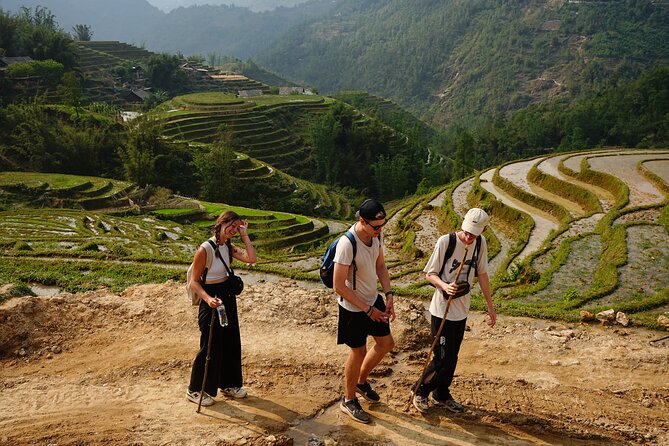
- A village-and-terrace route, not just a viewpoint day: you’ll walk through rice fields and between villages, so the views keep coming.
- Overnight at Su Pan homestay: one night in a local village is the heart of the trip’s cultural feel.
- Several minority groups in two days: Black H’Mong, Red Dao, and Giáy communities are built into the itinerary stops.
- Pickup in Sapa town and private group format: it’s simpler if you don’t want to arrange transport for each leg.
- Free admission tickets at the stops listed: the itinerary shows ticket-free entry at each marked experience segment.
- Finish with an option to unwind: once back in Sapa, you can try a herbal bath after trekking.
Why the Muong Hoa village loop feels different from Sapa town
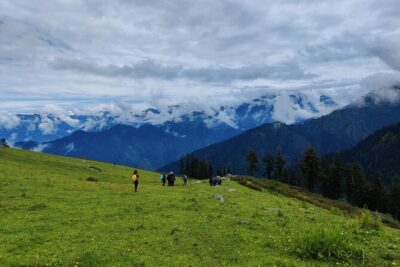
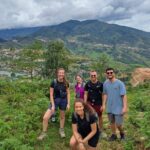
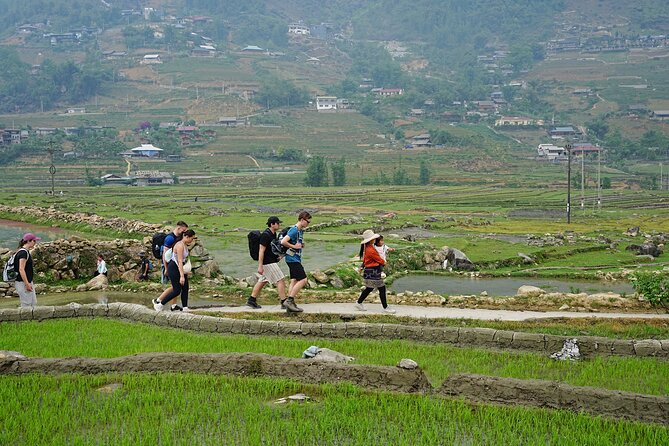
Sapa can be busy, especially in the center where you feel the tourist rhythm: shops, crowds, quick photos, repeat. This trek shifts you to the other side of town—toward footpaths that climb and descend through terraced fields, then cut toward small villages where daily life still runs on local time.
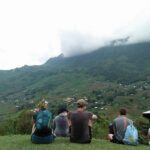
What makes it work is the sequence. You don’t just arrive, look, and leave. You’re guided along mountainside trails and through village lanes where you can actually slow down—watch rice plots, stilt houses, and everyday routines at the edges of the terraces. The tour also includes a panoramic viewpoint moment overlooking Sapa town and the Muong Hoa valley rice slopes, so your effort pays off visually.
And since it’s designed for a private group, the pace tends to feel more flexible than a big bus-and-stops tour. That’s a real value in a place where tight schedules can make everything feel rushed.
You can also read our reviews of more tours and experiences in Sapa.
Day 1: Starting from Sapa, then Hang Da and Hau Thao villages
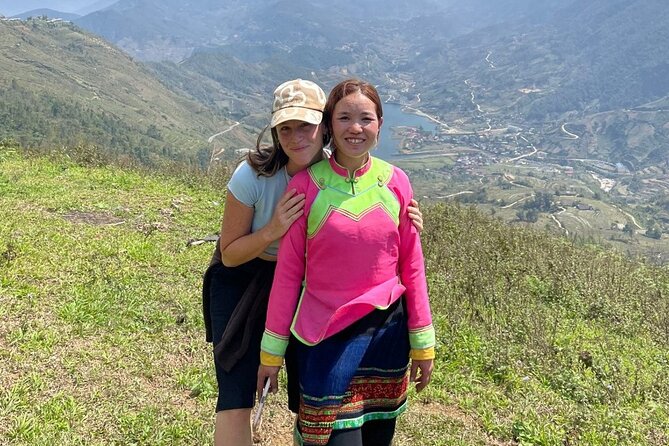
The day begins with a pickup window from your accommodation in Sapa town, starting around 08:00–08:30. That small detail matters more than it sounds. When you’re trekking in the mountains, you want to start clean—no waiting around, no scrambling for the right meeting point, and no missing your first trail hour.
Morning: Sapa departure and the first mountainside descent
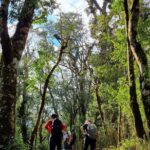
After the quick start, the route points you toward the villages with a focus on scenery first. You follow trails that run along the mountainside, setting expectations early: expect slopes, steps, and views that open up as the path drops toward valley pockets.
Hang Da (Black H’Mong): village life with terraced views
Around 10:00–11:30, you reach Hang Da village, home to the Black H’Mong. This is one of the key cultural stops on the first day, and it’s also where the scenery starts to look unmistakably “Muong Hoa.” You’ll have time to visit the village and then continue walking downhill afterward.
What I like about this timing is that it’s not your late-afternoon weariness hour. You’re still fresh enough to look longer at how people live—house layout, fields nearby, and the way the village sits against the terraced hills.
A potential drawback: Hang Da (like many Sapa village stops) can feel more tourist-facing than the quietest hamlets. The tradeoff is you get a smoother visit here and can concentrate on what’s important instead of getting lost on back paths.
Hau Thao: rice fields and traditional houses
After lunch, the itinerary moves to Hau Thao, with about 2 hours allocated starting around 13:00–13:30. This part focuses on crossing from one village rhythm to another—small roads, rice fields, and traditional houses.
You’re not just passing through. The idea here is to experience the ethnic life on foot, then transition toward the overnight village.

Su Pan overnight homestay: where the trip becomes personal
Later in the afternoon, around 14:30–15:00, you move to Su Pan village for one night at a local homestay. This is where the trek stops being only a hiking route and starts becoming an experience of daily village life.
The itinerary highlights a peaceful, quiet atmosphere—and that’s exactly what makes the homestay valuable. In Sapa town, everything is designed for visitors. In a local village, you’re closer to the natural rhythm: the pace slows, and you get a chance to see how people fit food, conversation, and village routines around the fields and seasons.
What to expect from the cultural side is also clear: you’ll enjoy local food and have time to experience local customs. One review notes the trip felt like a true local experience, and that part tracks with the homestay structure—your night isn’t just a bed stop.
A practical consideration: homestays vary in comfort. Since the data here doesn’t describe bedding, bathroom setup, or room type, plan like you’re in a basic village guest setup. Bring what you need to feel comfortable at night and in the morning.
Day 2: Giang Ta Chai to Ta Van rice terraces, then Lao Chai in Muong Hoa
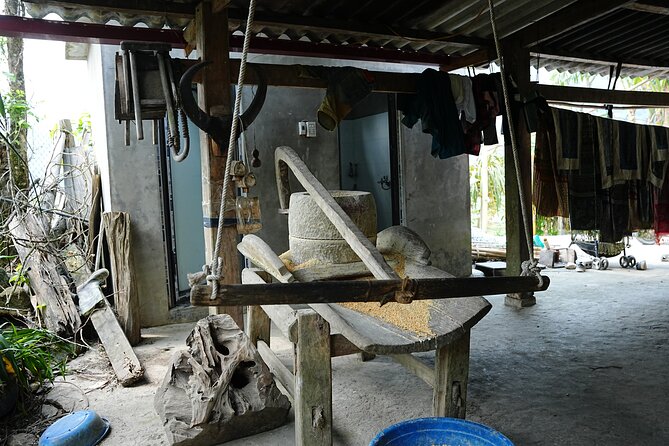
Day 2 starts with breakfast at the homestay and a morning trek beginning around 08:30. The route continues deeper into the Muong Hoa valley world, using villages that highlight different ethnic cultures and different terraced views.
Giang Ta Chai (Red Dao): start the day with a smaller village feel
Giang Ta Chai village is your first morning stop, identified with the Red Dao community. You’ll see the village is described as small, but there’s plenty to notice in that “small” scale—how homes sit relative to fields, how pathways connect, and how daily life plays out in a tighter community footprint.
This is also a good stretch for photography and slow walking. Early walking in the morning tends to be cooler and often gives clearer views of the terraces.
Ta Van (Giáy): big rice terraces and interaction time
By around 10:30, the trek brings you to Ta Van, known in the tour for large rice terraces and time to interact with the Giáy people. This is where you feel the valley open up visually. If your idea of Sapa is layered green stairs, this is the part that supports it.
The itinerary allocates about 3 hours, which is a healthy chunk of time. It’s enough to walk through parts of the terrace edges, pause for views, and do more than a quick look-and-go interaction.
What I’d keep in mind: the terraces can look different depending on season and weather. Even if clouds soften the view, you’ll still get the sense of scale and how village life sits right inside the working fields.
Lao Chai (Black H’Mong): crossing into Muong Hoa valley
Around 13:30, you continue to Lao Chai, also identified as a Black H’Mong village. The key detail here is the transition moment: you’ll cross a small bridge to enter Muong Hoa valley, then enjoy the peaceful valley scenery.
This segment is often the one people remember because it feels like a “now you’re really in it” shift. After two village points, the bridge-and-valley moment gives the route a clean narrative arc: town to mountainside, village to valley, then a closing walk through the valley’s calm.
Back to Sapa and the herbal bath option
The tour wraps around 15:00 with pickup from the center of Lao Chai village to return to your Sapa accommodation area. After a long trek, you’ll likely want to loosen muscles. The itinerary even mentions the option to try a herbal bath once you’re back—useful if you want a low-effort way to recover without chasing a pharmacy or spa on your own.
Homestay food and local life in Su Pan: what makes it worth it
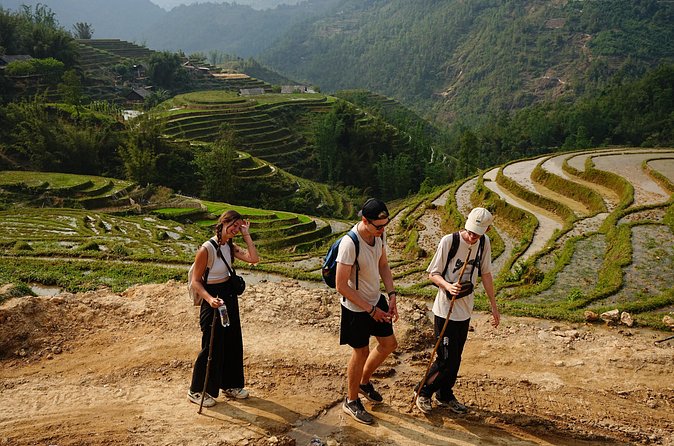
The single overnight in Su Pan is the main reason this doesn’t feel like a standard day hike with a few village stops. One night changes the mood. Instead of rushing through houses and then leaving, you experience village life as something that continues beyond the daytime walking hours.
The information you’re given is straightforward: you’ll stay in a local homestay and try local food. You also get time for cultural contact and traditional customs. That matters for authenticity because the interaction isn’t compressed into a 10-minute photo moment.
One review also mentions lunch was provided and came with a lot of food. While that doesn’t automatically mean every meal is the same for everyone, it does suggest the day is planned with actual eating time in mind—so you aren’t just hungry-walking between stops.
If you have dietary needs, the safest approach is to communicate them when booking. The data here doesn’t spell out dietary accommodations, so don’t assume.
Terrain, timing, and packing tips for this 2-day trek
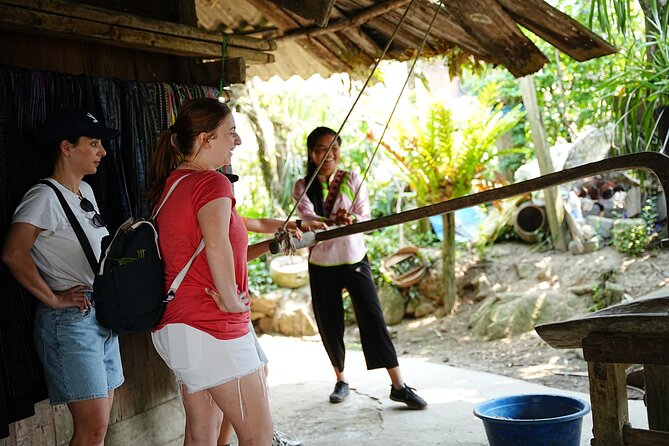
You’re looking at a 2-day trek that includes multiple village visits, a full day of walking, and an overnight homestay. “Most travelers can participate” is listed, but in mountain trekking that usually means you’re physically able to walk. It doesn’t mean the terrain is flat.
Here’s how I’d plan for it:
- Wear shoes you trust. Expect uneven ground, slopes, and steps between terrace edges.
- Bring a light rain layer. Sapa weather can shift quickly, and valley walking can be damp.
- Pack for cool mornings and warmer afternoons. Day 2 morning starts early enough that you might feel the chill.
- Keep water and snacks practical. The itinerary includes lunch and local food at the homestay, but you might still want small backup snacks for energy between long walking stretches.
- Plan for recovery. The herbal bath option in Sapa is there for a reason—your legs will likely ask for it.
Also pay attention to timing. The day 1 schedule has start, village visit blocks, lunch, then onward to Su Pan. Day 2 is breakfast, then multiple village segments, then the return by mid-afternoon. That’s not a leisurely stroll, so if you prefer slow travel, you’ll need the right mindset.
Price and value: is $85 per person a fair deal?
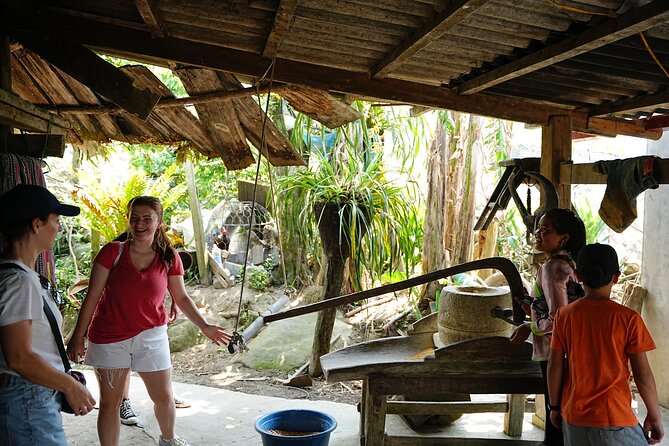
At $85.00 per person for an approximately 2-day experience, the value comes from what’s included in the structure.
You’re getting:
- Pickup offered from Sapa town accommodations (around 08:00–08:30 day 1)
- A private tour/activity format for your group
- A 2-day route that includes several ethnic village stops across different communities
- One night in a local village homestay in Su Pan
- A planned walking path that includes a panoramic viewpoint and terrace scenery
- Free admission tickets listed for each stop
- Mobile ticket convenience
- Group discounts (useful if you’re traveling with friends)
In plain terms: you’re not just paying for a guide. You’re paying for time, route planning, homestay access, and the village sequence that makes the trek feel coherent.
Where it can feel less like a bargain is if you’re expecting luxury comfort. The homestay is described as local and quiet, not hotel-like. But if you want authentic interaction and rice-terrace walking, the pricing looks reasonable for Sapa, especially given the amount of guided movement and the overnight component.
Who should book this Sapa Muong Hoa village trek?
This trek makes the most sense for you if:
- You love walking between villages, not just getting a single scenic photo stop
- You want to experience more than one ethnic community: Black H’Mong, Red Dao, and Giáy
- You’re okay with a busy two days and you’d rather see more local life than spend time in cafes
- You want a night that feels connected to village rhythm, not just a quick sleepover in town
It may not fit as well if:
- You need low-effort sightseeing or limited walking time
- You expect hotel-standard accommodations every night
- You want only one village stop and one viewpoint (this route is designed to keep moving)
Should you book this Muong Hoa village loop trek?
I’d book it if your priority is real scenery plus real village contact, and you’re comfortable putting in trekking hours over two days. The combination of mountainside trails, Muong Hoa valley terraced views, and an overnight homestay in Su Pan gives you a fuller sense of Sapa than the quick in-town tours.
Skip it only if you’re looking for an easy, minimal-walking plan or if you strongly prefer hotel comforts every step of the way. Otherwise, this is the kind of itinerary that rewards preparation—good shoes, a flexible attitude, and a curiosity about how the terraces and villages fit together.
FAQ
How long is the trek?
It lasts about 2 days.
Where does the tour start and is pickup provided?
The tour starts in Sapa town, and pickup is offered from hotels in Sapa town at the beginning of the first day.
Which villages does the trek include?
The route includes Hang Da, Hau Thao, Su Pan (overnight), Giang Ta Chai, Ta Van, and Lao Chai, before returning to Sapa.
Is there an overnight stay?
Yes. You stay one night in Su Pan village at a local homestay.
What does the price include?
The listed price is $85.00 per person, and the itinerary shows free admission tickets for the marked stops. The trip includes pickup, guided trekking between villages, and the overnight homestay experience.
Can I cancel if my plans change?
Yes, there is free cancellation up to 24 hours in advance for a full refund.