REVIEW · POKHARA
Annapurna Base Camp Trek from Pokhara 7 Days
Book on Viator →Operated by My Dream Adventure (MDA) · Bookable on Viator
A trek to Annapurna Base Camp is always a big promise. This one is built for real-world travelers: you get hotel pickup, permits handled, and a clear day-by-day route through villages like Jhinu Danda, Chhomrong, Deurali, and finally the base camp area. You’ll be walking beside the Modi Khola River, through dense forest, across streams, and up to Machhapuchhre country.
I especially like two things. First, the operator includes the essentials that usually slow people down at the start: trekking permit + TIMS card plus an English-speaking guide and guesthouse stays. Second, the guiding support seems to make a difference in how smooth the trip feels, with names like Bikram, Prakash, Krishna, Biru, and Dadi coming up in feedback for being kind, patient, and helpful with practical stuff like photos.
The main drawback to think about is the physical load. This route is aimed at moderate fitness, and there’s a knee-challenging descent on the day you drop from Annapurna Base Camp down to Bamboo (about 1,600 m lower). If knees aren’t your strong point, plan for slow steps and smart trekking socks/shoes.
In This Review
- Key highlights worth knowing before you go
- Getting from Pokhara to Jhinu Danda: the easy start that matters
- Chhomrong day: uphill work through forest, then a major village
- Deurali and that Annapurna view: a day built for mountain lunches
- Annapurna Base Camp and Ablation Valley: where the route gets real
- Down to Bamboo: knees get a workout, but the views keep you smiling
- Jhinu Danda hot springs and the final walk back to Pokhara
- Price and logistics: what $395 covers, and where value shows up
- Who this trek is best for (and who should reconsider)
- Practical tips that make a big difference on this route
- Should you book this Annapurna Base Camp trek?
- FAQ
- How long is the Annapurna Base Camp trek from Pokhara?
- What’s included in the $395 per person package?
- Are trekking permits and a TIMS card included?
- How do transfers work between Pokhara and the trail?
- Will I have an English-speaking guide and is the trek private?
- What happens at Jhinu Danda during the trek?
Key highlights worth knowing before you go
- Start logistics taken care of with hotel pickup and round-trip transfers by sharing jeep from Pokhara.
- Permits are included (trekking permit and TIMS card) and checked as you set out.
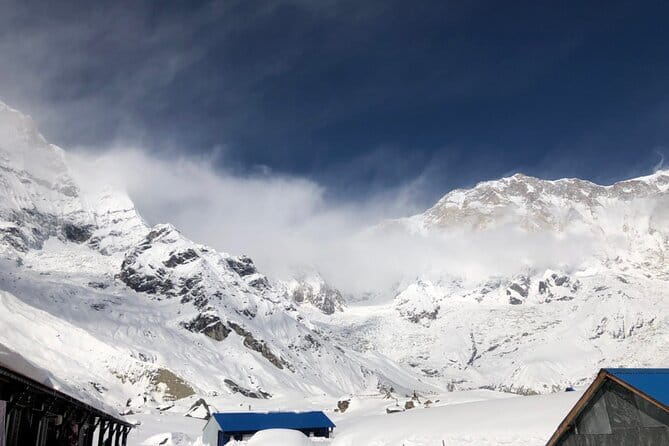
- A real day at base camp plus Ablation Valley on the route toward Annapurna Base Camp.
- Jhinu Danda hot springs give you a rare chance to reset after downhill walking.
- Guides get praised for hands-on help with navigation, pacing, and even photo support (names like Bikram, Prakash, Krishna, Biru, and Dadi show up often).
Getting from Pokhara to Jhinu Danda: the easy start that matters
Your trek begins in Pokhara, with pickup from your hotel and a transfer to the trail start. The big practical win here is time and paperwork. Gear setup gets handled at the start, and you’ll have permits checked before you really commit your energy to the hike.
Day 1 walks you along the Modi Khola River through small villages. That riverside start is more than pretty scenery; it helps you warm up without feeling like you’re jumping into a steep wall immediately. Expect village rhythms, simple paths, and a gradual build toward the bigger climbs later in the week.
If you’re the kind of traveler who gets stressed when plans blur (wrong bus, missing document, unclear route), this kind of organized start is worth real money. It keeps you focused on walking, not troubleshooting.
You can also read our reviews of more tours and experiences in Pokhara.
Chhomrong day: uphill work through forest, then a major village
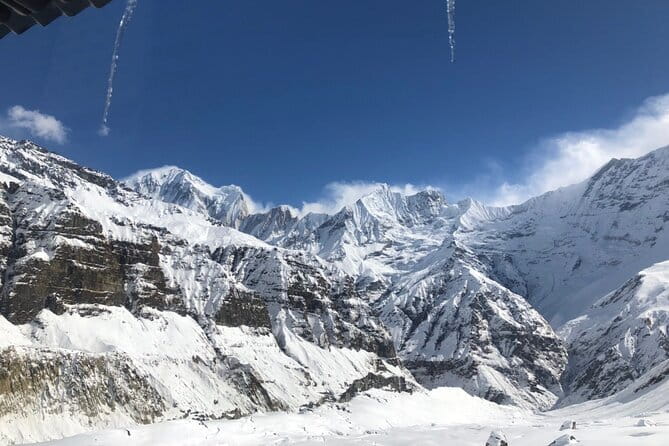
Day 2 includes an uphill push to Chhomrong, described as one of the largest villages along the trek route. This is a key day because you’re moving from a river-and-village approach into a more “high trail” rhythm where your breathing matters.
After Chhomrong, you continue trekking through dense forest areas. The forest sections can feel cooler and more shaded, which is nice if you’re hiking in changeable mountain weather. You’ll also be getting used to the pattern of the Annapurna Base Camp route: steady climbs, occasional breaks for food, and then guesthouse nights that keep you ready for the next day.
A practical thing I love about Chhomrong as a concept: it’s a place where the trek starts to feel established. That means you’re less likely to feel like you’re walking in a void. You get village life around you, not just trails and views.
Deurali and that Annapurna view: a day built for mountain lunches
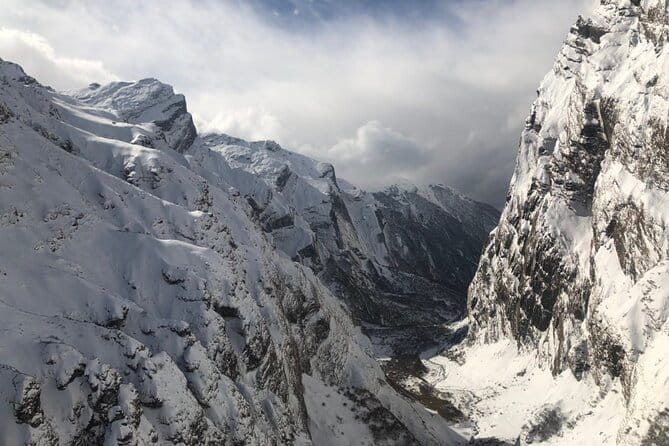
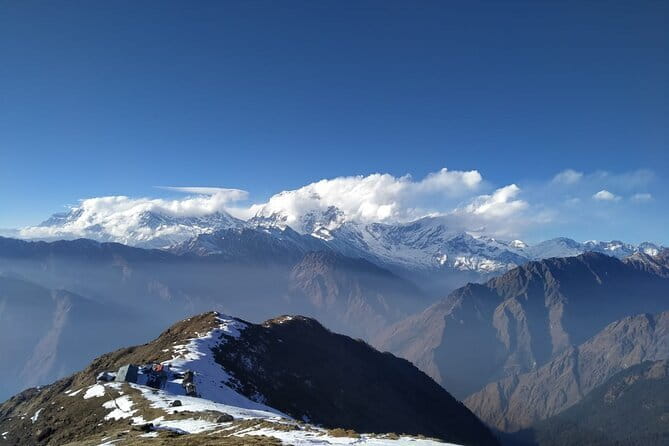
Day 3 is a more relaxed-feeling trek to Deurali, with scenic views of the Annapurna mountain ranges and continued walking through dense forests. This day is the kind you want when you’re heading toward a higher, steeper finale. You get movement, but not an all-out grinder.
Lunch is planned with stunning Himalayan views. Even if you’ve had a hundred meals on the road before, this is the kind of moment that makes the work feel worth it. When you can eat while looking at big peaks, the mind settles. You start thinking in terms of the goal: base camp is closer now.
Arriving at your accommodation in Deurali for the night sets you up well for the next day. It’s not just geography; it’s pacing. You’re also giving your body a chance to adjust as the trek rises.
Annapurna Base Camp and Ablation Valley: where the route gets real
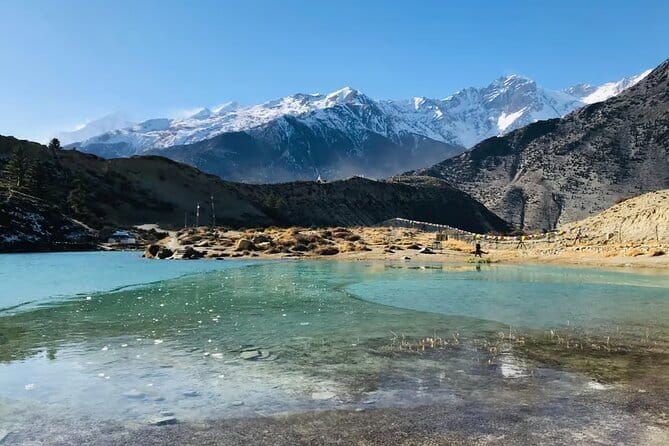
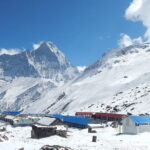
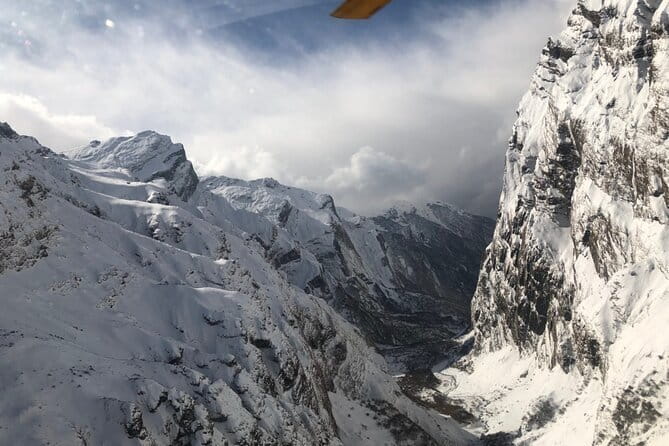
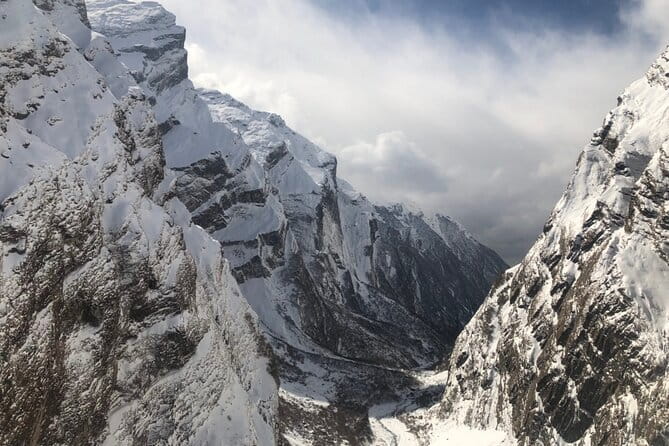
Day 4 is the heavyweight day. The trail follows streams toward Machhapuchhare Base Camp, then you hike up to Ablation Valley. Ablation Valley is described as a hollow corridor between the glacier and the mountain. That detail matters. This isn’t just “go up and take a photo.” It’s a place with a distinct feel and strong visuals because the terrain funnels your view.
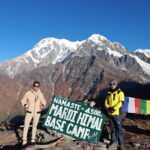
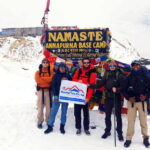
From there, you cross over hills to reach Annapurna Base Camp. This is the moment most people picture when they plan an Annapurna Base Camp trek, and it’s also the time when your guide’s pacing decisions pay off. A good guide helps you manage the effort so you can enjoy the arrival instead of arriving wrecked.
If you’re traveling solo, this kind of summit-day organization can also reduce anxiety. In feedback tied to guides with names like Bikram and Prakash, one theme that shows up is practical support and patience. That’s the difference between feeling rushed and feeling present.
One consideration: expect long walking time on this day (about 7 hours listed). Start early, drink water steadily, and don’t treat base camp like a sprint.
Down to Bamboo: knees get a workout, but the views keep you smiling
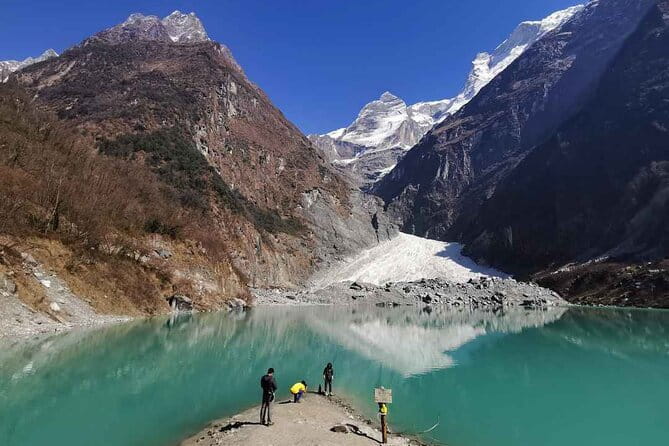
Day 5 drops from Annapurna Base Camp down to Bamboo, about 1,600 m lower. This is explicitly called out as challenging for knees because it’s a descent day. So yes, you’ll earn that post-trek beer.
The route down from base camp to lower villages is often mentally tricky. You’ve hit the big goal, so motivation can wobble. But you’ll keep getting mountain views and the feeling of travel through changing terrain.
If you want to stay comfortable on this day, think “controlled steps.” It’s not about speed. It’s about letting your feet land flatter, using trekking poles if you have them, and keeping your stride short. Your guide will be the one to help you pace, but your technique determines how sore you get afterward.
You’ll stay overnight in Bamboo, which means you’re not just walking down for the thrill. You’re also getting a real rest stop to recover before the final push.
Jhinu Danda hot springs and the final walk back to Pokhara
Day 6 continues the downhill journey through the valley. The itinerary includes panoramic views and descends to Chhomrong and then to Jhinu Danda. This is where the trek starts to feel like an arc closing, not an open-ended grind.
Then comes the highlight people often remember for a practical reason: rest in hot spring baths in Jhinu. After knee-heavy walking, hot springs aren’t a luxury you imagine. They’re recovery. Your body will notice.
Day 7 shifts gears back toward easier walking: a short morning trek passing farmland along the river, then reaching Nayapul and returning to Pokhara for drop-off. This final day is also psychologically important. You get the satisfaction of finishing, with less pressure on energy.
Price and logistics: what $395 covers, and where value shows up
The price is $395 per person for an approximate 7-day Annapurna Base Camp trek from Pokhara. To judge value, I focus on what’s included that usually costs you time or money on your own.
Included items are solid for a first-time trek planning smartly:
- Hotel pickup and drop-off in Pokhara
- Round trip transfer by sharing jeep
- English speaking trekking guide
- Trekking permit and TIMS card
- Guesthouse accommodation during the trek
- Private trip (your group only)
Two subtle value points: first, permits and the TIMS card are included, so you don’t lose days tracking paperwork. Second, guesthouse accommodation is covered, which helps you avoid the “will I have a place to sleep tonight?” stress that wrecks rest days.
What’s not included is also clear: personal expenses and optional gratuity. That means meals, snacks, drinks, and any extra costs on the trail are on you. If you budget for those, the trip stays good value.
Also note the mix of private trek vs sharing jeep. You’ll share the jeep transfer, but the trek experience is for your group only. That’s a nice balance: you’re not isolated, but you also aren’t stuck with an unpredictable crowd all week.
Who this trek is best for (and who should reconsider)
This route is aimed at travelers with moderate physical fitness. That’s the right target description for Annapurna Base Camp: you’re not doing technical climbing, but you are hiking many hours each day, sometimes uphill and sometimes downhill.
This trek is a good match if you:
- Want a guided plan with permits handled
- Like village walking and cultural contact as you pass through communities
- Prefer guesthouse travel over camping
- Value recovery moments, especially the Jhinu hot springs
Consider thinking twice if you:
- Have knee issues that don’t handle steep descents
- Don’t want a day specifically described as hard on knees (the Bamboo descent)
- Are looking for a lightweight stroll. This is a real trek.
Practical tips that make a big difference on this route
A few things can make your Annapurna Base Camp trek from Pokhara feel smoother.
- Pack for the knee day. Even with a great guide, Day 5 is about descending about 1,600 m. Sturdy shoes and socks you trust matter.
- Take the permit check seriously on Day 1. It’s part of the start routine, and it keeps your trek from getting stuck later.
- Use your guide for pacing and photos. In feedback tied to guides like Biru, Bikram, Prakash, Krishna, and Dadi, support and patience come up. That’s useful on crowded photo spots and on days when you need a steady cadence.
- Plan for guesthouse-style comfort. The trip includes guesthouse accommodation, so expect basic, practical lodging rather than a hotel setup.
Should you book this Annapurna Base Camp trek?
If you want a 7-day Annapurna Base Camp trek where the hard-to-organize pieces are handled for you, I’d say this one is worth serious consideration. The combination of English-speaking guiding, permits and TIMS included, and a route that includes both the dramatic base camp day and the recovery-focused Jhinu hot springs is a smart mix for value.
Book it if you’re comfortable with moderate hiking and you can accept that Day 5 is a knee test. I’d also book it if you like the idea of village trekking through real places, not just peak-bagging.
Pass or look elsewhere if downhill strain is a deal-breaker for you. This itinerary makes the descent part of the deal, and it’s honest about it.
FAQ
How long is the Annapurna Base Camp trek from Pokhara?
It’s listed as an approximate 7 days trek, with a day-by-day route that starts in Pokhara and finishes back in Pokhara by the end.
What’s included in the $395 per person package?
The package includes hotel pickup and drop-off, round-trip transfer by sharing jeep, an English speaking trekking guide, trekking permit and TIMS card, guesthouse accommodation, and a private trip.
Are trekking permits and a TIMS card included?
Yes. Trekking permits and the TIMS card are included, and you’ll have permits checked as you start the trek.
How do transfers work between Pokhara and the trail?
You get hotel pickup and drop-off in Pokhara, plus round-trip transfers by sharing jeep to and from the trek start and finish points.
Will I have an English-speaking guide and is the trek private?
Yes. An English speaking trekking guide is included, and the trip is private, meaning only your group participates.
What happens at Jhinu Danda during the trek?
Jhinu Danda is visited on the way down, and you’ll have time to rest in hot spring baths there. It’s positioned as a recovery stop before the final day back toward Pokhara.