REVIEW · POKHARA
Annapurna Base Camp with Poon hill 9-Day Trek Itinerary
Book on Viator →Operated by Mountain Hike Nepal · Bookable on Viator
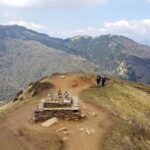
Sunrise from Poon Hill is pure payoff. I love the close-up Annapurna views and the way the itinerary stitches in real village days with tea house hospitality. One thing to consider: this is a steady uphill trek with high altitudes, so you’ll want a solid hiking base and a slow, sensible pace.
You’ll start at 7:15 am from Pokhara Lakeside and finish back at the same meeting point after a final trek to Naya Pul and a drive home. I like that permits, paperwork, and an experienced Sherpa guide (plus a porter) are built in, which keeps your days focused on the trail instead of logistics.
In This Review
- Key highlights at a glance
- Why This Annapurna Base Camp + Poon Hill Trek Works as a 9-Day Plan
- Pokhara to Ulleri (Day 1): The Start That Gets You Quick Into Trek Mode
- Ghorepani (Day 2) and the Build Toward Poon Hill Sunrise
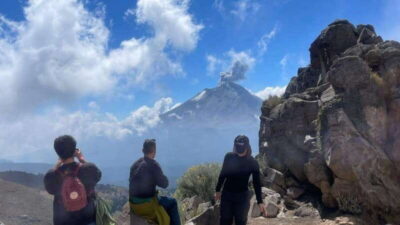
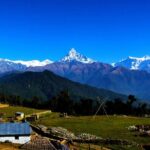
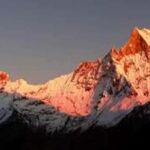
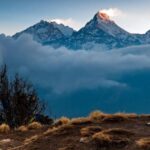
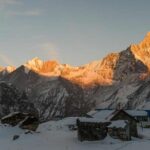
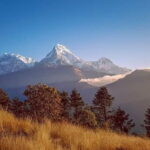
- Poon Hill Sunrise (Day 3): The View Everyone Plans For
- Tadapani to Chhomrong (Day 4): Village Days With Real Atmosphere
- Himalaya (Day 5) and the High-Country Transition
- Annapurna Base Camp and Machhapuchhre Base Camp (Day 6): The Main Event
- Descend to Bamboo (Day 7): Long Downhills, Then Real Recovery
- Jhinu Danda Hot Springs (Day 8): A Wilderness Soak Day
- Back to Pokhara via Naya Pul (Day 9): Wrap It Up Without Stress
- Tea Houses, Meals, and Sherpa Support: Comfort Where It Counts
- Price and Value: What $910 Buys You (and What It Doesn’t)
- Who Should Choose This Trek—and Who Might Reconsider
- Should You Book This Annapurna Base Camp + Poon Hill Trek?
- FAQ
- Where does the trek start and when?
- What does the trek include for accommodation and meals?
- Are permits included?
- Is transportation included from Pokhara?
- Will I get a guide and porter?
- What are the highest points on the itinerary?
- Is Jhinu Danda hot springs included?
- What should I budget for that is not included?
- How does cancellation work?
Key highlights at a glance

- Poon Hill sunrise: early-morning hike with world-famous Himalayan panorama views
- Annapurna Base Camp finale (4,130 m): a true high-altitude goal, reached via Machhapuchhre Base Camp
- Tea house trekking all the way: cozy stays and full meals during the trek (no cooking, no planning)
- Jhinu Danda hot springs: a wilderness soak day after a big descent
- Gurung and Magar village life: everyday culture along the trail, not a staged experience
- Permits included: ACAP and TIMS paperwork handled for you
Why This Annapurna Base Camp + Poon Hill Trek Works as a 9-Day Plan
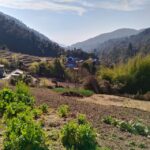
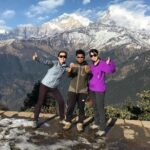
This route is a smart mix: altitude goals you can feel in your legs, plus daily moments that keep it interesting. You’re not just hiking “to one point.” You’re moving through terraced farmland, rhododendron forests, and alpine meadows, with changing scenery and different types of trail work day to day.
The best part is how the itinerary spaces out the big days. You get a classic acclimation build as you climb from Ulleri (1,520 m) up through Ghorepani (2,880 m), and then you’re back out of the cold high zone later with a long, gradual descent toward Bamboo and Jhinu Danda. That structure matters because altitude punishes sloppy pacing.
Two other things I like: the trail is supported without feeling like a bus tour, and the experience leans on human-scale comforts. Tea houses keep you warm and fed, and the meals and lodging during the trek are included, which makes the whole trip feel simpler from day one.
Possible drawback? The early start for sunrise at Poon Hill is real. So is the physical demand of long trekking days (often 5–8 hours). If you’re expecting an easy walk with frequent long breaks, this won’t match that. If you enjoy purposeful hiking and can handle changing elevation, it fits nicely.
You can also read our reviews of more tours and experiences in Pokhara.
Pokhara to Ulleri (Day 1): The Start That Gets You Quick Into Trek Mode

Your day begins with a pickup from Pokhara Lakeside and a drive to Nayapul. Then you’ll trek onward to Ulleri (1,520 m), with about 5–6 hours of hiking on Day 1.
Why this matters: Ulleri is your first “rhythm setter.” It’s high enough that you start feeling the Annapurna region’s cooler air, but not so high that the first day becomes an endurance test. You’ll likely notice the contrast between easy walking along the lower approach and more focused uphill effort as the trail climbs.
I also like that the tour includes private transportation to and from Pokhara to Nayapul. You’re not piecing together local buses and timing connections while carrying expectations about jet lag and day-one energy.
Ghorepani (Day 2) and the Build Toward Poon Hill Sunrise

Day 2 is a climb to Ghorepani (2,880 m), roughly 6–7 hours. This is one of those days where you earn your future morning views. Ghorepani is also the practical base for Poon Hill, so this isn’t just movement on a map—it’s setting you up for the big sunrise.
The tea house stay after your hike is more important than it sounds. You need time to eat, warm up, and sleep. This trek runs on timing, and early mornings are easier when you’re fed and rested.
A detail I’d keep in mind: you’re sleeping at a higher elevation after a full day of trekking, so take it slow on the final climb into Ghorepani. Save your energy for the sunrise plan.
Poon Hill Sunrise (Day 3): The View Everyone Plans For
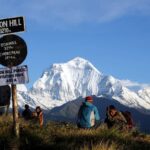
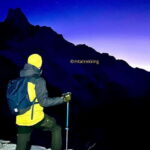
Day 3 starts with an early morning hike for Poon Hill sunrise, then you trek on to Tadapani (2,650 m), about 6–7 hours.
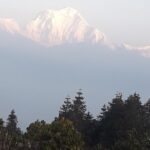
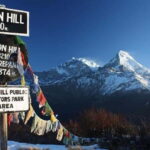
What makes Poon Hill special is simple: it’s a sunrise viewpoint that gives you Himalaya drama without requiring technical climbing. You’ll be up early, but you’re up early for a reason.
Here’s the practical side: after sunrise, your body switches quickly from “stand and watch” to “keep walking.” If you tend to get chilled easily, you’ll appreciate dressing in layers so you can handle the temperature swing between early cold hours and daytime trekking warmth.
Then you get to continue to Tadapani, where the day doesn’t end with only photos—it ends with tea house comfort. That combination is part of why this trek feels balanced.
Tadapani to Chhomrong (Day 4): Village Days With Real Atmosphere

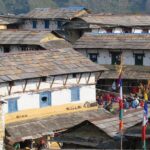
Day 4 takes you to Chhomrong (2,170 m) in about 5–6 hours. You’ll enjoy village views and settle in for another tea house night.
Chhomrong is one of those anchor points along the Annapurna trail system. The elevation drop (from the higher areas you reached recently) gives your legs a brief reset while still keeping you on a mountain schedule.
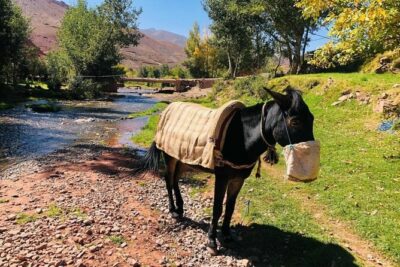
What I like about the way this route handles culture is that it’s built into your daily walking. You’re seeing everyday life in the Gurung and Magar communities without treating it like a separate attraction. Even if you don’t speak the language, you’ll recognize hospitality through how people run tea houses: you eat, you rest, and you move on.
Himalaya (Day 5) and the High-Country Transition
On Day 5 you move to Himalaya (2,920 m), trekking around 6–7 hours. This is a turning point day because you’re not just working your way to a base camp—you’re stepping into a more clearly alpine world.
This is where I’d pay attention to your pacing. Long hours at moderate to higher elevation can feel deceptively manageable early on, then suddenly take more effort later. The best strategy is steady: shorter breaks, consistent movement, and no sprinting to “get it over with.”
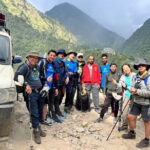
If you’re traveling with a group, this is also where having a licensed, experienced guide helps. The trek is designed around altitude progression and daily timing, and your guide can help keep you from turning your hike into an unplanned endurance test.
Annapurna Base Camp and Machhapuchhre Base Camp (Day 6): The Main Event
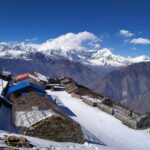
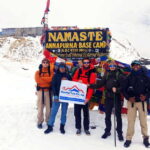
Day 6 is the big goal: trekking to Annapurna Base Camp (4,130 m) via Machhapuchhre Base Camp in about 5–6 hours.
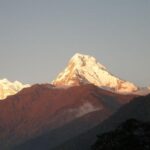
This is the day that makes the whole trip worth it. At 4,130 m, you’re surrounded by high peaks and the atmosphere feels sharper. Even if you’re not chasing bragging rights, you’ll feel like you reached the “real point” of an Annapurna trek.
Also, this isn’t a straight shot. The route includes Machhapuchhre Base Camp, which helps break the journey into something you can hold onto. Instead of thinking only about the final altitude, you’ll have a meaningful waypoint on the way.
Two practical considerations:
- Expect thinner air and slow, controlled movement at higher elevation.
- Plan for a lower comfort level than in the lower villages. Tea houses work at altitude, but you’ll still feel the mountain in every minute.
Descend to Bamboo (Day 7): Long Downhills, Then Real Recovery

Day 7 descends from Annapurna Base Camp to Bamboo (2,310 m) in about 7–8 hours. This is a longer day than most, and downhill can be as draining as uphill.
Here’s the value of a tea house trek: once you reach Bamboo, you’re not stuck improvising. You get the same basic rhythm of meals and lodging included as part of the package. That’s a big deal after a day that can be hard on knees and ankles.
If you want your next two days to feel enjoyable, take care of your body today. You’re earning the hot springs later, and it’s smart to move like you’ll still want to walk tomorrow.
Jhinu Danda Hot Springs (Day 8): A Wilderness Soak Day
Day 8 takes you down to Jhinu Danda (1,780 m) in about 5–6 hours, and you get to relax in natural hot springs.
I love this kind of ending because it’s not just “finish line relief.” It’s active recovery. The hot springs day gives your body a reason to feel better after a tough high-altitude descent day.
It also changes the mood. Your trekking days have a pace of climbing, focusing, and conserving. Then suddenly you’re in a slower frame: eat, soak, and enjoy the quiet after movement.
Back to Pokhara via Naya Pul (Day 9): Wrap It Up Without Stress
On Day 9 you trek down to Naya Pul, then take a comfortable drive back to Pokhara. This ends back at the meeting point.
This last day matters more than you might think. If you finish without a chaotic transfer, the whole trek feels like it landed well. The tour builds in private transportation, so you’re not spending your final hours negotiating rides when you’re tired.
Tea Houses, Meals, and Sherpa Support: Comfort Where It Counts
This trek is built around tea house lodging and all meals during the trek (breakfast, lunch, and dinner). That included food plan is one of the biggest value features because it reduces the “what do we eat today” stress that can wear people down on multi-day hikes.
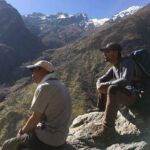
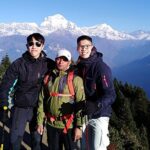
You also travel with an experienced license holder trekking Sherpa guide and a Sherpa porter. The porter ratio is 2 trekkers = 1 porter, which helps keep the experience manageable, especially on days with longer hiking hours.
I also like that the tour handles the trekking paperwork, including ACAP and TIMS permits. Trekking permits can be a maze, and having the admin done lets your attention stay on the trail.
One thing to note for budgeting mindset: drinks are not included, and you’ll also be responsible for tips for guide and porter. That’s normal on trekking routes, but it’s smart to carry cash and plan ahead.
Price and Value: What $910 Buys You (and What It Doesn’t)
At $910 per person, this package isn’t cheap, but it’s not random pricing either. The value comes from what’s included:
- private transport Pokhara ↔ Nayapul
- tea house accommodations during the trek
- all meals during the trek
- guide + porter support (with the 2:1 ratio)
- trekking permits (ACAP, TIMS) and paperwork
- government taxes and service charge
- mobile ticket
What isn’t included:
- tips
- your Pokhara hotel and meals before/after the trek
- drinks (tea/coffee/water/soft drink/alcohol)
- hot shower and internet
- travel insurance (and it’s compulsory)
So the real question is: do you want to pay for convenience and support, or do you prefer handling permits, planning, and logistics yourself? If you want a smooth trek with fewer moving parts, the price makes more sense. If you enjoy independent planning and already know the permit process, you might compare options carefully.
Who Should Choose This Trek—and Who Might Reconsider
This itinerary is best for people with moderate physical fitness who enjoy hours of hiking at elevation. It’s not just “a walk in the park.” You’ll be on the trail about 5–8 hours most days, and you’ll reach 4,130 m.
You’ll likely enjoy it most if:
- you want big-view moments like Poon Hill sunrise and Annapurna Base Camp
- you like tea house culture and don’t mind simple rooms
- you want a guided trek that handles permits and keeps days organized
- you enjoy variety—forest, farmland, high alpine sections, and then hot springs recovery
Consider rethinking if you need a very gentle schedule, or if you’re not comfortable with altitude exposure and long hiking days.
Should You Book This Annapurna Base Camp + Poon Hill Trek?
If you’re craving a classic Annapurna experience with strong viewpoint payoff, this is a solid choice. The itinerary hits the highlights you came for—Poon Hill sunrise, Annapurna Base Camp, and Jhinu Danda hot springs—and it doesn’t ignore the practical stuff like guide support, permits, and included meals.
I’d book it if you want less hassle and more trail time, and if your fitness level matches a multi-day hike with high altitude. I’d pause if you’re prone to rushing, because this trek rewards steady pacing and smart acclimation.
If you go, go prepared: plan for early mornings, dress in layers, and treat the high days with respect. Done that way, this 9-day trek can feel like one long sequence of earned mountain moments.
FAQ
Where does the trek start and when?
The activity starts at Pokhara Lakeside on Lakeside Rd, Pokhara 33700, Nepal, with a start time of 7:15 am.
What does the trek include for accommodation and meals?
During the trek, you’ll have tea house accommodation and all meals (breakfast, lunch, dinner) are included.
Are permits included?
Yes. The trek includes trekking permits and paperwork, including ACAP and TIMS.
Is transportation included from Pokhara?
Yes. The package includes private transportation to and from Pokhara to Nayapul.
Will I get a guide and porter?
Yes. You get an experienced licensed Sherpa trekking guide and a Sherpa porter, with the porter arrangement of 2 trekkers = 1 porter.
What are the highest points on the itinerary?
You’ll reach Ghorepani (2,880 m), then Annapurna Base Camp (4,130 m) on Day 6, and later descend to Bamboo (2,310 m) and Jhinu Danda (1,780 m).
Is Jhinu Danda hot springs included?
Yes. Day 8 includes relaxing in the natural hot springs at Jhinu Danda.
What should I budget for that is not included?
Tips for the guide and porter are not included, and drinks are not included. Also, accommodation and meals in Pokhara are not included, and hot shower/internet are not listed as included.
How does cancellation work?
You can cancel for a full refund up to 24 hours before the experience starts. The trek also requires good weather, and you’ll be offered a different date or a full refund if canceled due to poor weather. Travel insurance is also compulsory for this adventure trip.