REVIEW · KATHMANDU
Ghorepani Poon Hill Trek 6-Days
Book on Viator →Operated by NEPAL LION TOURS AND TREKS PVT LTD · Bookable on Viator
Sunrise over the Himalaya is worth it. This Ghorepani Poon Hill trek mixes relaxed pacing with jaw-dropping views from Poon Hill (3,210 m), plus a guided mountain-and-culture experience in Nepal’s Annapurna Conservation Area. I especially like that the trek is designed for people who want the thrill without marathon days, and that your payoff is a serious panorama at first light.
The main drawback is simple: early starts are part of the deal. If you’re hoping to sleep in and skip cold mornings, this route may not fit your style. It’s still built for moderate fitness, and the small group size (up to 15) helps the pace stay manageable.
In This Review
- Key highlights of Ghorepani Poon Hill in 6 days
- Why this trek feels easier than most mountain trips
- Kathmandu to Pokhara: the view warm-up you’ll actually remember
- Trekking in the Annapurna Conservation Area (and why the guide matters)
- Poon Hill sunrise: the big payoff at 3,210 m
- How organization and a small group keep the trek fun
- The 6-day flow: pacing, effort, and what you’ll feel each day
- Effort level: moderate fitness, not couch-to-summit
- What’s included (and why it’s a real value)
- Who this trek suits best (and who should think twice)
- Should you book this Ghorepani Poon Hill 6-day trek?
- FAQ
- Where does the Ghorepani Poon Hill trek start?
- How long is the trek?
- What is the highest point on the trek?
- What views can I expect from Poon Hill sunrise?
- Does the trip include pickup and drop-off?
- Are meals included?
- What is included in the package price?
- What is not included?
- Can I cancel for a full refund?
- Is there a limit on group size?
Key highlights of Ghorepani Poon Hill in 6 days
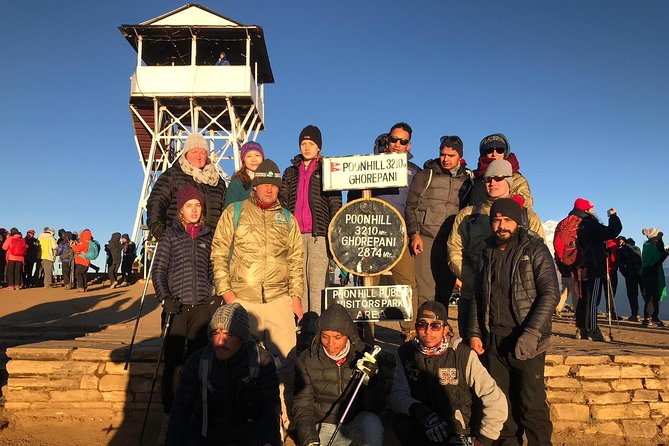
- Poon Hill at 3,210 m: the classic sunrise spot with wide mountain sightlines
- Big sunrise viewing targets: Mt. Dhaulagiri, Mt. Annapurna, and Mt. Ganesh in one panorama
- Annapurna Conservation Area trekking with cultural and ethnic context along the way
- Pokhara add-on views: Mt. Fishtail, plus Phewa Lake scenery
- Professional English guide and hotel pickup/drop-off for a smoother start-to-finish trip
Why this trek feels easier than most mountain trips
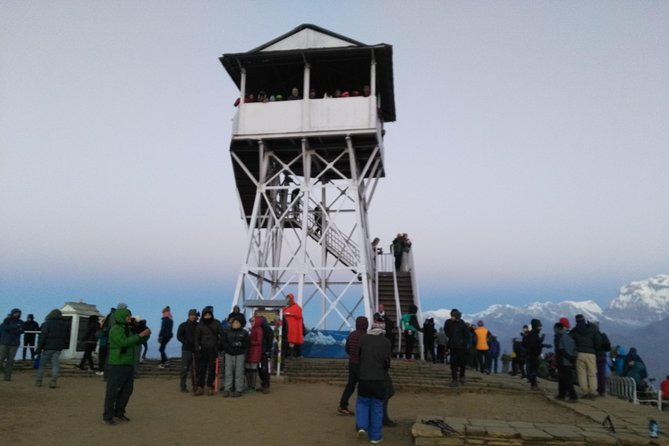
This is one of those Nepal treks that understands most people have two needs: see the mountains and still enjoy the trip. The route is set up so much of the hiking happens at lower elevations, which generally means less strain than higher-altitude treks. You’re still walking through real mountain terrain, but you’re not signing up for a full-on endurance challenge.
You’ll also get a cultural and ethnic tour element rather than treating the trek like a checklist. That matters because it turns the journey into more than just legs and altitude. A good guide helps you connect what you’re seeing with how people live in the region, and that can make the climbs feel shorter.
One more practical point I like: the plan is only about 6 days. That’s long enough to feel like you escaped into the mountains, but short enough that you don’t burn your whole vacation on logistics. If you want the Poon Hill experience without weeks of travel, this format works.
You can also read our reviews of more tours and experiences in Kathmandu.

Kathmandu to Pokhara: the view warm-up you’ll actually remember
Most people think the trek begins when the hiking starts. On this trip, the mountain story begins earlier, in Pokhara. You’ll spend time in Pokhara with standout scenery like Mt. Fishtail and Phewa Lake. Even if you’re not a big city-sightseeing person, this stop matters because it gives you a visual anchor for what you’re about to chase on the trail.
Here’s why I think this matters for your enjoyment: Pokhara is where your brain shifts from Kathmandu traffic and paperwork into mountain time. You get your bearings. You see the water, the ridgelines, and the shapes of the peaks, so when sunrise hits later, it feels like a payoff rather than a random viewpoint.
Also, the trek company includes 5 nights of accommodation total and provides hotel pickup and drop-off, so you’re not juggling where to sleep and how to move between places. That’s real value when you’re dealing with an early morning schedule.
Trekking in the Annapurna Conservation Area (and why the guide matters)
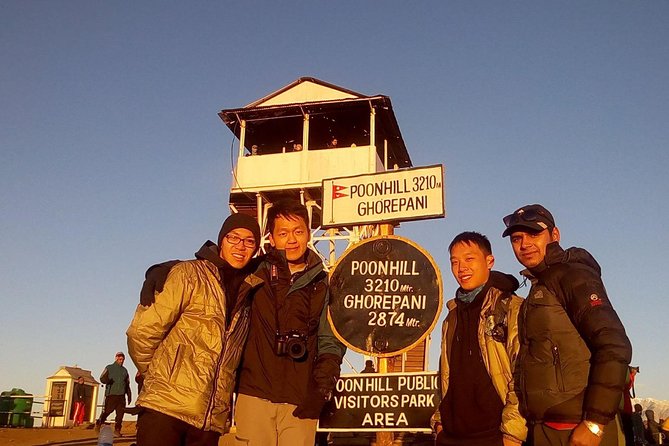
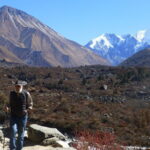
Once you’re on the trekking portion, you’re moving through Nepal’s Annapurna Conservation Area. Even without naming every pass and village, the big idea is that this is a well-traveled region where the trail experience is tied closely to local life. The trip is explicitly described as a cultural and ethnic tour, so you should expect more conversation than a purely scenic walk.
In the reviews, the most praised part is how smoothly the guidance worked on the ground. Names that came up include Binod Adhikari, Rajendra Lamichane, and Bijay Adhikari. That’s a clue to what you’re buying: not just someone who leads you, but someone who helps you understand what you’re seeing while you’re still walking.
One review specifically highlights that the guide would often stop mid-walk to talk about the mountains. That kind of pacing is underrated. It breaks up the monotony of steady steps, and it turns the journey into something you can talk about later instead of just something you survived.
Poon Hill sunrise: the big payoff at 3,210 m
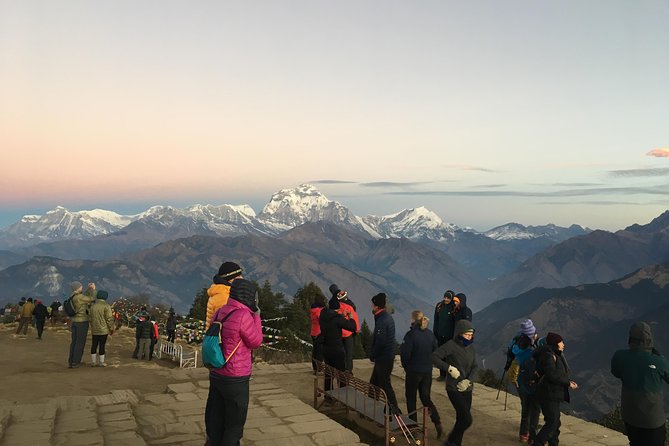
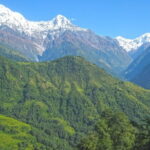
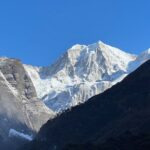
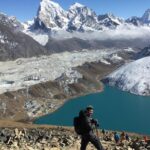
If your goal is one memorable moment, it’s this: reaching Poon Hill at 3,210 m for sunrise. The promise is clear—a wide panorama view that includes Mt. Dhaulagiri, Mt. Annapurna, and Mt. Ganesh, plus other Himalayan peaks. Sunrise in the Himalaya isn’t just pretty. It’s also a lighting trick that makes distant peaks pop when the morning air cooperates.
The practical way to think about it: expect an early push. The tour starts at 6:15 am from Thamel, and sunrise viewing generally requires getting moving before the sky is fully lit. If you’re the type who needs a perfect routine to enjoy mornings, bring that energy. If you’re flexible, you’ll likely find it exciting instead of miserable.
What to focus on when you’re up there:
- Watch the horizon first, not your phone screen. The mountains reveal themselves gradually.
- Bring layers. Early mornings at altitude can feel cold even if the day later warms up.
- Keep your expectations for clouds realistic. Even on great days, the weather can be moody in the mountains.
This is also where the trek’s “not too long” design pays off. You’re working toward a single, high-impact payoff rather than being spread thin across a dozen intense days.
How organization and a small group keep the trek fun
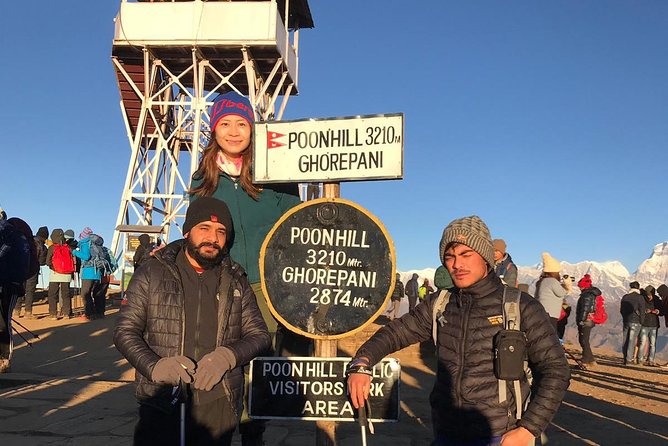
This trip caps at 15 travelers, which is a sweet spot. Too many people can turn a hike into a traffic jam. A smaller group tends to keep things calmer, and it helps your guide manage timing—especially on the morning when sunrise is the mission.
The tour is also built with convenience in mind: professional English guide, meals included (B/L/D as per itinerary), and hotel pickup and drop-off. That combination reduces decision fatigue. On trekking days, fewer choices usually means better energy for the climb and better morale at viewpoints.
In one review, the organization was praised for being hands-on before the trek started, including making sure the person had the right equipment. That’s the difference between showing up and being prepared. You don’t need to go full gear-nerd, but you do need the basics to feel comfortable.
And yes, safe logistics matter on mountain trips. A guide who gets everyone back safely is not a small detail. It’s the reason you can focus on views and culture instead of worry.
The 6-day flow: pacing, effort, and what you’ll feel each day
Even without a minute-by-minute itinerary listed here, you can plan for the rhythm of this trek based on what’s included and what’s promised.
Here’s the experience pattern you should expect:
- Start in Kathmandu (Thamel) with an early departure mindset. The tour begins at 6:15 am at Thamel, and it ends back at the same meeting point.
- Pokhara days focused on scenery like Phewa Lake and Mt. Fishtail, plus getting your body ready for walking.
- Annapurna trekking days at lower elevations, with a mix of movement and cultural stops while your guide explains what’s around you.
- The key summit moment: the sunrise push to Poon Hill (3,210 m), where the views of Dhaulagiri, Annapurna, and Ganesh are the headline.
Because you get 5 nights accommodation included, the trip is set up so you’re not trying to scramble for rooms mid-trek. That’s part of why shorter trekking trips still feel like a real journey.
Effort level: moderate fitness, not couch-to-summit
You should have a moderate physical fitness level. That usually translates to: you can handle uphill walking for several hours if you take breaks. The good news is that the trek is marketed for people who do not want long walking hours. The even better news is that the route is described as lower elevation for much of the experience, which typically makes recovery easier.
If you’re coming from flat-land life, plan to move regularly before you go—brisk walking and stairs help. If you’re already doing hikes now, you’ll likely feel pleasantly challenged without getting crushed.
What’s included (and why it’s a real value)
At $468.59 per person for about 6 days, you’re not paying just for a view. You’re paying for the structure that makes a trek work smoothly.
Included items:
- 5 nights accommodation
- Meals as per itinerary (breakfast/lunch/dinner)
- Professional English guide
- Hotel pickup and drop-off
- All taxes, fees, and handling charges
When you put that together, the value is pretty clear. Trek costs can balloon quickly once you add lodging, food, and guidance. Here, you’re getting the core pieces bundled, which is especially helpful if you’re traveling with limited time to research and coordinate.
What’s not included (so you can budget without surprises):
- International airfare and visa charges
- Travel and medical insurance
- Hotel expenses in Kathmandu or Pokhara after the package ends
- Personal expenses like shopping, bar bills, hot showers, phone, laundry, and snacks
- Emergency expenses such as a chartered helicopter
- Tips for guides and porters
That list is important because it tells you how to plan. The package handles the backbone. You still control the extras.
Who this trek suits best (and who should think twice)
This Ghorepani Poon Hill trek fits well if you want:
- Big Himalayan views without a punishing altitude challenge
- A guided experience with cultural and ethnic context
- A manageable trek length that still feels like a real mountain escape
- A group size small enough to stay relaxed (up to 15)
It may be less ideal if:
- You want zero early mornings (sunrise is the star)
- You’re looking for a totally independent trek with no guidance (this is explicitly guided)
- You prefer very high-altitude adventure over classic panorama hiking
Also worth noting: service animals are allowed, and the meeting point is in Thamel, which is described as near public transportation. That can matter for how easy it is to reach the start area.
Should you book this Ghorepani Poon Hill 6-day trek?
If your dream is Poon Hill sunrise and you want it wrapped in solid organization, I think this is a strong pick. The trek’s core strengths are clear: lower-elevation pacing, a professional English guide, included meals and lodging, and the payoff of wide views of major peaks including Dhaulagiri, Annapurna, and Ganesh.
I’d book it if you want a trekking vacation that’s exciting but not brutal, and if you enjoy learning a bit about local life along the way. I’d hesitate only if you’re extremely sensitive to cold mornings or you’re aiming for a harder, higher-altitude trekking badge.
In short: this is a practical way to experience the Himalaya highlights, with less stress than many trekking options.
FAQ
Where does the Ghorepani Poon Hill trek start?
The meeting point is Thamel, Kathmandu 44600, Nepal, and the tour starts at 6:15 am.
How long is the trek?
The duration is listed as 6 days (approximately).
What is the highest point on the trek?
The trek reaches Poon Hill at 3,210 m.
What views can I expect from Poon Hill sunrise?
You can expect panoramic sunrise views that include Mt. Dhaulagiri, Mt. Annapurna, Mt. Ganesh, plus other Himalayan ranges and peaks.
Does the trip include pickup and drop-off?
Yes. Hotel pickup and drop-off are included.
Are meals included?
Yes. Meals are included as per the itinerary, with breakfast, lunch, and dinner listed as B/L/D.
What is included in the package price?
Included are 5 nights accommodation, meals as per itinerary, all taxes and fees, a professional English guide, and hotel pickup and drop-off.
What is not included?
International airfare and visa charges, travel and medical insurance, hotel expenses after the package ends, personal expenses, emergency expenses such as helicopter, and tips for guides and porters are not included.
Can I cancel for a full refund?
Yes. Free cancellation is available up to 24 hours in advance of the experience start time for a full refund.
Is there a limit on group size?
Yes. The tour/activity has a maximum of 15 travelers.