REVIEW · KAMPALA
From Kampala: Gorilla Trekking in Bwindi Forest 3-Day Tour
Book on GetYourGuide →Operated by Inspire African Safaris · Bookable on GetYourGuide
The gorillas find you in Bwindi. This 3-day trek from Kampala to Bwindi Impenetrable National Park turns a long drive into a real, up-close wildlife moment. I love the chance to watch mountain gorillas in their habitat for up to an hour, and I also like the practical comfort of a 4WD Land Cruiser with a pop-up roof. The big drawback is simple: you’ll spend a lot of time on the road before and after the trek.
I also like how the days are built around real experiences, not just sitting. You get a proper check-in night at either Gorilla Valley Lodge or Travellers Rest Hotel, plus an included Batwa evening that adds context to life in the forest. In at least one standout guide pairing, Mark has been praised for punctuality, care, and safety-focused guidance, which matters a lot when the pace is determined by the terrain and the gorillas.
In This Review
- Key things to know before you go
- Bwindi Impenetrable National Park and the Buhoma start
- Road time from Kampala: what the drive really means
- Day 1: Kampala to Buhoma, with an Igongo Cultural Centre stop
- Your lodge base: Gorilla Valley Lodge or Travellers Rest Hotel
- Day 2 gorilla tracking: briefing at 7:45, trek at 8:30
- How the trek feels: 3 to 9 hours in real forest conditions
- What happens when you find gorillas
- The included Batwa evening: context beyond the trek
- Transport details: window seats and a pop-up roof
- Price and value: is $2,800 per person worth it?
- Guide and safety: why Mark’s name comes up
- What this tour is best for
- Should you book the Kampala to Bwindi 3-day gorilla trek?
- FAQ
- What time do you start the trip from Kampala on Day 1?
- What time do you start gorilla trekking on Day 2?
- How long is the gorilla trek and how long do you watch the gorillas?
- Where do you stay during the two nights in Bwindi?
- What is included in the tour price?
- Is the tour suitable for people with mobility impairments?
- When do you return to the starting point on Day 2?
Key things to know before you go
- Up to one hour with gorillas once the animals are found, plus a full-day trek plan (often 3–9 hours)
- Serious hiking on uneven ground, so comfort starts with footwear and fitness
- Big road time from Kampala, with stops along the way and long drives that can’t be rushed
- Batwa evening is included, giving you cultural insight alongside the wildlife
- Comfort during transit thanks to a 4WD Land Cruiser with a pop-up roof and window seating
- Buhoma sector base with lodging options like Gorilla Valley Lodge or Travellers Rest Hotel
Bwindi Impenetrable National Park and the Buhoma start
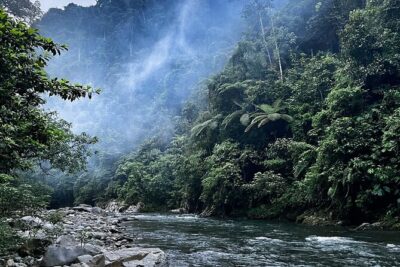
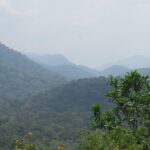
Bwindi Impenetrable National Park is where Uganda’s mountain gorillas live high up in the montane forest. This tour bases you in the Buhoma sector, which is a popular launch area for gorilla treks and nearby forest tracks. That matters because the day’s timeline depends on where the gorillas are that morning.
The trekking day starts with a briefing before you head out. You’re then searching on foot through dense forest paths where the guide and rangers manage pace, safety, and group spacing. The goal is simple: get close enough to see gorillas clearly while keeping respectful distance.
You can also read our reviews of more tours and experiences in Kampala.
Road time from Kampala: what the drive really means
This itinerary is built around a Kampala-to-Bwindi journey that’s long by any standard. The plan lists roughly 9 hours driving each way, but real roads, traffic, and conditions can stretch that more. One trip example included a breakdown on the way there, turning the day into a stressful slog.
That’s the main trade-off: the gorilla day is your highlight, but you’ll pay for it with time spent in a vehicle. The tour does try to make that easier with transport in a 4WD Land Cruiser with a pop-up roof and comfortable window seating, which helps you feel less boxed in while passing villages and farmland.
My advice is to treat the drive as part of the experience, not a separate inconvenience. Bring snacks for the waiting, plan your hydration, and avoid assuming the roads will behave like a smooth highway.
Day 1: Kampala to Buhoma, with an Igongo Cultural Centre stop
On Day 1, pickup is scheduled at 7:00 AM from your Kampala accommodation. You then head southwest through central Uganda, with a lunch stop at the Igongo Cultural Centre in Mbarara. That stop is a useful reset: it breaks up the long drive and gives you a chance to stretch before the final approach toward Bwindi.
After Mbarara, the route continues through Rukungiri District, passing villages, cultivated farms, and hillside scenery. Then you reach the Buhoma sector area and check in at Gorilla Valley Lodge or Travellers Rest Hotel for two nights.
You’ll have dinner and time to rest before the trek day. This is smart scheduling because gorilla tracking isn’t just walking; it’s uneven terrain, mud or wet patches, and a pace that can change quickly.
Your lodge base: Gorilla Valley Lodge or Travellers Rest Hotel
Both lodging options are part of the tour, and they function as your reset point between the drive and the hike. Gorilla Valley Lodge is often associated with a comfortable, well-run base in the Buhoma area, while Travellers Rest Hotel is another common option used for this type of itinerary.
From the feedback I’ve seen, people tend to appreciate that the lodges feel clean and that the meals are satisfying after a long day. That’s not a small detail: after hours in a vehicle and a full day in the forest, you’ll want a quiet place to recover and recharge.
Also, because Day 2 ends late, choosing a lodge where you can sleep soundly is a big deal. Even if you love wildlife, you’ll still need energy for the next morning.
Day 2 gorilla tracking: briefing at 7:45, trek at 8:30
Day 2 is the heart of the trip. You arrive at the starting point around 7:45 AM for your briefing. At 8:30 AM, the gorilla trek begins, and from there, timing is controlled by where the gorillas are that day.
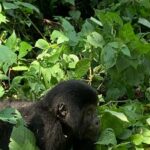
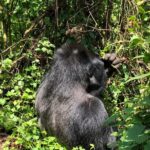
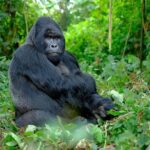
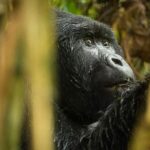
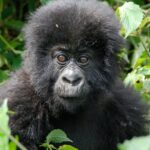
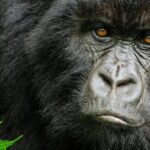
Once the gorillas are found, you get up to one hour observing them. That hour is usually the moment people talk about afterward: you’re close enough to see behavior clearly, but close-up doesn’t mean chaotic. Rangers and guides keep things orderly so you can focus on watching.
The trek length can vary widely, from about 3 hours to as long as 9 hours, depending on the gorillas’ location and movement. All visitors are expected back at the starting point by 7:00 PM, so you never feel like you’re out there without a plan.
How the trek feels: 3 to 9 hours in real forest conditions
Even if you’re an experienced hiker, Bwindi’s terrain is not casual. The tour notes that the walks can take 3–9 hours and includes the reminder that this is real hiking on uneven ground. That means your day needs stamina, balance, and sensible footwear.
If you’re the type who counts steps and hates unpredictability, this might feel annoying at first. But the flip side is that the trek teaches patience fast. The gorillas set the rhythm, and your job is to follow the guide’s pace and stay calm while moving through dense forest.
I’d also plan for the possibility that the forest can be muddy or slippery. Bring clothes you don’t mind getting scuffed, and expect that you’ll leave the day a little dirtier than you arrived.
What happens when you find gorillas
Finding gorillas is a coordinated operation. Rangers and guides use the tracking process to locate gorilla groups, and then your group gets time to watch them. Your hour of observation is designed to be enough to see multiple behaviors without overstaying.
You’ll want to keep your focus in that hour. Noise carries in the forest, and gorillas are sensitive to disturbance. Follow instructions, keep your distance, and use the time to watch patterns: how they move, feed, rest, and interact.
One of the strongest reasons this tour gets high marks is the proximity. When the gorillas are close enough for clear viewing, it turns into a memory that’s hard to compare to anything else.
The included Batwa evening: context beyond the trek
This tour doesn’t stop at gorillas. It includes a special evening with the Batwa people, which adds human context to the forest you just hiked through. Even if you’re mainly there for wildlife, that cultural piece helps you connect the scenery to people who have long lived with these ecosystems.
Because the exact format can vary, I recommend you show up ready to listen. Ask practical questions if your guide encourages it, and treat it as learning time rather than a quick show. It’s one of the few parts of the itinerary that isn’t about timing gorillas, which makes it a nice balance.
Transport details: window seats and a pop-up roof
Long drives can wear you down, so the vehicle choice matters. The tour uses a 4WD Land Cruiser with a pop-up roof and comfortable window seating. A pop-up roof can make viewing easier when the roads cut through villages and hillsides.
Still, keep your mindset realistic. The comfort helps, but the journey is still long. If you get motion sick, plan for that, and if you feel tense about breakdowns or delays, know that road conditions can affect any long-distance route.
When the drive goes well, you arrive with enough energy to check in, eat, and sleep. When things go wrong, you’ll wish the trek day could start sooner. That’s why it helps to build patience early.
Price and value: is $2,800 per person worth it?
The price is listed as $2,800 per person, and it includes several big-ticket items: the gorilla trekking permit ($700), two nights of accommodation, food and drinks, hotel pickup and drop-off, all transportation, and a guide. On paper, that’s a lot bundled together, which can make planning simpler.
Here’s how I’d judge value. Gorilla trekking permits are expensive, and the trek day can’t be separated from the forest logistics. You’re also paying for the fact that you’re driving from Kampala, which means more fuel, more hours, and more coordination than if you started closer to Bwindi.
The main value question is the same one people feel when road time dominates: if you end up spending multiple long stretches in the vehicle, it can feel like the trip is less efficient. If you’re very sensitive to travel time, ask yourself whether you’d rather trade some convenience for a shorter transfer.
Also, double-check what fees are included for the gorilla program when you confirm your booking. One point that came up in trip experiences is that there can be confusion around extra park-related charges beyond the permit. Clarifying this directly with the operator is worth five minutes.
Guide and safety: why Mark’s name comes up
A good guide can make the difference between stressful and manageable. In feedback tied to this type of Bwindi trip, Mark has been praised for being punctual, caring, and focused on safety. When you’re hiking all day in uneven forest terrain, that kind of guidance helps you relax and move steadily.
Equally important: rangers know the gorilla-tracking system, and they run the day when it’s time to locate the animals and keep behavior calm. When rangers do their job well, you feel the structure even when the trek is unpredictable.
If you want to maximize your enjoyment, choose a mindset: let the guides handle the planning. Your job is to follow directions, conserve energy, and stay present in the moment you see the gorillas.
What this tour is best for
This 3-day option fits best if you:
- Want a guided, structured gorilla trek in Bwindi’s Buhoma area
- Don’t mind a long drive from Kampala in exchange for one of Uganda’s most famous wildlife experiences
- Are comfortable with real hiking on uneven ground
- Enjoy cultural additions, like the Batwa evening, not just wildlife
It’s not suitable for people with mobility impairments, based on the trek nature and uneven terrain. If mobility is a concern, you’d need to look for a different style of experience that matches your physical needs.
Language is English, which makes communication easier for most visitors. Having instructions clearly explained before the trek is a practical comfort when you’re about to head into thick forest.
Should you book the Kampala to Bwindi 3-day gorilla trek?
If you’re excited by the idea of seeing mountain gorillas up close and you can handle a long road day, this tour makes a lot of sense. The gorilla viewing time, the full forest trek day, the included lodge base, and the Batwa evening create a complete Bwindi experience rather than a quick stop.
I’d say don’t book if you hate long vehicle time, have trouble with motion or stress during breakdown-risk travel, or can’t manage uneven hikes. In that case, your best move is to search for an option with a shorter transfer and a trekking plan that matches your fitness level.
Before you commit, do one simple thing: confirm exactly what fees are included beyond the permit and ask whether your pickup day is designed to be flexible if road conditions slow down. If you get clear answers, you’ll go into the trip knowing what you’re trading your time for.
FAQ
What time do you start the trip from Kampala on Day 1?
Pickup from your Kampala accommodation is scheduled for 7:00 AM on Day 1.
What time do you start gorilla trekking on Day 2?
You arrive for a briefing at 7:45 AM, and the trek begins at 8:30 AM.
How long is the gorilla trek and how long do you watch the gorillas?
The trek can take about 3 to 9 hours depending on where the gorillas are found. After locating them, you can observe the gorillas for up to 1 hour.
Where do you stay during the two nights in Bwindi?
You stay for two nights at either Gorilla Valley Lodge or Travellers Rest Hotel.
What is included in the tour price?
Included items are the gorilla trekking permit (listed at $700), 2 nights accommodation, food and drinks, hotel pickup and drop-off, all transportation, and a guide.
Is the tour suitable for people with mobility impairments?
No, it is not suitable for people with mobility impairments.
When do you return to the starting point on Day 2?
You are expected back at the starting point by 7:00 PM on Day 2.