REVIEW · POKHARA
From Pokhara: 2 Day 1 Night Ulleri,Ghorepani Poon Hill Trek
Book on GetYourGuide →Operated by CAN Travels · Bookable on GetYourGuide
Two days, one serious sunrise chase. The Poon Hill sunrise show over Annapurna and Dhaulagiri is the main event, and the short timeline makes this trek feel doable without turning your vacation into a fitness boot camp. You start with a scenic drive out of Pokhara, then walk through villages and forests that slowly build you toward the viewpoint.
What I like most is the mix of big-mountain views and easy hiking rhythm. You get classic Himalayan panoramas from Poon Hill (3210 m) and pass through rhododendron forests on the way up, which are especially pretty in spring. I also appreciate how the trip is guided end-to-end by English-speaking leaders such as Biru, Amrit, Sandeep, Krishna Adhikari, and Deepak, who focus on pace and making sure you’re comfortable enough to enjoy the views.
The main consideration is weather. Clouds can dull the sunrise, and mornings can feel chilly at higher spots—so plan for a flexible mindset and dress for the cold.
In This Review
- Key highlights worth knowing
- Why This 2-Day Poon Hill Trek Works So Well From Pokhara
- Pokhara to Nayapul: The Scenic Setup Before You Hike
- Ulleri and the Rhododendron Walk Toward Ghorepani
- Ghode Pani Stop and Village Life on the Way Up
- Ghorepani Night: What Your Overnight Really Means
- Poon Hill Sunrise: The 3210 m Viewpoint That Defines the Trek
- The Descent: From Poon Hill Back Toward Ulleri
- Guides, Pace, and the Stuff That Keeps It Comfortable
- Price and Value: What $161 Buys for Two Days
- When to Go and How to Pack for Mountain Timing
- Who Should Book This Trek (and Who Should Skip It)
- Should You Book This Poon Hill Trek With CAN Travels?
- FAQ
- How long is the Poon Hill trek from Pokhara?
- Where does the trek start and where do you end?
- What’s the highest point on this trek?
- How long is the hike to Poon Hill for sunrise?
- What kind of accommodation do you get in Ghorepani?
- Are trekking permits included?
- Is breakfast included?
- What languages can the guide speak?
- What do I need to bring?
Key highlights worth knowing
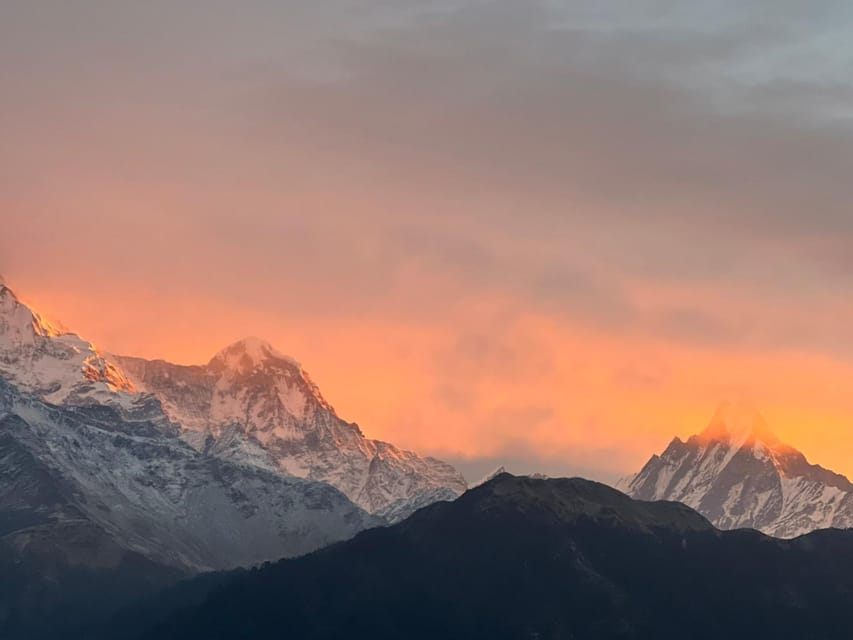
- Poon Hill viewpoint at 3210 m: Sunrise over Annapurna and Dhaulagiri, plus nearby ranges like Machhapuchare (Fish Tail).
- Rhododendron-and-forest hiking: A slow, scenic ascent through trees, including rhododendron, magnolia, oaks, pines, and fir.
- Ghorepani base in the Poon Magar area: A small ridge village right under the Poon Hill viewpoint.
- Guides who manage pace and photos: Names you may meet include Biru and Amrit, and they tend to time breaks well.
- Short trek, big payoff: Day 1 is Ulleri to Ghorepani, Day 2 is the early hike to Poon Hill and back down.
Why This 2-Day Poon Hill Trek Works So Well From Pokhara
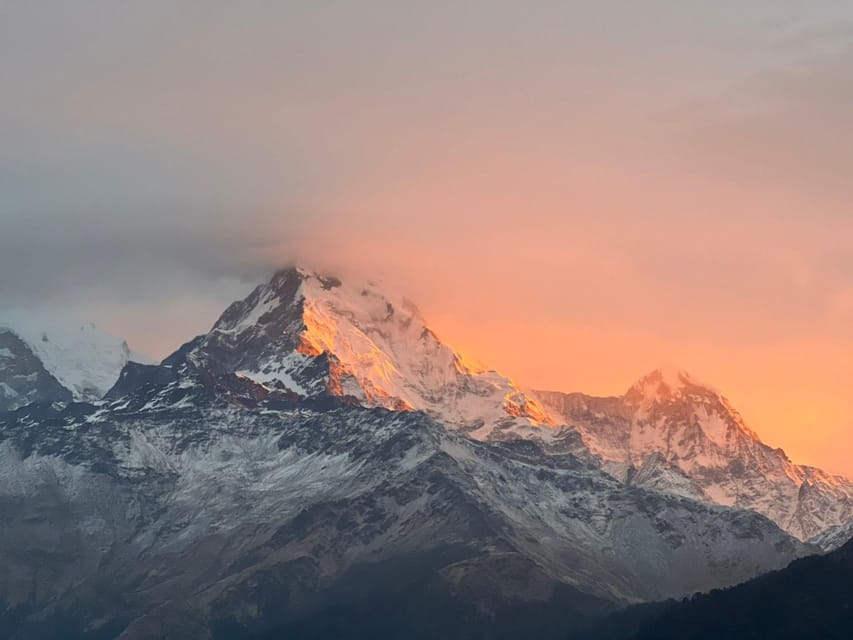
If you only have a couple days in Nepal, this trek is one of the best ways to experience the Annapurna region without committing to weeks on the trail. The route is short, but it still delivers that spine-tingling moment when the mountains fill the sky—especially at dawn.
I also like that the trek is “moderate” in practice. You’re walking uphill and out of breath at times (those stairs are real), but the schedule gives you a proper rhythm: drive, hike, overnight in Ghorepani, then a very early hike for sunrise. That structure matters because it keeps the experience fun instead of frantic.
You can also read our reviews of more tours and experiences in Pokhara.
Pokhara to Nayapul: The Scenic Setup Before You Hike
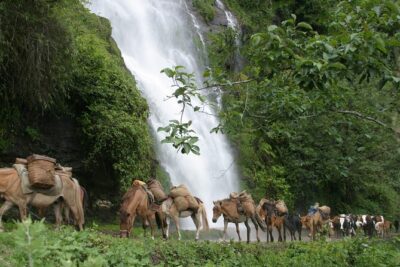
You’ll start in Pokhara with pickup from the lakeside area, then head toward Nayapul, the usual gateway for this part of the Annapurnas. The drive is part of the experience: you pass farm villages, waterfalls, and viewpoints as the valley gradually changes character.
The itinerary then pushes you upward by road to get you to Ulleri. Ulleri sits at about 1960 m, and from there the walking begins. This matters for value: you’re spending your energy on the trail that counts (forests, villages, and the approach to Ghorepani), not on a long uphill grind from sea level.
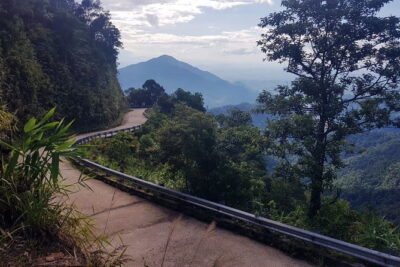
One practical note: the road to reach the trailhead is steep and winding. It’s not dangerous if you’re a typical passenger, but it is not for anyone who gets motion sick easily.
Ulleri and the Rhododendron Walk Toward Ghorepani
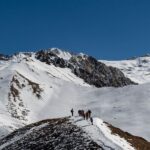
Day 1 is the climb from Ulleri to Ghorepani. The trek begins after you walk past Bhanthati village and into forest covered with rhododendron, magnolia, oaks, pines, and fir. If you’ve been imagining “Nepal trails with greenery and birds,” this is where that feeling starts.
The itinerary lists Day 1 as roughly 4–5 hours of walking after about 3 hours of driving time. You’ll also have breaks along the way, which is a big deal if you’re not used to altitude and uneven paths.
You’ll finish the day in Ghorepani, which sits around 2880 m. The vibe here is simple and practical. Ghorepani is popular with trekkers because it’s close enough to Poon Hill to make sunrise possible without a full-day hike just to reach the viewpoint.
Ghode Pani Stop and Village Life on the Way Up
On this route, you’ll likely have a break/photo stop at Ghode Pani and spend time walking through village areas along the way. Even when you’re only stopping briefly, these moments do two useful things:
- They break up the climb so you can keep energy for the main trek.
- They give you a real look at how people live where the trail passes through daily life.
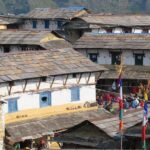
The region is home to Gurung and Magar communities, and the trek passes traditional village areas such as Tadapani and Ghandruk on this general route. You can expect typical hospitality along the trail: simple places to eat, talk with locals, and ask questions as you rest.
Ghorepani Night: What Your Overnight Really Means
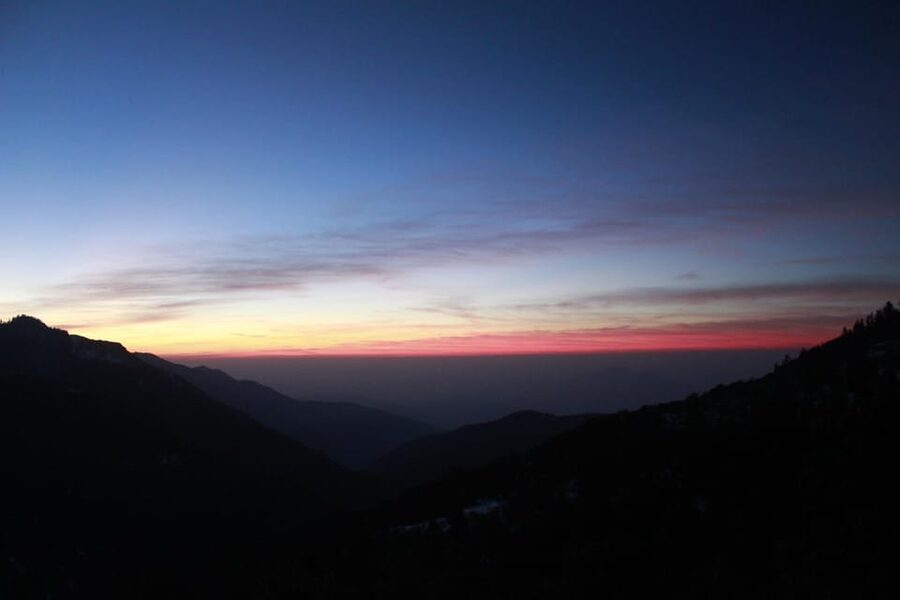
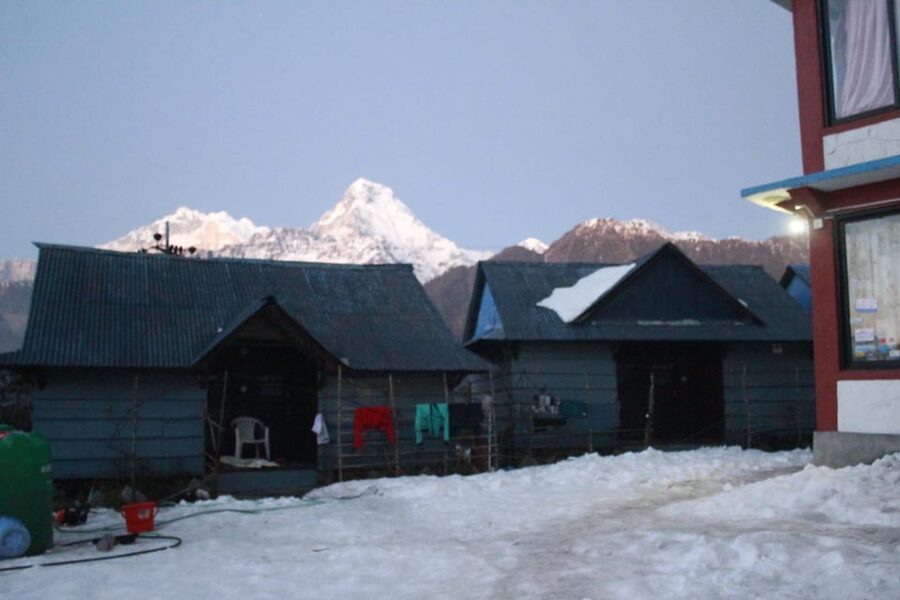
Your overnight stop is in Ghorepani at a lodge/hotel setup described as having an attached bathroom with hot shower. That’s not a small detail on a short trek. After a full day of walking (plus a long morning/afternoon drive), a hot shower helps your body recover instead of simply surviving.
This is also the night you’ll feel the pressure building for sunrise. You’ll be waking up early, so treat the evening like pre-game. Eat what you need for energy, get some sleep if you can, and accept that your alarm will feel way too early even if you travel well.
Poon Hill Sunrise: The 3210 m Viewpoint That Defines the Trek
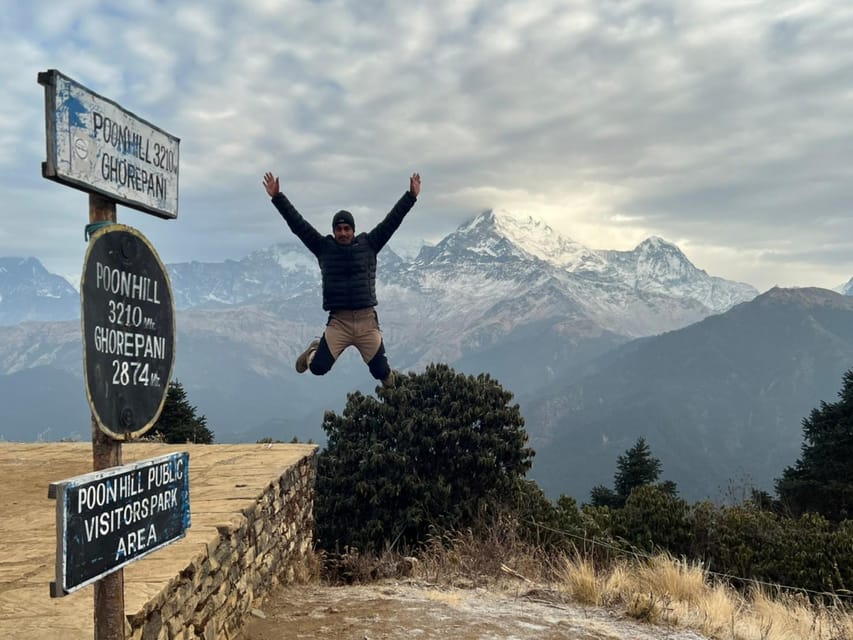
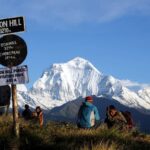
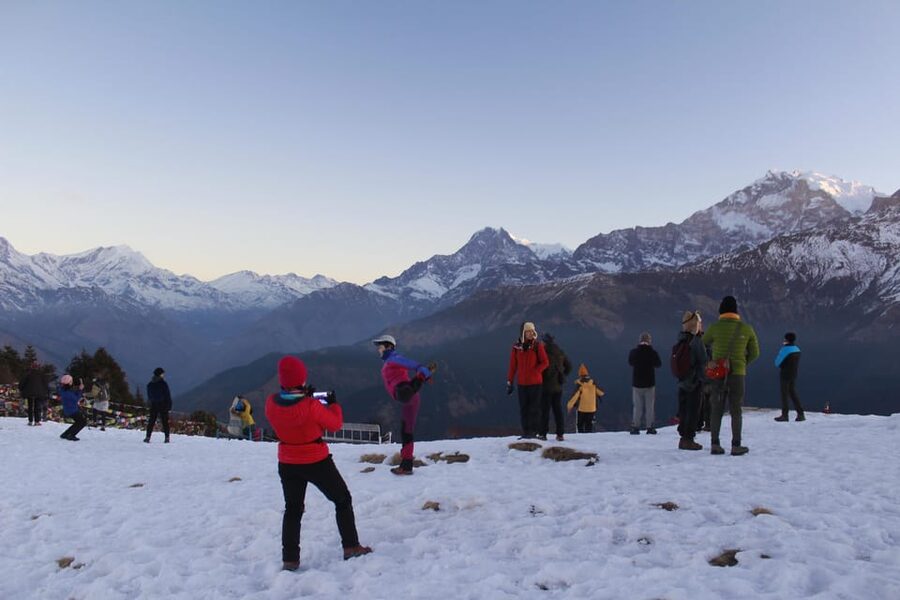
Day 2 starts with an early hike from Ghorepani up to Poon Hill (3210 m). The plan calls for about an hour hike to the viewpoint, though you should expect that the pace depends on your body and the weather.
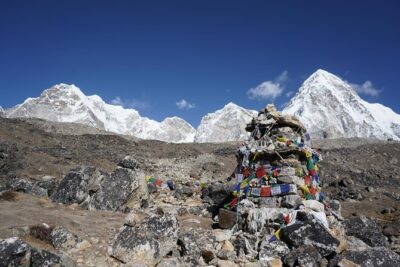
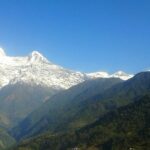
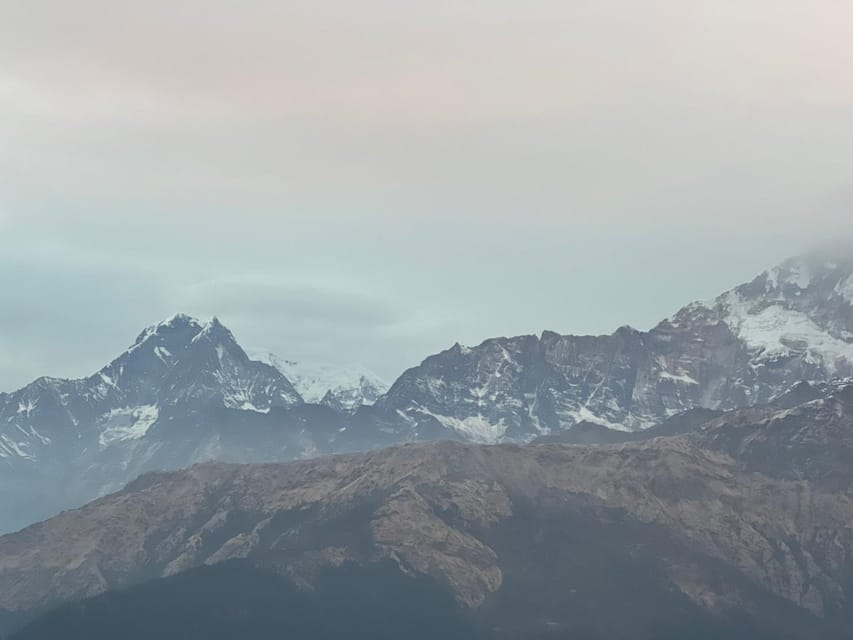
This is the payoff moment. At the top, you’re aiming to see sunrise over a chain of mountains, including:
- Dhaulagiri
- Annapurna
- Annapurna South
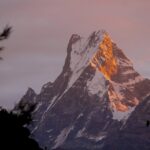
- Machhapuchare (Fish Tail)
- Lamjung and Manaslu ranges
- Plus other nearby peaks depending on visibility
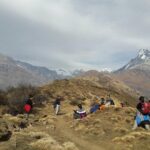
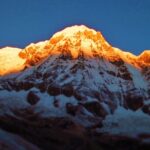
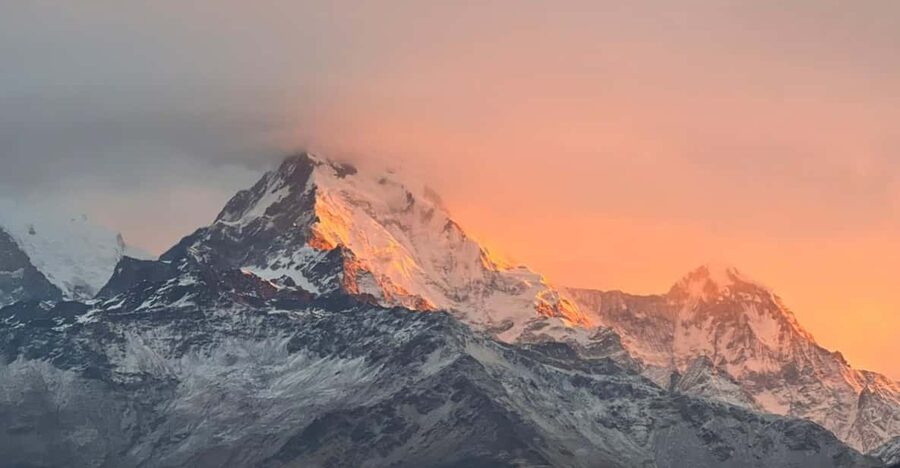
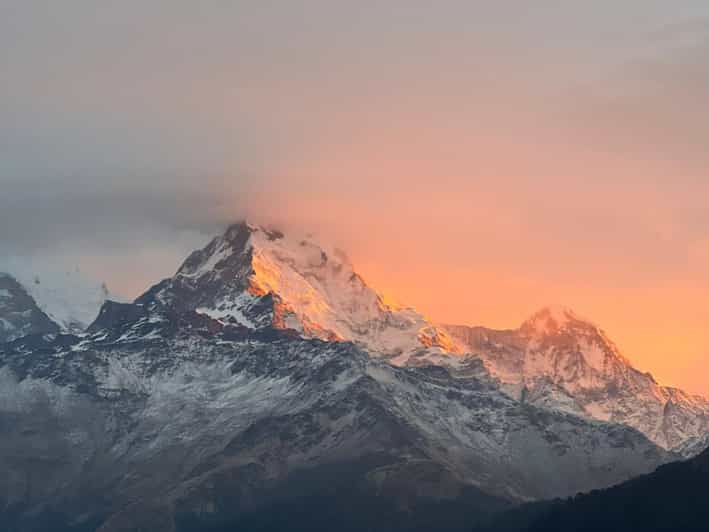
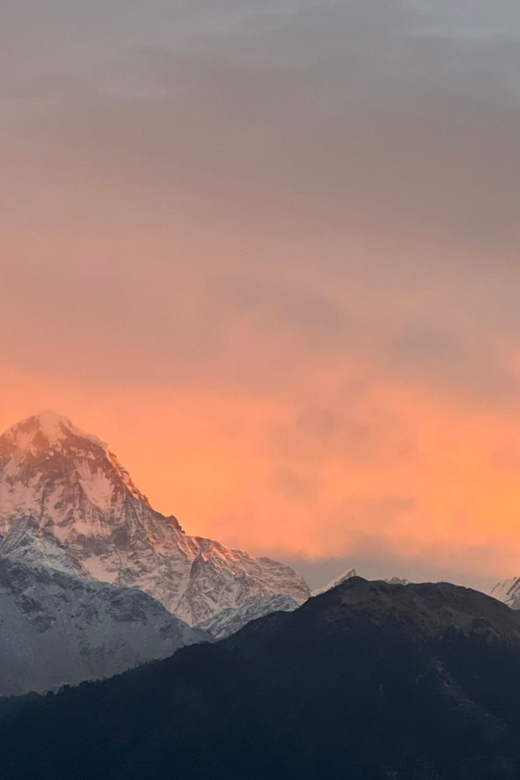
When conditions are clear, the colors often shift across multiple ridgelines, and the scene can feel bigger than your brain expects for a “short trek.” It’s the reason people do Poon Hill instead of choosing a longer route: you get the mountain drama fast.
And yes, clouds can happen. One of the most important mindset shifts is this: even when sunrise isn’t perfect, the walk to the viewpoint still puts you in position for a dramatic partial show if the sky clears later. That’s why I’d rather you book this trek with realistic expectations than treat the sunrise like a guaranteed movie scene.
The Descent: From Poon Hill Back Toward Ulleri
After soaking in the early views, you’ll descend back toward Ghorepani and continue downhill through forested areas. The itinerary notes passing back through Bhanthati village on the way to Ulleri, where you’ll catch the jeep or bus back to Pokhara.
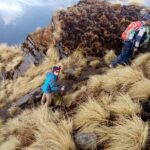
For many people, the return feels both easier and harder. Easier because you’re going down. Harder because descent taxes your knees and legs. This is where trekking poles matter. Even if you’re fit, using poles correctly can help a lot on downhill stairs.
Another practical point: the morning energy fades after sunrise. That’s normal. You’ll still get the views, but you’ll likely feel more tired by the time you reach Ulleri.
Guides, Pace, and the Stuff That Keeps It Comfortable
This trek is built around a private group with an English-speaking trekking guide (also available in Nepali and Hindi). That has a real impact on your experience, because it’s not just about knowing the route. A good guide manages timing, water/food stops, and how often you pause for photos.
From what’s been shared by past participants, guides like Biru and Amrit tend to:
- watch your walking pace closely
- take breaks when needed
- help you keep momentum without rushing
- take or help with pictures so you get your moment from the trail
If you’re a beginner, that kind of pacing support is the difference between enjoying the climb and spending the whole time mentally bargaining with every uphill step.
Price and Value: What $161 Buys for Two Days
At $161 per person for a 2-day, 1-night style trek, the value comes from what’s included versus what most independent travelers have to manage themselves.
Included items you should care about:
- Pickup and drop-off within the Pokhara lakeside area
- A licensed English-speaking trekking guide and the guide’s accommodation/food expenses
- Trekking permit and official documents
- Round-trip transfers by sharing jeep or bus
- Accommodation in Ghorepani with attached bathroom and hot shower
- Breakfast
- Trekking pole
- Emergency normal first aid kit with the guide
- Private tour setup
What’s not included:
- Food and drinks during the trek (you purchase what you need)
- Personal expenses
In plain terms, you’re paying for logistics, paperwork, and a guided mountain morning. That’s often worth it on a short schedule because it protects your time. If you’re trying to squeeze Poon Hill into a tight Pokhara itinerary, the “someone else sorts it out” factor is a major part of the cost-to-fun equation.
When to Go and How to Pack for Mountain Timing
The best season window is spring (March to May) and autumn (September to November). Those months usually mean more stable weather and clearer views. Still, mountains can change fast, even when the forecast looks promising.
For packing, the tour data is simple about documents:
- Bring your passport (a copy is accepted)
- Bring a passport-sized photo
Trek poles are provided, which reduces what you need to carry. For everything else—warm layers, footwear, and a daypack—you’ll want to bring your usual trekking basics, because Poon Hill’s early morning can feel colder than Pokhara.
Who Should Book This Trek (and Who Should Skip It)
This trek fits best if you want:
- a short Himalayan hit from Pokhara
- sunrise views without multi-day trekking commitments
- a route that’s moderate in effort but still satisfying in reward
- cultural village contact through Magar and Gurung areas
It is not suitable for pregnant women and wheelchair users, based on the tour’s stated limitations. Also, pets are not allowed.
Should You Book This Poon Hill Trek With CAN Travels?
If you’re weighing this against other options, book it when you want a strong chance at a sunrise viewpoint and you want the Annapurna region in a compact format. The inclusion of a guide, permits, transfers, and a warm overnight setup in Ghorepani makes the experience feel organized even when mountain conditions are unpredictable.
Don’t book it if you’re chasing a guaranteed blue-sky sunrise at all costs. The schedule gets you there, but weather still decides the final quality of the show. If you can accept that reality and enjoy the hike itself (forest, villages, and the approach to the ridge), this is a smart two-day value from Pokhara.
FAQ
How long is the Poon Hill trek from Pokhara?
The trek is 2 days.
Where does the trek start and where do you end?
You’re picked up in Pokhara (within the lakeside area), drive to Nayapul and the trail area, trek to Ghorepani, then return down to Ulleri and ride back to Pokhara at the end.
What’s the highest point on this trek?
Poon Hill is the highest point at about 3210 m.
How long is the hike to Poon Hill for sunrise?
The morning hike to Poon Hill is about an hour from Ghorepani.
What kind of accommodation do you get in Ghorepani?
You stay overnight in Ghorepani in a lodge/hotel setup with an attached bathroom and hot shower.
Are trekking permits included?
Yes. The price includes the trekking permit and all official documents.
Is breakfast included?
Yes, breakfast is included. Food and drinks during the trek are available to purchase.
What languages can the guide speak?
The guide is available in English, Nepali, and Hindi.
What do I need to bring?
You should bring your passport (a copy is accepted) and a passport-sized photo.