REVIEW · KATHMANDU
Shortest Everest Base Camp Trek 11 Days
Book on Viator →Operated by Sherpa Expedition & Trekking · Bookable on Viator
Short on time, but want Everest? This trip fits. In 11 days you’ll get the Everest region trekking experience, a stop in Namche Bazaar, and then a helicopter ride linked to Everest Base Camp highlights like the Khumbu Glacier and Kalapatthar.
What I liked most is the way this plan compresses the classic Everest dream into a realistic schedule, without turning it into a rushed sightseeing sprint. I also love that your support team is front-and-center, and the guides who come recommended—like Pasang and Lakpa—are repeatedly described as alert to how you’re feeling as altitude starts to talk back.
One thing to consider: this experience depends on good weather, and if conditions aren’t right you may be offered a different date or a refund. That’s not a deal-breaker, but it does mean you should travel with flexibility.
In This Review
- Key highlights worth your attention
- Why this 11-day Everest Base Camp style works (and who it’s for)
- Kathmandu meet-up at 6:15 am: small details that save stress
- Namche Bazaar: the Sherpa capital you’ll actually feel
- The trek component in the Everest region (what to expect)
- The helicopter ride to Everest Base Camp area: the headline moment
- Meals and included costs: where your money really goes
- Guides and porters: the difference between surviving and enjoying
- Fitness level and pace: plan for effort, not heroics
- Price versus what you get: the honest trade-offs
- Should you book the Shortest Everest Base Camp Trek (11 Days)?
- FAQ
- What is the duration of the trek?
- Where does the experience start?
- What time does the tour start?
- Does the package offer pickup?
- What is included in the price?
- What is not included?
- What fitness level do I need?
- How large is the group?
- Is a helicopter ride part of the experience?
- What happens if weather is poor?
- Is free cancellation available?
Key highlights worth your attention
- 11-day Everest Base Camp focus: built for people who can’t spare the usual trekking time
- Namche Bazaar visit: the Sherpa hub, not just a photo stop
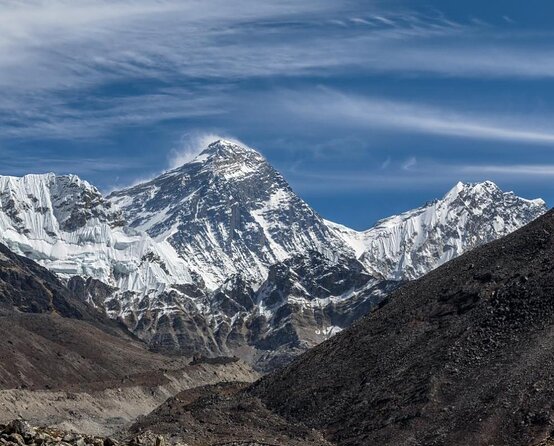
- Helicopter ride to Everest Base Camp area: plus Khumbu Glacier and Kalapatthar in the mix
- Small-group feel (up to 45 travelers): easier to manage than the big conveyor-belt tours
- Meals and fees included: breakfast, lunch, and dinner plus all fees and taxes
Why this 11-day Everest Base Camp style works (and who it’s for)
The standard Everest Base Camp trek is famous, and also famous for eating up a lot of vacation days. This version is designed for people who want the spirit of the Khumbu—mountain views, trekking effort, and Sherpa culture—without committing to a longer timeline.
If you’re a first-timer or a time-crunched traveler, the “shortest” approach can be a smart match. You’ll still spend real days in the Everest region, and you’ll get the big cultural moment at Namche Bazaar (the Sherpa capital) rather than just passing through a village and calling it done.
This also tends to suit you if you’re comfortable with moderate physical fitness rather than looking for a super-hard, all-out expedition. The tour is explicitly geared toward a moderate fitness level, which matters because “Everest” sounds like it should mean max suffering, but your goal should be to finish feeling proud—not wrecked.
You can also read our reviews of more tours and experiences in Kathmandu.
Kathmandu meet-up at 6:15 am: small details that save stress
Your experience starts at Sherpa Expedition and Trekking on Chaksibari Marg, Kathmandu, with a 6:15 am start time. That early start can sound dramatic, but it’s also practical. In mountain country, mornings are usually when plans run cleanest—less waiting around, more progress.
Two logistics details I appreciate here:
- It’s near public transportation, so you’re not locked into hunting down private taxis at the last second.
- The tour notes pickup offered, which usually means less hassle when you’re still getting your bearings in Kathmandu.
If you’re the type who shows up to tours half-awake, I’d plan your Kathmandu night carefully. Hydration, decent sleep, and a simple breakfast the day before will help you show up ready to move when the alarm hits.
Namche Bazaar: the Sherpa capital you’ll actually feel
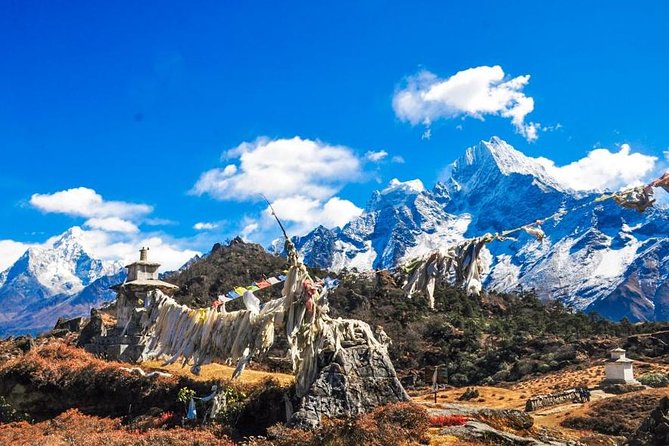
Namche Bazaar is one of those places that lives up to the hype. It’s not just scenery. It’s where you feel the rhythm of Sherpa life—shops, community spaces, and the sense that the mountain has shaped daily routines for generations.
In this itinerary, Namche is specifically called out as a major stop: visiting the capital of the Sherpas. That’s valuable because it gives your Everest Base Camp trip more meaning than altitude alone. You get a cultural anchor point in the trek—somewhere where locals are not background scenery but part of the story.
Practical tip for Namche: even if you’re feeling fine, treat it like an adjustment point. Altitude changes can be sneaky, and taking it easy helps you keep the day enjoyable. The whole vibe of a successful Everest trip is pacing—moving steadily, not sprinting just because the trail looks short on a map.
The trek component in the Everest region (what to expect)
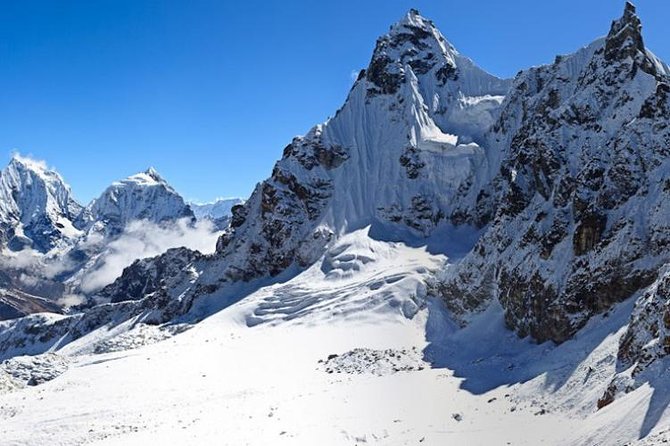
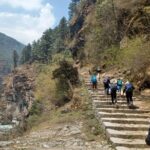
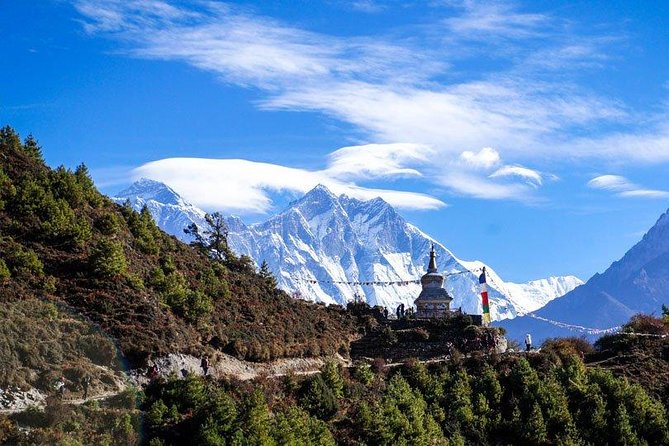
This package is built around trekking in the famed Everest region, and that matters because it keeps the experience grounded. Even with a helicopter highlight later, the trek portion is what gives you the real sense of place: changing terrain, thin-air effort, and those long mountain sight lines that make Everest feel less like a headline and more like something you’re standing near.
Because the exact day-by-day route details aren’t laid out here, I can’t promise specific villages, passes, or distances. But I can tell you what the structure implies:
- You’ll be moving through the Khumbu landscape on foot for a portion of the trip
- You’ll build toward the big Everest-related moments rather than jumping straight to them
- You’ll have guide support throughout, which is crucial when altitude symptoms (headache, fatigue, nausea) show up
And that support is a common thread in the best experiences tied to this company. People describe guides like Pasang as fun, energetic, and especially tuned in to how they were feeling during ascent—exactly what you want when your body starts giving updates you didn’t ask for.
The helicopter ride to Everest Base Camp area: the headline moment
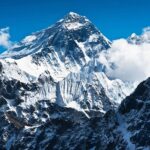
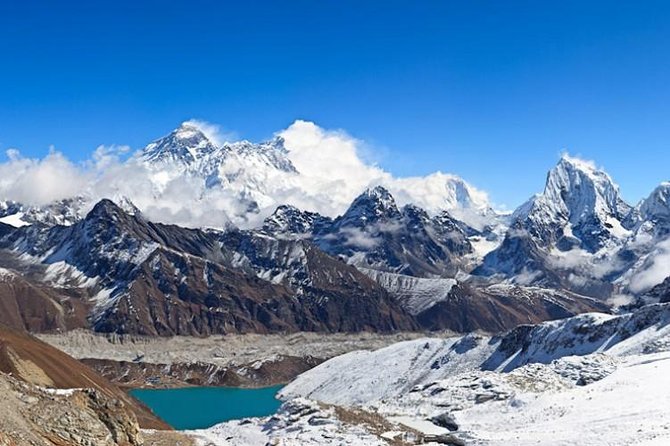
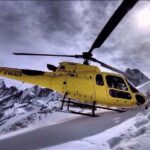
Here’s the part that makes this trip feel different from the classic EBC story: the tour includes a helicopter ride to Everest Base Camp, plus stops connected to the Khumbu Glacier and Kalapatthar.
That combination is powerful for two reasons.
First, it shortens the hardest time cost. You’re still chasing the same views and mountain drama, but without forcing your whole itinerary to be one long grinding hiking stretch. If your schedule is tight, this is the heart of the value.
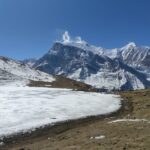
Second, it helps you experience multiple iconic Everest viewpoints. Kalapatthar is the kind of place that many hikers talk about as a must-see for epic perspectives. Pair that with the Khumbu Glacier area and the Everest Base Camp zone, and you get a “big hits” set that feels like a highlight reel.
One reality check: this style still depends on weather. The tour notes that the experience requires good weather, and if it’s canceled due to poor conditions you’ll be offered a different date or a refund. In other words, the helicopter segment isn’t a guarantee you can treat like an indoor attraction. Plan your trip with flexibility so you don’t turn Everest into a stress test.
Meals and included costs: where your money really goes
For $2,200 per person (11 days approx.), you’re not just buying a path on a map. You’re buying organization plus time and food support.
What’s included:
- Breakfast, lunch, and dinner
- All fees and taxes
What’s not included:
- Alcoholic beverages
- Soda/pop
- Snacks
- Nepal visa
- Insurance
- Tips for guide/porter
That breakdown matters because it changes how you should budget. Many Everest trips look cheap at first glance, then get more expensive once you add visa costs, insurance, and daily extras. Here, a big chunk is already covered via meals and fees, so you can plan more accurately.
Also, food inclusion is more important than it sounds. High-altitude trekking works best when you don’t spend every day hunting meals or making decisions when you’re tired. Having three meals a day handled helps you stay focused on the mountain and your acclimatization rhythm.
My value take: at this price, you’re paying for reduced time, guided support, and a helicopter element that many traditional treks don’t include. If you can’t commit to a longer trek—or you want the iconic stops with less time in transit—this package can be a strong fit.
Guides and porters: the difference between surviving and enjoying
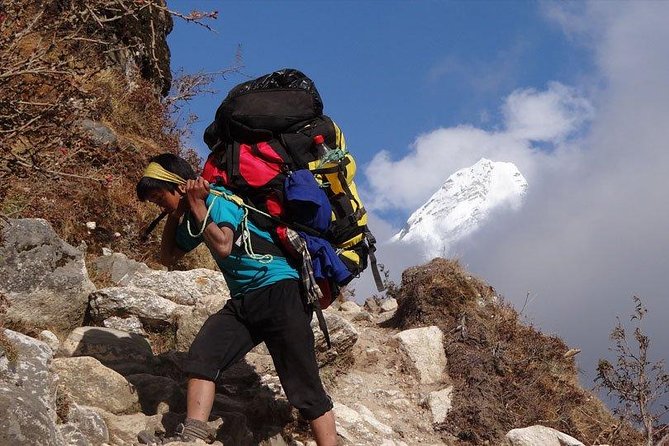
Everest isn’t only geography. It’s logistics plus health plus morale. That’s why the guide and porter team matters so much—and it’s a consistent reason people recommend this operator.
Across the experiences tied to this trip, guides like Lakpa and Pasang come up repeatedly. People describe them as:
- responsive and quick to answer questions before travel (like Ram in the office)
- adjusting to how you feel during ascent
- keeping things smooth so the trek feels manageable instead of chaotic
You’ll also see praise for porters and helpers (names like Dawa Sherpa, Chorteh, Dorjeh, Kumar, and others appear in the feedback). The common point is support: patient help, responsible pacing, and the kind of attention that makes a huge difference when altitude starts messing with your appetite and sleep.
If you want a practical mindset: pick the trip that makes it easier for you to follow a steady pace. A great guide doesn’t only know the route; they know when to slow down.
Fitness level and pace: plan for effort, not heroics
The tour is meant for travelers with moderate physical fitness. That’s a good signal for you if you’re physically active but not training for a summit push.
Still, don’t let the “shortest” label trick you. Even with fewer trekking days than classic versions, you’re dealing with altitude effects and long travel days. The winning strategy is to keep your expectations realistic:
- Move steadily
- Drink fluids and eat when you can
- Don’t treat every uphill as a personal challenge
The guide support is part of how this package stays enjoyable. If someone like Pasang is paying attention to your symptoms, you’re less likely to ignore warning signs until they become a bigger problem.
Price versus what you get: the honest trade-offs
Let’s be practical about what you’re trading off when you choose a shorter Everest Base Camp approach.
You gain:
- Less time on the trail than longer EBC formats
- A strong cultural stop at Namche Bazaar
- A major viewpoint payoff through the helicopter ride sequence
You give up (or at least reduce):
- The slower, longer “story” arc of a classic full-foot trek
- More gradual time-based acclimatization you sometimes get on longer itineraries
This isn’t automatically bad. It’s just how the math works. If your priority is iconic Everest experiences within a tighter schedule, this package makes sense. If your priority is a long, traditional trekking journey above all else, you might still prefer a longer trek style.
Should you book the Shortest Everest Base Camp Trek (11 Days)?
I’d book this if your goal is to see Everest’s most famous area without spending your entire vacation on trekking logistics. The combination of Namche Bazaar, on-foot time in the Everest region, and the included helicopter ride to the Everest Base Camp zone, Khumbu Glacier, and Kalapatthar is a compelling package.
I’d pause if you can’t handle weather uncertainty. Since the experience requires good weather, you should only book if you can accept the possibility of schedule changes due to conditions.
If you’re ready with moderate fitness, flexible planning, and a sensible mindset, this is one of the more practical ways to turn the Everest dream into real days—not just a far-off wish.
FAQ
What is the duration of the trek?
The trek is listed as 11 days (approx.).
Where does the experience start?
It starts at Sherpa Expedition And Trekking, Chaksibari Marg, Kathmandu 44600, Nepal.
What time does the tour start?
The start time is 6:15 am.
Does the package offer pickup?
Yes, pickup offered is listed.
What is included in the price?
Included items are breakfast, lunch, dinner, and all fees and taxes.
What is not included?
Not included: alcoholic beverages, soda/pop, snacks, Nepal visa, insurance, and tips for guide/porter.
What fitness level do I need?
You should have moderate physical fitness level.
How large is the group?
The tour has a maximum of 45 travelers.
Is a helicopter ride part of the experience?
Yes. The features include a helicopter ride to Everest Base Camp, Khumbu Glacier, and Kalapatthar.
What happens if weather is poor?
The experience requires good weather. If it’s canceled due to poor weather, you’ll be offered a different date or a full refund.
Is free cancellation available?
Yes. You can cancel up to 24 hours in advance for a full refund.
If you want, tell me your travel month and fitness level (and whether you’d rather hike longer or keep things lighter). I’ll help you sanity-check if this 11-day format is the right match for your expectations.